The best kaiseki in Japan you can actually book is, more often than not, outside Kyoto. The old capital holds the deepest tradition and the tightest doors. Meanwhile a Tokyo ryotei opens part of its book online, a fourteen-seat house in Hiroshima serves a three-starred dinner at a published price, and the two kaiseki kitchens Japanese critics rank highest sit in Kanazawa and a Nagano valley. Reputation and reachability are separate axes, and this page reads them separately.
Kaiseki is not one format. It runs from an eight-seat counter to a walled house of private tatami rooms, which is why the term needs unpacking before you book — we do that in what kaiseki is, and draw the line against sushi omakase in kaiseki versus omakase.
Kyoto — the source, at the price of difficulty
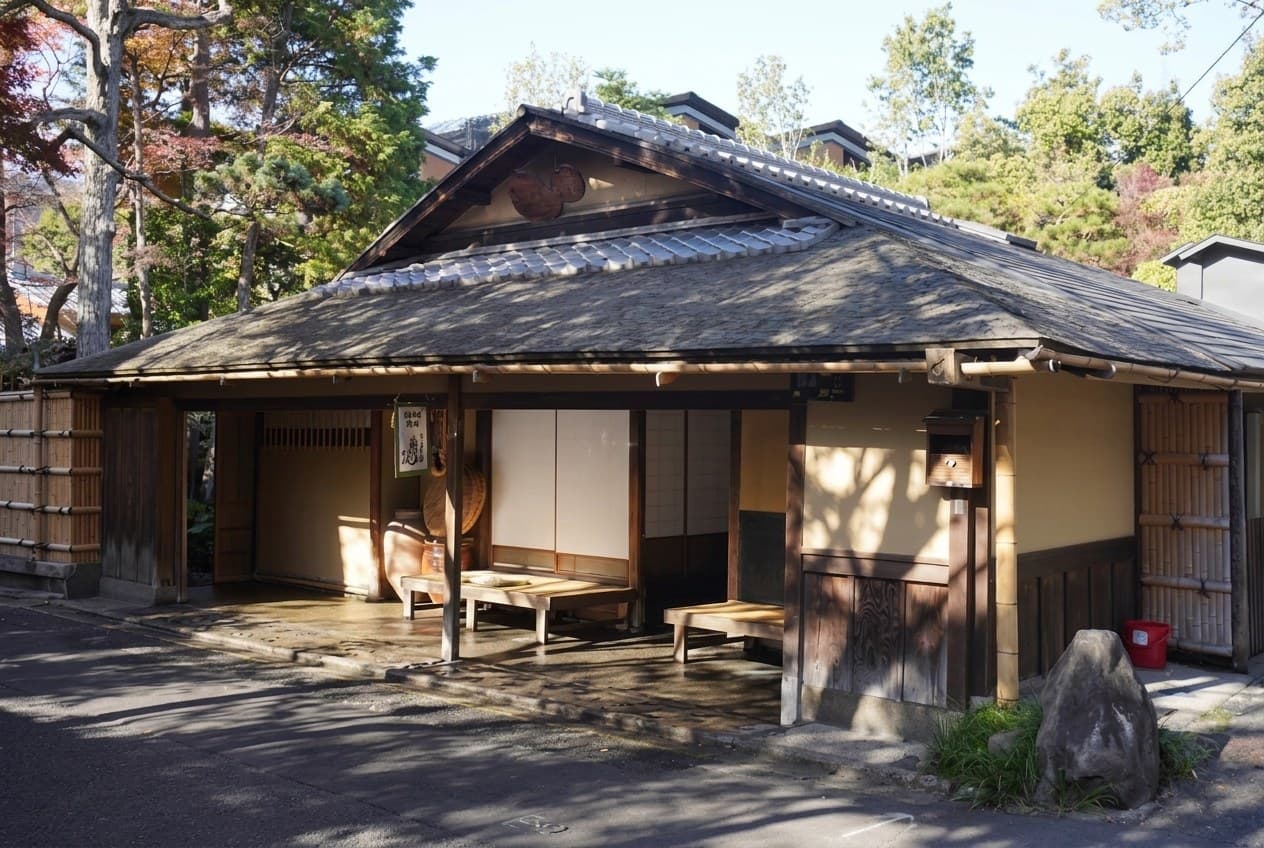
Hyotei began as a teahouse at the gate of Nanzenji and became a restaurant in 1837. It was awarded three stars in the MICHELIN Guide Kyoto-Osaka 2026, announced in April 2026 — a run Japanese coverage traces back to the guide's first Kyoto edition. Reservations run largely by phone in Japanese, seats are few, and one to three months is the working window. The annex and its morning gruel are the affordable way in.
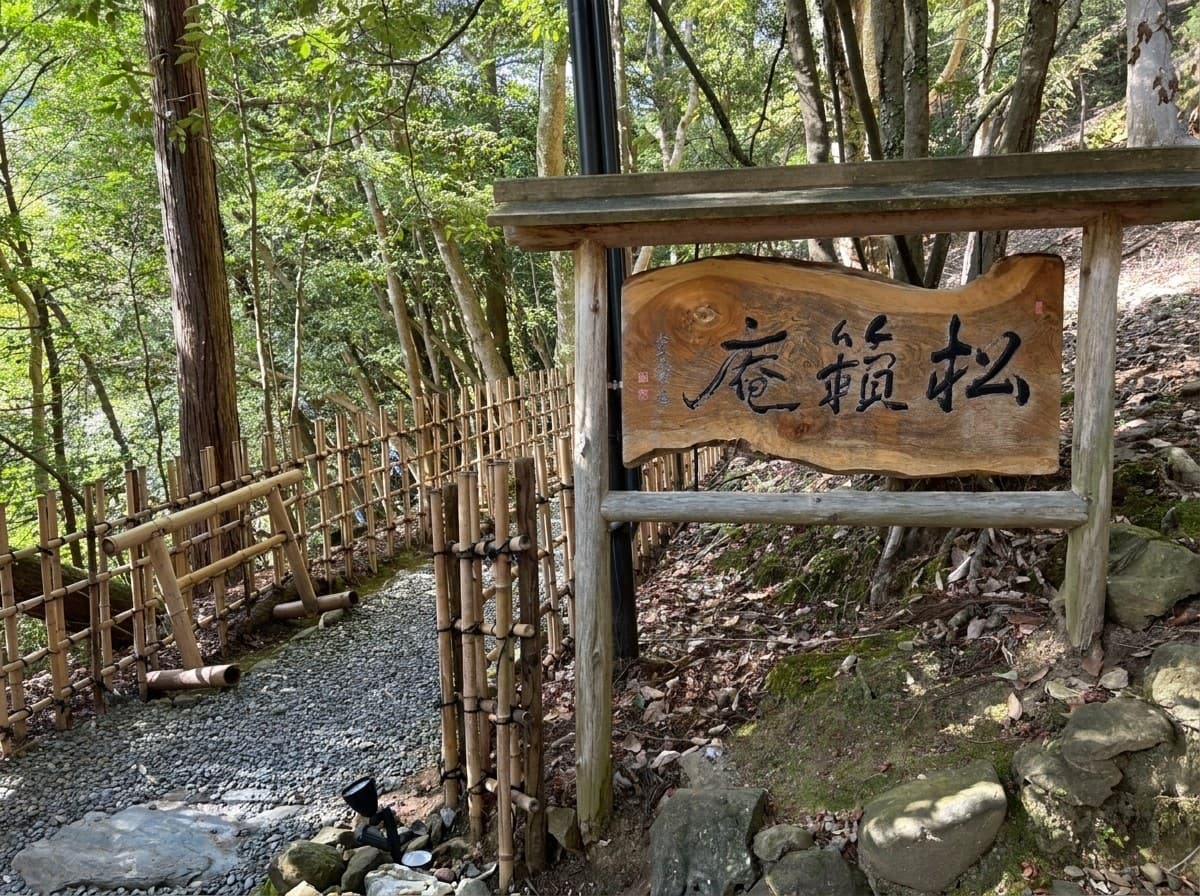
Shoraian, in a former prime minister's villa inside Kameyama park above the Hozu rapids, cooks a seasonal tofu kaiseki and is the gentlest room of this group to secure — dinner by reservation, lunch across the week. Our Kyoto-specific guide maps the whole city, tier by tier, and lunch is its central argument.
Tokyo and Kanto — the ryotei that still answer the door
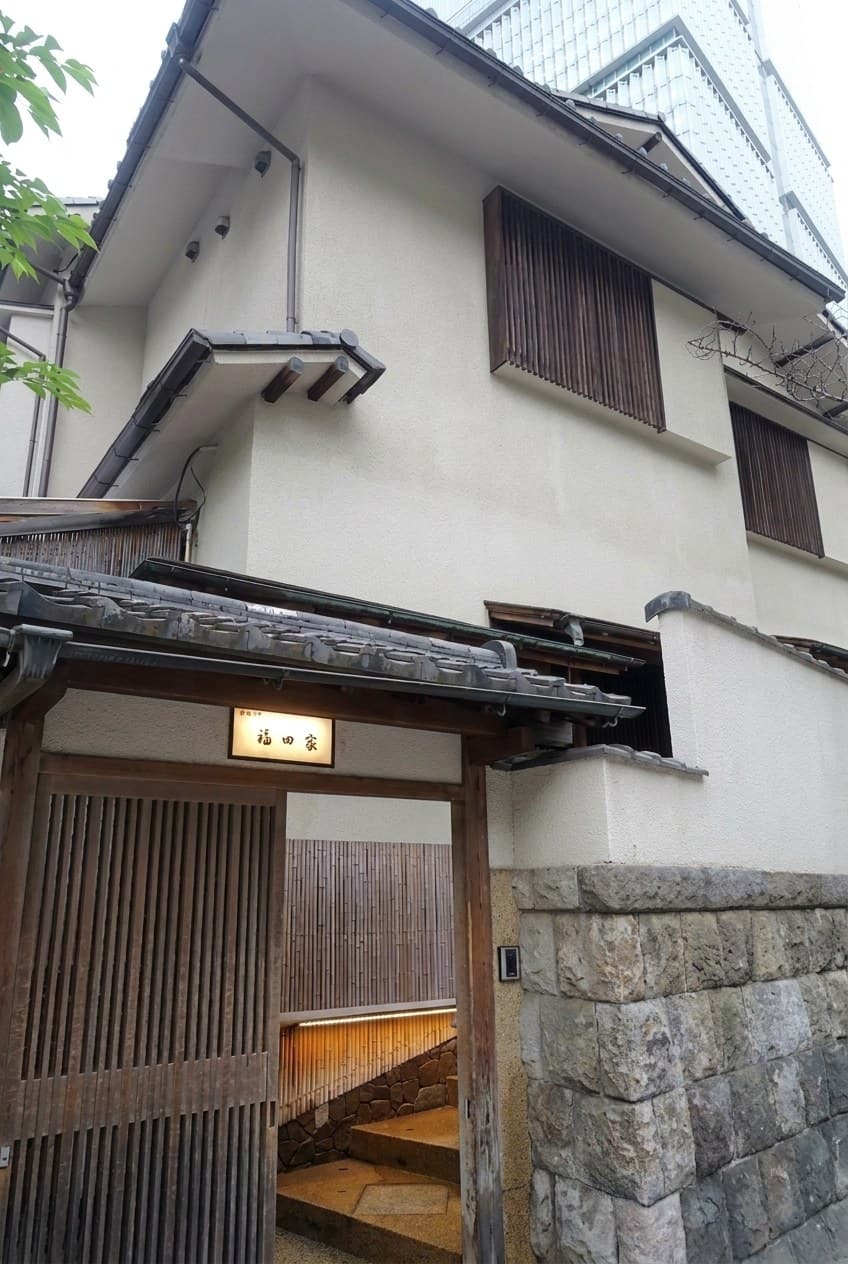
Fukudaya in Kioicho opened in 1939 under the direct guidance of Kitaoji Rosanjin, and sets its monthly kaiseki on the master's own ceramics — the house holds more than two thousand of his works. Michelin held it at two stars for eighteen consecutive years through the 2025 Tokyo edition, and Japanese coverage of the 2026 guide again places it at two. It is also, unusually for this rank, bookable: four private tatami rooms, a weekday phone line with part of the book opened online, and a 20% service charge in the ryotei manner.
Tanakaya, seven minutes from Yokohama Station, is the last surviving teahouse of the old Kanagawa post town and appears in Hiroshige's Tokaido print. Rebuilt as a ryotei in 1863 and run by the same family since, it serves monthly kaiseki in seven private rooms, arranges Yokohama geisha with notice, and — rare among Japan's surviving ryotei — welcomes newcomers without an introducer. Reservation-only, two guests minimum, no same-day.
Hokuriku and the Alps — where the rankings actually point
Kataori is eight seats by Kanazawa's Asano River, and the reason to go is the dashi: katsuobushi shaved in front of you, Rishiri kelp steeped in spring water the chef hauls himself. Opinionated About Dining ranked it the number-one restaurant in Japan in 2025; it took a Tabelog Award Gold again in 2026, and Tabelog showed it at 4.68 when we checked in August 2026. It is also close to unreachable — most of it moves through the phone and long-standing relationships, and the handful of slots that surface on a members' platform are gone in seconds.
Yukimoto sits three minutes from a station in the Ina Valley and cooks the mountains: four-season black bear hot pot, autumn matsutake by the hundreds of grams, spring sansai. It was named a Tabelog Award Gold restaurant again in 2026, one of thirty-six nationwide. Online booking exists — the difficulty is seasonal, since bear and matsutake seats go months out and bear service depends on the hunt.
Tohoku — introductions, and one rice storehouse
Takamura is thirteen seats behind an unmarked door near Akita's old geisha quarter, cooking Edo-refined courses on northern produce. It is a members-and-referral house booked by Japanese phone, with nothing released publicly at all, and it has been a Tabelog Award honoree across several years. There is no walking in — this is the pure form of the problem we describe in introduction-only restaurants.
Tonoya Yo takes one party a night inside a rebuilt 200-year-old rice storehouse in Tono, the town where Japan wrote down its folklore. Yotaro Sasaki farms heirloom rice, brews it into doburoku, and cooks a fermentation-driven course he calls eating time itself. Reservations open two months ahead and go almost immediately. It is a stay as much as a dinner, which puts it in the territory of our ryokan kaiseki guide.
Chugoku and Shikoku — the best value in the country
Nakashima is a husband-and-wife counter in a quiet Hiroshima block, awarded three stars in the MICHELIN Guide Hiroshima 2013 special edition and again in the Hiroshima-Ehime 2018 edition, per the house's own account. The guide has not returned to the region since, so the stars sit undisturbed. Fourteen seats, one simultaneous 18:30 start, one course at ¥24,250 including tax and service — taken by phone, with part of the book opened online on an English page. The constraint is timing, not access.
Toraya Kochuan is the outlier. Koji Iwamoto trained at Arashiyama Kitcho, then went home in 1985 to a Tokushima river village to cook broths critics compare to ink painting, with ayu he catches himself. Booking is phone-first, with a limited presence on Japanese reservation platforms; the real arrangement is the car, since the village has no train, no bus and no taxi rank.
What separates a bookable house from an unreachable one
Four things, and stars are not among them. Seat count — eight seats with one seating a night produce a fraction of the inventory of a sixty-seat ryotei of private rooms. A published channel — a house that releases even part of its book publicly is negotiable; a house that publishes nothing is not. Language and payment terms — a Japanese-only phone line at fixed hours, or a deposit taken by domestic transfer, is a real barrier even when seats exist. And regular absorption — where the same guests rebook as they leave, months close before they open.
This is why rankings mislead on access. Michelin and Tabelog both judge the plate, as we set out in what a Michelin star means in Japan and Michelin versus Tabelog; the Tabelog Award tier is explained here. None of them measures whether a stranger can get in. Treat every star count as an edition rather than a permanent fact — the guides are reissued annually, and regional volumes sometimes are not reissued at all.
Budget one to two months for houses with an open channel, longer for seasonal peaks, and read what fine dining in Japan costs before you fix a route. At almost every house here the telephone and long-standing relationships carry the bulk of the month, and only a remainder reaches the public — unannounced, in small batches, and gone quickly. Tell us your dates and which of these rooms you are aiming at, and our reservation desk will work the phone, watch for what surfaces, and say plainly what is realistic before anyone books a flight.