Ask what makes Japanese food taste Japanese — that savory depth under the restraint — and the honest answer is not a technique but an organism: a domesticated mold that Japan has farmed for a thousand years and that the Brewing Society of Japan named the country’s national fungus in 2006.
Koji: the engine
Koji (麹) is steamed grain — rice above all, but also barley and soybeans — inoculated with Aspergillus oryzae and kept warm for around two days while the mold threads through every kernel. Its enzymes do two jobs at once: amylase shatters starch into sugar, protease breaks protein into amino acids. That double conversion powers virtually the entire Japanese pantry:
- Sake — koji sugars feeding yeast in the same tank, the “multiple parallel fermentation” that lets sake reach a higher natural strength than wine; the full story in our sake guide.
- Miso — soybeans, koji, salt and time. The koji grain names the type: kome (rice) miso, the national default, from sweet white Kyoto saikyo miso to the salty reds of the north; mugi (barley) miso in Kyushu and the west; and mame (all‑soybean) miso in the Nagoya belt, whose darkest form, the hatcho miso of Okazaki, is pressed under stones and aged for two years or more. Nagoya’s whole cuisine is built on it.
- Soy sauce — beans and roasted wheat, koji, brine, then months in the barrel; tamari, the thick, near‑wheatless cousin from the same region as hatcho, is the one you meet in Osaka’s oldest oden pot.
- Mirin and rice vinegar — sweetness and acidity, brewed rather than mixed. Mirin is a koji ferment of glutinous rice in shochu; rice vinegar is sake fermented a second time by acetic bacteria.
One mold, the whole seasoning shelf. Wine culture domesticated a fruit; Japan domesticated a microbe.
The wider ferment
Beyond koji, the cuisine ferments in every direction. Natto is soybeans fermented by Bacillus subtilis, not koji — the defiant sticky beans of the breakfast tray. The immense tsukemono tradition runs from rice‑bran nukazuke, turned daily in a bed some families keep for generations, to Kyoto’s senmaizuke turnip and salt‑and‑time shibazuke. Katsuobushi is bonito simmered, smoked, then inoculated with a beneficial mold and sun‑dried in repeated cycles; the fully mold‑ripened grade, karebushi, is among the hardest foods on earth and is shaved into the dashi that carries the cuisine. Sushi’s own ancestor is a ferment too: narezushi, fish preserved in rice until the rice itself sours. Even fugu has a fermented rarity — its ovaries, detoxified by years in salt and rice bran, a Hokuriku specialty that borders on alchemy.
Why microbes run the cuisine
Fermentation’s real product is umami: enzymes freeing glutamate and its companions from protein, delivering savory depth to a cuisine that renounces butter, heavy oil and spice. Miso, soy and dashi are concentrated umami delivery systems, which is why a bowl of clear soup can taste profound. Japanese cooking, seen whole, outsources complexity to microbes and spends the human effort on precision.
Fermentation on the plate
A few houses in our collection make the microbes the point of the meal rather than the background.
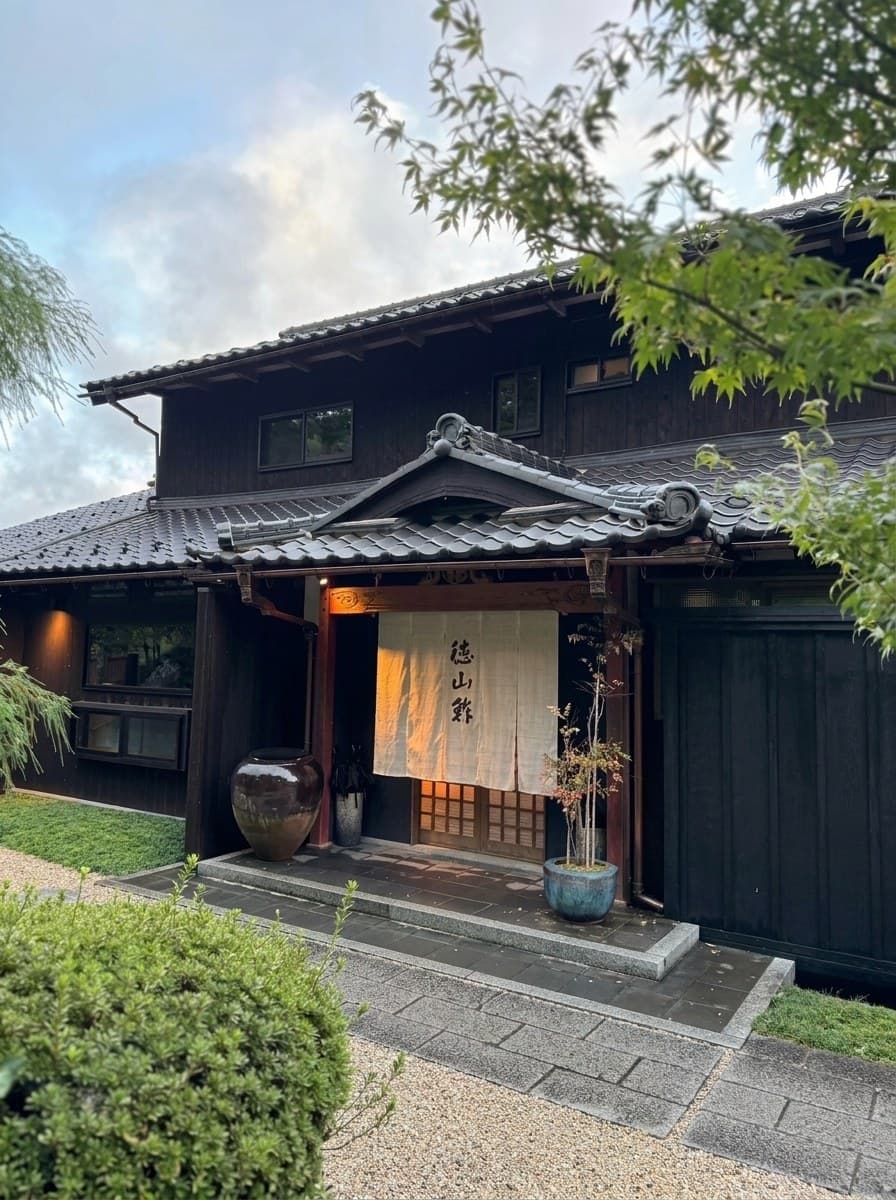
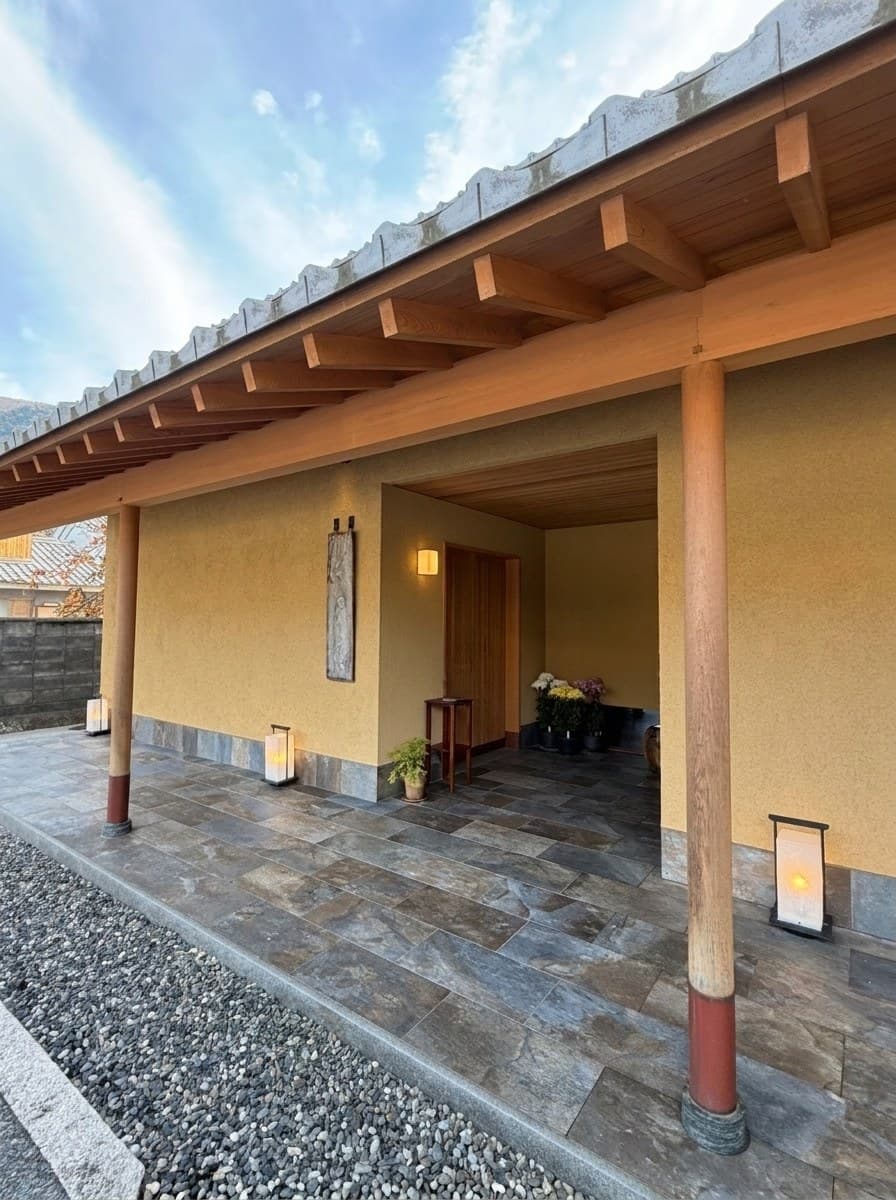
- Lake Biwa’s funazushi. Tokuyamazushi, an auberge on Lake Yogo, salts roe‑bearing nigoro‑buna for six months and then buries it a full year in rice, serving it with honey and sansho. An hour north of Kyoto at Kaizu, Korian is a funazushi house founded in 1784 whose batches take two winters, worked by the resident microbes of a cellar that has never gone cold; its funazushi kaiseki runs the fish through some ten forms, from a pasta to a closing chazuke. Both are phone‑only books with long queues; we make the calls and promise the attempt, not the seat.
- Tohoku’s farmhouse brewery. At Tonoya Yo in Tono, Iwate, a farmer‑brewer grows heirloom rice and brews it in his own licensed brewery into doburoku, the unfiltered farmhouse sake that predates the clear kind, then cooks a course of cured meats and fermented wild plants around it. One party a night; the book opens exactly two months ahead.
- The temple kitchen at Daitokuji. Daitokuji Ikkyu has cooked shojin cuisine at the monastery gate for more than 550 years. Its shopfront sells Daitokuji natto — not the sticky breakfast kind, but soybeans salt‑fermented under the summer sun — the one thing there that asks no reservation.
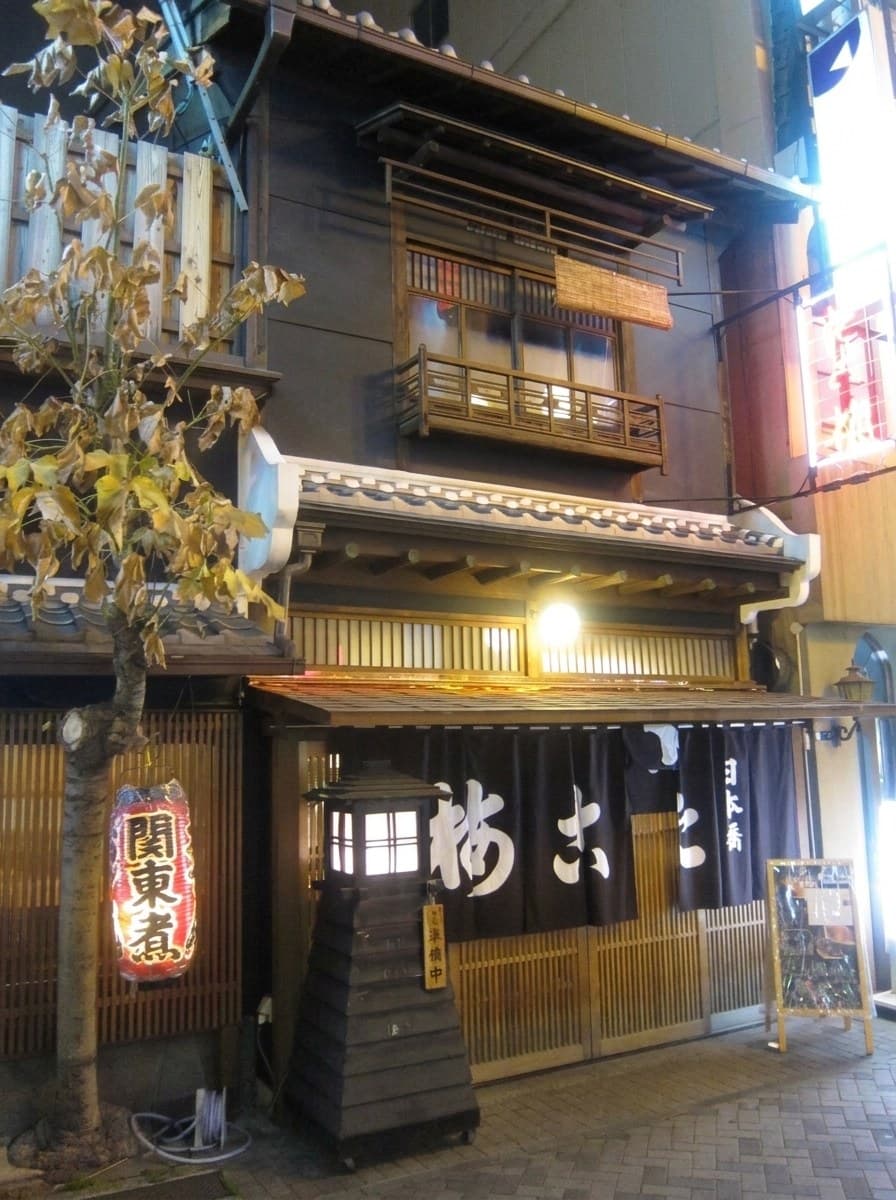
- A century‑old nuka bed. At Edogawa Ishibashi, the Tokyo eel house, the hour between order and table is filled with sake and pickles drawn from a rice‑bran fermentation bed itself over a hundred years old.
- Okinawa’s tofuyo. Mie in Naha closes its Ryukyu court course with tofuyo, tofu fermented in awamori and red koji to a cheese‑like density, eaten a grain at a time.
- Miso as a city’s grammar. Sapporo’s Ajino Sanpei built miso ramen on the logic of miso soup in the 1950s, and Momonjiya in Ryogoku has simmered wild boar in miso broth since 1718.
How to taste a brewery
Sake breweries (kura) are the easiest door into fermentation culture, and they reward a little preparation.
- Ask about the koji room. The koji‑muro is the warm, cedar‑lined chamber where rice is inoculated; it is the heart of the house and most tours at least show its door. Asking about it signals that you understand what matters.
- Read the calendar. Brewing is a winter craft, and the year’s sake arrives in waves: shiboritate, freshly pressed, from roughly December to February; namazake, unpasteurized, through spring; and hiyaoroshi, pasteurized once in spring and rested through summer, released in autumn. A green cedar ball, the sugidama, hung at the eaves announces that the new sake is ready; it browns as the year ages.
- Ask for the local style. Every region has one, and most kura pour their own range side by side, from junmai to daiginjo. Tasting across polishing ratios in one sitting teaches more than any label.
- Where to go. Hokuriku is dense with kura: the tram to Fujii in Toyama’s Iwase quarter rattles past sake breweries on the same street, and Kanazawa sits within reach of the Noto and Hakusan houses. Tohoku is the other great brewing north.
Beyond sake, the miso and soy houses — Okazaki’s hatcho cellars, Shodoshima’s barrel warehouses — open centuries‑old rooms, and every market’s pickle barrels do quiet propaganda. Several of our journeys thread breweries and ferment houses between the restaurant tables — the meal and its microbial backstory in one arc.