No Japanese ingredient carries more mythology than fugu — the pufferfish famous for being deadly, and in practice one of the most tightly controlled, safest luxuries in the country. Strip away the legend and what remains is a superb winter cuisine with its own vocabulary, its own capital, and a season worth planning around.
The safety system, plainly
Fugu’s toxin is real; that is why the state took it over. Only licensed chefs — trained for years, examined by the prefecture — may prepare and serve it, and the toxic organs are removed and disposed of under controlled procedure. The result: restaurant fugu in Japan has an essentially unblemished modern safety record, with the rare poisonings coming overwhelmingly from unlicensed home preparation, very rarely from licensed houses. Eating fugu at a proper restaurant is a regulated experience in the same sense as flying — engineered, inspected, and safe.
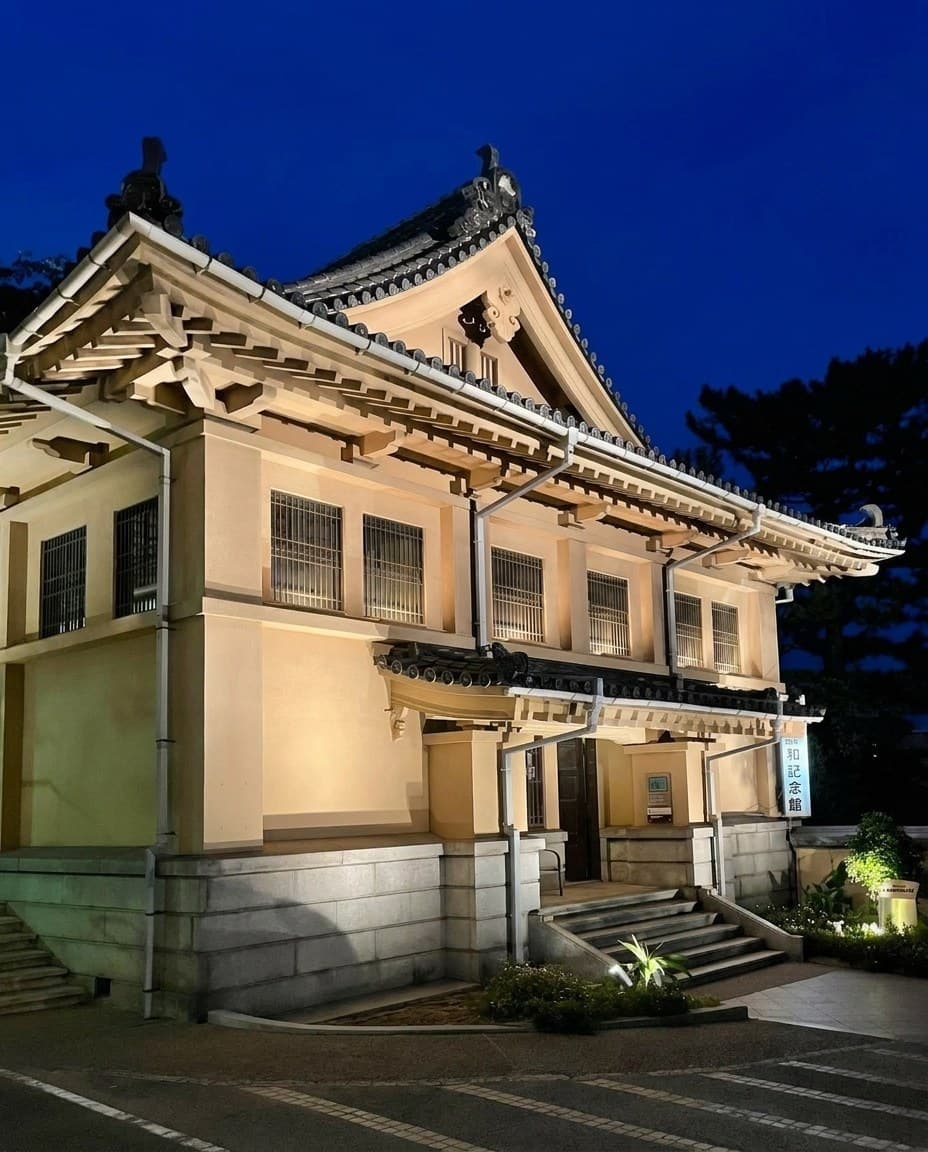
The ban itself is a story: prohibited for centuries, fugu was legalized in Yamaguchi Prefecture in 1888, and the first license went to Shunpanro in Shimonoseki — a house that still serves the ceremonial version today.
The season
Winter — roughly November through February. Wild torafugu, the premium species, peaks as the water cools, and its shirako (milt) — one of Japanese cuisine’s great delicacies, see our shirako guide — fills only in the cold months. Farmed fugu exists year‑round; the wild fish, the shirako and the steamed‑window atmosphere belong to winter.
The full course
A classic fugu dinner is a fixed liturgy:
- Tessa — sashimi sliced translucently thin, fanned into a chrysanthemum so the plate’s pattern shows through; eaten several slices at a time with ponzu and chives.
- Tecchiri — the hotpot: fugu, vegetables, then a finishing zosui rice porridge in the fortified broth.
- Fugu karaage — fried, the crowd‑pleaser.
- Grilled shirako — in season, the course’s peak.
- Hire‑zake — hot sake infused with a toasted fin, the winter digestif.
Budget roughly ¥10,000–30,000 per person depending on the house and whether the fish is wild torafugu (as of August 2026).
Where to eat it
- Shimonoseki, Yamaguchi — the fugu capital: the port its premium torafugu passes through, the morning fugu auctions, and Shunpanro, the 1888 original, over the Kanmon Strait. It pairs naturally with a western swing — see our Kyushu food road trip across the water.
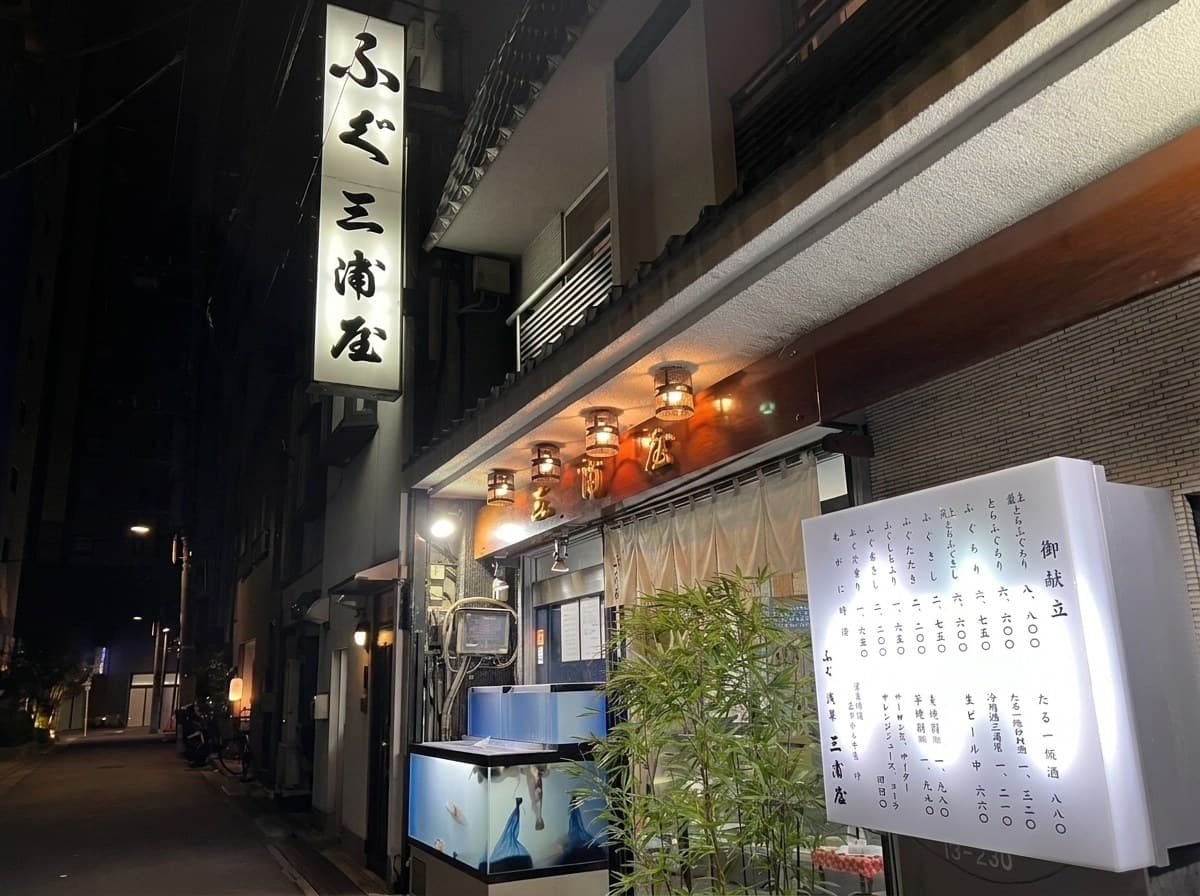
- Tokyo’s old fugu houses — the shitamachi tradition, led by houses like Miuraya in Asakusa, serves the full course without the journey west.
Winter tables at the famous fugu houses tighten quickly once the season opens — if a fugu night belongs in your January, set it now and build the rest of the evening around the hire‑zake.