No part of the Japanese table intimidates visitors more than the sake list — a wall of kanji, unfamiliar grades, and the nagging fear of ordering wrong. The secret: the entire system encodes just two questions, and once you can read them, every label in Japan opens up.
Question one: how polished is the rice?
Sake rice is milled before brewing, stripping the outer layers that carry fats and proteins. The more you polish, the lighter and more aromatic the result tends to be, and the premium grades simply mark the milling. The figure on the label is the seimaibuai (精米歩合), the percentage of the grain that remains:
- Honjozo (本醸造) — 70% or less remaining, with a small addition of brewer’s alcohol: clean, ricey, often the best warmed.
- Junmai (純米) — no polishing minimum since the rule was dropped in 2004; the brewer decides. Fuller, ricier, everyday‑to‑excellent.
- Ginjo (吟醸) — 60% or less remaining, fermented cold and slow: lighter, fruitier.
- Daiginjo (大吟醸) — 50% or less: the aromatic summit — melon, pear, flowers. Many houses polish far past the legal line.
A tokubetsu (特別, “special”) prefix on junmai or honjozo means extra polish or a special method the brewer wants to flag.
Question two: pure rice, or not?
Junmai (純米, “pure rice”) on a label means rice, water, koji and yeast only. Without the word, a small measure of brewer’s alcohol was added — not adulteration but a classical technique that lifts aroma and lightens body. Combine the axes and you can read anything: junmai daiginjo (純米大吟醸) = highly polished, pure rice. That is the whole code.
The rest of the label
A handful of other words appear often enough to learn.
- 生酒 namazake — unpasteurized: fresh, lively, kept cold, best young.
- 原酒 genshu — undiluted: no water added after pressing, so fuller and stronger.
- 無濾過 muroka — not charcoal‑fined: more color, more texture. Muroka nama genshu is the cult combination.
- にごり nigori — cloudy, with rice sediment left in.
- ひやおろし hiyaoroshi — pasteurized once in spring, rested through summer, released in autumn: rounder and softer.
- しぼりたて shiboritate — freshly pressed, the first sake of the new brewing winter.
- 日本酒度 nihonshu‑do — the “sake meter value,” a density reading: plus numbers lean dry, minus numbers lean sweet. Most bottles sit between roughly −3 and +10. Read it alongside acidity; a high acid sake at +3 can taste drier than a flat one at +7.
- 辛口 karakuchi (dry) and 甘口 amakuchi (sweet) — the plain‑language versions of the same idea.
Temperature is a tool
Forget the myth that heating sake hides flaws. Japanese has a name for every rung on the thermometer, and good izakaya use them:
| Name | Kanji | Approx. °C |
|---|---|---|
| Yukihie (“snow‑chilled”) | 雪冷え | 5 |
| Hanahie (“flower‑chilled”) | 花冷え | 10 |
| Suzuhie (“cool‑chilled”) | 涼冷え | 15 |
| Hiya (room temperature) | 冷や | 20 |
| Hinatakan (“sunny warm”) | 日向燗 | 30 |
| Hitohadakan (“body warm”) | 人肌燗 | 35 |
| Nurukan (“lukewarm”) | ぬる燗 | 40 |
| Jokan (“upper warm”) | 上燗 | 45 |
| Atsukan (“hot”) | 熱燗 | 50 |
| Tobikirikan (“extra hot”) | 飛び切り燗 | 55 |
The rule of thumb: chill the aromatics (ginjo, daiginjo, namazake — their fruit fades warm) and warm the sturdy (junmai, honjozo, aged sake — kanzake blooms their umami, glorious with hotpots and winter food). Note that hiya on a menu means room temperature, not cold; ask for reishu (冷酒) if you want it chilled. The best izakaya suggest a temperature per bottle, sometimes per course.
The brewing year
Sake has seasons the way produce does. Brewing is winter work, and the first shiboritate appears from roughly December; unpasteurized namazake follows through spring; summer brings light, low‑strength bottlings; and hiyaoroshi marks September and the autumn table — matched, not by accident, to saury and matsutake. A fresh green cedar ball, the sugidama, hung at a brewery’s eaves means the new sake is ready.
Ordering like you know
The unit is the go (合, 180 ml), served in a tokkuri flask and poured into small ochoko cups; at an izakaya you order one or two go at a time and name the temperature. Some houses pour a single glass set inside a wooden masu box until it overflows — the overflow is yours, a gesture of generosity. At a sushi counter the ritual is simpler: sake usually comes by the glass, the itamae or the okami suggests a bottle, and it is polite to pace it — a glass with the tsumami, another with the nigiri — rather than arrive with a list.
Skip brand‑hunting and state a preference: karakuchi or amakuchi; fragrant or rich; cold or warm. Then the master key of Japanese dining — ask for jizake (地酒), the local bottle: the region’s sake with the region’s fish is the most reliable pairing in the country, whether that is Niigata’s rice‑country crispness or a Hokuriku brewery’s depth beside crab. Staff pride runs deep here; trust the counter and say omakase shimasu for the pairing too. (The full phrase kit is in our ordering guide.)
Where the sake is the point
A few houses in our collection are as much about the cup as the plate.
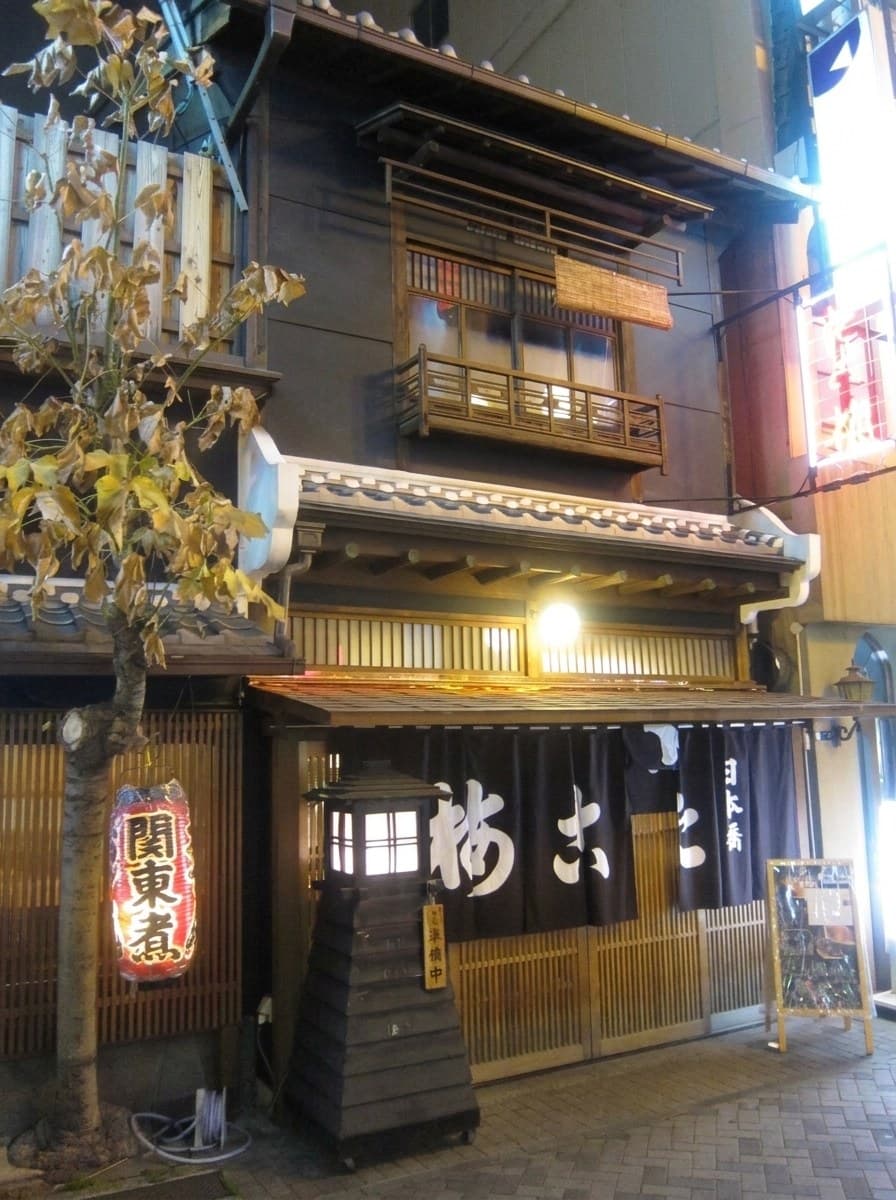
- Takoume, Osaka — Japan’s oldest oden house, founded in 1844, still describes itself as a jokan‑ya, a warm‑sake house, before anything else: oden one piece at a time between sips of sake warmed to just above body heat.
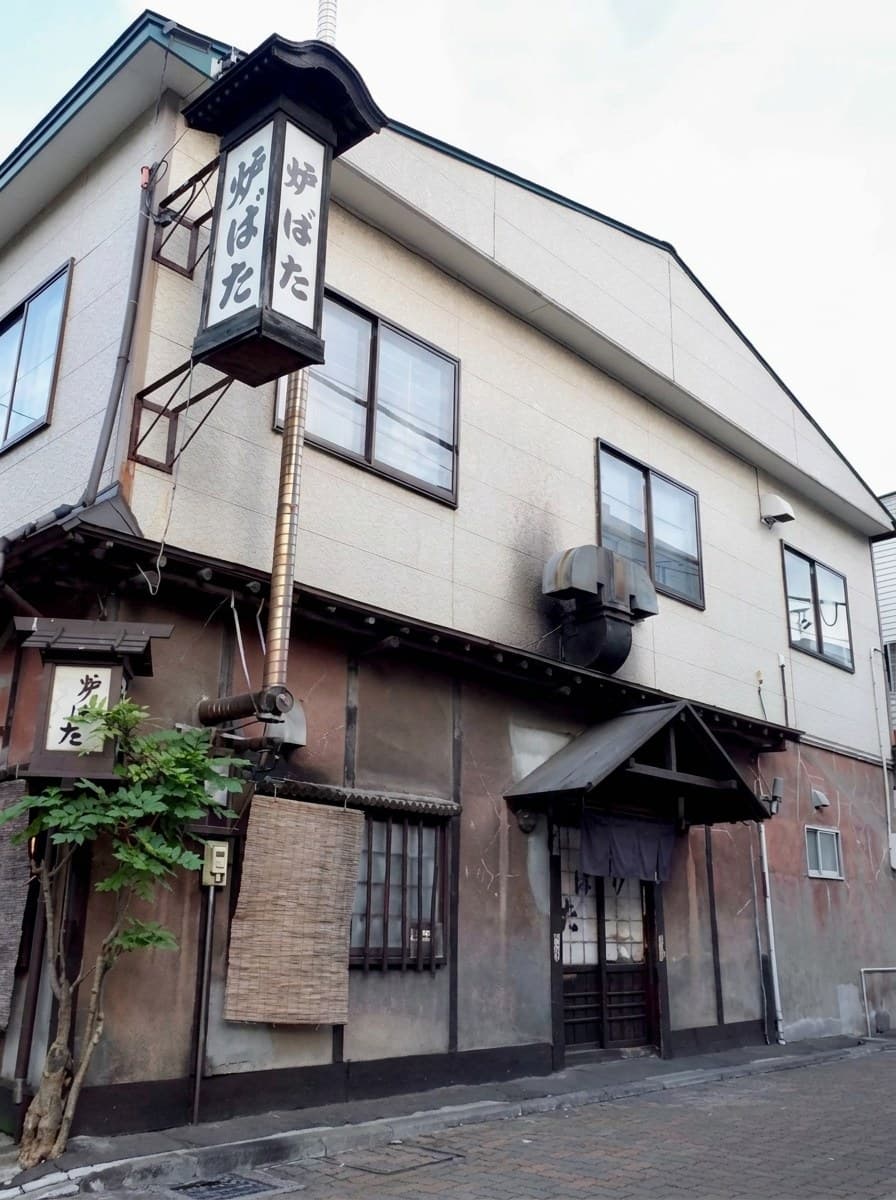
- Robata, Kushiro — the 1951 hearth where seafood robatayaki began, with kan‑zake from the local brewer Fukutsukasa ladled warm from the pot beside Rausu hokke.
- Edogawa Ishibashi, Tokyo — the proprietress is a certified sake sommelier, and keeps a rotation of bottles for the hour your eel takes to steam.
- Tonoya Yo, Tono — a farmer‑brewer’s one‑party‑a‑night auberge, built around his own doburoku, the unfiltered farmhouse sake that predates the clear kind. The book opens exactly two months ahead; we promise the attempt, not the seat.
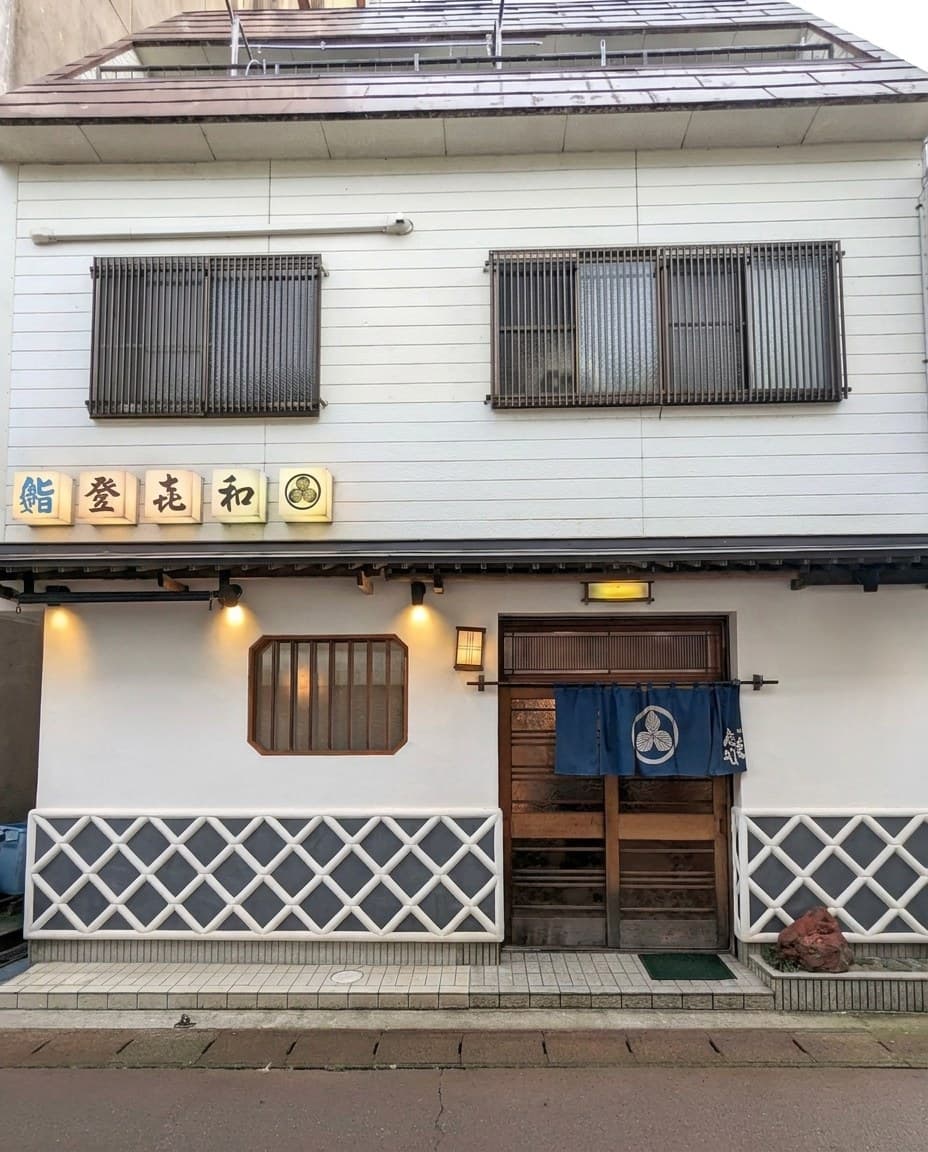
- Fujii, Toyama — in the Iwase port quarter, where the tram from the station rattles past sake breweries on the same street; the afternoon around your table is the tasting.
- Kogushiya, Shimonoseki — the fugu house where grilled fins go into hirezake, hot sake infused at the table.
Going deeper
Sake rewards travel: brewery tastings across Tohoku and Hokuriku, izakaya cellars, and the growing world of sake pairing at fine counters. Several of our journeys weave a brewery between the restaurant tables; one morning among the steaming rice and cedar tanks, and the wall of kanji becomes a list of friends.