Kobe is the only beef most of the world can name — which makes it Japan’s most misunderstood luxury. Kobe is not the summit of a pyramid; it is one flag among hundreds, and the traveler who learns to read the brand system eats far better, often for less.
Brand versus grade: two different systems
First, untangle the layers. The national grade — A5, A4 — scores yield and quality (marbling, color, texture) for every carcass in Japan; our wagyu grades guide decodes it. Brands are regional certifications stacked on top: bloodline, birthplace, feeding rules, minimum grades. A brand tells you pedigree and protocol; the grade tells you this animal’s scorecard. You need both — and then a good cook.
The big three
- Kobe (Hyogo) — the export legend: Tajima‑strain Japanese Black, born and raised in Hyogo, passing strict marbling minimums. Genuinely superb, and genuinely a small fraction of wagyu — scarcity is half the price. Eaten best as teppanyaki in its home city — Misono in Sannomiya, where the teppanyaki form itself was pioneered, is the classic address; our Kobe beef guide goes deeper.
- Matsusaka (Mie) — the fat‑worshipper’s brand: virgin female cattle fattened with legendary patience, prized for fat that melts below body temperature. Its throne room is sukiyaki.
- Omi (Shiga) — the oldest brand, four centuries of history around Lake Biwa, once presented to shoguns as “medicine.” Balanced, deep, comparatively undervalued.
The honest hierarchy (there isn’t one)
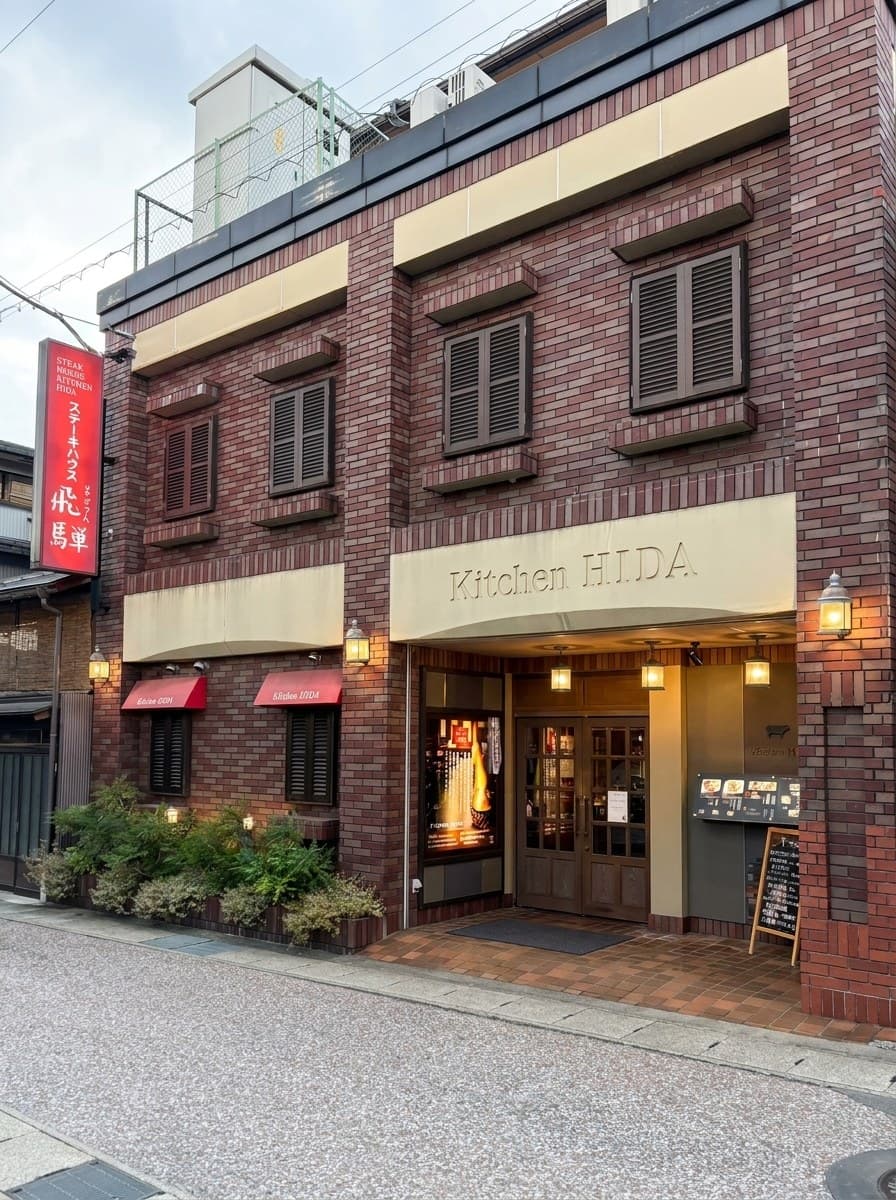
Blind tastings scramble these rankings routinely — and the field behind them is deep: Hida (eaten at Kitchen Hida in Takayama), Yonezawa, Miyazaki (serial champion of the national wagyu olympics), Saga, Ishigaki. The working rules:
- Region beats reputation: a brand in its home prefecture — whole animals, local cuts, local prices — beats the same name marked up in Tokyo.
- Cut and cook beat both: A5 marbling wants thin‑slice formats (sukiyaki, shabu‑shabu); steak often shines at A4 or leaner.
- Suspiciously cheap “Kobe” abroad almost never is. Certification is traceable; real houses display it.
Eating the map
The brand system is a travel itinerary in disguise: teppanyaki in Kobe, Matsusaka sukiyaki in Mie, Omi beside the lake, Hida in the mountains — each a specialist house buying whole animals. Around the capital, the gyunabe houses — Ohta Nawanoren in Yokohama, simmering beef in miso since 1868 — serve the dish that started Japan’s beef century. Pair any of them with the region’s sake, and if you want the beef pilgrimage built properly — farm towns, brand houses, the counters between — that is our work.