For its size, few cities in Japan eat as well as Kanazawa — an intact Edo capital 2.5 hours from Tokyo by shinkansen, built around a 300-year‑old market, its own refined court cuisine, and some of the best sushi on the Sea of Japan. Better still, most of it is genuinely bookable. Here is where to eat.
Omicho Market — start here
The Omicho Market is 300 years old, 170-odd stalls, and the city’s larder. Breakfast is a kaisendon — a bowl stacked with the morning’s catch — eaten standing or at a counter inside the arcade. Note the rhythms: many stalls rest on Wednesdays and wind down mid‑afternoon, so come early.
Kaga kaiseki — the refined local table
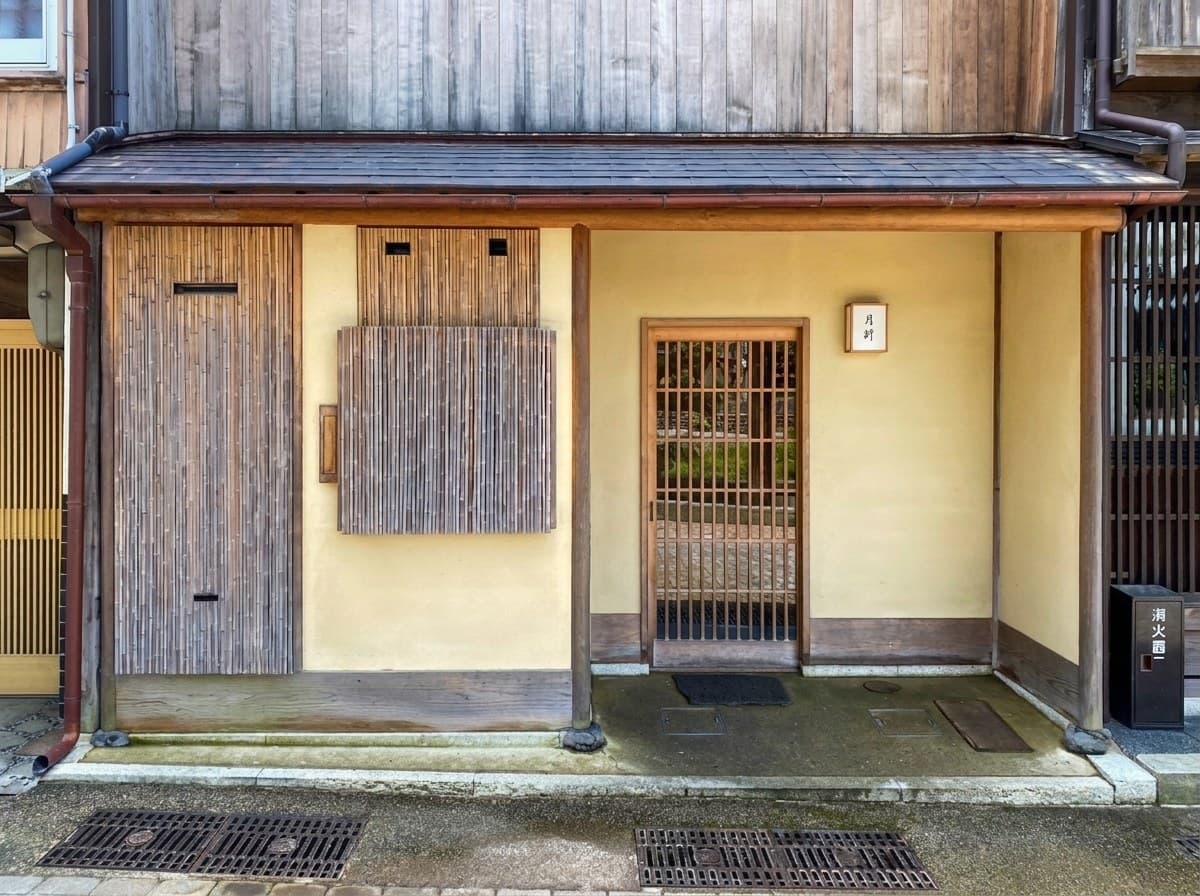
Kanazawa’s court cuisine, Kaga ryori, is the refined kaiseki of the old Maeda domain, plated on the region’s own Kutani porcelain and Wajima lacquer. At the very top sits Kataori, ranked the No.1 restaurant in Japan by OAD in 2025 — eight seats by the Asano River, a master who drives hundreds of kilometers a day for his ingredients, and a table that goes mostly to regulars and introductions; the few public seats surface on OMAKASE and Pocket Concierge without notice and vanish in seconds. It is the one seat here that takes real patience — the full booking mechanics are in our Kataori guide.
Sushi and the sea
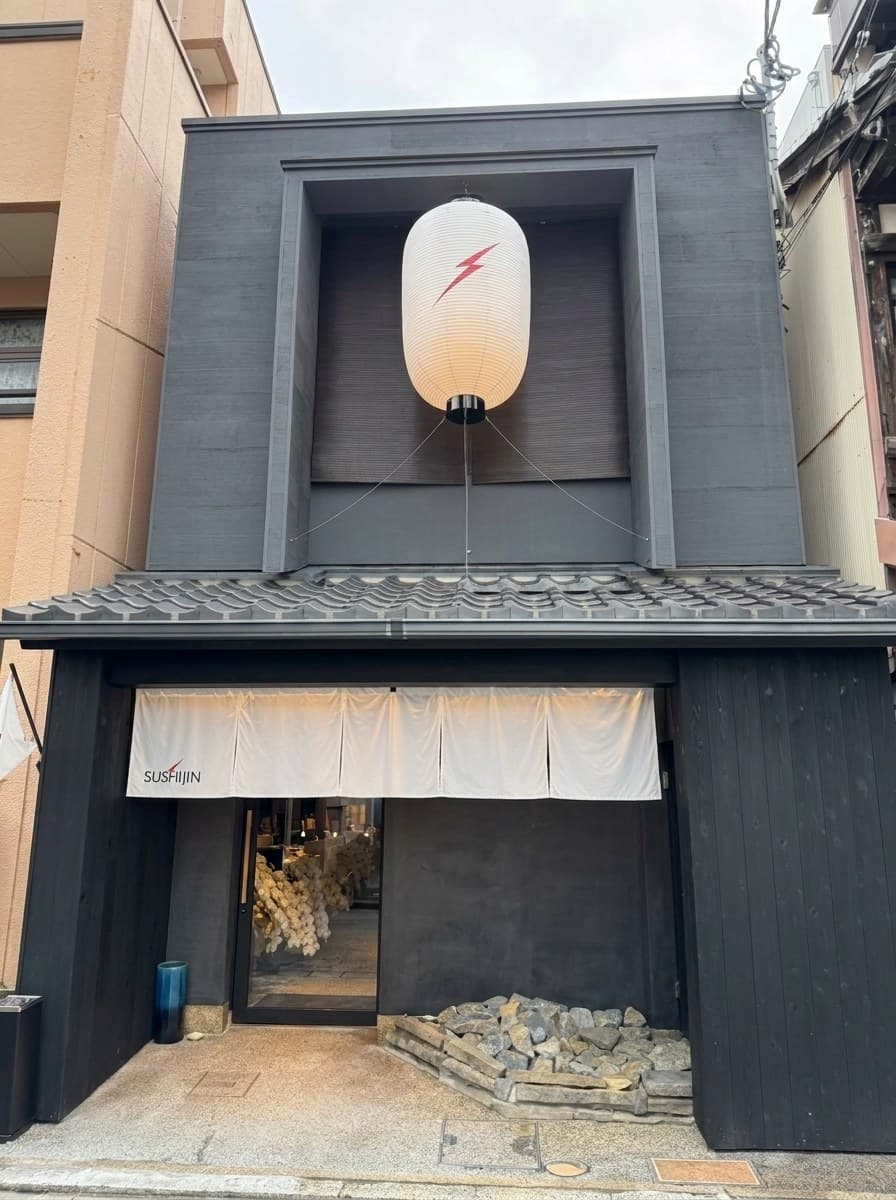
The cold Sea of Japan gives Kanazawa exceptional sushi, and — unlike the top counters in Tokyo — several of the city’s excellent rooms take online reservations in English; Daikumachi Sushijin Hanare is an eight‑seat example of how high the bookable tier reaches. The legend, though, works by telephone: Komatsu Yasuke, the daytime‑only counter of Kazuo Morita — a master in his mid‑nineties whose famously soft, loosely pressed nigiri inverts Tokyo orthodoxy. Seatings run at 11:30, 13:00 and 14:30, closed Wednesdays and Thursdays, and on the 1st of each month (14:30–18:00; the next open day if the 1st is a Wednesday or Thursday) the phone line opens the month three ahead, which empties almost at once — our Komatsu Yasuke guide explains how the call actually works, and why the master’s presence is grace rather than contract.
Between the platform scramble and the three‑month phone call sits the practical middle. Sushi Mitsukawa is at the end of a maze of lanes behind the Higashi Chaya district, in a converted townhouse where eight stools face a counter cut from a 200-year‑old hinoki. The fish comes from Omicho Market each morning, direct from Nanao port on the Noto peninsula, and via Tsukiji; the house’s year‑round signature is a nodoguro hand roll. Lunch is a nigiri course at ¥8,800 or the omakase at ¥16,500, dinner the omakase at ¥19,800, tax included, and you name the course when you book. The rules are short and useful: phone in Japanese or the house’s web form, opening one month ahead and closing three business days before — no distant release day to set an alarm for. Closed Wednesdays; children from 11.
Winter is the moment: the Sea of Japan snow‑crab fishery opens on November 6, and from then to roughly March the male kano‑gani — Kanazawa’s own brand tag — defines the counters, while the roe‑packed female kobako‑gani is legal only until late December, the shortest and most beloved window of the year. Mitsukawa serves both in sushi form: a kobako‑gani chirashi from 7 November to 31 December and a kano‑gani hand roll from 8 December to 20 March, with crab‑supplemented omakase courses (¥22,000 at lunch, ¥27,500 at dinner) through the season. Our crab season guide sorts the names and dates. For an hour‑by‑hour plan that weaves the sushi, the gardens, and the crafts together, see our 48 hours in Kanazawa.
French on the hill
Not every top kitchen in Kanazawa is Japanese. Makinonchi — Kanazawa dialect for “Makino’s place” — is a converted house on the Utatsuyama hillside above the Higashi Chaya district, where Hirokazu Makino moved in July 2020 after running French Restaurant Makino from 2007. Nine stools ring a U‑shaped counter around a charcoal grill, with one private room upstairs for thirteen places in all, and the omakase of around fourteen courses is French in grammar and Hokuriku in substance: fish from Noto fishermen, game from local hunters, fish the chef catches himself, and a cellar that leans to Burgundy. The Michelin Guide Hokuriku 2021 gave it two stars within a year of opening. The counter course is ¥30,000 or ¥40,000 depending on the evening’s menu, plus 10% service. Prices are indicative, as listed on TableCheck and Tabelog (September 2026).
It is also among the most bookable top tables in the city: TableCheck, Ikyu and Hitosara all carry it, a guest in August 2025 booked three weeks out, and everyone starts together at 18:00 (doors 17:30–17:50), closed Sundays. Two rules are firm — anyone wearing perfume is turned away at the door, and the kitchen does not cook seafood‑free, gluten‑free, vegan or dairy‑free versions, so raise allergies when you book, not on the night. It is about ten minutes by taxi from Kanazawa Station.
Kanazawa oden — the casual classic
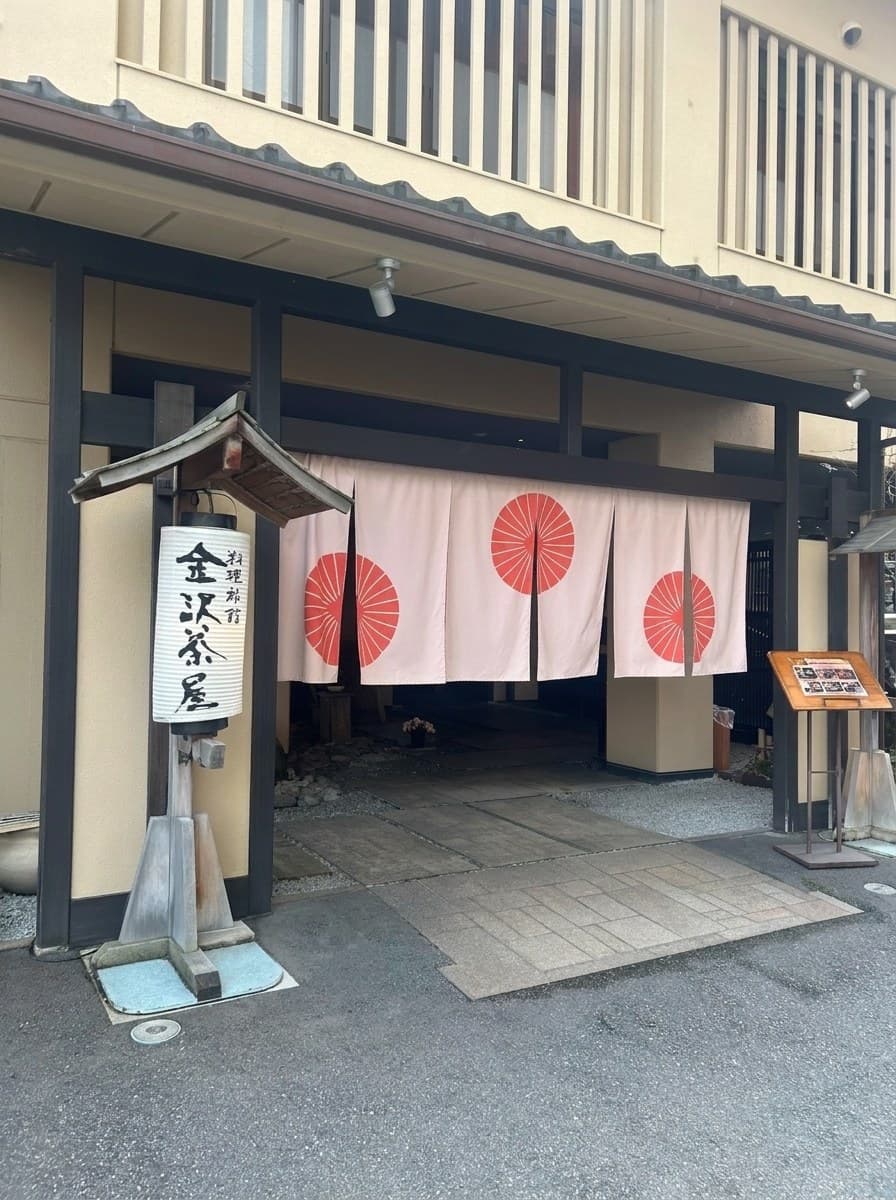
The city keeps its own oden: a pale, soy‑free broth of kelp and dried sardine, seasoned by restraint rather than color, with crab packed in its shell in winter. Kanazawa Oden Akadama in the Katamachi quarter has served it since 1927. Evening tables (from 16:00) can be booked online or by phone, lunch is walk‑in, and in the cold season expect a queue — consider it the easy, warming bookend to a bigger meal. Cash only.
Getting there, realistically
Tokyo to Kanazawa is one shinkansen, about 2.5 hours; Osaka is roughly 2.3 hours. Only the very top counters are hard — Kataori and Komatsu Yasuke above all, each for a different reason: one an eight‑seat scramble on OMAKASE and Pocket Concierge, the other a Japanese‑language phone call placed three months out. A few weeks’ planning covers Makinonchi; Mitsukawa needs only a call or a web form a month before. Tell us your dates and which meal matters most, and we handle the seat that needs it.