Every food traveler does Tokyo, Kyoto, Osaka. Almost none go north — which is why the north still has what the golden route has lost: one‑party inns you book by phone, harvest cuisine served where it grows, and restaurants that anchor whole towns. Tohoku asks more planning than anywhere in Japan (this is exactly what our desk is for), and it repays every hour.
Leg 1 — Tōno: the fermentation pilgrimage
Shinkansen to Shin‑Hanamaki, then a one‑car local line into the hills: Tōno, the folktale town, home of Tonoya Yo (see our profile) — one party a night in a 200-year‑old rice storehouse, where Yotaro Sasaki farms the rice, brews the doburoku poured at Mugaritz, and cooks what he calls “eating time itself.” Seats open two months out and vanish; this booking is the trip’s keystone, so we place it first and build everything else around the date.
Leg 2 — Kesennuma: the port that won it all
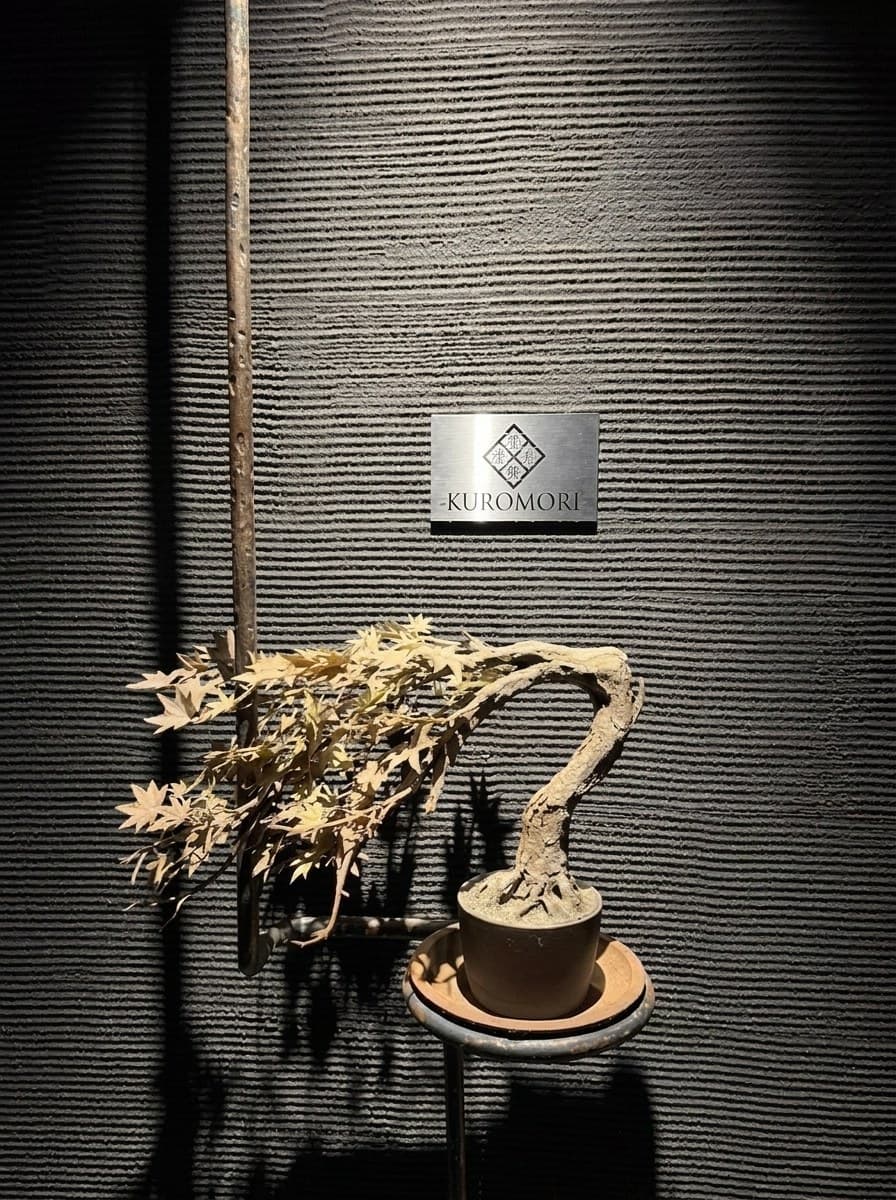
Two hours east, the shark capital of Japan — and since 2026, home of the Destination Restaurant of the Year: KUROMORI (see our profile), eight seats of shark‑fin cuisine above a harbor whose dawn fish market led the nation in fresh bonito landings for 28 straight years, until a poor 2025 season broke the run. Add oyster rafts in Karakuwa (October–May) and the tsunami memorial at the old high school — dinner here comes with its town’s whole story.
Leg 3 — Shonai: the UNESCO food city
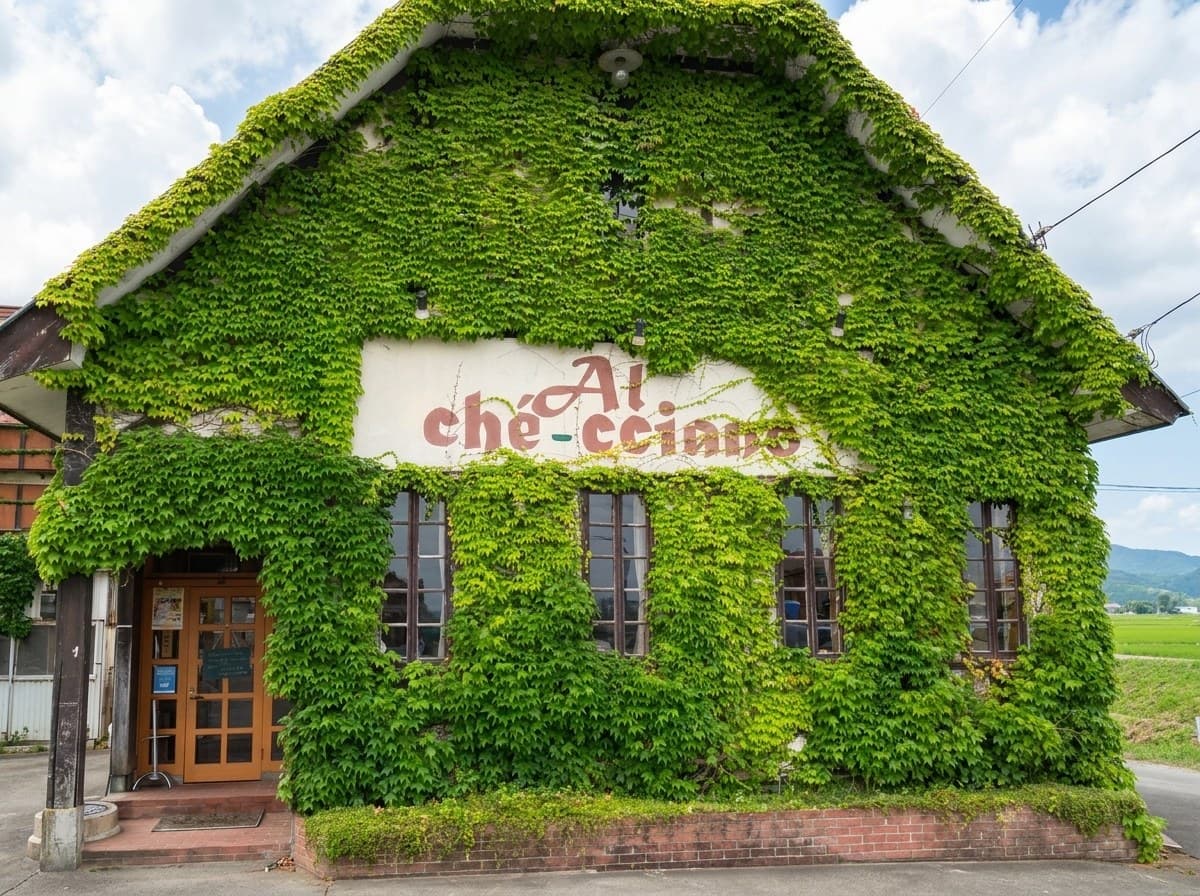
Cross to the Sea of Japan side (the elegant route: back through Tokyo and a one‑hour flight to Shonai). Base two nights at Suiden Terrasse, Shigeru Ban’s wooden hotel floating in rice paddies. From there: dinner at Al Ché‑cciano (see our profile), where Masayuki Okuda built Italian cuisine on sixty heirloom vegetables — full‑moon nights are lit by the moon itself — and a day on Mt. Haguro: 2,446 stone steps, a National Treasure pagoda, and shōjin pilgrim cuisine at the Saikan lodge, booked ahead, where mountain vegetables are cooked as an act of devotion.
When to go
Two seasons, two trips: autumn (September–November) for harvest, matsutake, returning bonito and golden paddies; deep winter for snow‑country doburoku, cod pots, and oysters — colder, harder, more unforgettable. Summer works too, and crowds are rarely a problem up here.
Getting there, realistically
Tohoku’s inland‑to‑coast trains are slow and sparse; the Tōno and Shonai legs don’t connect overland in a sane day. The professional answer is the one above — treat them as two spokes from Tokyo — plus a car and driver on the coast. Tonoya Yo books only by phone in Japanese; KUROMORI books online through OMAKASE, which has an English page, and Al Ché‑cciano is on OpenTable. Our desk can make the Japanese calls and fit the dates together.