The most useful thing to know about sushi is that it is preserved food that forgot it was preserved. Every stage of its thousand‑year history is a step away from fermentation and toward speed — and each stage still exists somewhere in Japan, waiting to be eaten.
Stage one: fish as preservation (700s–1600s)
Sushi begins as narezushi: fish salted, packed in cooked rice, and left to lacto‑ferment for months — the rice discarded, the fish eaten. The technique arrived from continental Asia over a millennium ago as a way to keep protein without ice. Its living fossil is funazushi of Lake Biwa in Shiga — funky, sour, magnificent with sake, and closer to aged cheese than to anything at a Tokyo counter.
Stage two: vinegar’s shortcut (1600s–1800s)
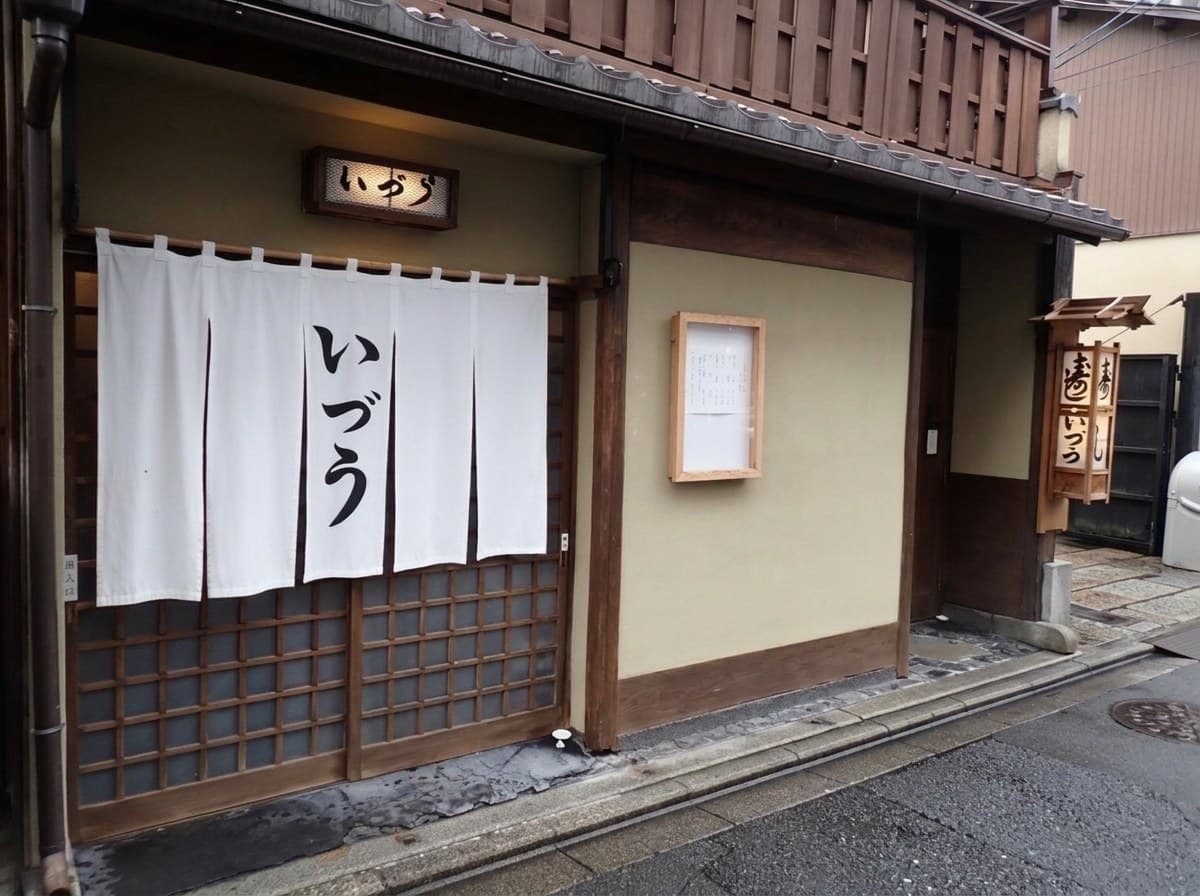
As vinegar became cheaper and easier to buy in the Edo period, cooks realized fermentation’s sourness could be faked instantly: season the rice with vinegar, skip the wait. From this came haya‑zushi (“fast sushi”) and the pressed box forms — hako‑zushi in Osaka, the elegant saba and hamo sushi of Kyoto — which the Kansai region never abandoned.
Stage three: Edo invents fast food (1820s)
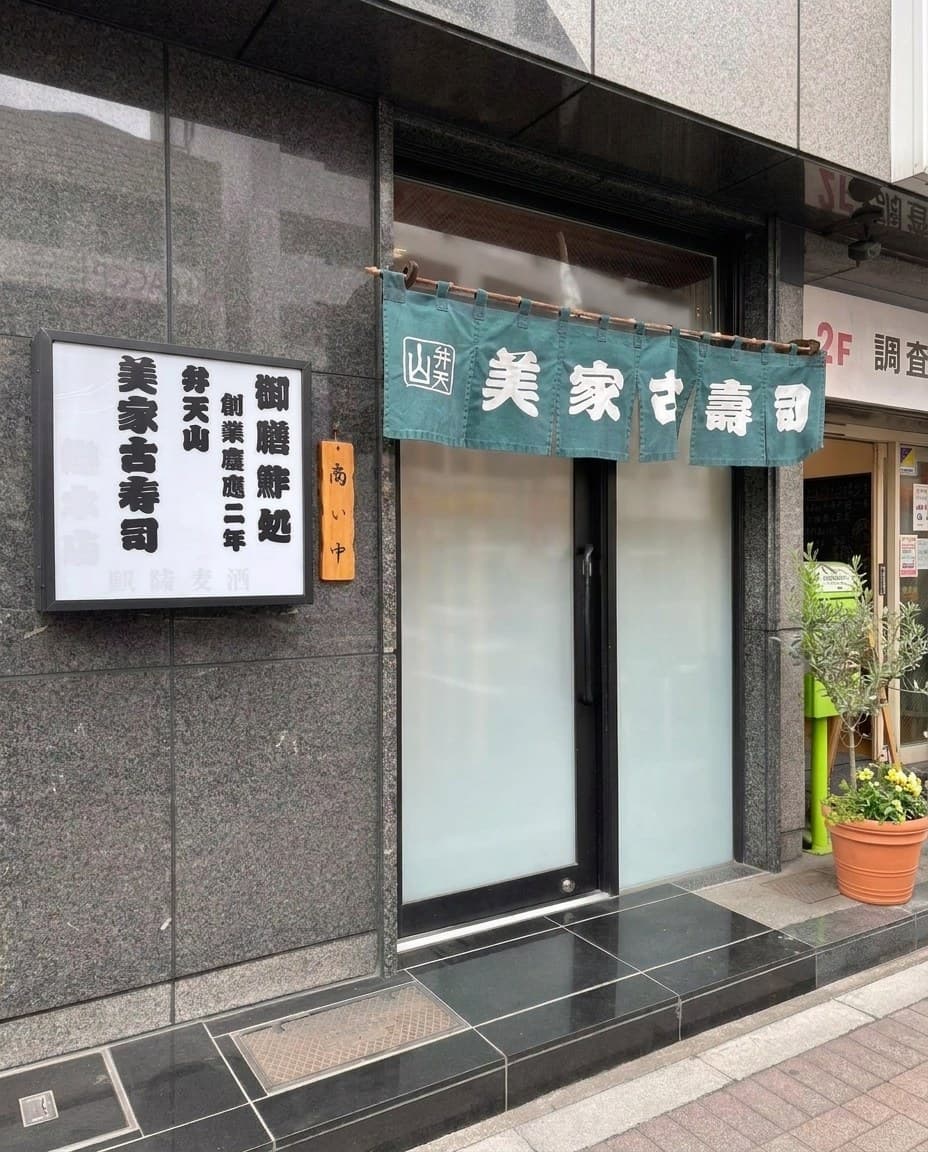
In the 1820s, credited to the stall‑keeper Hanaya Yohei, sushi made its decisive leap: fresh fish pressed by hand onto vinegared rice and eaten on the spot — nigiri, born as street food for the world’s largest city, pieces twice today’s size, eaten standing in seconds. This is the Edo fast‑food revolution in miniature: hunger, density and showmanship producing a national cuisine.
Because Edo Bay fish had to survive the day without ice, everything got worked: cured, marinated, simmered, vinegared — the shigoto (jobs) that still define Tokyo style. What Edomae shigoto means tells that story in full; the lineage family tree traces the craftsmen who carried it.
Stage four: the counter and the omakase (1900s–now)
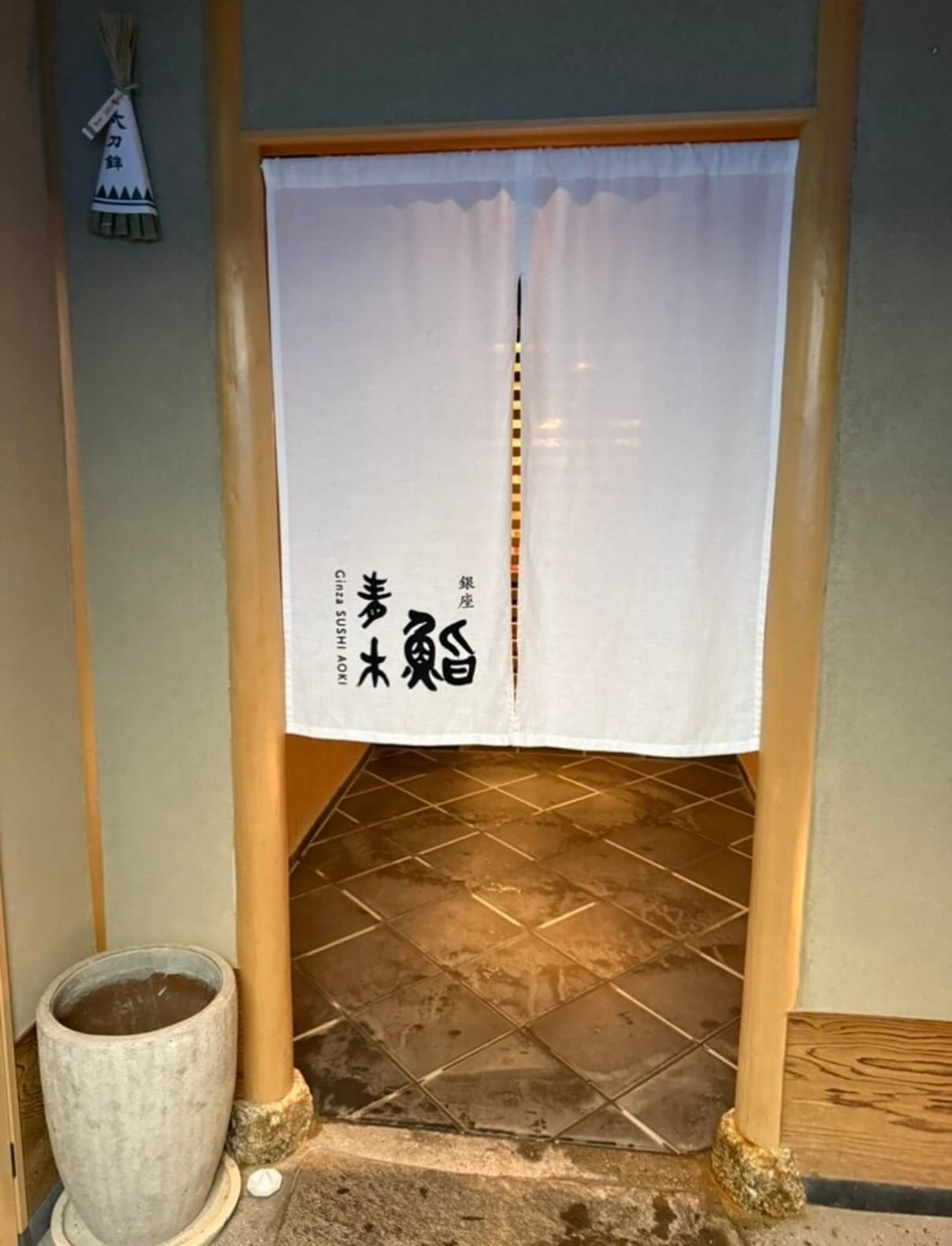
Postwar hygiene rules killed the street stalls and moved sushi indoors, making the intimate counter — the chef at conversational range — the standard way to eat it. Refrigeration made raw fish safe and let tuna — once a lowly fish, its lean meat soaked in soy to survive and its fatty belly often thrown away — become the crown. Prosperity, the great Ginza houses like Kyubey, and finally the omakase format completed the climb: from snack to ceremony, priced accordingly, inside two generations.
Eating the timeline
The eras never died; they moved addresses. Funazushi in Shiga; pressed sushi in Osaka and Kyoto’s old houses; Edomae’s oldest continuous lineages in Asakusa; the modern summit in Ginza and beyond. Eating your way down that timeline is one of the great food journeys in Japan — and building it, seat by seat, is what we do.