The restaurants that dominate every Tokyo list cannot be booked by you. The twenty‑seat sushi counters, the trophy kaiseki rooms — most have gone introduction‑only, seating regulars who rebook on their way out the door, and no amount of persistence changes that arithmetic. We have written elsewhere about why those doors stay shut. The more useful question is what a visitor can genuinely reserve — and the answer turns out to be the better meal. Tokyo’s deepest eating is not at the counters with waiting lists. It is in the specialist houses that have served one dish for a century or more, that keep real reservation books, and that the English internet has almost entirely overlooked.
The one‑dish houses
The organising idea of old Tokyo dining is narrowness. A house picks a single thing and refuses, for generations, to add a second.
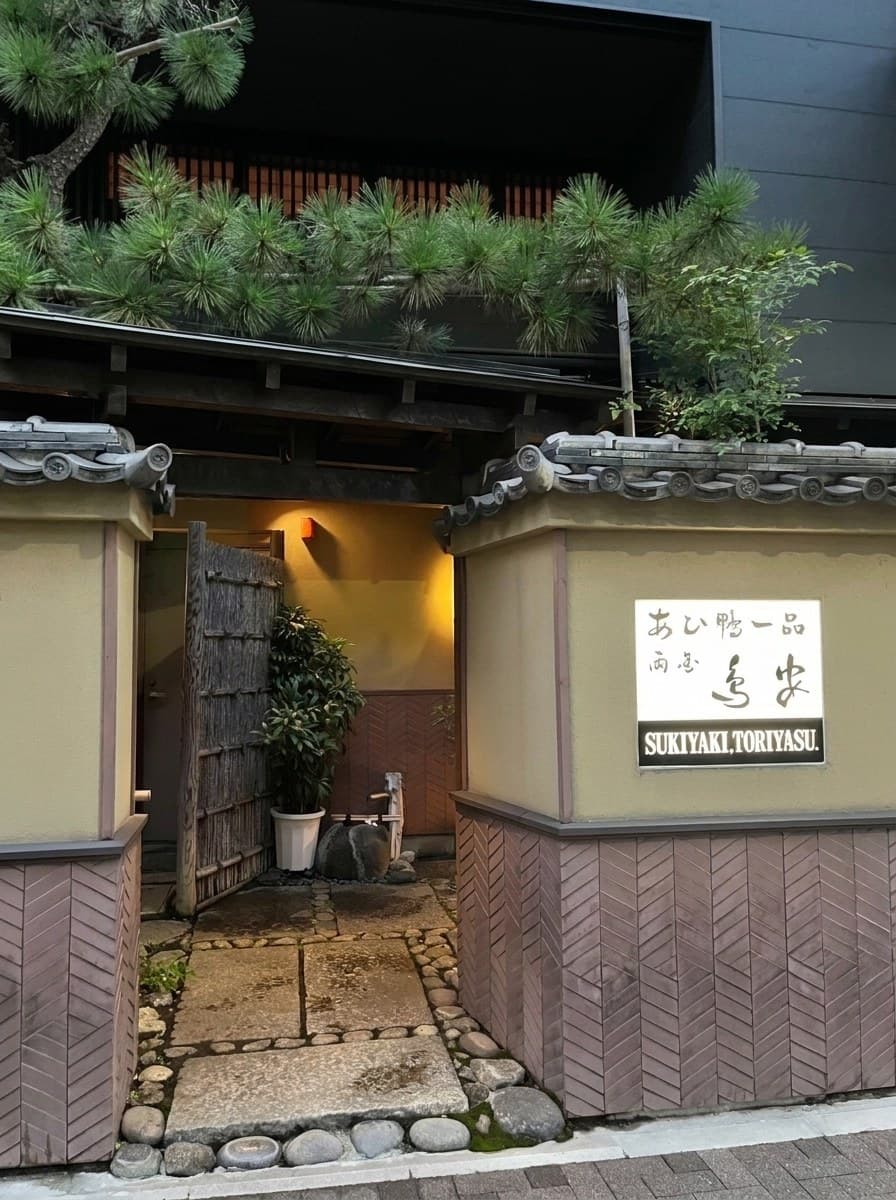
Aigamo Ippin Toriyasu has served exactly one course since 1872: duck seared on an iron pan over charcoal, eaten with grated daikon rather than sweet sauce, cooked and portioned at your table by kimono‑clad attendants. The finale is rice fried in the pan’s drippings. It is dinner only, weekdays only, about ¥18,000 with tax and service, and the whole house is small private rooms — held ahead by phone in Japanese or on Tabelog and Ikyu, which carry a limited share of the rooms, with December the first month to vanish.
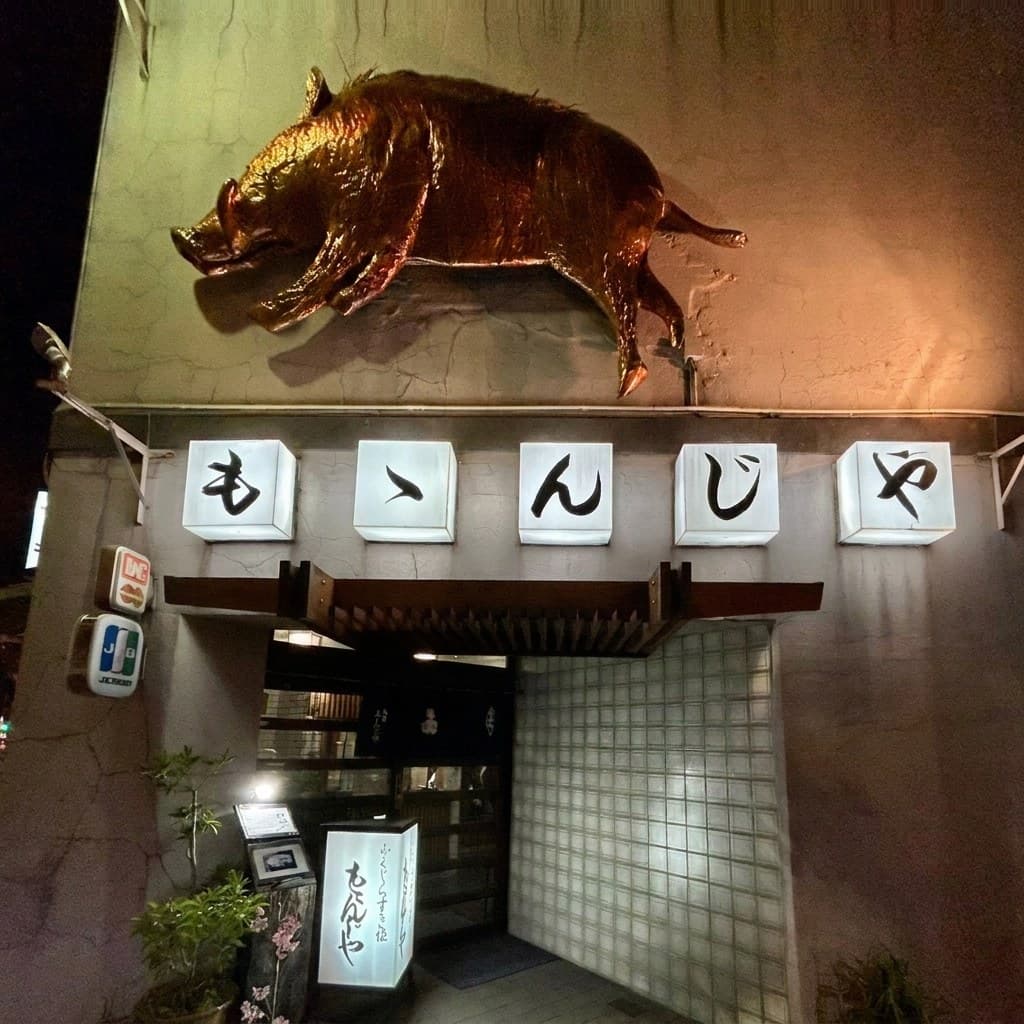
Momonjiya, a minute from Ryogoku station, has simmered wild boar in miso since 1718. A boar still hangs outside the door in season. Three centuries of Tokyo custom mean it has never needed to look outward, and yet it is among the more straightforward tables here to secure, by phone or online through Ikyu and Hotpepper.
On one preserved corner of Kanda‑Sudacho, two survivors face each other. Botan has cooked chicken sukiyaki over live charcoal — never gas — since roughly 1897, in a tatami room of antique braziers. Its neighbour Isegen has served anglerfish since 1830 and is the last specialist of that fish left in the city. Book Isegen for winter, when the pot is at its deepest. Botan books through its own Japanese web form, Tabelog or the phone; Isegen takes parties of up to eight through Tabelog’s online form and larger groups by phone. At both, the cold months close early. The surrounding streets are worth an afternoon of their own, which our Nihonbashi and Kanda guide maps in full.
Asakusa, where the old houses actually are
Asakusa’s main approach to the temple is a tourist gauntlet. Forty metres off it, the real houses stand where they always have — the subject of our Asakusa food guide.
Bentenyama Miyakozushi has served classical Edomae sushi since 1866, in the lineage of the man credited with inventing nigiri. This is sushi as preservation — cured kohada, soy‑steeped tuna, simmered conger — rather than the raw‑and‑cold fashion, and the fifth master says so cheerfully. Sixteen seats, booked on Tabelog or by phone, courses from about ¥11,660, and a rare Sunday afternoon service. Tabelog listed it at 3.55 from 399 reviews as of August 2026. Arrive within thirty minutes of your time or the seat is gone.
Tempura Nakasei has fried in sesame oil since 1870 and hides a courtyard koi pond ringed by sukiya‑style private rooms. Its legend is the Raijin‑age, a dome of shiba shrimp and scallop whose technique passes to one heir per generation. The move is the garden room, taken as a course and booked ahead; the ordinary tables downstairs are walk‑in.
Dozeu Iidaya serves dojo, the freshwater loach that was Edo’s protein of the people, simmered in a sweet‑soy broth known to exactly one person per generation. A doorman still takes your shoes.
Near the station, and near the ground
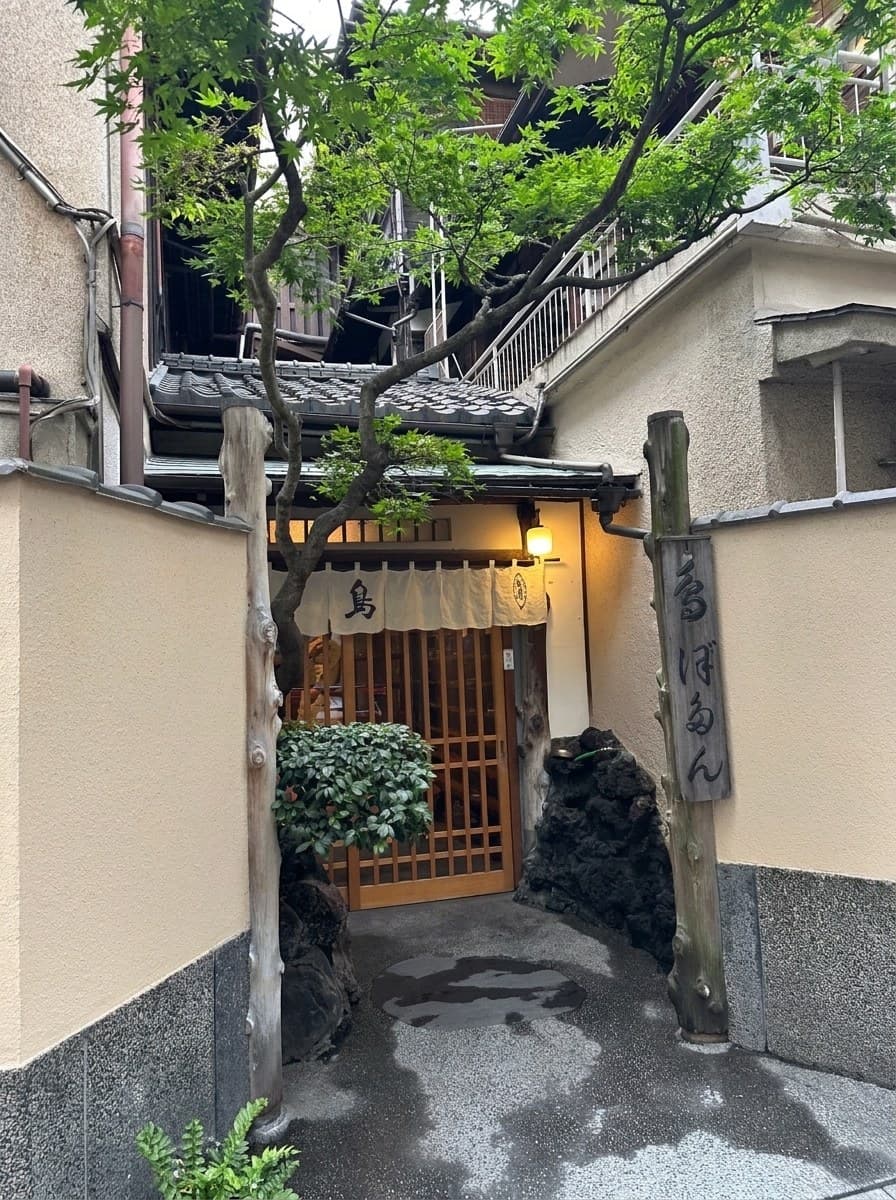
Isehiro Kyobashi is five minutes from Tokyo Station and all but invisible to the English internet. Since 1921 the Hoshino family has butchered whole hens each morning and served them as a twelve‑act progression, closing with a chicken broth. It takes its bookings by phone, in Japanese, and it has never had to be otherwise.
Muromachi Sunaba has stood in Nihonbashi since 1869 and gave Japan tenzaru — cold soba with hot dipping broth under a kakiage. The ground floor is first‑come at ¥2,200 for the signature dish. The upstairs tatami rooms, booked ahead by phone, serve the same kitchen’s soba kaiseki, and almost no visitor knows to ask.
The easiest door, and the most formal one
Hantei in Nezu occupies a 1917 three‑story wooden tower, now a registered cultural property, and is the gentlest entry point here: an online booking form, ¥6,600 dinners, skewers arriving six at a time until you say stop. What you are really reserving is the architecture.
At the other end, Fukudaya in Kioicho opened in 1939 under the direct guidance of Kitaoji Rosanjin, and sets its monthly kaiseki on the master’s own ceramics — the house owns more than two thousand of his works. It takes bookings online through Ikyu and Hitosara as well as by phone, which at this level of formality is unusual.
How these tables are actually taken
Almost none of this is closed to you on principle — the subject of our guide to whether foreigners can book at all. The obstacle is how the seats move. Most of these houses take bookings both by telephone, answered in Japanese, and on Japanese‑language booking sites; Isehiro, Dozeu Iidaya and Muromachi Sunaba’s upstairs rooms are phone only. Regulars take a good deal of each month, and the online calendars often hold only a share of the rooms — Toriyasu says plainly that the phone can find a room when the web shows full. Seats that free up reappear at no announced hour and are often gone the same day. That last part is what defeats most visitors — not a shut door, but one that opens without warning while you are asleep in another time zone.
Four to six weeks is comfortable lead time, including for the private rooms. Winter is the exception: the seasonal pots fill from November, so a December anglerfish evening wants two months. Midweek beats the weekend, consistently. Confirm what the room expects of you before you sit — our etiquette guide covers the rest — and note that several of these houses add a service charge of 10 to 20 percent, listed on each restaurant’s page.
If the counter you actually want is one of the closed ones, our Tokyo omakase reservation guide is honest about the odds. For the rest of the country, see the Osaka and nationwide editions of this list. Tell our reservation desk the night that matters. We make the calls for the houses in our collection, at ¥6,000 per seat, charged only if we secure the table.