The short answer is yes. Foreigners can book the overwhelming majority of restaurants in Japan, including many that feel sealed off from the outside. The idea of a country‑wide “no foreigners” wall is a myth — and believing it keeps travelers from tables that would happily have them. What is true is that certain doors are genuinely hard to open. Understanding why is the difference between being turned away and being welcomed.
The myth, stated plainly
The story that spreads online — that Japanese restaurants refuse guests because they are not Japanese — is not an accurate description of what happens. Outright refusal by nationality is uncommon, and it is becoming rarer. Japanese courts have treated barring customers on the basis of race or nationality as unlawful discrimination; a widely cited 1999 case in Shizuoka ordered a business to pay damages for turning away foreign customers. Blanket exclusion by passport is not standard practice, and it is not the reason most travelers struggle to book.
That distinction matters, because the myth and the reality call for completely different responses. If the barrier were nationality, there would be nothing to do. Because the real barriers are language, introduction, and trust, there is a great deal you can do.
The real barriers
Language. This is the single largest one. Many of the finest small restaurants take reservations only by telephone, only in Japanese, and only from a specific date each month. In surveys of Japanese restaurateurs who hesitate to seat non‑Japanese‑speaking guests, the reason cited far more than any other is the language barrier itself — the worry that they cannot explain a dish, take an allergy note, or read the room in a shared language. A chef who has spent decades on a tasting menu wants every course understood. Without bilingual staff, that is a real operational problem, not a prejudice. The door here is linguistic, and it opens the moment someone Japanese‑speaking stands on your side of it.
Ichigensan okotowari — introduction‑only houses. In parts of Kyoto especially, some long‑established ryotei and teahouses observe a custom called ichigensan okotowari (一見さんお断り) — literally, no first‑time guest without an introduction. Historically these houses never presented a bill on the night; payment was settled later, on trust, so they served only guests vouched for by an existing patron. It is a system built on relationships and quiet accountability. Crucially, it applies to unknown Japanese guests exactly as it applies to visitors from abroad. It is not about where you are from. It is about whether the house knows who is coming.
A history of no‑shows. A missed reservation costs these kitchens more than an empty seat. Edomae sushi counters, for instance, begin curing and aging ingredients days before a booking, buying to the exact number of guests. A no‑show is spoiled product and a lost evening. Because an unverified booking from overseas is harder to hold accountable — a phone number in another country, no prior relationship — a cautious house may simply decline rather than risk it. Again, the hesitation is about certainty, not nationality.
Small counters that fill with regulars. Many revered rooms seat eight or ten. When the same guests return monthly and the chef guards a few seats for them, there is little left to give a stranger — of any origin. Scarcity, not exclusion, closes the book.
Notice what these four have in common. Each is a question of language or trust, and each has an answer.
The three routes in
A Japanese‑speaking concierge or intermediary. This is the most reliable way into the hardest houses. Someone who calls in Japanese, on the right day, and can vouch for you, note your allergies and confirm you will honor the booking removes most of the barriers above at once. It is how many overseas guests reach counters they assumed were closed to them, and, for the houses in our collection, it is the work our reservation desk exists to do. The one thing no intermediary can promise is an introduction to a house that seats only its own patrons’ guests.
Luxury hotel guest‑relations desks. If you are staying somewhere with a strong concierge team, use them. Established hotels hold relationships with restaurants built over years, and a booking made under a trusted hotel’s name carries weight. Their reach is widest among restaurants accustomed to international guests, and narrower at the most private houses — but for a very good dinner it is often enough, and it costs you only the asking.
Platforms and patron networks. A growing number of restaurants — including some serious ones — now accept reservations through booking platforms, some with English interfaces. This route is the most convenient and the least personal; it works well for the many excellent places that want to be found, and not at all for those that stay off every listing by design. Where a personal introduction is genuinely required, no platform can supply it.
What to expect once you are in
Assume nothing needs proving beyond good manners. Arrive on time — a counter’s rhythm depends on it. Tell them of allergies in advance, not at the table. Do not photograph other guests. Cancel as early as you can if plans change, because that empty seat was prepared for you specifically. These are the courtesies that made trust necessary in the first place, and honoring them is how a first visit becomes a standing welcome.
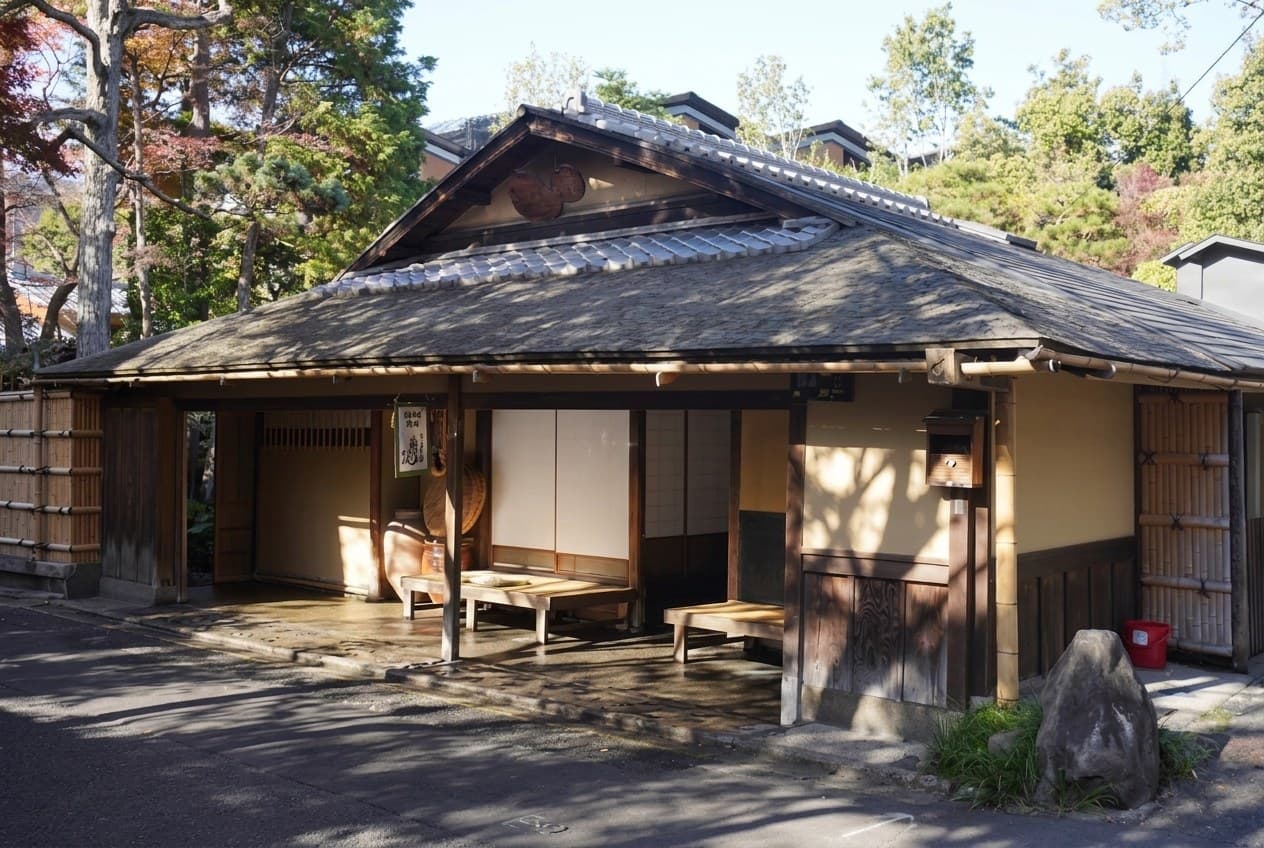
Some of Japan’s most storied rooms sit behind exactly these customs — but not all of them. Hyotei in Kyoto has served guests for some four centuries near the gate of Nanzen‑ji, and it now takes reservations online through TableCheck as well as by phone in Japanese, two guests minimum, with no introduction required. Age alone does not close a door.
So: can foreigners book restaurants in Japan? Yes. The honest caveat is that the best of them ask for language, trust, and a little vouching first — not for your nationality. Bring the first three, and Japan’s tables are far more open than the internet would have you believe.