Every visitor comes to Asakusa for the temple. The reason to stay for dinner is that Asakusa is where Edo still eats — the shitamachi (old town) district where Tokyo’s nineteenth‑century food culture survives not as museum pieces but as working restaurants, many in the same families for over a century.
The old houses
The district’s depth is in its addresses:
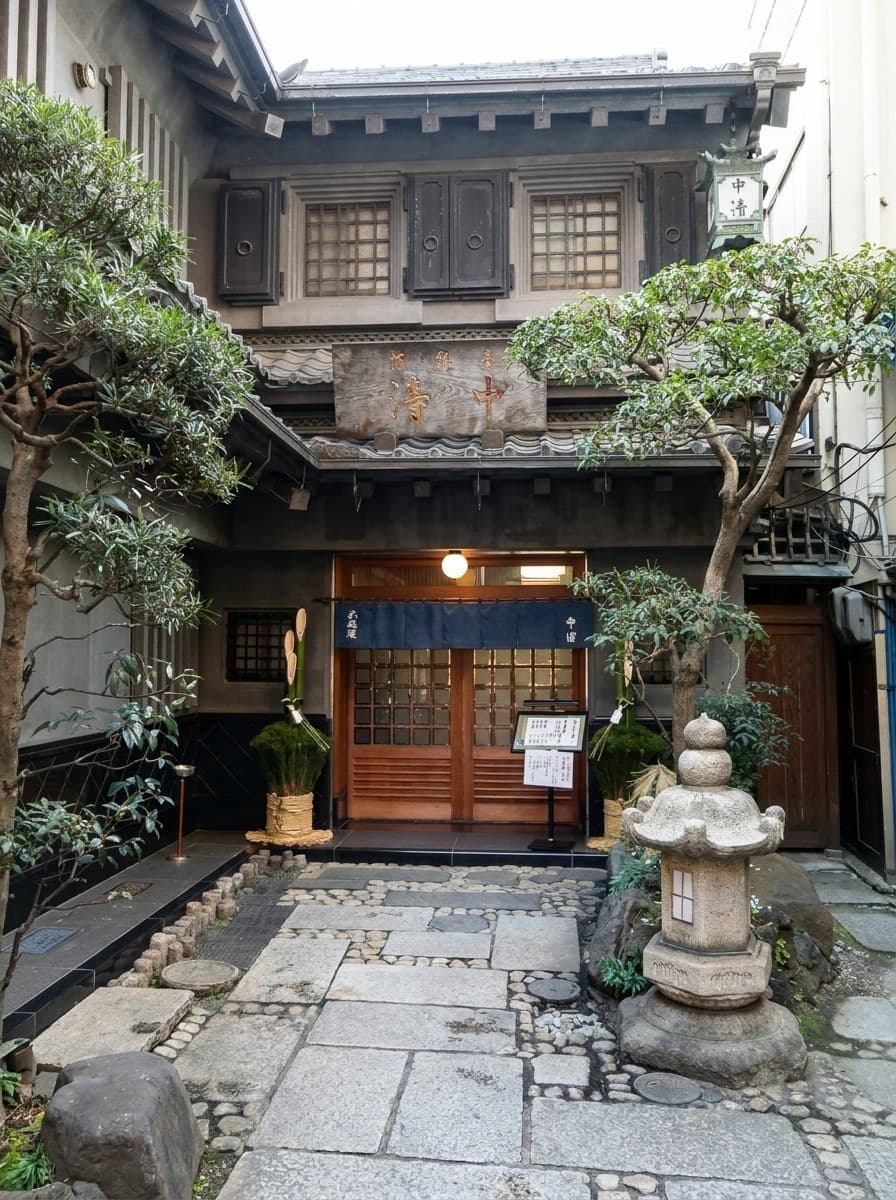
- Tempura Nakasei — frying since 1870 in the dark sesame‑oil style that is old‑Tokyo tempura, richer and more fragrant than the pale Ginza school.
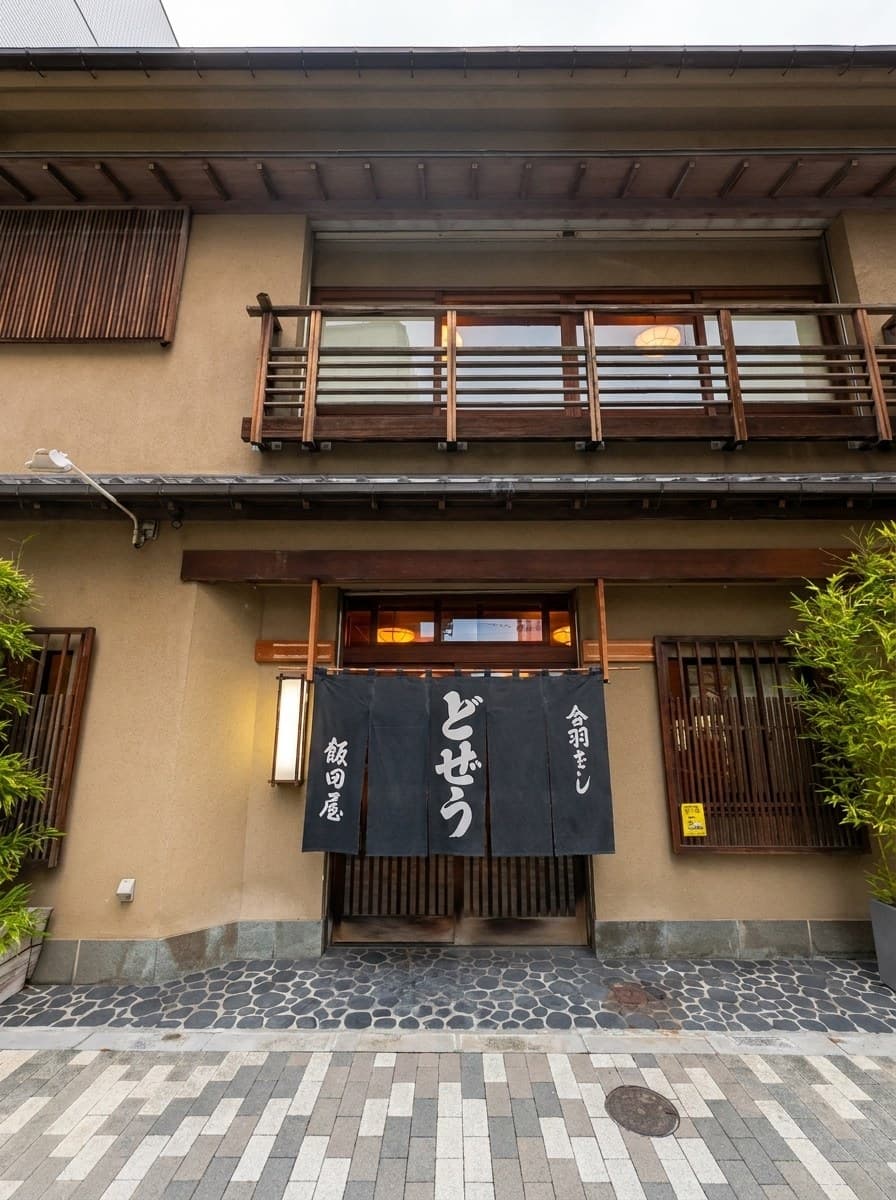
- Dozeu Iidaya — the dojo (loach) hotpot specialist: tiny river fish under a blizzard of scallions, an Edo working‑class delicacy that only a handful of specialist houses still serve.
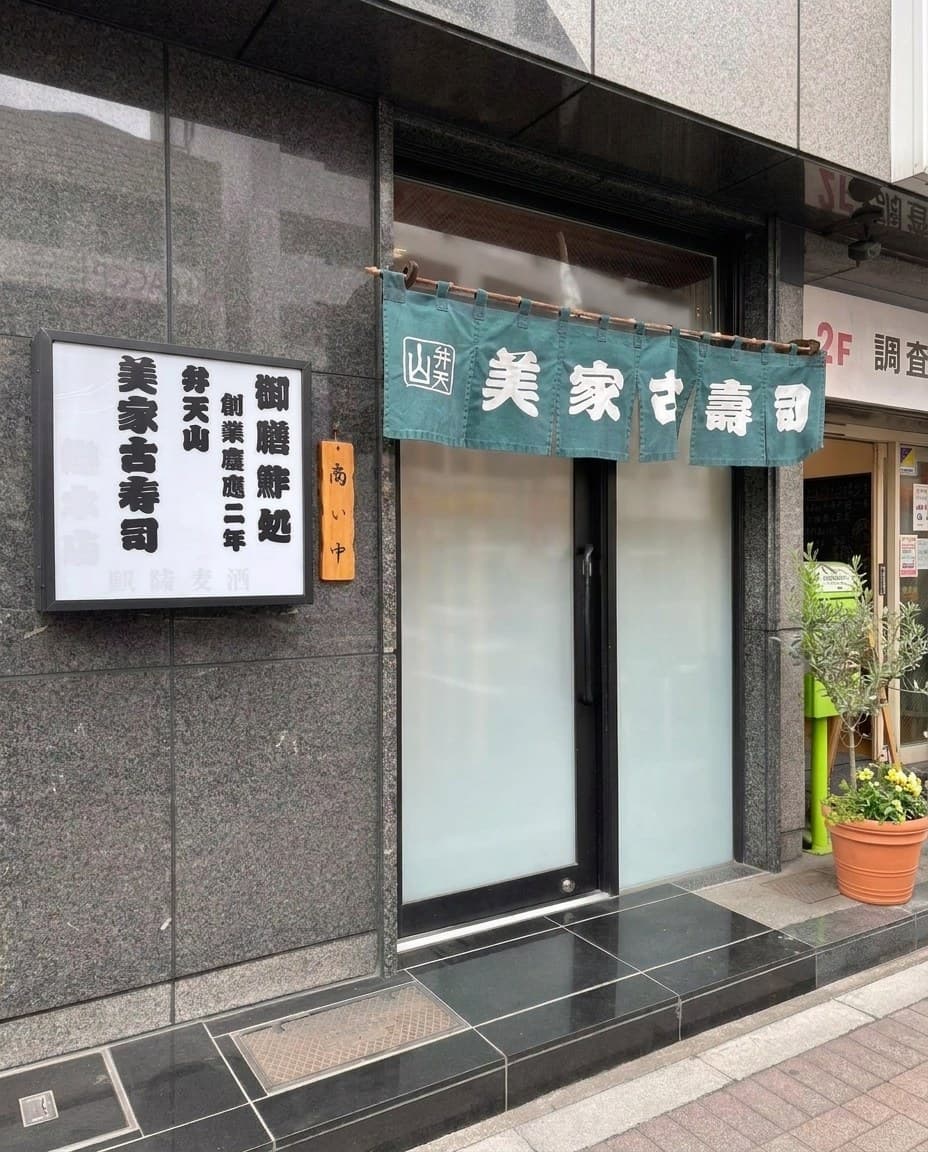
- Bentenyama Miyakozushi — one of Edomae sushi’s oldest continuous lineages, founded in 1866 and older than nearly every counter still open in our sushi family tree.
- Miuraya — the Kannon‑ura fugu house, where fugu ordered dish by dish, the Edo way, is the district’s great winter meal (the house closes each summer) — see our fugu guide.
Around them: sukiyaki parlors, momonji houses serving wild boar a river away in Ryogoku, and the unagi rooms of the old canal streets.
How to do the temple day
Eat once on Nakamise — a fresh ningyo‑yaki cake or grilled senbei, walking food is part of the form — then leave the axis. The serious eating sits on the quieter streets — the lanes around Nakasei and Bentenyama, and Kannon‑ura behind Senso‑ji — where the century houses serve a mostly local room at prices their history does not prepare you for: several of Tokyo’s most storied meals under ¥10,000 live here (as of August 2026). This is the shitamachi pattern our Tokyo neighborhoods guide maps city‑wide.
Why Asakusa tastes different
Asakusa was Edo’s great entertainment district — theater, temple crowds, and the fast food invented to feed them. Tempura, sushi and unagi all grew up as street food in districts like this before they became cuisines, a story we tell in Edo‑period food culture. The district’s surviving houses are that history’s unbroken thread: the same dishes, the same neighborhoods, five and six generations on.
Practical notes
Most of the old houses take same‑week reservations — rare luxury by Tokyo standards — and several seat walk‑ins at lunch. Evenings end early; the shitamachi dines at six and sleeps by ten. Pair the district with nearby Kappabashi’s knife‑and‑tableware street for the classic Asakusa day, and if you want the eating built around the temple properly — old house by old house — send us the day.