Osaka is Japan’s kitchen, and it eats differently from Tokyo or Kyoto. The pleasure here runs from a counter where a chef cooks your dinner an arm’s length away to a stand‑up stall frying skewers under the neon of Dotonbori. Knowing which needs planning — and which just needs an early arrival — is the whole game.
The counter cuisine: kappo
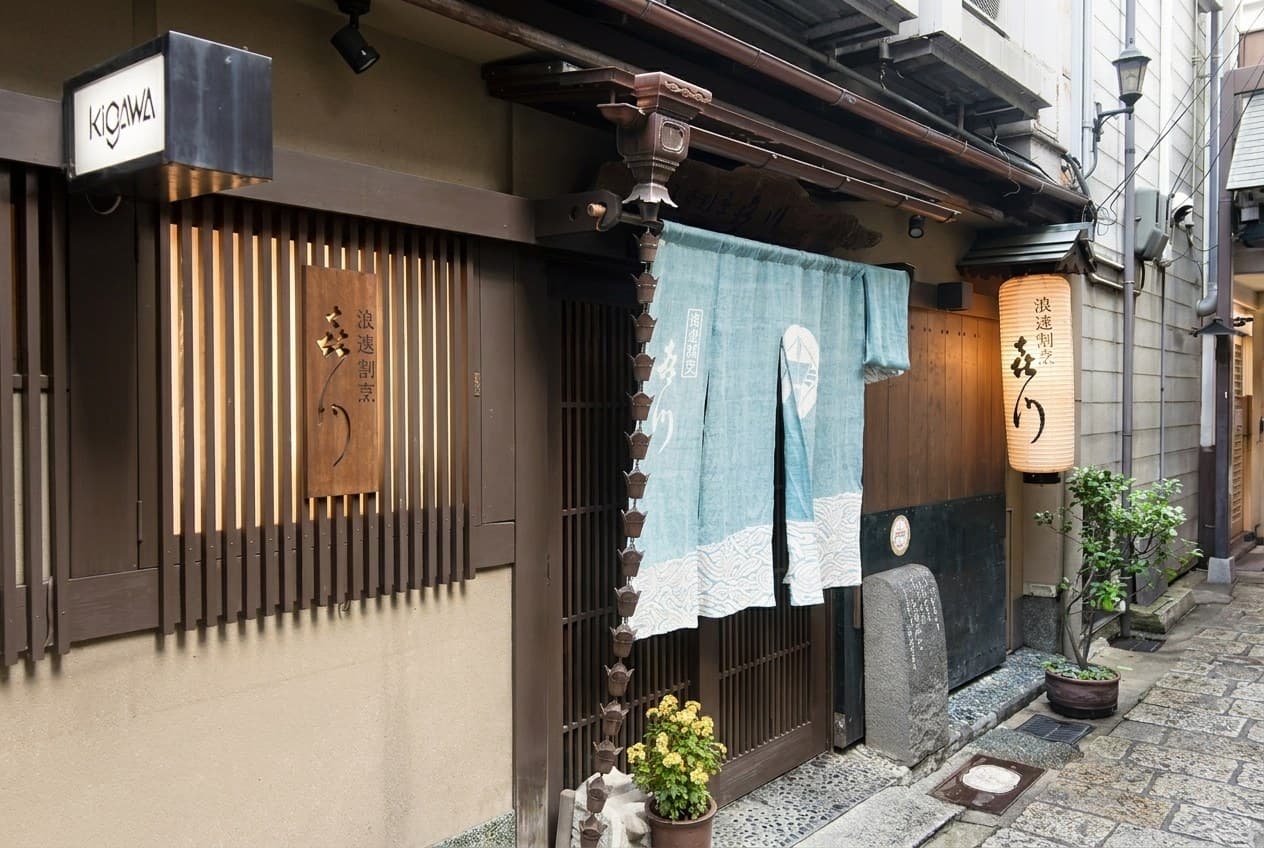
Osaka’s defining format is kappo — seasonal cooking served across the counter, more relaxed than formal kaiseki but built on the same produce (the distinction is worth two minutes: see kaiseki versus omakase). The house most associated with the modern style is Naniwa Kappo Kigawa, opened in 1965 down a lantern‑lit lane in Hozenji Yokocho, with a counter of 23 and two tatami rooms.
The city’s best‑value tier is its middle, not its trophies.
The street side: kushikatsu and oden
The other Osaka is casual and unmissable:
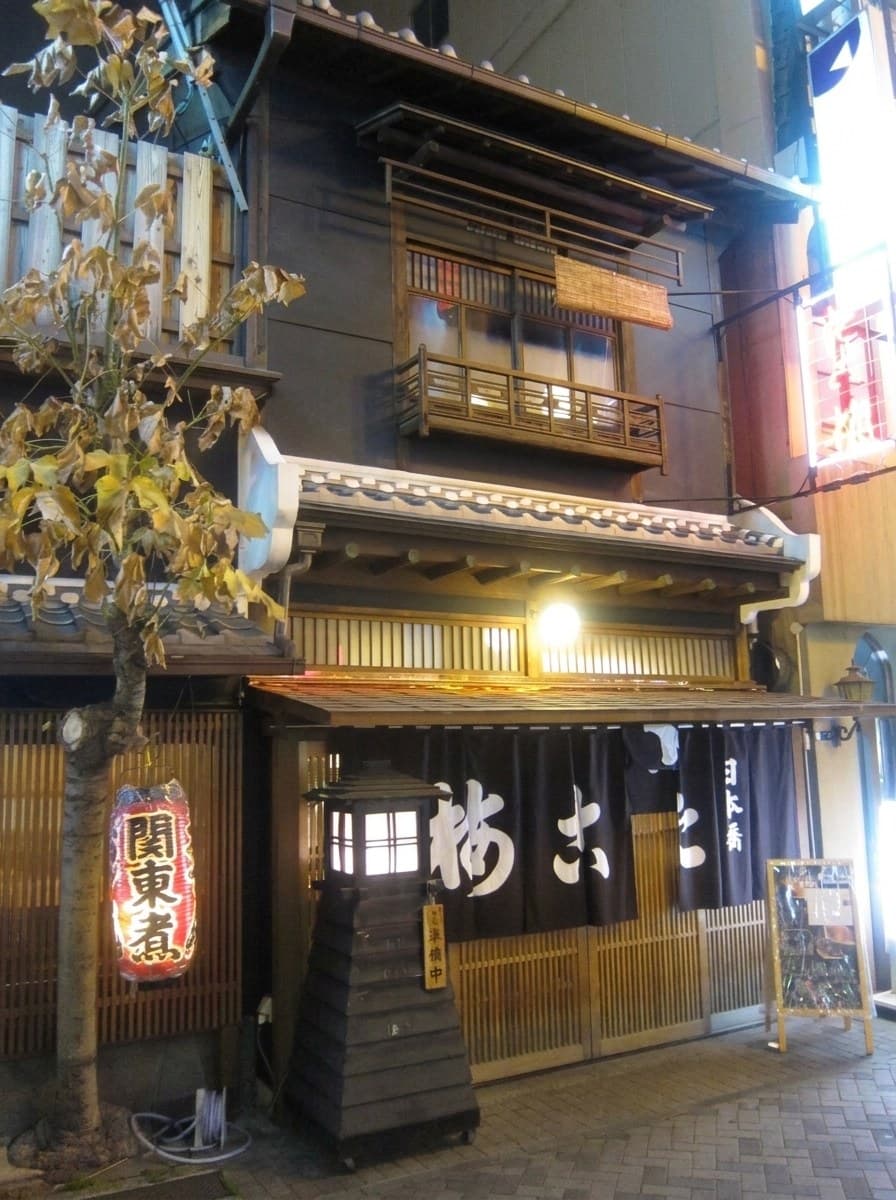
- Kushikatsu — skewered, breaded, deep‑fried morsels, dipped once in a shared sauce (the one rule everyone obeys: no double‑dipping). The form was born in the workers’ quarter of Shinsekai, where Daruma has fried skewers since 1929; a dozen sticks and a beer still lands around ¥2,000–3,000 (as of August 2026).
- Kanto‑daki — Osaka’s name for oden, a warm Kansai simmer. The oldest house of all is Takoume in Dotonbori, pouring warm sake since 1844 across five generations.
- Takoyaki — the octopus dumpling the city gave the world. Its acknowledged birthplace, Aizuya (1933), still griddles the original — sauce optional, as the founder intended.
These are walk‑in by nature, but the good counters are short. Come early — and treat the queue as part of the meal. For the standing‑bar culture that surrounds all of it, our izakaya guide explains how to drink like a local; the basement food halls of Umeda’s department stores, covered in our depachika guide, solve any lunch the street does not.
Beyond the centre: tempura in Suita, kaiseki in Minoh
Two of Osaka’s most highly regarded tables sit outside the Namba–Umeda axis, and both are a short train ride from Umeda.
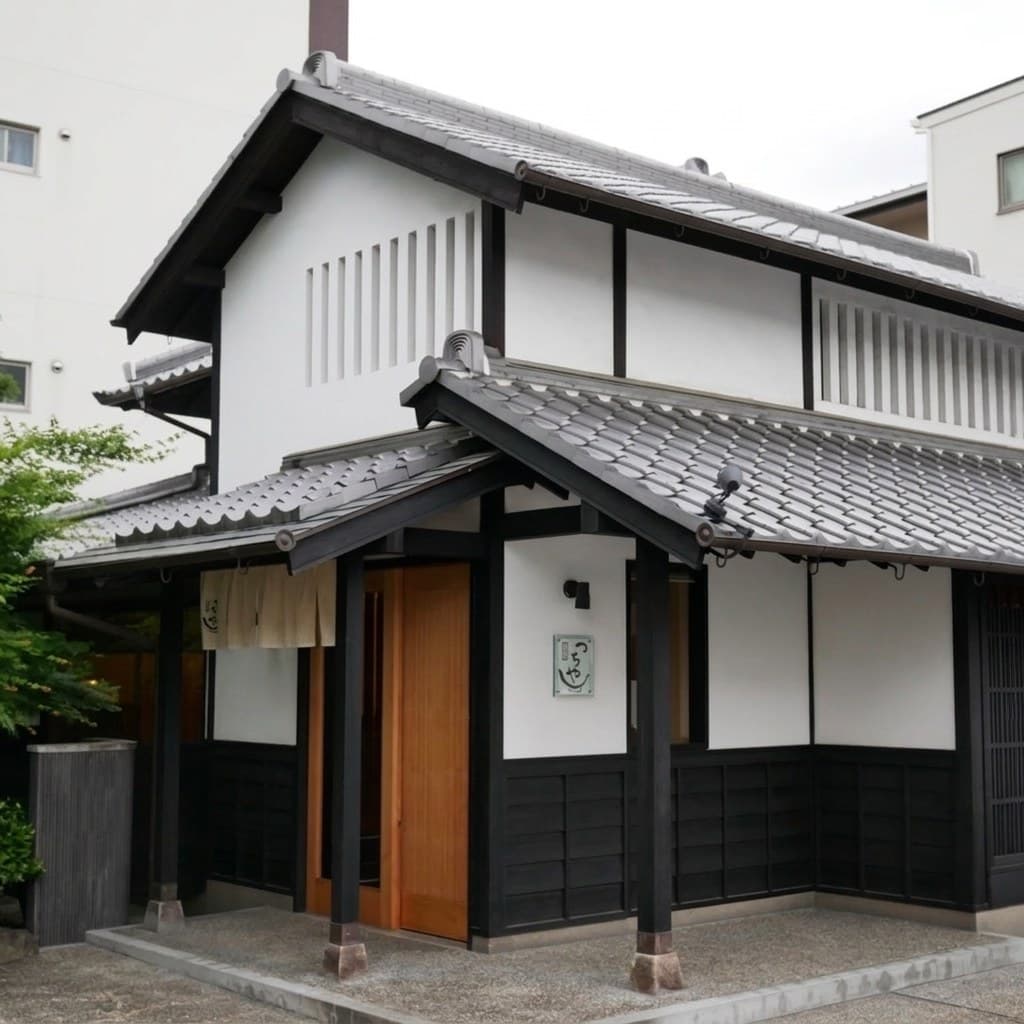
Shunsaiten Tsuchiya is a quiet, renovated house in a residential street of Suita, about eight minutes on foot from Esaka Station on the Midosuji Line — fifteen minutes north of Umeda by subway. Chef Yukihiko Tsuchisaka opened it in 2008 and sets his tempura inside a seasonal course; it holds Two MICHELIN Stars (MICHELIN Guide Japan 2026). Lunch is ¥10,000 and dinner courses start at ¥24,000, tax and 5% service included. It is also the purest example of the city’s monthly release: the Japanese book is telephone‑only and opens on the 1st of each month at 10:00 for dates up to three months ahead, and Saturday lunch goes first. The house licenses an official English site that takes prepaid requests at least three days out — but that route works the calendar as it stands; it does not open the monthly release. For where it sits among the country’s frying counters, see our tempura guide.
Ichijunisai Ueno Minoh is the opposite kind of room: a hundred‑year‑old ryotei inn on the falls path in Minoh, about eight minutes’ walk from Hankyu Minoh Station and roughly twenty‑five minutes from Umeda, seating its guests in eight private rooms, some in a detached wing over the river. The kaiseki is built on dashi; lunch runs ¥16,500–33,000 and dinner ¥22,000–44,000, tax included with 10% service on top. It books online — on Ikyu and on its own TableCheck page, with the house confirming each request by phone or email (see how TableCheck works) — and the rooms are contested only in the November foliage weeks. Book the ground‑floor room and the tempura is fried in front of you.
How booking actually works
The top kappo counters release seats on a monthly schedule — most commonly on the 1st of the month for dates one or two months out — and the best of them go fast. Friday and Saturday dinners vanish first; midweek seats often survive a week or more. That is why a month of lead time is the difference between a table and a “we’re full.”
- Fix your dates first — dinner anchors the day.
- Note each restaurant’s release day; several are phone‑only, in Japanese, answering only during afternoon prep hours.
- If the counter you want has no online door, use a concierge desk.
The honest odds: a visitor planning four weeks out and flexible on the weekday will land a first‑rank kappo counter more often than not. A visitor asking for this Saturday will mostly eat kushikatsu — which in Osaka is not exactly a punishment.
Osaka is also the easiest base for Nara, roughly 35 to 45 minutes from Namba on the Kintetsu line. Its best kaiseki houses cook at dinner, and our Nara food guide makes the case for staying the night rather than riding back.
The full platform‑by‑platform map is in our guide to booking restaurants in Osaka. Tell us the night that matters and we build the rest around it.