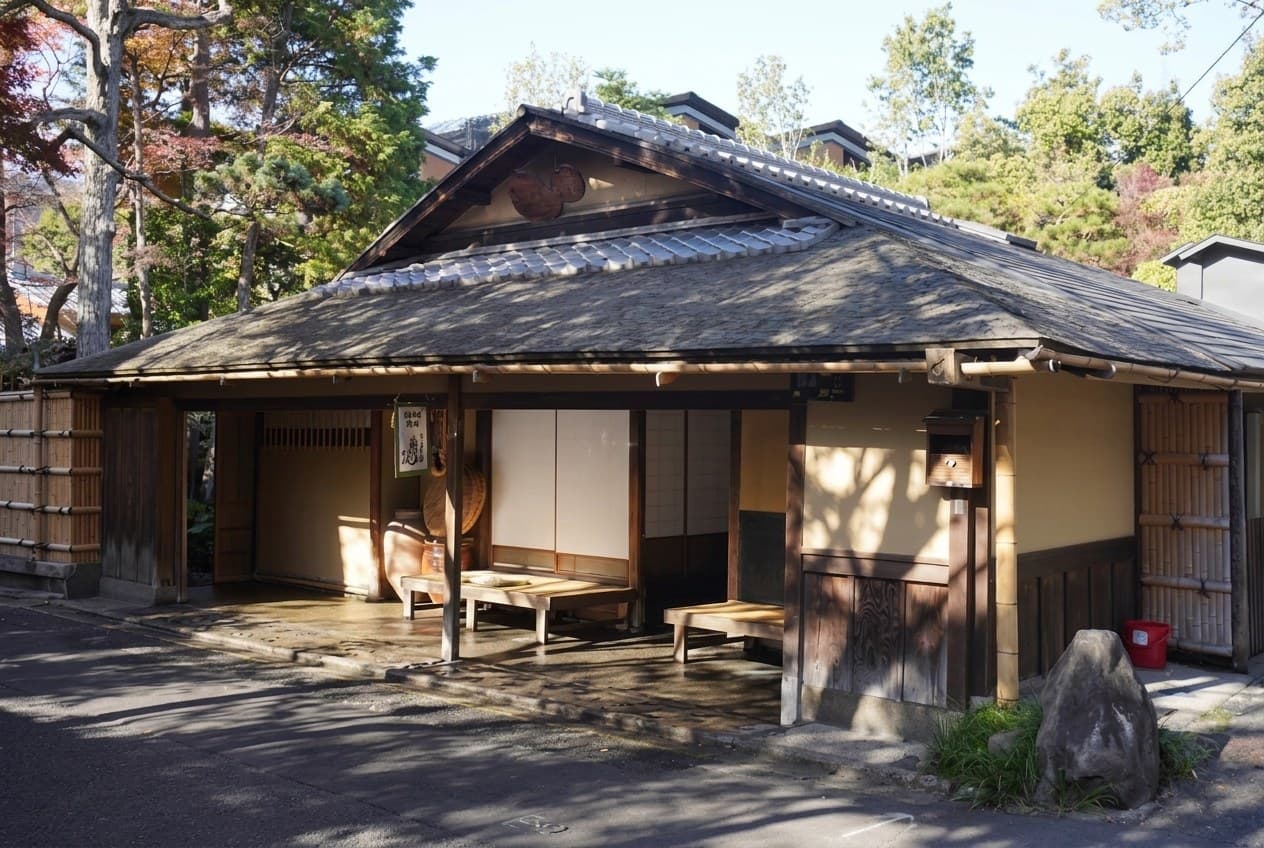
Deep in Japan’s food culture you eventually meet a phrase that stops the conversation cold: ichigensan okotowari. Translated loosely, it means “we politely decline first‑time guests.” These are the introduction‑only restaurants — counters that will not seat you simply because you called, paid, or flew a long way. You need someone they already trust to bring you in.
What “introduction‑only” actually means
An introduction‑only restaurant declines a newcomer who has no referral from an existing customer or a trusted intermediary. The term has roots in old Kyoto, where the teahouses of Gion ran entirely on relationships and billed regulars later by trust. Today the same logic reaches sushi counters, kappo houses, and quiet kaiseki rooms across the country.
It is not the same as being fully booked, and it is not the same as being expensive. A table can be empty and still closed to you, because the missing ingredient is not a seat or a fee — it is a voucher.
Why the rule exists
The reasons are practical, not snobbish:
- The counter runs at one pace. Eight to twelve guests eat the same courses at the same time. One party that misreads the room can pull the whole evening off its rhythm.
- An introduction transfers trust. The person who vouches is quietly responsible for your manners and your attendance. That is worth more to a chef than any deposit.
- No‑shows are ruinous at small scale. Losing two of ten seats is losing twenty percent of the night. Known guests, or guaranteed ones, almost never vanish.
- There is no front office. A chef and one apprentice cannot screen strangers, so they lean on people who already know the house.
For the deeper structural picture, see our breakdown of the four reasons you can’t book Japan’s best restaurants, where introduction‑only sits alongside monthly‑release wars and regulars‑first houses.
The three doors that open
There are three ways in, and only the first is reliable:
- An existing regular who brings you as their guest, or calls ahead on your behalf.
- A luxury hotel concierge the restaurant already knows — though many top counters decline hotel bookings, so treat it as a request, not a route.
- A premium‑card concierge program, which occasionally secures a seat through its own relationships; results vary and nothing is guaranteed.
What all three share is accountability. Someone the restaurant knows is putting their standing behind you. That is the currency, and no amount of persistence substitutes for it. Be cautious of any paid intermediary that promises a seat: the most famous introduction‑only counters state plainly that agents cannot book them. We do not book introduction‑only houses ourselves.
How this connects to phone‑only booking
Introduction‑only and phone‑only are different barriers that often stack. A restaurant may take bookings by Japanese telephone only and refuse anyone without a referral — two walls, back to back. If your obstacle is language and timing rather than trust, our guide to phone‑only restaurants in Tokyo covers that side of the problem.
What to do with a dream that’s introduction‑only
Treat an introduction‑only counter as a request, never a promise — and always keep a substitute in mind, because the same craft usually exists at a comparable house that will accept a guaranteed, vouched‑for booking. It also pays to look for a public door: some introduction‑only houses run a branch that books online — Sushi Saito’s Azabudai branch, for example, opens its seats on OMAKASE. And if the real obstacle turns out to be a Japanese phone line rather than an introduction, that is a different and more solvable problem.