In shortAnglerfish hot pot (ankō nabe). Reservations run in Japanese and are hard to place from abroad, so our Tokyo desk requests the table for you, by phone and in Japanese.
Price
Dinner ~¥12,000
Hours
Tue–Fri 11:30–14:00 · 17:00–22:00 · Sat 11:30–15:00 · 16:00–22:00 · Sun & holidays 11:30–15:00 · 16:00–21:00
Closed
Mondays year-round; also Sundays & holidays from April to October
Seats
120 — mainly open shared tatami in the Edo manner; chair seats and chair private rooms on request for a guarantee fee; no counter
Private rooms
Yes — rooms from 2 to 30+ guests
Payment
Cards (VISA / Mastercard / JCB / AMEX / Diners) and QR codes accepted (no e-money) · +10% service after 16:00 · chair-seat guarantee ¥2,000–4,000 per group · chair private room ¥5,000–12,000 per room
Getting there
Awajicho / Ogawamachi Stn, 3 min walk
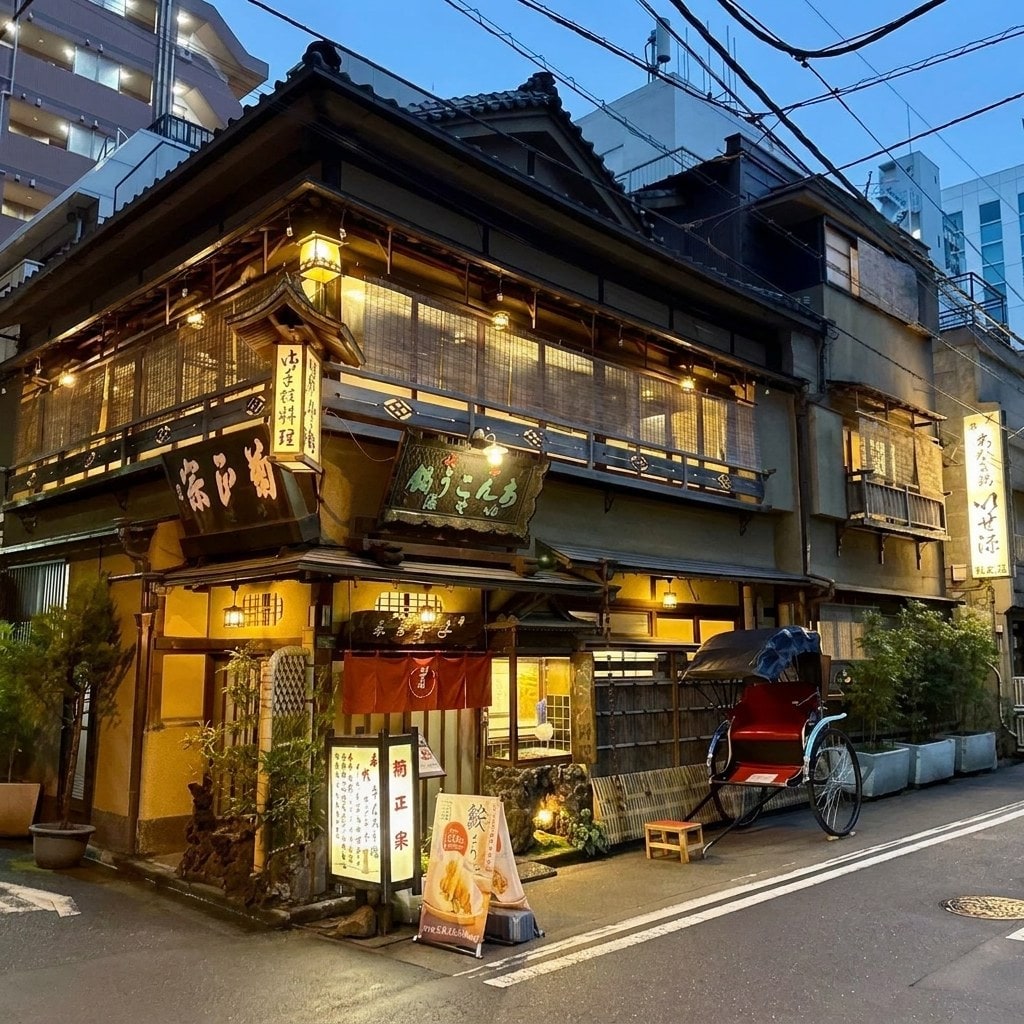
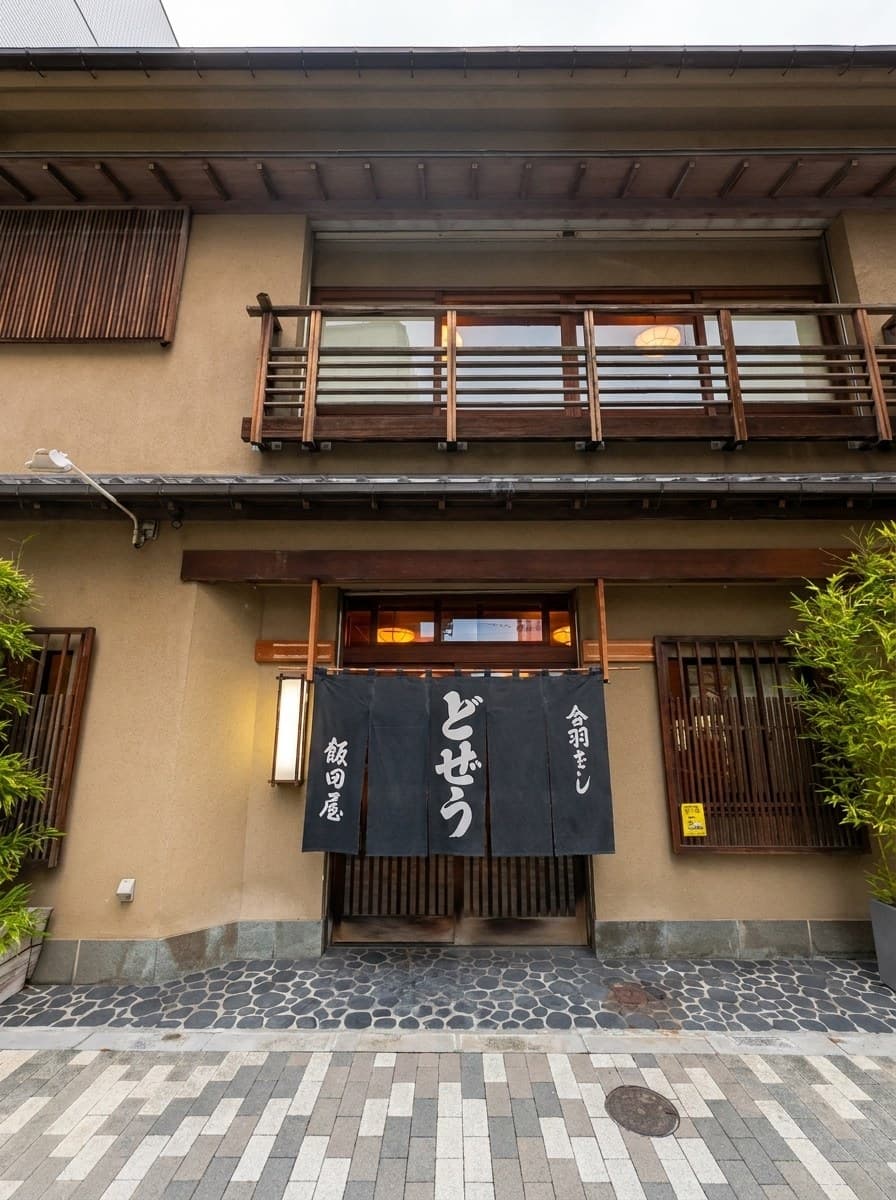
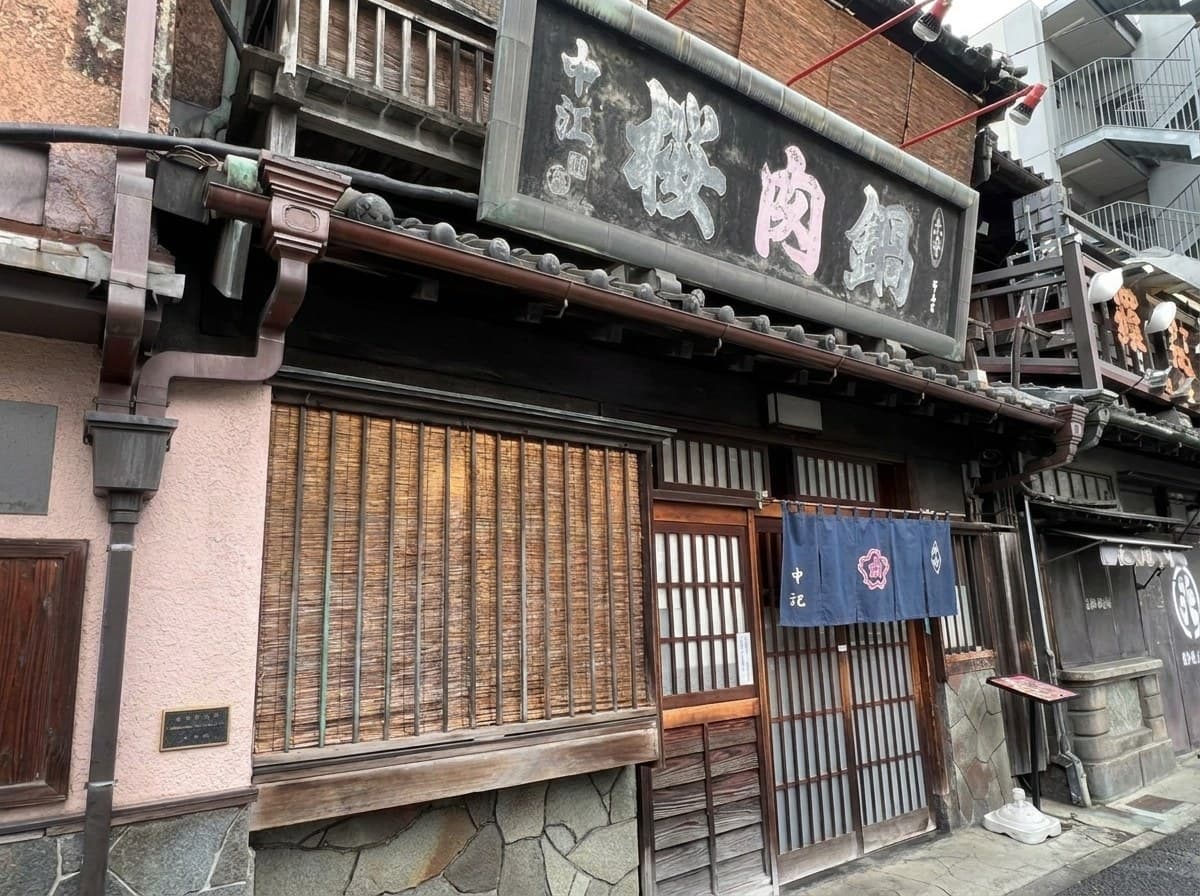
On a corner of Kanda that the 1923 earthquake fires cleared and the
war then spared, a dark wooden house rebuilt in 1930 — now on Tokyo’s
register of historic buildings — serves exactly one thing: ankō,
the deep‑sea anglerfish, in a sweet‑soy hot pot the house has made
since 1830. Isegen is the last anglerfish specialist left in Tokyo,
and its lantern‑lit facade is the best‑preserved piece of pre‑war
dining the city still uses daily.
What you eat
The anglerfish is broken down by tsurushi‑giri, the traditional
hanging cut — the fish is too soft and slippery for a board, so it is
hung from a hook and butchered in the air — and served nose‑to‑tail
in the pot: firm flesh, silken skin, cartilage, and ankimo, the
liver often called the foie gras of the sea. From November to March
the house serves anglerfish and nothing else; April to October brings
a lighter seasonal menu at gentler prices. The floor is irekomi —
one large shared tatami room in the Edo manner, strangers side by
side — with chair seats and private rooms available for a fixed
guarantee fee rather than a cover charge.
The booking reality
The mechanics are honest but particular. Parties of one to eight book
online through the house’s Tabelog form; nine or more call, in
Japanese, between 11:00 and 21:00. Some seats are kept unreserved for
walk‑ins even when the book shows full. Changes and cancellations
must land by the day before; a same‑day cancellation or a smaller
party costs half the course price. The two top courses (Takumi and
Miyabi) are not served at lunch. The real constraint is the
calendar: the pot the house exists for is a November‑to‑March dish,
so four months of demand compress onto a 120-seat floor, and the
best winter evenings go early. A Japanese call also settles the
choices a form cannot — shared tatami or a chair room, the guarantee
fee, a party of nine or more. That five‑minute negotiation is what
our desk does.
A winter visit, planned like one. Book the cold months early, order
the full pot with the rice finish, and pair it — across two evenings
— with Botan, the charcoal chicken‑sukiyaki house next door: the
best‑preserved corner of pre‑war Tokyo dining, in full.
Free release-date alerts: the day before, on the morning of release day (08:00 JST) and about 30 minutes before when the time is known — or a weekly summary if the house opens a little every day.
Isegen: common questions
Can you book Isegen from abroad?
Yes, through our Tokyo desk. Online through Tabelog for one to eight guests; phone in Japanese (11:00–21:00) for nine or more. Unreserved seats are kept for walk-ins. Winter seats — the season that matters — go quickly. We call the restaurant for you, in Japanese, and the ¥6,000-per-seat fee is charged only if we confirm your table — no seat, no fee.
Some of these links are referral links: if you book through them we may earn a small commission, at no extra cost to you. Restaurants never pay us to be listed or ranked. Editorial policy
Cite this page
Facts on this page were checked by our Tokyo desk. You are welcome to quote them with a link:
Isegen — Kanda-Awajicho, Tokyo — SHOKU NOREN (checked September 2026). https://shokunoren.com/restaurants/isegen-kanda