食材與季節 · 2026年8月10日

Unagi and the Day of the Ox: Japan's Summer Eel Tradition

撰文 SHOKU NOREN Team · 事實最後查核 August 2026 · 查核方式

重點Doyo no ushi no hi is Japan's midsummer Day of the Ox, when the country eats grilled eel; in 2026 it fell on Sunday 26 July, with no second ox day. Kanto steams its back-split eel, Kansai grills belly-split fish straight over charcoal. Book outside the July crush.

Japan eats eel in the hottest weeks of the year, on a date set by an old calendar rather than by the fish. Doyo no ushi no hi — the Day of the Ox in the midsummer doyo period — fell on Sunday 26 July in 2026, and there was no second ox day this year. The rush is behind us, which is the best possible news for a traveller. The eel is no worse in September than it was in July, the rooms are calmer, and counters that turned away a hundred people in late July will take a booking now.

What the Day of the Ox Actually Is

Doyo is not a day. It is one of four eighteen-day intervals in the traditional calendar that bracket the turn of each season, and the summer one runs up to risshu, the nominal first day of autumn — in 2026, from 20 July to 6 August, with risshu on 7 August. Any day within it carrying the zodiac sign of the ox, ushi, is a Day of the Ox. The branch cycle turns every twelve days, so some years hold two, a ni no ushi, and some hold one. 2026 held one.

The eel arrived later than the calendar did. Edo-period folk practice held that eating something beginning with the syllable "u" on an ox day would carry you through the heat: udon, umeboshi, uri. Unagi qualified. The story everyone tells is that the polymath Hiraga Gennai, asked by a struggling eel-seller how to shift stock in the dead months, wrote him a sign reading "Today is the Day of the Ox." It is a good story and a durable one, but it is unverified — every surviving text linking eel to the ox day post-dates Gennai's death in 1780, and no contemporary source ties him to the slogan. Treat it as tradition, not record.

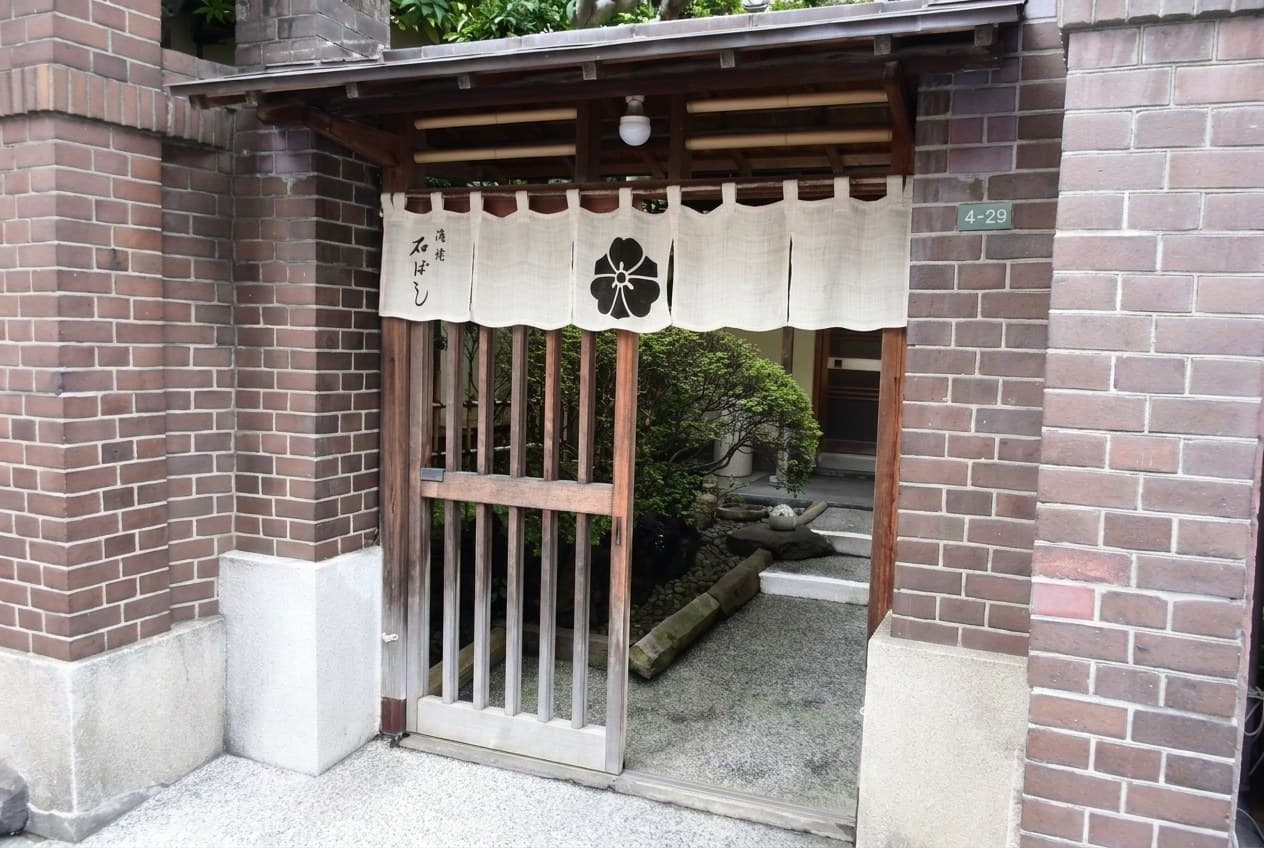
Eel houses are often blunt about the mismatch. At Ishibashi in Edogawabashi, the fourth-generation family closes on the Day of the Ox and calls it the eel's memorial day; the house line is that eel's true season is winter. The busiest day in the trade is the one the connoisseurs skip.

Kanto and Kansai Split the Fish Differently

One of the oldest working divides in Japanese cooking runs through the eel. In Kanto, the fish is opened along the back, the head removed, the fillet skewered, grilled plain, then steamed — at Ishibashi for the better part of an hour — before returning to the coals under repeated coats of sauce. Steaming renders out fat and collapses the flesh into something closer to custard than to fish. In Kansai, the fish is opened along the belly, the head left on through the grilling, and there is no steaming at all: the eel goes straight over charcoal with the sauce, a method called jiyaki, and comes off firmer, drier, smokier at the edges. The Osaka word for an eel bowl, mamushi, is usually explained as rice-steaming — the eel buried under a second layer of rice so the grain finishes what no steamer did.

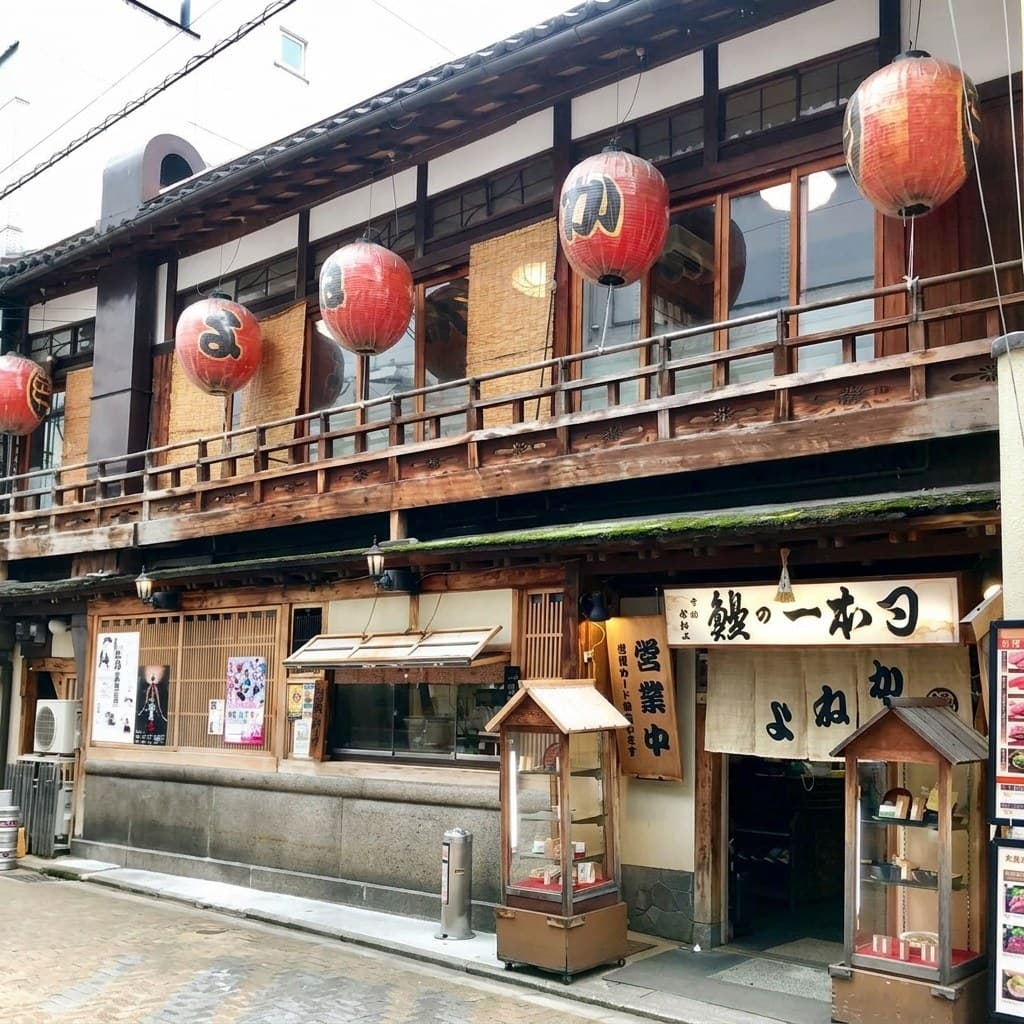
The received explanation for the split is social: samurai Edo avoided a belly cut that suggested seppuku, merchant Osaka preferred to speak, and cut, with the belly open. Like the Gennai legend, it is folk etymology rather than documented fact. The techniques are real regardless. Kaneyo, open in the Teramachi Kyogoku arcade since 1912, is the Kansai case in its most generous form — its kinshi-don puts grilled eel under a rolled dashi omelette so large it hangs past the rim of the bowl, and the kitchen still tops up the same pot of sauce it started with. When fire threatened the building before the war, the house says, the owner ran for the sauce and not the till.

Kabayaki, Shirayaki, and the Box It Comes In

Kabayaki is the lacquered version: eel grilled under successive coats of tare, a soy-mirin-sugar glaze most old houses keep alive by topping up rather than replacing, so the pot is a continuous object rather than a recipe. Shirayaki is the same fish grilled plain, eaten with salt, wasabi or a little soy — the version that shows whether the eel and the griller are any good. Order it first if the menu allows.

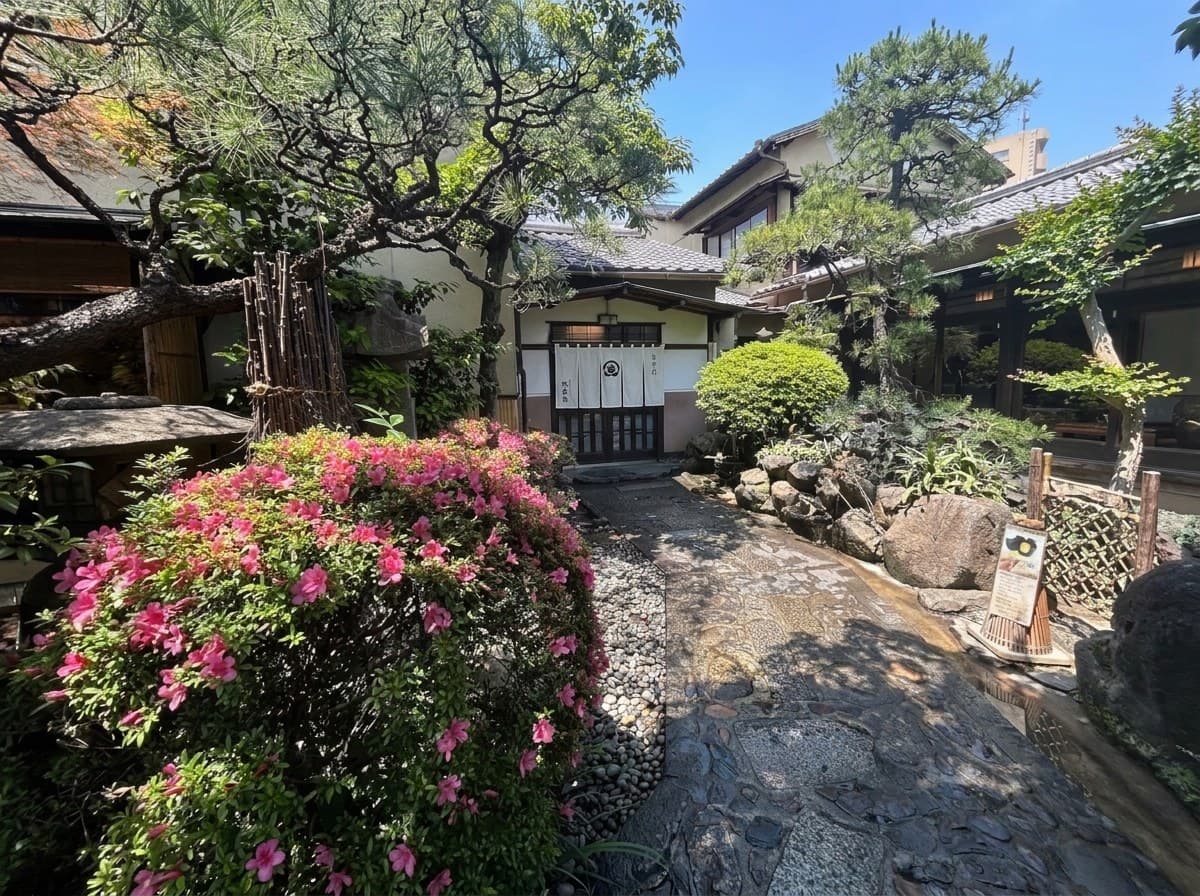
Over rice in a lacquered box it is unaju; in a bowl, unadon. Sansho, the citric, tongue-numbing Japanese pepper, is on every table for a reason: it cuts the fat and resets the palate. Then there is Horaiken in Atsuta, Nagoya, which dates hitsumabushi to 1873 and holds the name as a registered trademark. The dish began as a delivery workaround — lacquer bowls kept breaking on the road, so portions were gathered into one wooden ohitsu and the eel chopped fine to settle into the rice. The house sets out three passes: plain, then with spring onion, wasabi and seaweed, then flooded with dashi. A fourth serving, in whichever way you liked best, is your own business.

The Conservation Question

It belongs in any honest piece about eel. The Japanese eel, Anguilla japonica, was assessed as Endangered on the IUCN Red List in 2014, a status reaffirmed in the 2018 assessment, and Japan's Ministry of the Environment placed it in the equivalent national category in 2013. It is not protected under CITES: at the twentieth Conference of the Parties in Samarkand, an EU and Panama proposal to list all Anguilla species on Appendix II was rejected on 27 November 2025, by 100 votes to 35 with eight abstentions. Since 2014, Japan, China, South Korea and Chinese Taipei have run voluntary caps on glass-eel stocking into farms — an arrangement with no enforcement mechanism.

The species is not farmed from egg to plate at commercial scale. Every eel you eat began as a wild-caught juvenile, and the price of those juveniles moves violently from year to year, which is why eel has drifted steadily upmarket — context that sits behind what fine dining in Japan costs more directly than it does for most ingredients.

When to Go, and How to Get In

Not on the Day of the Ox. Eel houses in late July run at volume, some of the best are shut, and you will queue for a worse lunch than October would have given you. The tradition is worth knowing; the meal is worth timing away from it. Autumn and winter are when eel specialists say their fish is at its best, and they are the same months when a phone call to a thirty-seat house actually lands.

The three houses here sit at three levels of difficulty. Kaneyo is a walk-in in a covered arcade. Horaiken queues at the counter and takes no bookings from abroad. Ishibashi expects you to choose your eel at the moment you reserve, by telephone, in Japanese — exactly the kind of door our reservation desk exists to open. Worth reading first: how Japanese restaurants are categorised and what is expected of you at the table. And ayu, the summer sweetfish, is the freshwater dish to set opposite eel on the same itinerary.

常見問題

When was doyo no ushi no hi in 2026?

The midsummer Day of the Ox fell on Sunday 26 July 2026, within a doyo period running 20 July to 6 August. There was no second ox day that year. Ox days recur every twelve days, so some years hold two of them.

What is the difference between Kanto and Kansai unagi?

Kanto splits the eel down the back, removes the head, grills it plain, steams it, then finishes it over coals with tare, giving very soft flesh. Kansai splits the belly, leaves the head on and grills straight over charcoal with no steaming, giving a firmer, smokier result.

What is the difference between kabayaki and shirayaki?

Kabayaki is eel grilled under repeated coats of a sweet soy tare. Shirayaki is the same eel grilled plain with no sauce, served with salt, wasabi or a little soy. Shirayaki shows the quality of the fish and the griller more clearly.

Where should I eat eel in Japan?

Ishibashi in Tokyo for Kanto-style steamed unaju, ordered at the moment you book; Kaneyo in Kyoto for the Kansai kinshi-don; Horaiken in Nagoya for hitsumabushi at its source. Autumn and winter are easier to book than the July ox day.

來自精選收錄

要交給我們處理嗎? 我們的東京團隊每天預約只接電話的餐廳——日語電話線、與店家的關係,以及App無法為您進行的開放日爭奪。訂不到,不收費。
預約訂位

季節快訊

螃蟹解禁、河豚開季——只在值得專程飛來的季節開幕時,寄出一封短信。絕不打擾,隨時可取消。

訂不到,不收費預約訂位
Unagi and the Day of the Ox: Japan's Summer Eel Tradition — Shoku Noren