The short answer: the counter is usually the wrong seat for a young child, and the private room is the right one. Japan’s most coveted sushi and kaiseki houses are small, quiet and planned to the guest — many publish a minimum age, and those that do admit children generally serve them the adult course at the adult price. Families do not need to give up great meals in Japan. They need to book a different room.
Why the counter says no
An omakase counter of eight or ten seats is a single shared performance. The chef paces each piece to the whole row, the room is hushed by design, and one restless guest changes the evening for everyone who waited months for a seat. The arithmetic is simple too: the seat cannot be resold on the night, and a child takes a full cover. None of this is hostility to families — it is how a room of ten people works.
The result is a published age line, set house by house, with no national standard. The common forms:
- No preschool children — a common rule at serious specialist houses.
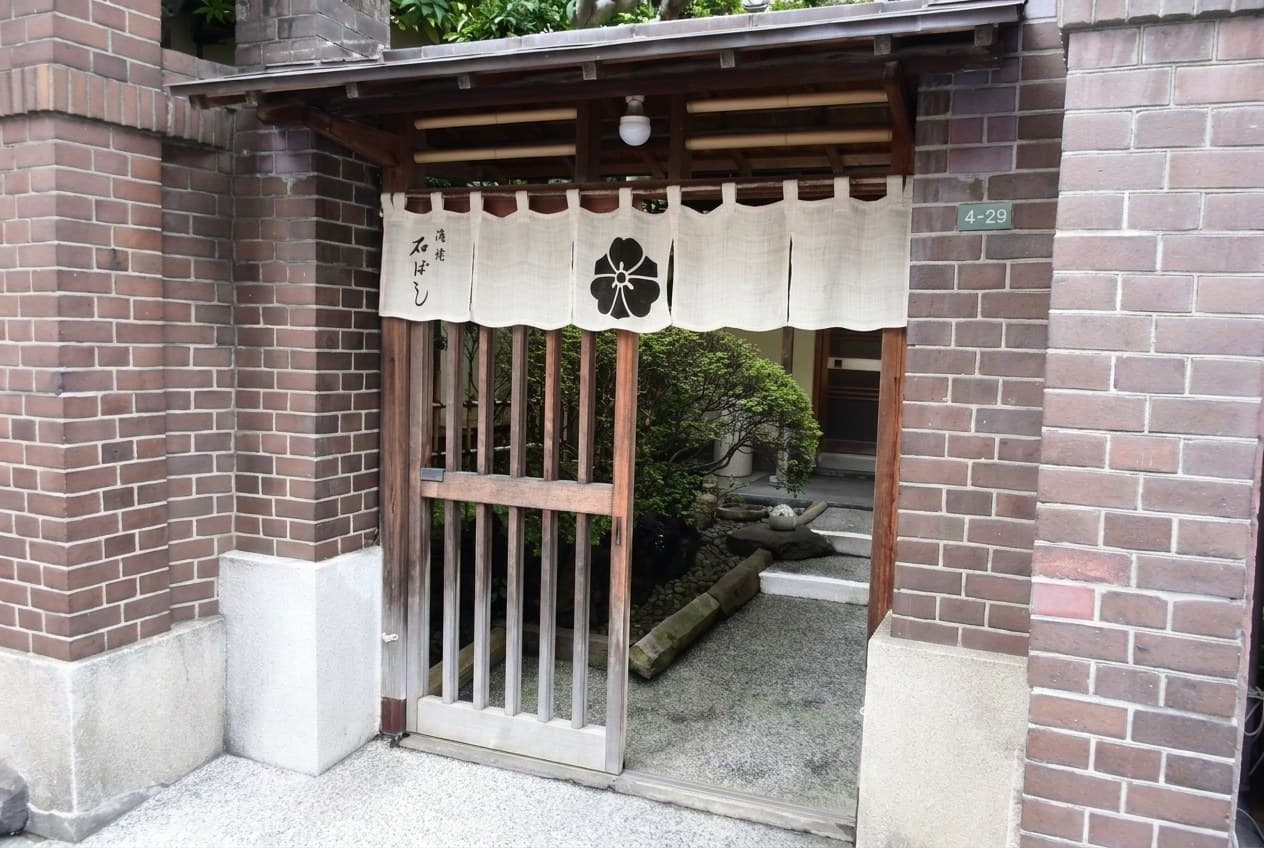
- No children below primary‑school age — Edogawa Ishibashi, the Tokyo eel house founded in 1910, states on its official Ikyu listing that it declines children below primary‑school age and takes only children who can eat the course.
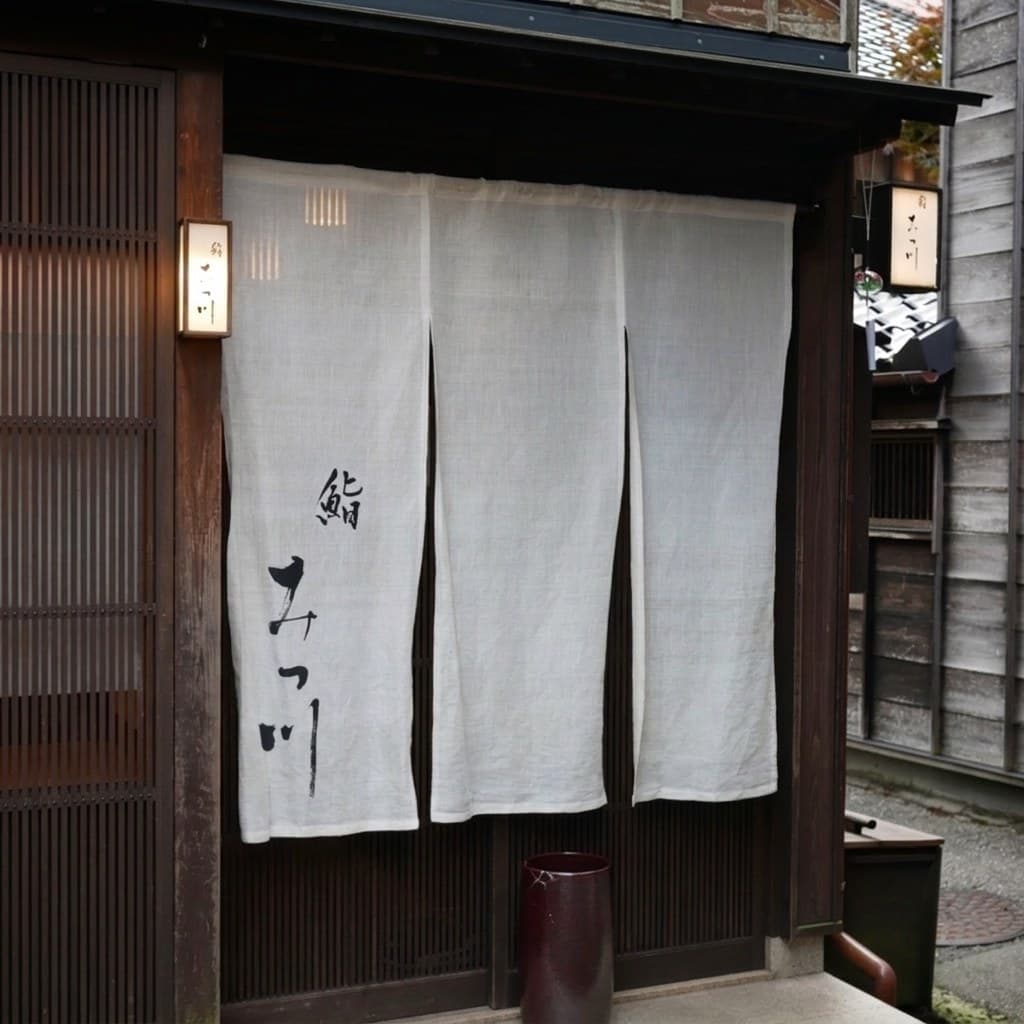
- A floor of eleven or twelve — Sushi Mitsukawa in Kanazawa states on its official site and TableCheck page that children are welcome from eleven; the main house of Hyotei in Kyoto states on its TableCheck page that children are admitted from twelve and served the same food as adults.
Note that last clause. Where children are admitted, they usually eat the full course — no half portions, no separate plate, and cancellation fees counted per head like everyone else’s.
The private room is the family solution
Japanese fine dining has always had a second architecture beside the counter: the koshitsu, the private room. At a ryotei — the traditional house of rooms, gardens and kaiseki — each party is served in its own space, at its own pace, by its own attendant. A child who needs to stand up, a baby who needs feeding, a meal that runs slower than planned: in a private room, none of it reaches another table.
This is also where Japanese families themselves celebrate their children. Okuizome, the first‑meal ritual held for an infant, and shichi‑go‑san, the autumn rite for children of three, five and seven, are classic ryotei occasions. Two houses in our collection make the point plainly:
- Tempura Nakasei in Asakusa, founded in 1870, offers children’s celebration bookings on its official site — shichi‑go‑san, okuizome and shrine‑visit gatherings, with baby beds and a room for nursing and changing — in private rooms that look onto its garden courtyard. The private rooms take course bookings only.
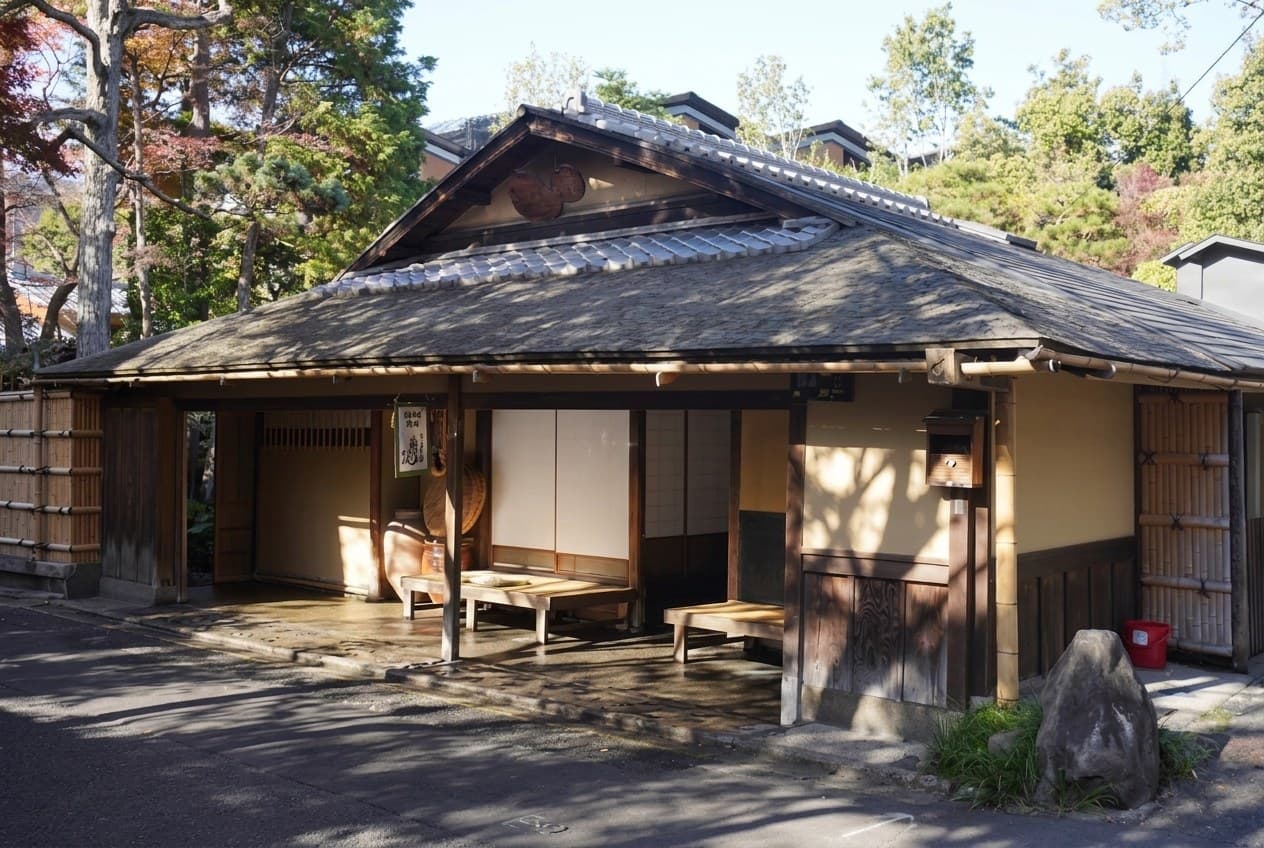
- Ryotei Fugetsuro, set in the garden of the former Shizuoka residence of Tokugawa Yoshinobu, the last shogun, takes every booking in a private room and lists a children’s lunch at ¥3,300 on its official menu — a great historic house, built for exactly this kind of party.
Even a house with a firm line at the main table can have a gentler door beside it. Hyotei’s breakfast annex states on its TableCheck page that a children’s menu (¥3,500) is available for children five and under, while those six and over are booked as adults — so a family can share the house’s morning rice gruel together, rather than book a dinner the children cannot attend.
Choose the cuisine, not just the restaurant
The families who eat best in Japan pick formats that were always meant for parties around a table. Tempura, tonkatsu, soba, sukiyaki and shabu‑shabu houses — especially the old ones with tatami rooms — feed children naturally: familiar flavors, food that arrives quickly, and a room that expects conversation. Eel is a classic family dish too, but check the house: Ishibashi, as above, draws an age line even so.
A useful rule: the more a meal depends on a single chef serving a single row, the less it suits a young child. The more it depends on rooms, the more it does. Save the ten‑seat counter for an evening when the children are with a sitter, or for the year they turn twelve and can sit through the full sequence.
Etiquette when children come along
Japanese restaurants do not expect children to behave like adults. They expect parents to have planned. In practice:
- Declare every child at booking, with age. A child who appears unannounced at a counter may simply be turned away — the seat count and the menu are set in advance.
- Ask about the menu, not just admission. Whether a child eats the full course, a children’s meal or nothing at all is decided by the house, never on the night.
- Mention allergies and dislikes ahead. Kitchens can often adjust with notice; see our guide to food allergies in Japan.
- Arrive on time and keep it quiet. Screens on mute, voices low, shoes ready to come off in tatami rooms — the norms in our kaiseki and ryotei etiquette guide apply to every guest, however small.
- Book the early seating. Lunch or a first evening seating suits young diners and leaves the late hours to adults.
How to ask
The policy is not always online, and when it is, it may only be in Japanese. The phrasing that works is specific: the age of each child, whether they will eat the course, whether a private room is available, and whether a children’s meal exists. Asked that way, houses tend to answer clearly. Asked vaguely, the safe answer is no.
If you would rather not navigate it in Japanese, our reservation desk will put the question to the house before anything is booked, and match the family to a room that wants them there. For the adults‑only evenings, our guide to sushi counter etiquette covers the rest.