食材与季节 · 2026-07-27

Ayu: The Summer Sweetfish of Japan's Rivers — and Where to Eat It

撰文 SHOKU NOREN Team · 事实最后核查 July 2026 · 核查方式

重点Ayu, or sweetfish, is Japan's defining summer river fish, in season from the June fishing opening through high summer. The classic preparation is shioyaki — salt-grilled whole over charcoal, eaten with tade-su water-pepper vinegar. Find it in kaiseki houses and riverside ryotei, or watch cormorant fishing on the Nagara River.

Ayu — the sweetfish, Plecoglossus altivelis — is the fish that tells a Japanese diner it is summer. It is in season now, at the end of July, and the simplest way to eat it is the best one: skewered whole, crusted in salt, and grilled slowly over charcoal until the skin blisters and the flesh inside stays soft. Order it in a kaiseki house or a riverside room and you eat the whole fish, head to tail, with a spoonful of tart green vinegar alongside. That is the answer. The rest is why it is worth planning a summer meal around.

A fish that measures the season

Ayu is a small, slender river fish — most are around twenty centimetres — found in the fast, clear rivers that run from western Hokkaido down through Kyushu. It is the most important species in Japan's freshwater fisheries, and among the most romanticised: for many Japanese, the word alone calls up the memory of a summer riverbank.

Part of that feeling is the fish's brief, precise life. Ayu live only about a year — born in autumn, they winter in the sea, run back up the rivers in spring, and reach their peak in early summer with bodies fattened for spawning. The classical name for the fish, nengyo, means simply "year fish." So the calendar is unusually legible. The fishing season opens on many rivers around June, though exact dates vary by region with the size of the run. June and July bring lean young fish of great delicacy; high summer brings fuller, fattier ones; and by autumn the descending, roe-bearing fish close the season. Late July — right now — sits squarely in the good stretch.

Why it is called sweetfish

The English name is not a marketing flourish. Adult ayu graze on the algae and moss that coat river stones, and that diet gives the flesh a distinctive clean aroma often compared to watermelon or cucumber. It is faintly sweet, herbal, and unmistakably of the river rather than the sea — the reason the fish was ever called sweetfish at all. Freshness is everything here, because that aroma is the whole point; a good kitchen sources its ayu close to the water and cooks it the same day.

Shioyaki: the honest preparation

The canonical treatment is shioyaki, salt-grilled. The fish is threaded onto a skewer in a swimming curve, coated generously with salt — the fins and tail packed heavily so they char rather than burn — and stood upright beside glowing charcoal to cook through gently. Done well, the result is eaten entire: crisp skin, delicate white flesh, and the faintly bitter wata, the guts, which carry the grassy, bittersweet taste of the algae the fish fed on. That controlled bitterness is prized, not hidden.

Almost always it arrives with tade-su, a vinegar pounded with water pepper (tade) into a pale green sauce. It is bracingly tart and lightly peppery, and it does one job perfectly: cutting the oil of the fish and lifting its river aroma. The pairing is old and settled — ayu and tade-su belong together the way certain wines belong with certain cheeses.

Because it asks for so little, ayu lives in kaiseki rather than sushi. It is a grilled or simmered course, not a slice over rice, and it appears in the summer progression of a serious seasonal kitchen — sometimes as shioyaki, sometimes simmered slowly, sometimes cooked into rice. If you are new to that style of meal, our primer on what kaiseki is explains how a single seasonal ingredient like this one carries a whole course. And if you are trying to read the Japanese table by season more broadly, our seasonal fish calendar sets ayu's summer window against the rest of the year.

Ukai: fishing by firelight on the Nagara River

No fish in Japan is bound to a single ritual quite as tightly as ayu is to ukai, cormorant fishing. On the Nagara River in Gifu the practice has continued for more than thirteen hundred years: at night, by the light of iron fire-baskets hung from the prow, a master called an usho handles a dozen trained cormorants on cords, and the birds dive for ayu in the dark water. The warlord Oda Nobunaga took the Gifu fishermen under his protection in the sixteenth century and formalised the title of usho; the shogun Tokugawa Ieyasu watched and patronised them in turn. Today the Nagara River ukai is protected by the Imperial Household Agency as the only goryo-ukai, or imperial cormorant fishing, and its equipment is recognised as an important cultural property.

The season runs from May 11 to October 15 — meaning that, in late July, it is running now, pausing only for high water and the harvest moon. Watching it from a boat, with grilled ayu to eat, is one of the more atmospheric ways to meet the fish in its own setting.

Where to eat it this summer

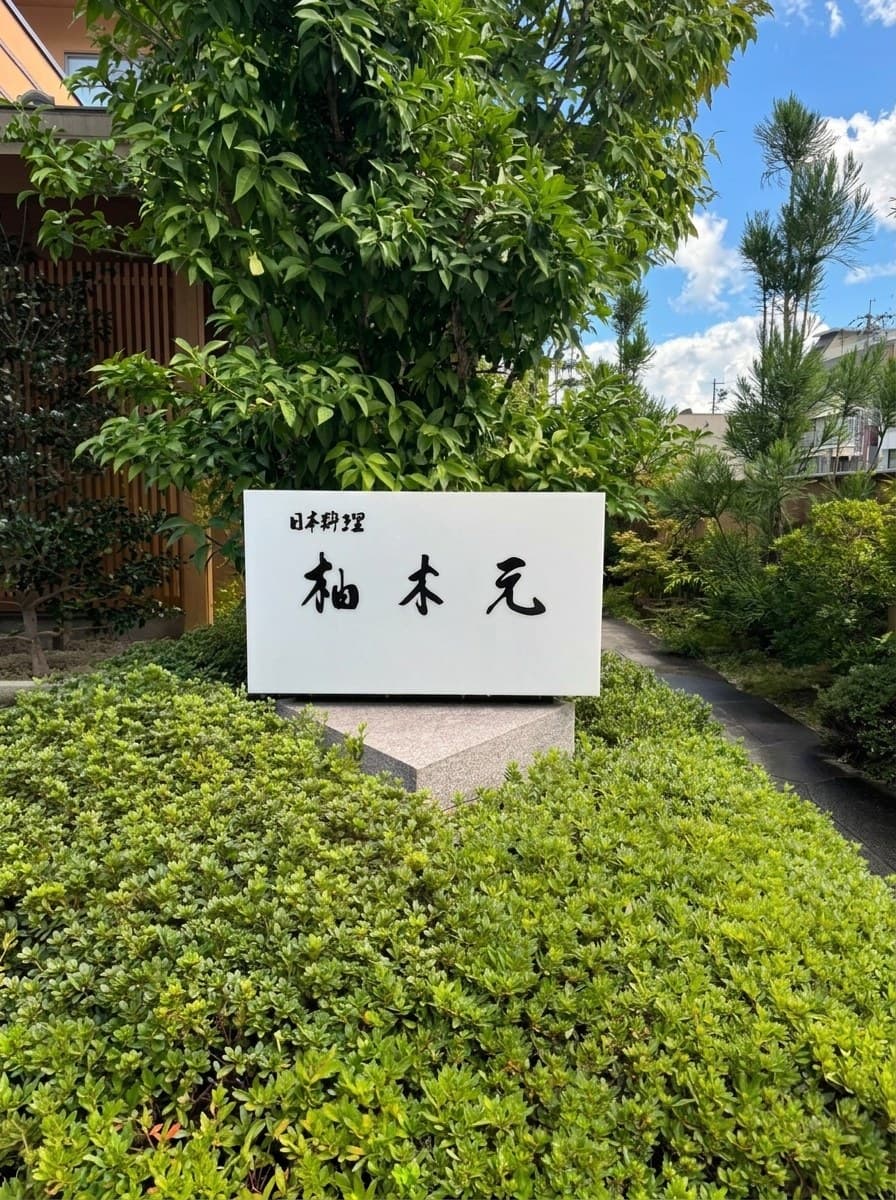
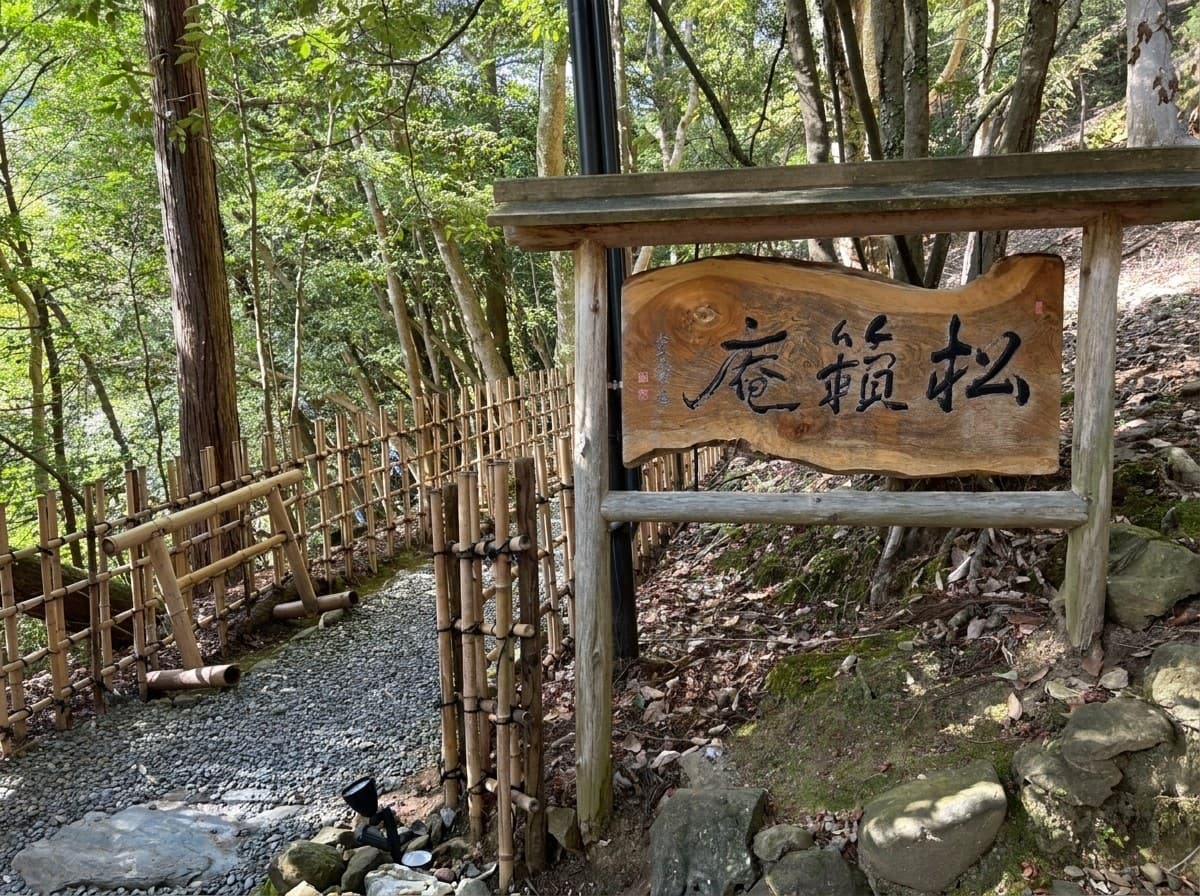
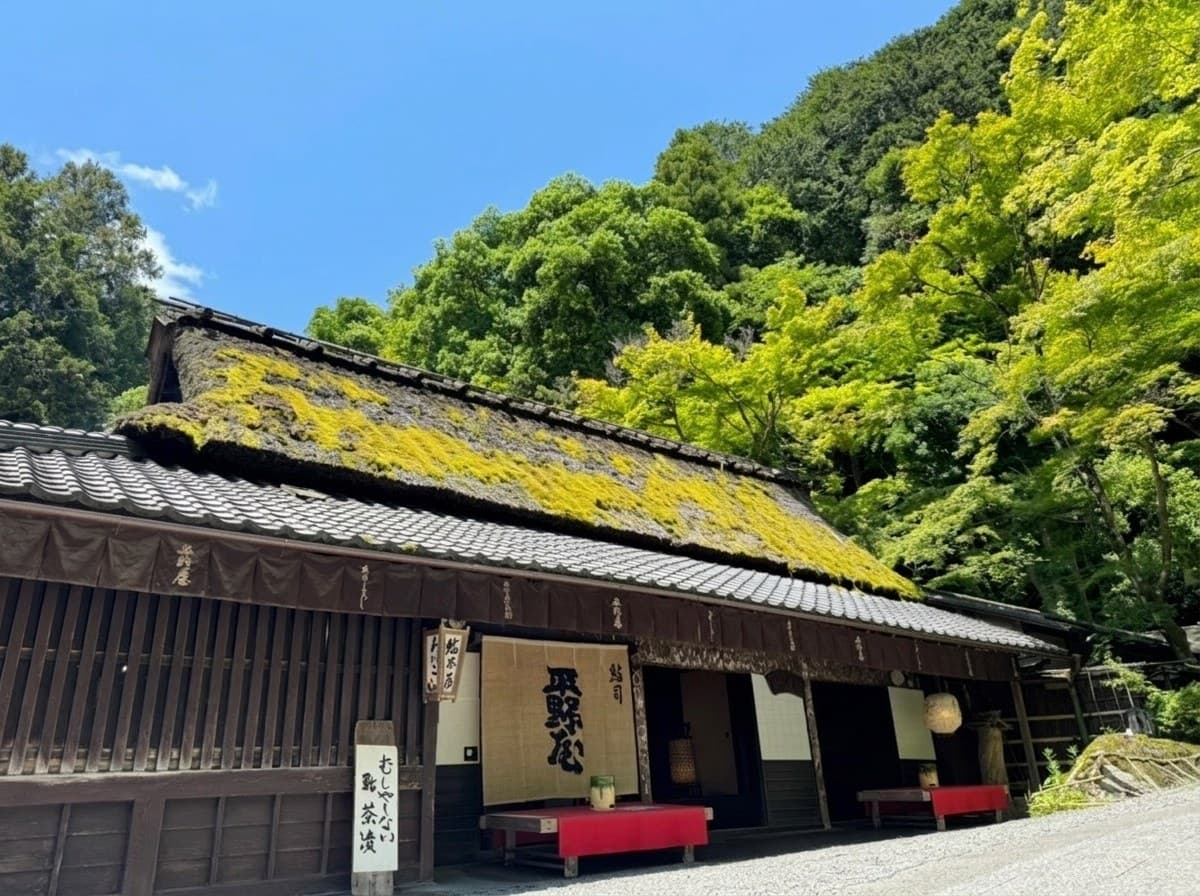
Two of our houses put ayu in reach for a traveller. In the Ina Valley of southern Nagano, Yukimoto is Japan's pre-eminent mountain-and-river table, and its summer menu turns to sweetfish drawn from the nearby Tenryu River — the same kitchen celebrated for bear in winter and matsutake in autumn, cooking the river in July. In Kyoto, Shoraian offers a quieter register: a secluded tofu kaiseki set in a former prime minister's villa above the Hozu rapids in Arashiyama, where a summer course arrives to the sound of moving water — the natural setting for a river fish, even when the anchor of the meal is tofu.

Both fill quickly in high season, and ayu is a fleeting pleasure — a matter of weeks, not months. If you would like to build a summer evening around it, whether that means a grilled sweetfish in a mountain room, a riverside kaiseki, or a seat to watch the cormorants on the Nagara, our reservation desk can arrange it while the season holds.

常见问题

When is ayu in season?

The ayu fishing season opens around June on many rivers, and the fish is eaten through high summer into autumn — late July, now, is the heart of it.

How is ayu usually served?

Most classically as shioyaki: skewered and salt-grilled whole over charcoal, then eaten from head to tail with tade-su, a tart water-pepper vinegar that cuts the richness.

Why is it called sweetfish?

Ayu graze on river-stone algae, which gives the flesh a clean, sweet aroma often likened to watermelon or cucumber — the origin of the English name.

Where can I eat ayu as a traveler?

Look to kaiseki restaurants and riverside ryotei in summer, particularly in Gifu, Kyoto, and mountain-river regions; our concierge desk can arrange a seat.

来自精选收录

要交给我们处理吗? 我们的东京团队每天预约只接电话的餐厅——日语电话线、与店家的关系,以及App无法为您进行的开放日争夺。订不到,不收费。
预约订位
No seat, no feeRequest a table
Ayu: The Summer Sweetfish of Japan's Rivers — and Where to Eat It — Shoku Noren