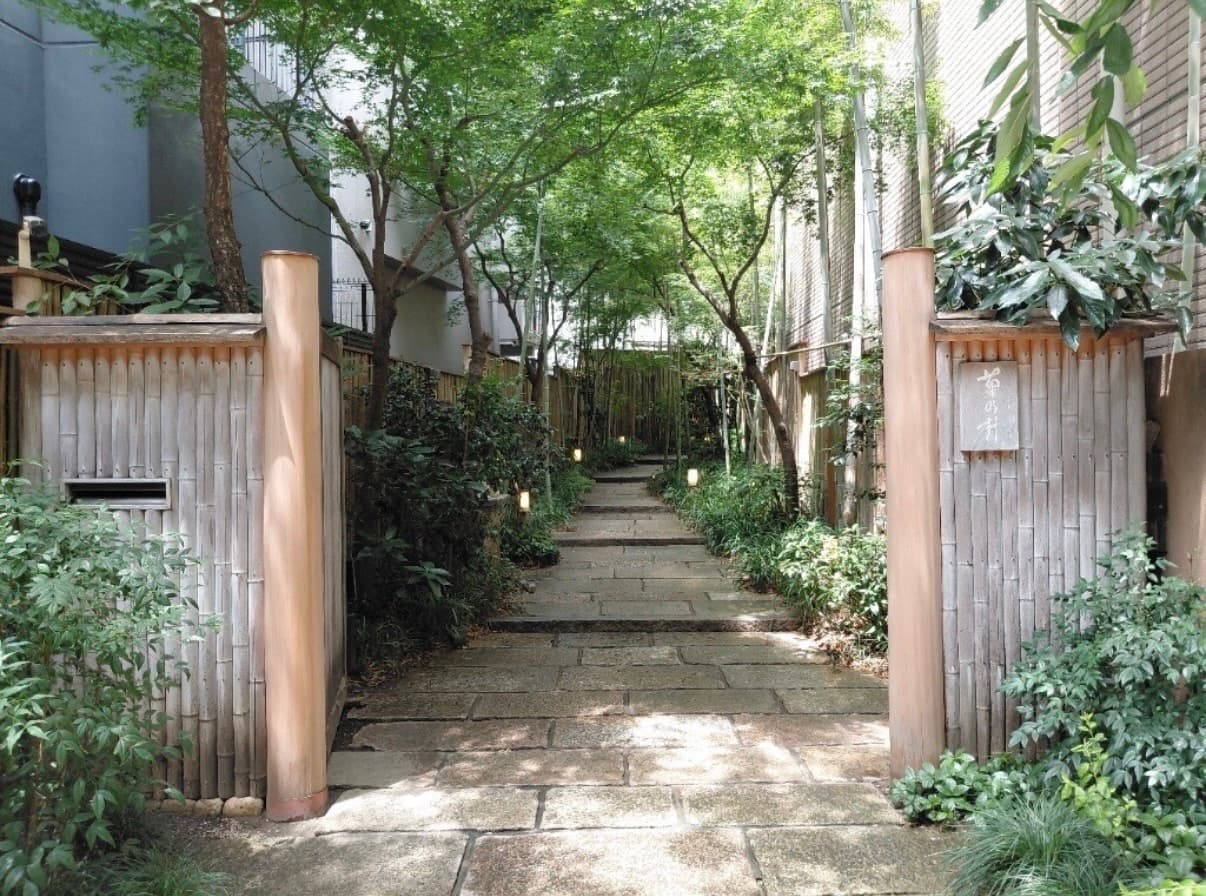
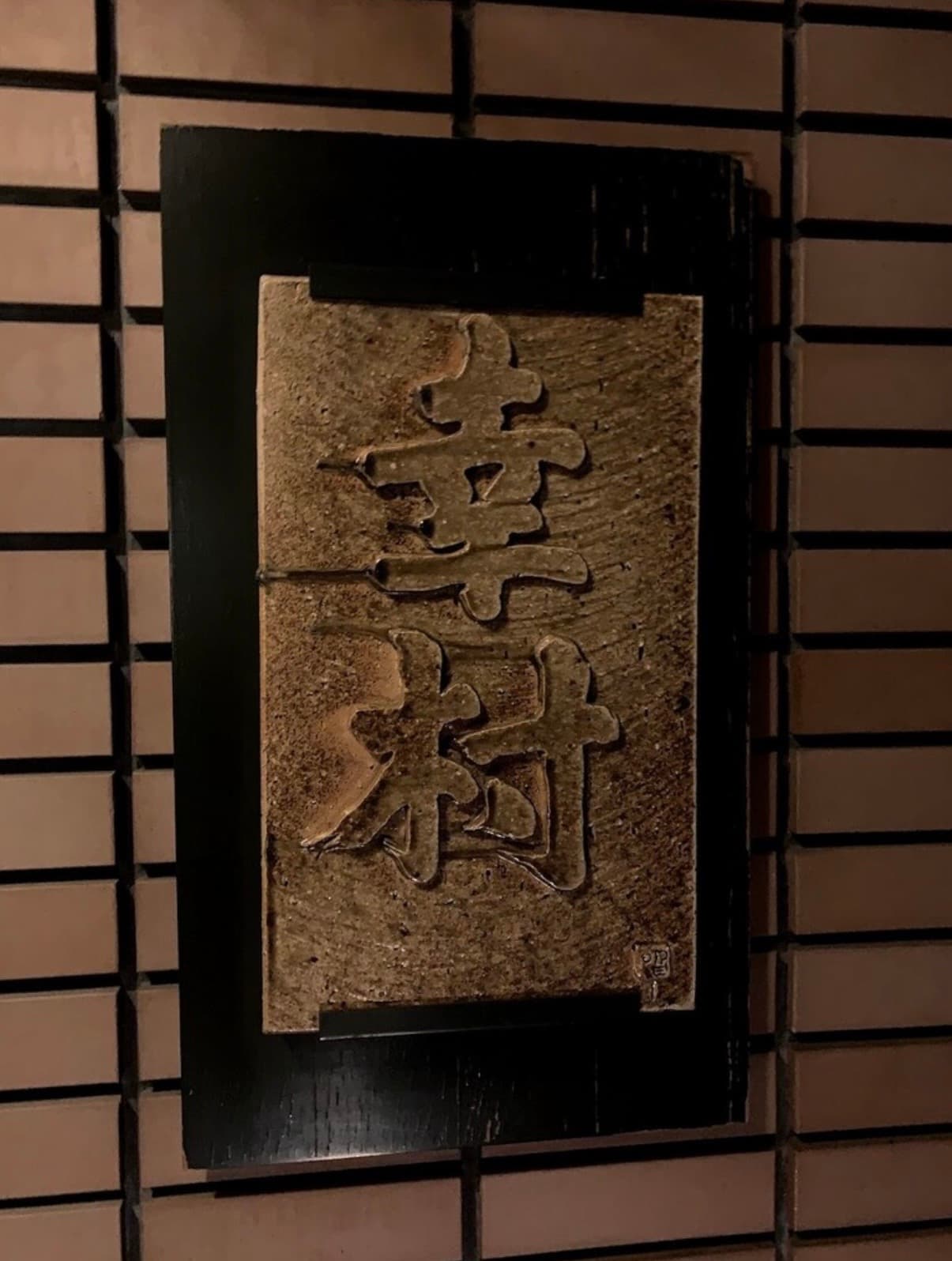
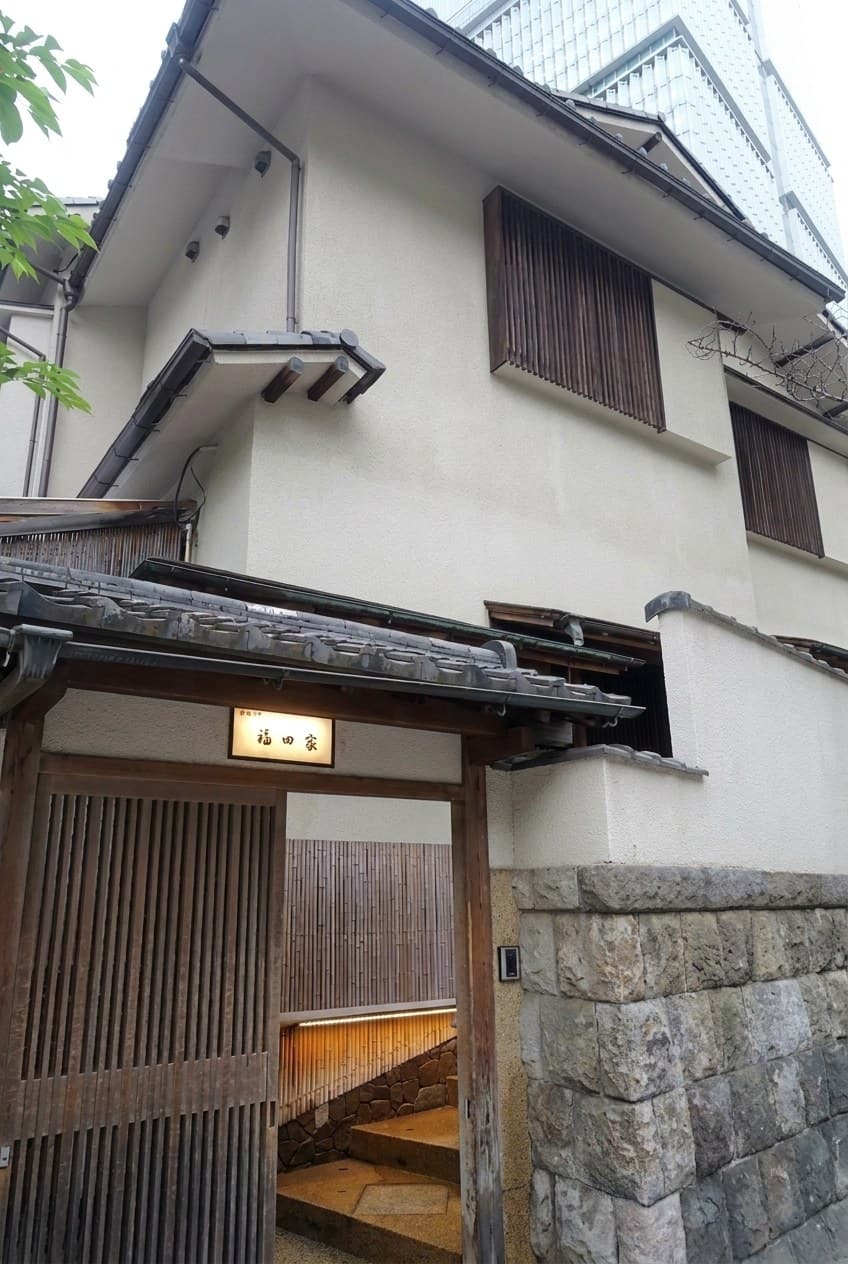
Ginza Shinohara (銀座 しのはら) is what happens when a chef at the top of a regional reputation throws it away and starts again in Tokyo. The cooking followed him. So did the booking system.
Why the house matters
Takemasa Shinohara grew up in Shiga, on the country side of Lake Biwa, and learned Japanese cuisine in Kyoto. He built a house in rural Shiga that food people crossed the country for — and then closed it, moved to Tokyo, and reopened in a Ginza basement in October 2016 with thirteen counter seats and no reputation to coast on.
The verdict came quickly. The house now holds Tabelog Gold and a place among Tokyo’s hundred‑name Japanese restaurants; its Tabelog score, 4.59, is among the highest in Ginza.
The Michelin Guide’s own description points at what makes the food distinctive: the flowering plants, wild animals and shifting seasons of the rural hillscapes Shinohara came from, rendered with Kyoto technique. The hassun platter — the composed seasonal course at the heart of kaiseki — is the house signature, and the hot‑pot courses are built to pull a whole counter into one flavour at once.
How to book in 2026
- Telephone only: 03‑6263‑0345. There is no online channel. The Michelin Guide listing carries the number, not a booking button.
- The line takes bookings for three hours a day: 12:00–15:00. Outside that window, no one is taking reservations.
- Roughly three months ahead. With thirteen seats across two evening sittings, call on the first day your dates become reachable, not a week later.
- Sittings start together — 17:00 and 20:30. This is not a “table for 19:30” house; the counter runs as one service, so arriving late costs you courses.
- Lunch at 12:00 on Tuesdays, Thursdays and Saturdays only. Closed Sundays.
- Thirteen counter seats. No private room, no buyouts, non‑smoking throughout.
- Guests must be 16 or older.
- Cards (Visa, Mastercard, JCB, Amex). No electronic money, no QR payment — see cash or card in Japanese restaurants.
Shinohara sits outside our collection; we can request it in the name of the guest who attends, at ¥12,000 per seat, charged only if we secure the table, and if the house declines a booking arranged on a guest’s behalf, we will tell you and nothing is charged. With a free account you can keep it in your booking calendar alongside the seats we do arrange. If you want the call made in Japanese inside the 12:00–15:00 window, that is the kind of thing our desk exists for.
What it costs
- One omakase course: ¥35,000, with seasonal supplements offered.
- Service charge on top; most guests report a final bill of ¥40,000–50,000.
For where that sits among Tokyo’s counters, see what omakase costs in Japan in 2026.
The cancellation angle
Several diners describe getting in on a seat that came free the week before — a reminder that a three‑month book is not a sealed one. If your dates are fixed and the first call fails, call again closer to the date, inside the same 12:00–15:00 window. Our guide to cancellation policies in Japan explains why seats get released rather than quietly resold.
Where it fits in a Ginza plan
Shinohara is the evening the trip is built around, which means it is the first call you make and everything else moves to fit it. Ginza rewards that kind of planning: a queued lunch at Ginza Hachigou costs you nothing in booking effort, and the sushi counters covered in the Ginza big three open their books on their own clocks.
For the broader strategy, see how to book restaurants in Tokyo.