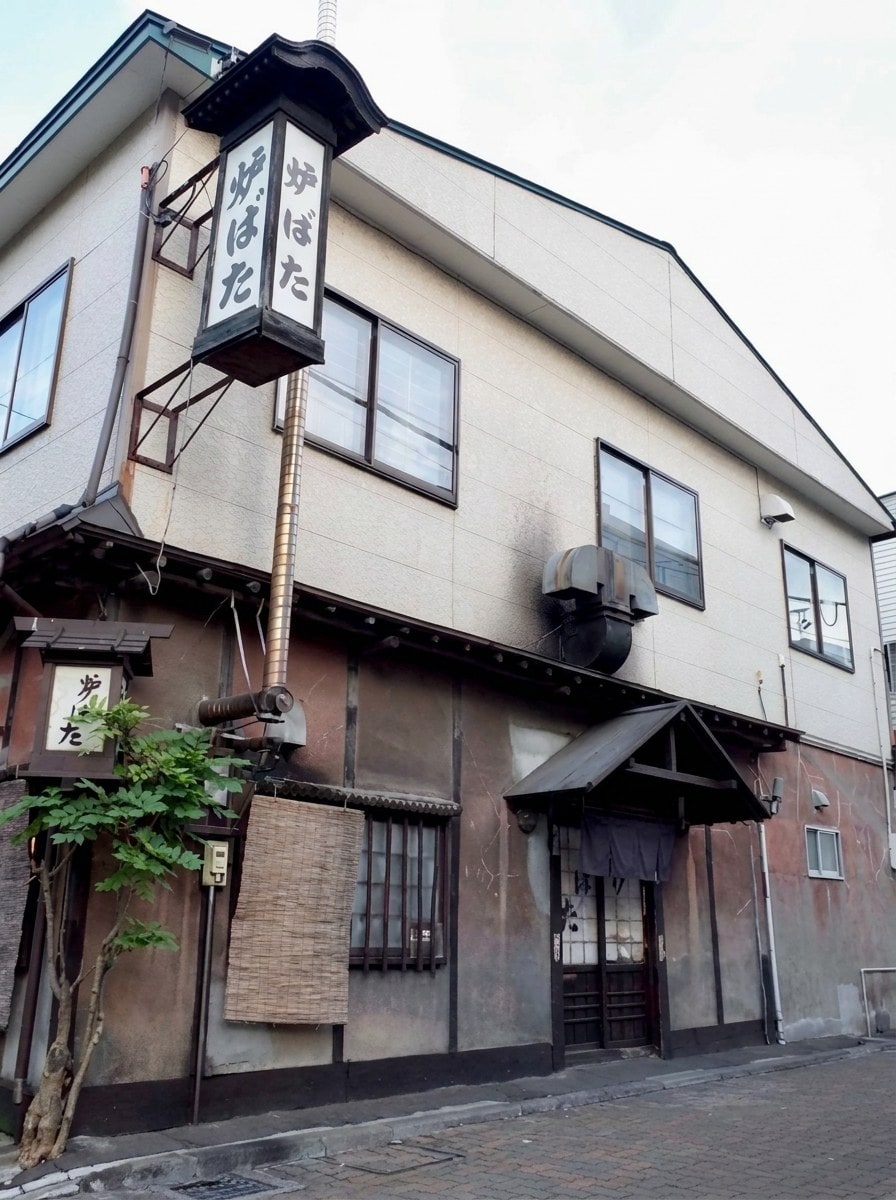
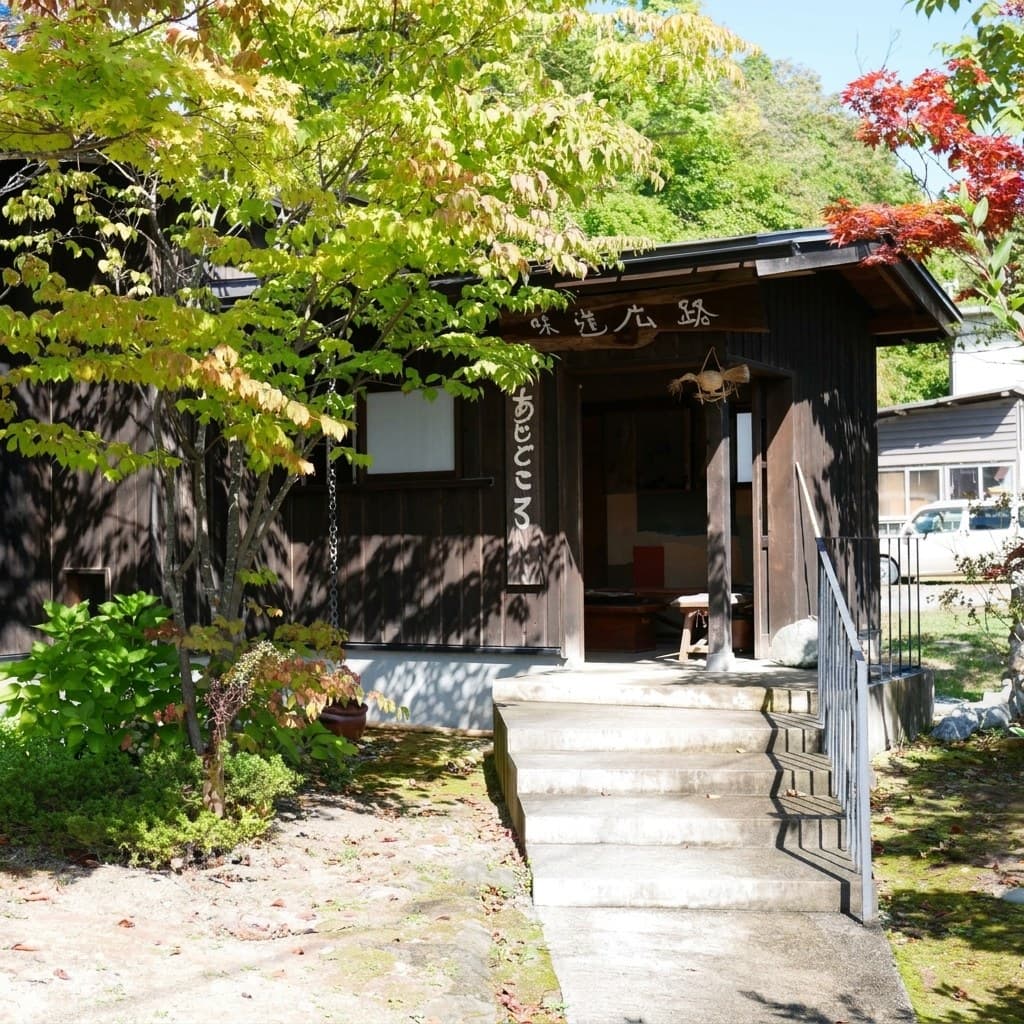
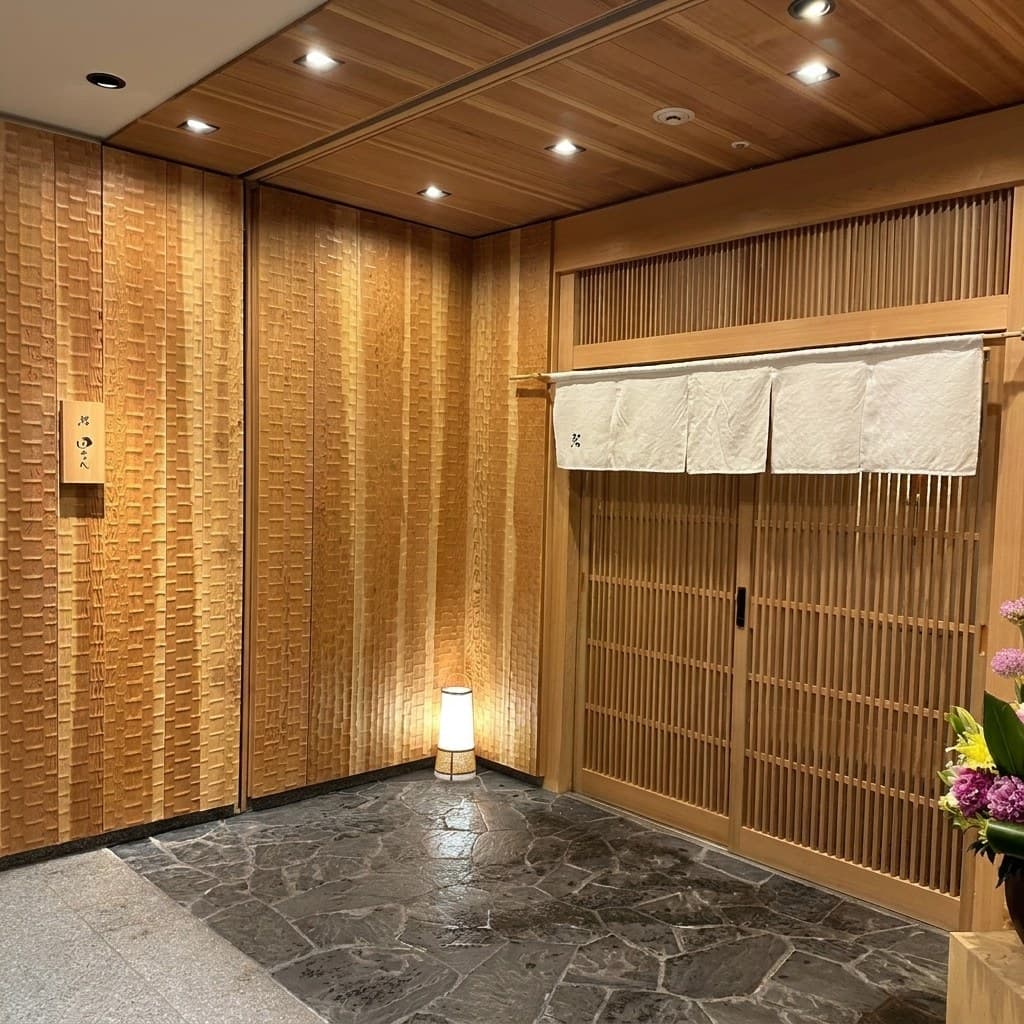
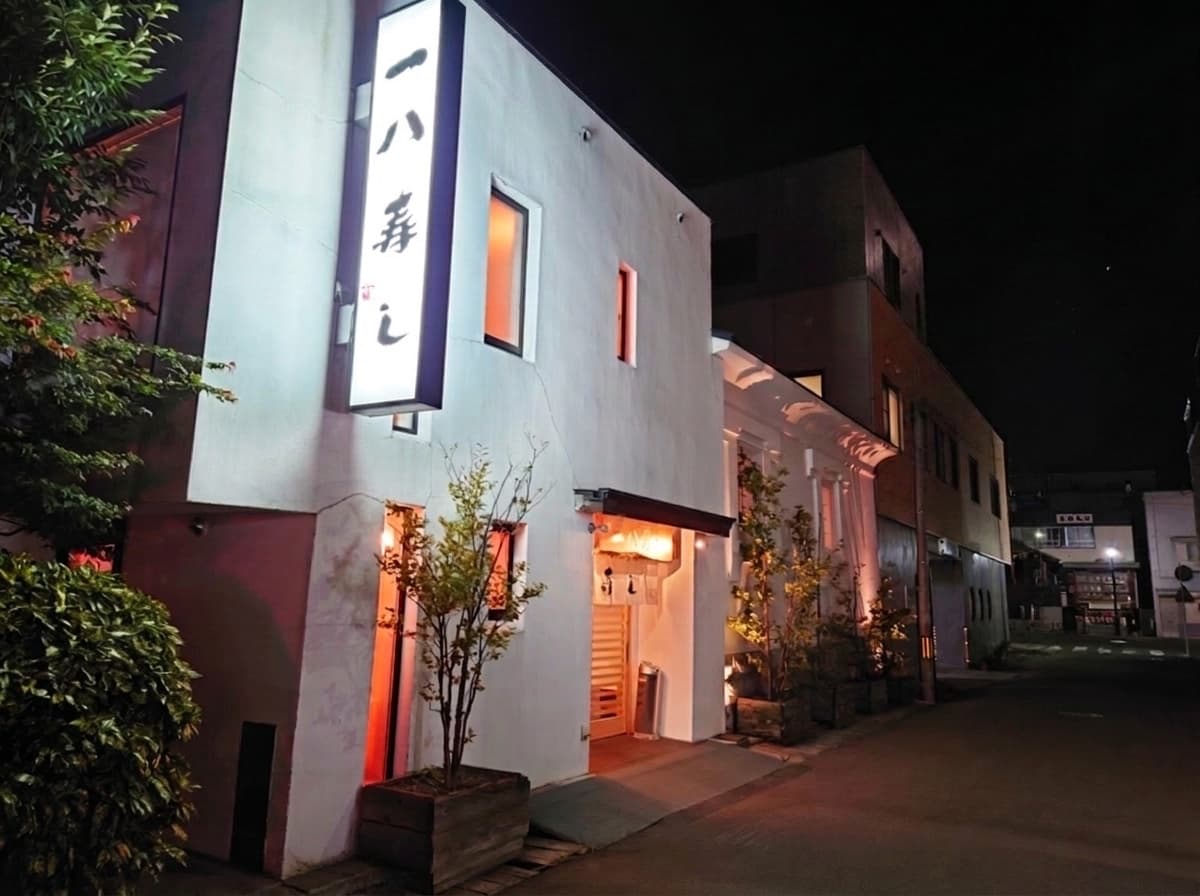
The 1951 house where Kushiro-style seafood robatayaki began — a sunken fire, a U-shaped counter, and a grill-mistress of around ninety still choosing the charcoal.
By SHOKU NOREN TeamFacts last verified September 2026How we check
In shortRobatayaki — the Kushiro hearth where seafood robata took its shape. Reservations run in Japanese and are hard to place from abroad, so our Tokyo desk requests the table for you, by phone and in Japanese.
Price
No prices on the menu.
Hours
17:00–23:00 (LO 22:30; closes 22:00 November–March) · three seatings: 17:00 / 19:00 / 21:00
Closed
Sundays in the off-season — open daily through Golden Week and August to mid-October; irregular closures announced by the house
Seats
About 20 at a U-shaped counter around the sunken hearth
Private rooms
None — one room around one fire
Payment
Cash only
Getting there
In Sakae-machi, central Kushiro — a walk or a short taxi from JR Kushiro Station
In 1951, Shimakawa Motoko saw a tavern in Sendai grilling vegetables
over charcoal and reasoned that Kushiro, a fishing town, could do the
same with its fish. The name and the vegetable‑grill idea were
Sendai’s; what took shape here — at the present Sakae‑machi site since
1953 — was seafood robatayaki (hearthside charcoal grilling), the form
that spread from Kushiro to the rest of Japan and then the world.
Locals call this house the robata of all robatas. The Michelin Guide
Hokkaido listed it in 2017.
What you eat
A sunken hearth ringed by a U‑shaped counter of about twenty seats, in
lantern light. The fire has always belonged to one person at a time:
for some fifty years the late Ōgaku Mitsu, the first grill‑mistress;
today Nakajima Shizuko, around ninety, who still chooses the charcoal
and grills alone while her granddaughter, the fourth‑generation okami
(proprietress), runs the room. The menu carries no prices. Rausu hokke
— Atka mackerel from the Shiretoko side, the fattiest of Hokkaido’s
grilling fish — is the signature, with shishamo (a small smelt eaten
whole), sanma (Pacific saury), kinki (a deep‑water rockfish), scallops,
and butter potatoes, and kan‑zake — hot sake — from the local brewer
Fukutsukasa ladled warm from the pot.
head, in cash; smoking is permitted, and the soot‑blackened ceiling is
kept on purpose — after a 2022 fire from the neighboring building
gutted the room, 557 backers raised over ¥8.6 million and the house
reopened in September 2023 with hearth, counter, and soot preserved.
The booking reality
The telephone, in Japanese, and a strict clock: the evening runs in
three seatings, at 17:00, 19:00, and 21:00, and the book opens about a
month ahead. From August to mid‑October — crab, saury, and the tourist
season — the house works daily and the 17:00 and 19:00 slots go first;
Sundays in the off‑season the fire rests, with irregular closures
announced by the house. There is no website form and no English line —
a one‑month‑out Japanese phone call is the whole game, which is
exactly the call our desk places, seatings and closure dates checked
in the same breath.
Want your first night in eastern Hokkaido spent where the form began,
not where it was later refined — order the hokke, take the warmed cup,
and watch a woman of ninety read the charcoal.
Free release-date alerts: the day before, on the morning of release day (08:00 JST) and about 30 minutes before when the time is known — or a weekly summary if the house opens a little every day.
Robata: common questions
Can you book Robata from abroad?
Yes, through our Tokyo desk. Phone only (0154-22-6636), in Japanese. The evening runs in three seatings — 17:00, 19:00, 21:00 — and the book opens about a month ahead; in the August–October rush the early seatings go first. Our desk calls and confirms. We call the restaurant for you, in Japanese, and the ¥6,000-per-seat fee is charged only if we confirm your table — no seat, no fee.
Some of these links are referral links: if you book through them we may earn a small commission, at no extra cost to you. Restaurants never pay us to be listed or ranked. Editorial policy
Cite this page
Facts on this page were checked by our Tokyo desk. You are welcome to quote them with a link: