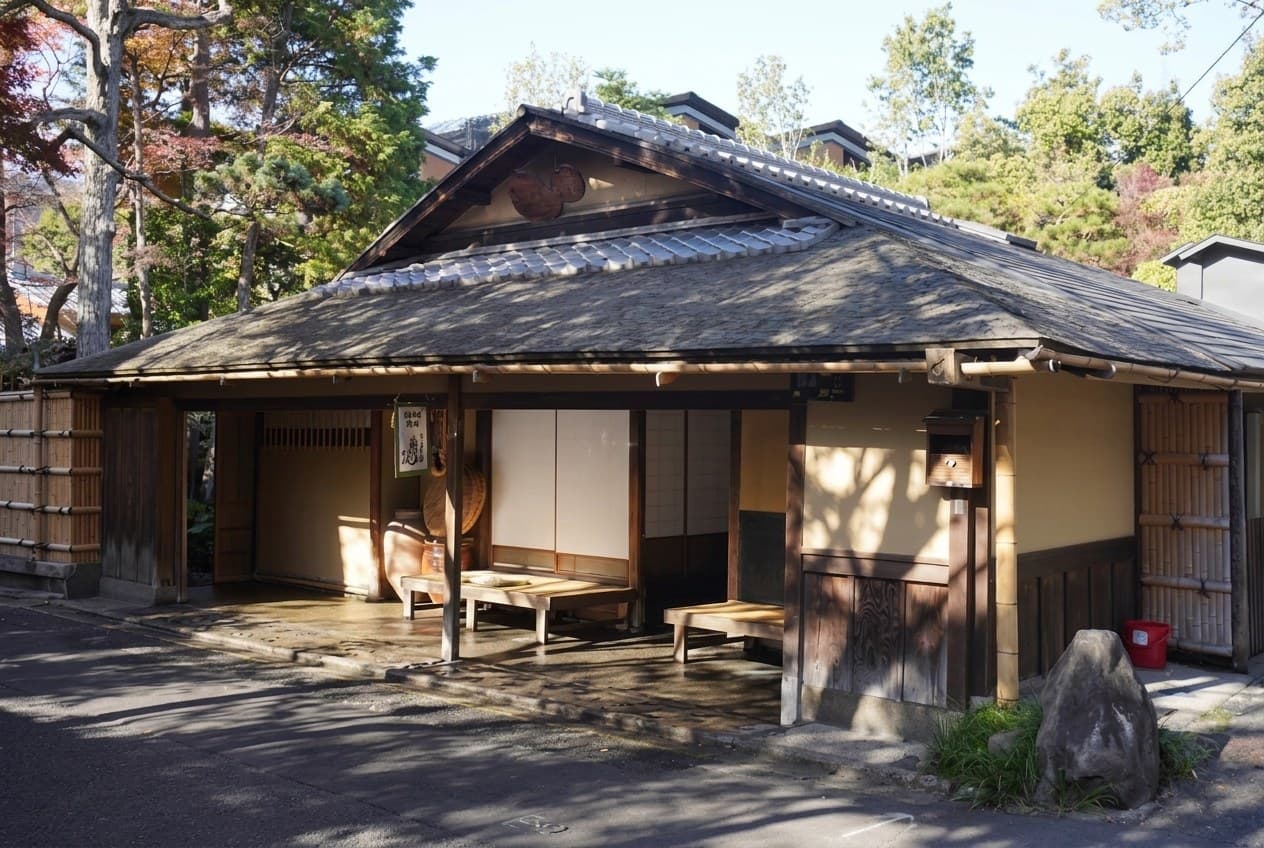
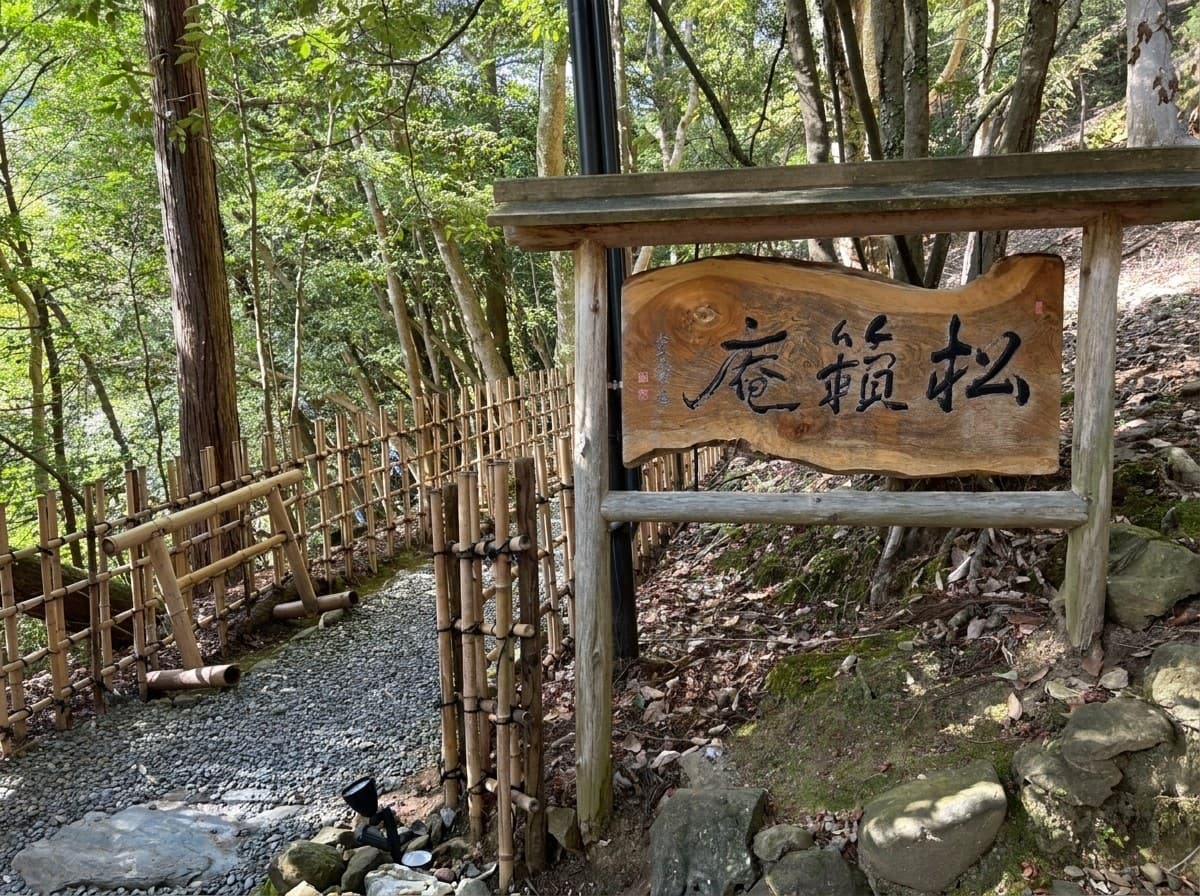
November is the month Kyoto’s great kitchens fill first. The maples draw the year’s heaviest crowds, and the classic kaiseki houses fill weeks, sometimes months, ahead. For a November 2026 trip, most release‑day counters have already opened, one opens on 1 October, and the large houses with rooms take requests now. Below: the dates, what the table tastes like, and how to fit meals around the temples.
When the leaves turn
Kyoto Prefecture’s official tourism guide, Another Kyoto, gives mid‑November to early December as the usual peak, and the Japan Weather Association’s tenki.jp lists the same window for Arashiyama. In the city itself the second half of November is usually the height of it, but the timing moves with each autumn’s temperatures, and warm years run late. Forecasts come out as the season approaches; any peak date offered in September is a guess.
The houses are candid about what the season does to their books. Kyoto Kitcho Arashiyama asks guests to contact it early for April and for November through January. In our records, Hyotei’s spring and autumn dates fill fastest, and Kikunoi Honten’s November dates need months of lead time rather than the usual weeks.
When November 2026 opens, house by house
Remember how Kyoto actually books. Most seats move by telephone, in Japanese, and through returning guests who rebook before anything reaches the public. The online releases below are a portion of each book, opened at a stated hour and gone quickly.
| House | Door | November 2026 |
|---|---|---|
| Ogata (kaiseki) | OMAKASE, one booking per quarter | Opened 10:00, Saturday 1 August |
| Gion Owatari (kaiseki) | OMAKASE, plus phone and Ikyu | Opened 13:00, Tuesday 25 August; December opens 13:00, Friday 25 September |
| Gion Sasaki (kaiseki) | Phone, in Japanese | Opened on the first business day of September (Tuesday 1 September) for every date through the end of November; December dates open on the first business day of October |
| Chihana (kappo) | Phone or Ikyu | Opened 1 September; each date closes two days before |
| Muromachi Wakuden (kaiseki) | Official web page, phone, OMAKASE | OMAKASE opened 00:00, Saturday 5 September; the web page and phone take bookings continuously |
| Kodaiji Jugyuan (kaiseki) | TableCheck, Ikyu, phone | Online three months ahead for weekdays and two for weekends and holidays, so November weekends reach the calendar through late September |
| Soujiki Nakahigashi (kaiseki) | Phone, in Japanese | Opens 08:00, Thursday 1 October, for the whole month |
An opened book is not necessarily a full one. Muromachi Wakuden says its web page shows only part of the room and that the phone can often find seats the page lists as full. Cancellations surface on the platforms without notice.
Three of the great houses have rooms instead of a release day. Hyotei books on TableCheck or by phone, two guests minimum; our Hyotei guide sets out the main house and the annex. Kikunoi Honten takes calls and has official online booking pages for overseas guests, covered in how to book Kikunoi. Kyoto Kitcho Arashiyama books by phone or its web form, confirmed by callback. For all three, do not wait for a release that will never come: request now. The full citywide picture is in how to book restaurants in Kyoto.
What the November table tastes like
November is late autumn on the kaiseki calendar. The matsutake season peaks in October and runs roughly through November, so early in the month the pine mushroom may still appear as dobin‑mushi or in rice; if it matters, say so when you book. Chestnut turns up in rice and sweets. Persimmon appears as fruit, as a dressing, or hollowed into a cup. Ginkgo nuts are roasted green. The hassun, the course of small seasonal bites, is often composed as fukiyose, a scatter of leaves, nuts and mushrooms meant to look windblown.
The month is a turning point for kitchens that come from tea. In November, tea practitioners open the sunken hearth for winter and break the seal on the jar of new tea picked in spring. The first winter ingredients begin as well: the Sea of Japan snow‑crab season opens on 6 November, as our crab guide explains. For the structure of the meal itself, read what kaiseki is.
Planning meals around temples and crowds
Put the temple first and lunch second. The best‑known maple temples are calmest at opening time. A kaiseki lunch booked near where your morning ends turns the day into a single walk rather than a crossing of the city. Lunch is also the easier seat. Our list of bookable Kyoto kaiseki makes the case in full.
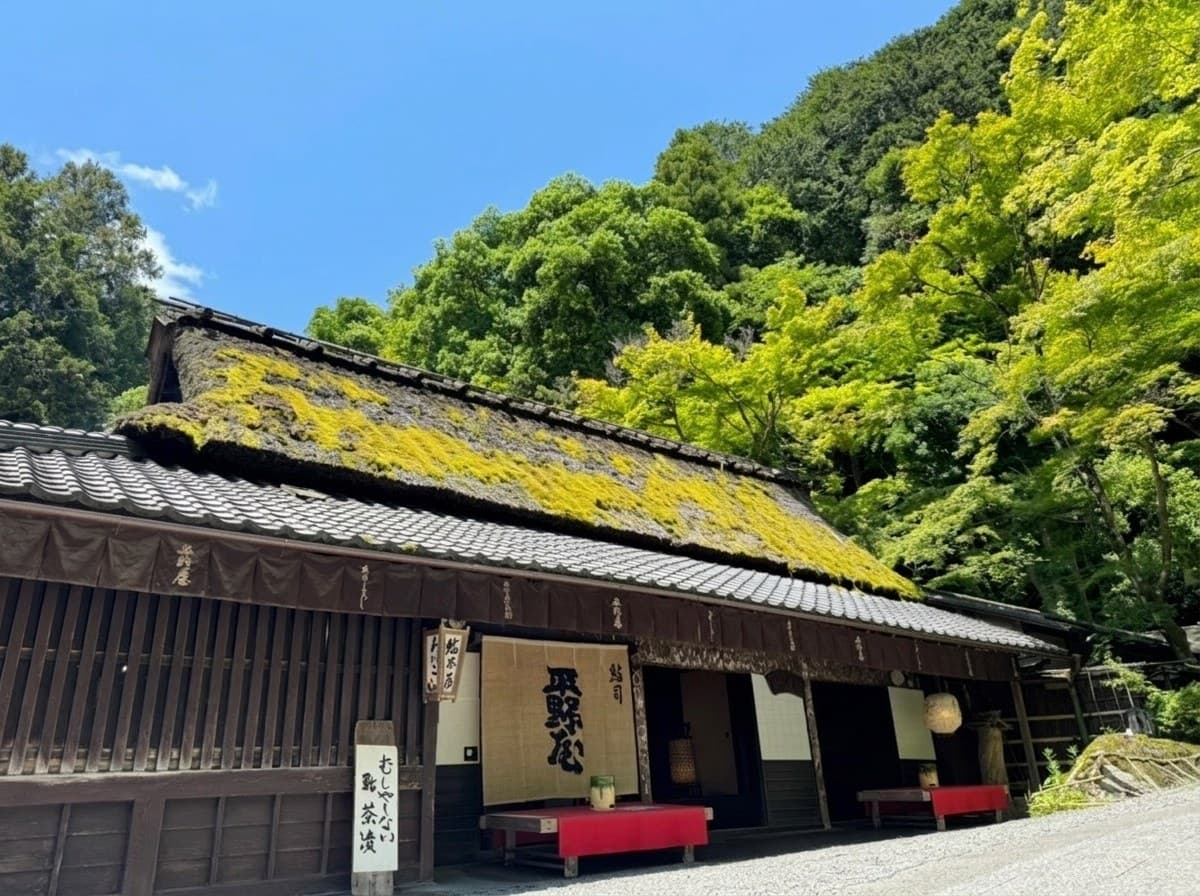
Match the house to the district. Hyotei stands at the approach to Nanzenji. Shoraian serves tofu kaiseki in Kameyama park above the Hozu river in Arashiyama. It opens on Wednesdays during the November foliage weeks, seats lunch at 11:30 and 13:30, and dinner must be booked by 17:00 the day before. At the far end of Sagano, Hiranoya serves matsutake courses in autumn in a thatched teahouse. In the north, Daitokuji Ikkyu cooks shojin to order at the temple gate, and its closing days follow Daitokuji’s calendar. Near Kodaiji and Kiyomizu, Tempura Endo on Yasaka‑dori books online, and its fourteen‑seat counter is the scarce seat.
Mind the calendar. In 2026, Labor Thanksgiving Day falls on Monday 23 November, so 21–23 November is a three‑day weekend. Expect those dates to fill first and the streets to be at their busiest. Weekday lunches are the most forgiving.
Leave margin. Buses and taxis slow badly in peak weeks, and kaiseki houses serve on a schedule. Kitcho Arashiyama’s last lunch order is 12:30. Late cancellation fees in Kyoto often reach the full course price inside a day or two.
Keep a walk‑in meal in reserve. Matsuba, beside the Minamiza theatre, takes no reservations. Izuu in Gion seats walk‑ins and presses mackerel sushi you can order ahead to carry away. Kaneyo in the Teramachi arcade takes walk‑ins and table bookings; arriving thirty minutes late without calling cancels the table, fifteen in busy seasons.
Where the desk fits
Nobody planning from abroad can sit on a Japanese phone line at 08:00. For the houses in our collection, that is our work. Requesting is free: we call the house, and when a seat is held we ask you to approve it. The booking fee, ¥6,000 per seat, is charged only if we secure the table and after you approve, and nothing is charged before. Some houses, Tempura Endo among them, do not accept bookings made on a guest’s behalf; for those we request in the name of the guest who attends, and if the house declines a booking arranged on a guest’s behalf, we will tell you and nothing is charged. With a free account, you receive release‑day alerts on the houses you save. Send your November dates through the reservation form.