Two days is enough to eat Kyoto properly if you build the plan around its two great counter formats — kaiseki and sushi — and let temples, gardens, and machiya cafes fill the space between. Fix the key seats about a month ahead and the rest of the city takes care of itself.
The shape of the plan
Kyoto’s headline meals are worth reserving; the rest of the city is walk‑in. So fix two seats and improvise around them:
- One kaiseki meal — ideally at lunch, when the great houses serve a shorter, far cheaper course and seats are easier to win. If you are new to the format, read what kaiseki is first.
- One sushi dinner — chosen from our best bookable sushi in Kyoto, which sorts the city’s own pressed tradition from its quiet omakase counters and explains how each is actually secured.
Book both roughly a month out. Treat that as the average, not a law: the famous ryotei fill their cherry‑blossom and November‑foliage weeks two to three months ahead, while an ordinary June or February books far closer in. Our survey of the kaiseki in Kyoto you can actually book sorts the rooms by lead time, and if the two formats still blur, kaiseki versus omakase settles it in two minutes.
Day 1 — city center and Higashiyama
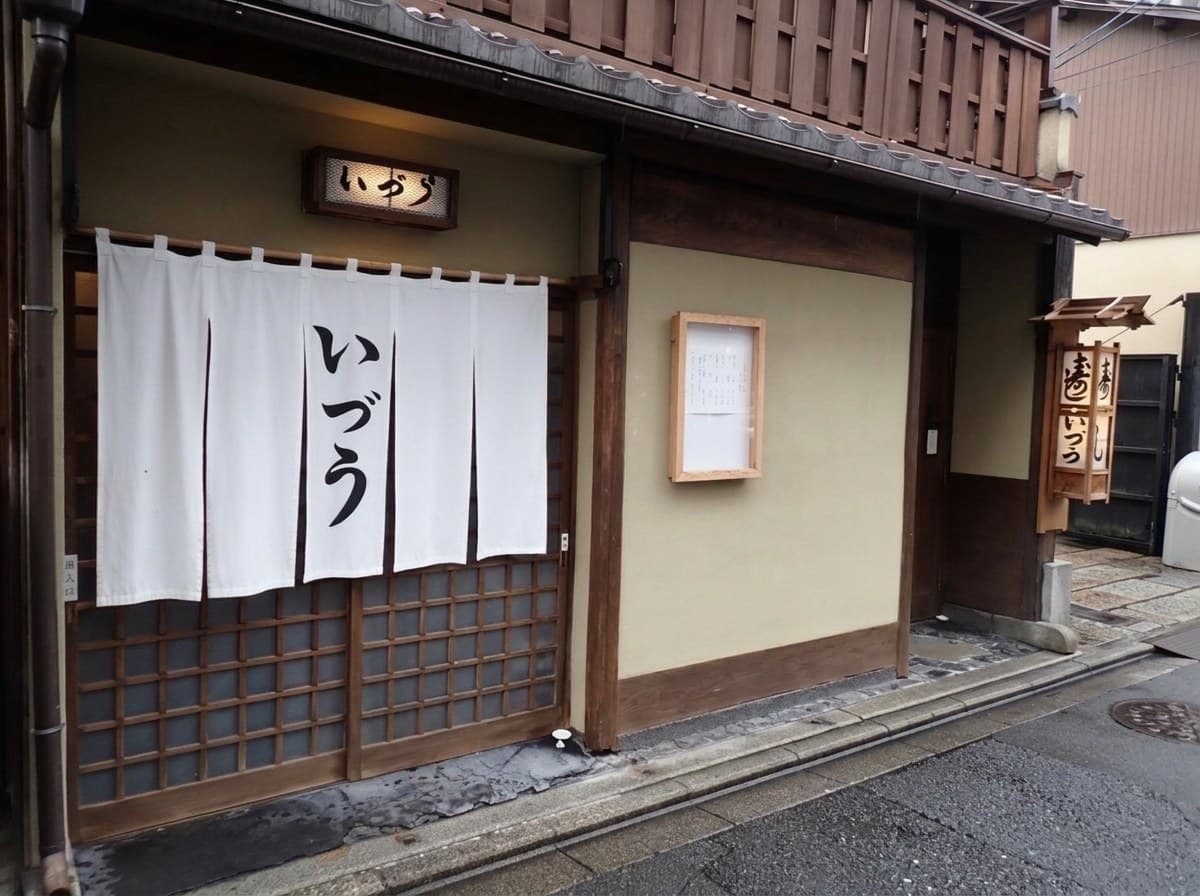
- Morning. Nishiki Market for breakfast bites and knives, then the lanes of Gion toward Kiyomizu‑dera — pausing at Izuu, the 1781 house credited with originating saba‑zushi, Kyoto’s pressed mackerel sushi, also sold in boxes to carry away (closed Tuesdays).
- Lunch. Kaiseki — the day’s centerpiece — in a garden room.
- Afternoon. A machiya cafe for matcha and warabi‑mochi in a restored townhouse; walk the Philosopher’s Path if the season suits.
- Evening. Your sushi counter, then a quiet stroll along Pontocho.
Day 2 — Arashiyama and the river
- Morning. The bamboo grove early, before the crowds, then Tenryu‑ji.
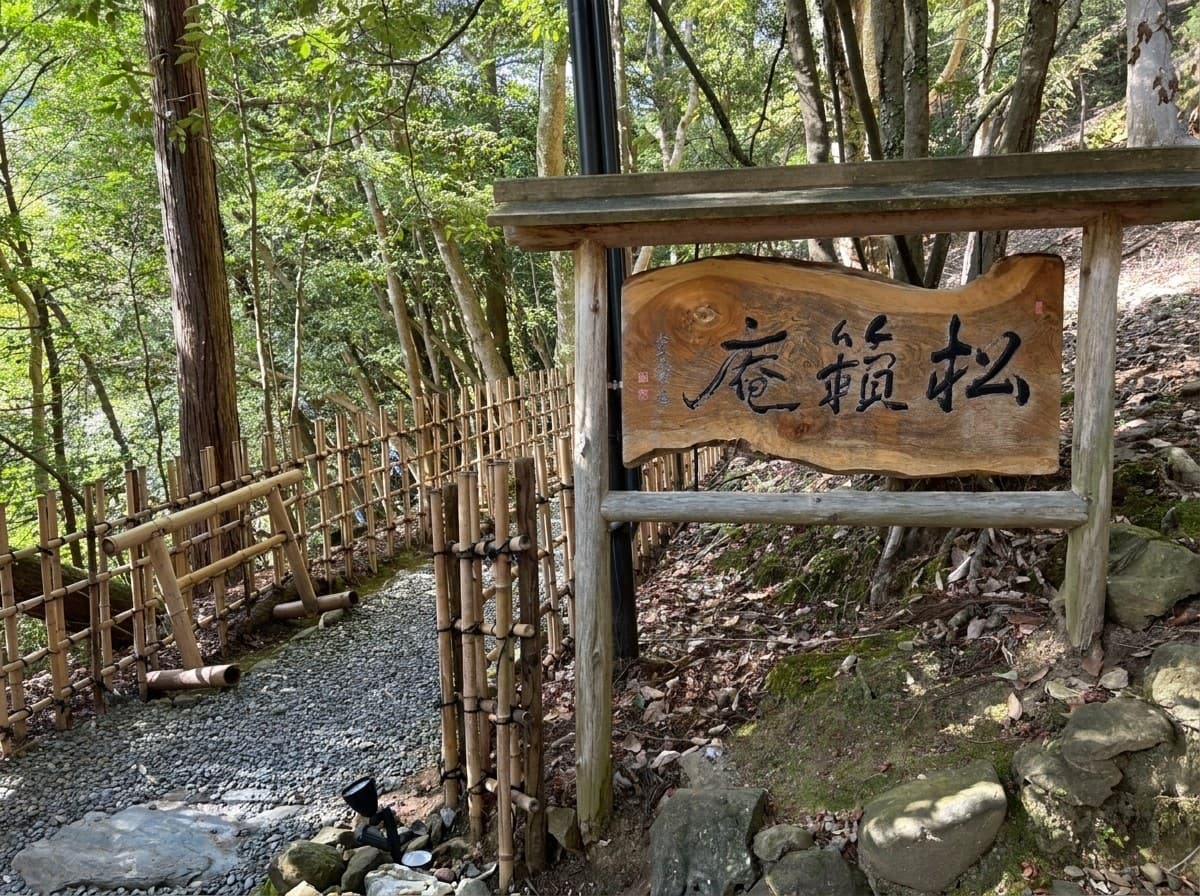
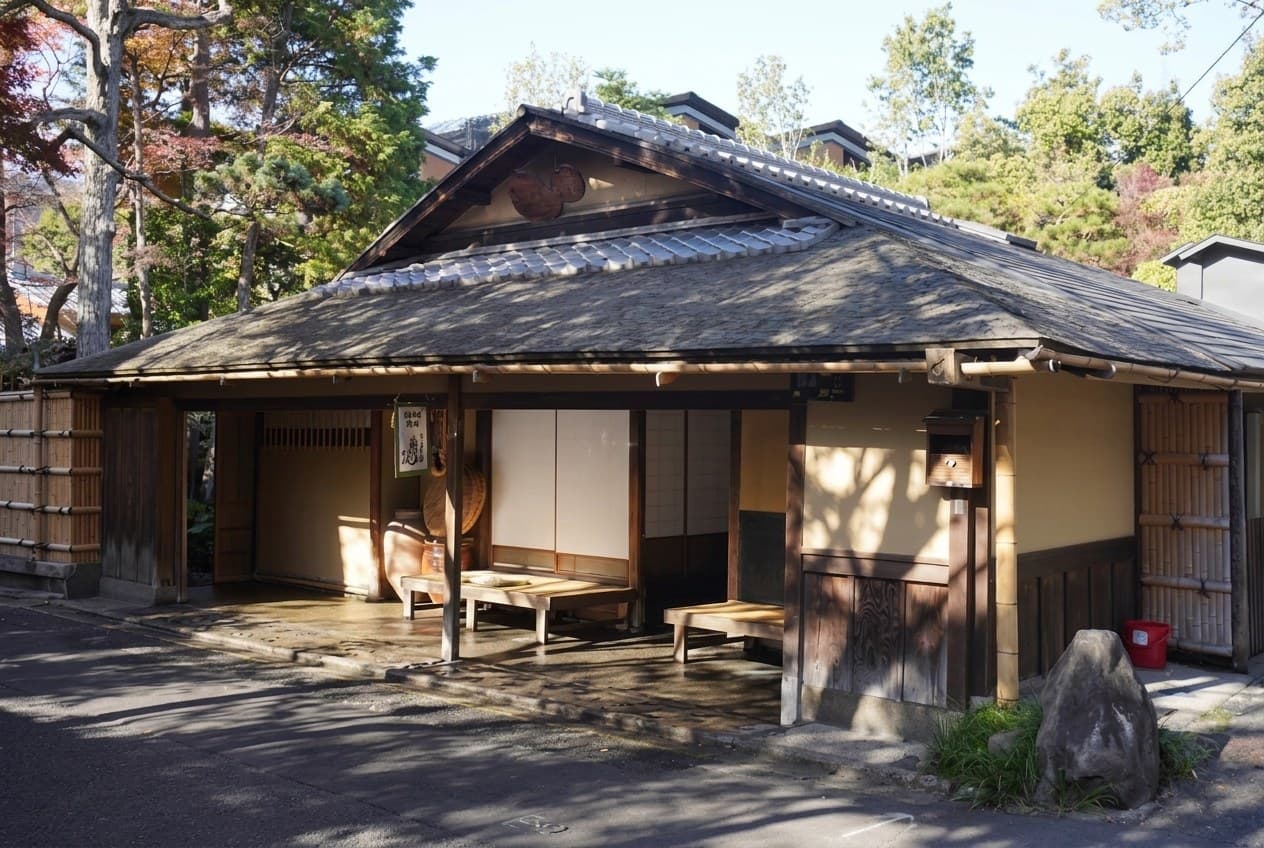
- Lunch. Tofu kaiseki at Shoraian, a former prime minister’s villa above the Hozu rapids inside Kameyama park — a secluded, vegetable‑forward meal reached on foot through the woods. Booking is by phone only, in Japanese; closed Wednesdays except in Golden Week and the November foliage season.
- Afternoon. The Hozu‑gawa boat ride or the Sagano railway back downriver.
- Evening. Something casual — an obanzai counter of Kyoto home‑style small plates, or a second sushi seat if you booked one.
Eat the season, not just the city
The calendar decides what your two headline meals contain, so it is worth knowing before you book. Summer, June through August, belongs to hamo — the bone‑cut pike conger served chilled with plum sauce, the fish of July’s Gion Matsuri. October and November bring matsutake and the dobin‑mushi teapot broth; spring opens with bamboo shoots. And in July and August only, the main house of the centuries‑old ryotei Hyotei beside Nanzenji serves its famous asagayu morning rice porridge — a gentler, comparatively attainable way into one of Japan’s great houses. Those summer seats open on TableCheck in monthly batches, roughly four months ahead; the annex serves its porridge breakfast year‑round. If your dates fall in one of these windows, say so when you reserve; a house that knows you came for the season will cook to it.
Getting there, realistically
Kyoto is about 15 minutes from Shin‑Osaka and a little over two hours from Tokyo by shinkansen; in town, buses and the two subway lines cover almost everything. The only hard part is the two headline seats — win those a month out and the rest of Kyoto opens easily. Tell us your dates and we will book the counters first.