In shortKaiseki — Kyoto haute cuisine in the classical mode. You can book it online yourself, or our Tokyo desk can request the table for you.
Price
Main-house kaiseki lunch from ¥31,625 and dinner from ¥37,950 until 31 October 2026; from 1 November 2026, lunch ¥44,275 and dinner ¥50,600 (tax and service included) · annex morning gruel ¥5,445. Prices are indicative, as listed on TableCheck (October 2026).
Hours
Main house 12:00–15:00 (LO 13:00) · 17:00–21:30 (LO 19:00) · annex 8:00–11:00
Closed
Main house Wednesdays · annex Thursdays · plus irregular days
Seats
Counter and private tatami rooms with tea-ceremony rooms
Private rooms
Yes — tatami rooms and tea rooms
Payment
Cards accepted (no e-money or QR codes) · +10% service
Getting there
Near Nanzenji temple, a short walk from Keage Station on the subway
Party size
2 guests minimum · 6 or more by phone
Children
Aged 12 and over
Dress code
No shorts, sandals or bare feet
Dietary needs
Halal and vegan menus are not available · Some allergies cannot be accommodated; ask when booking
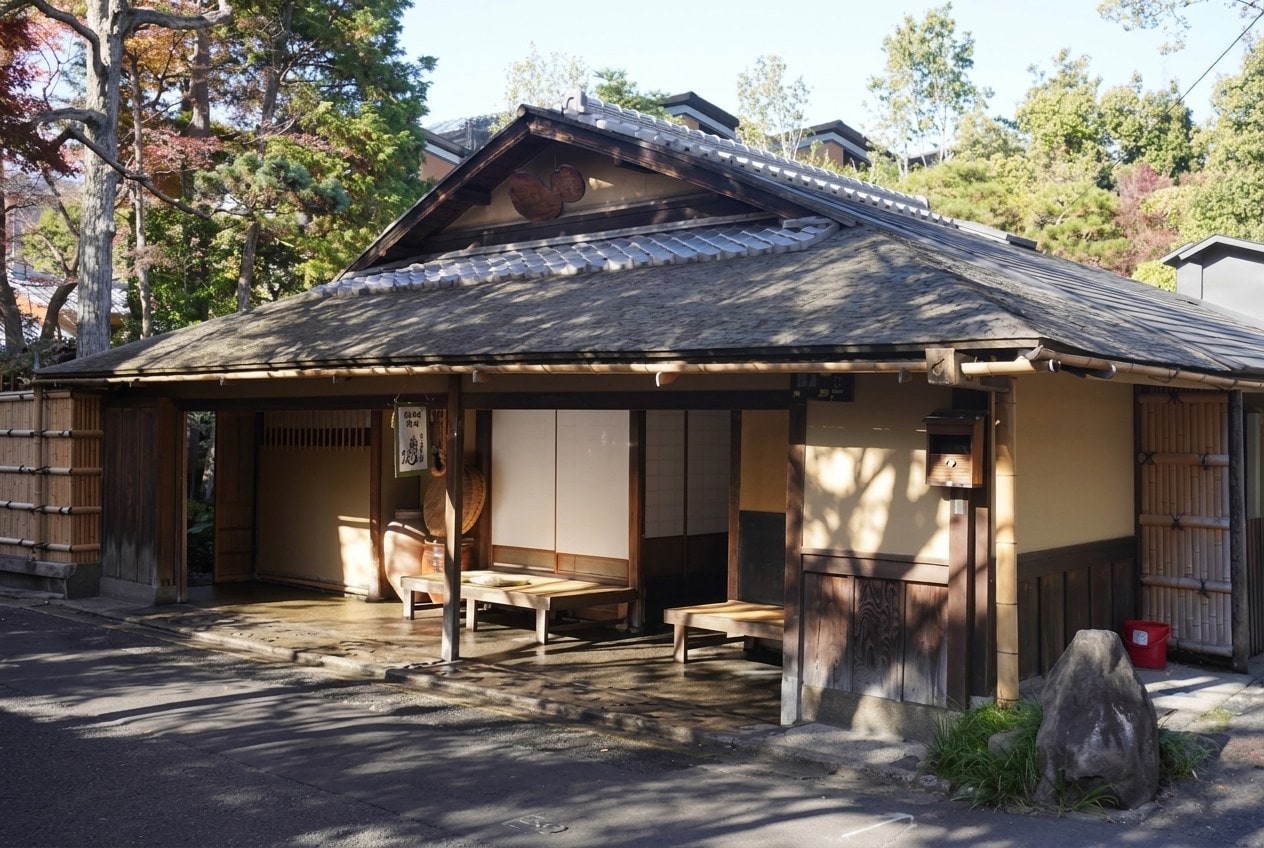
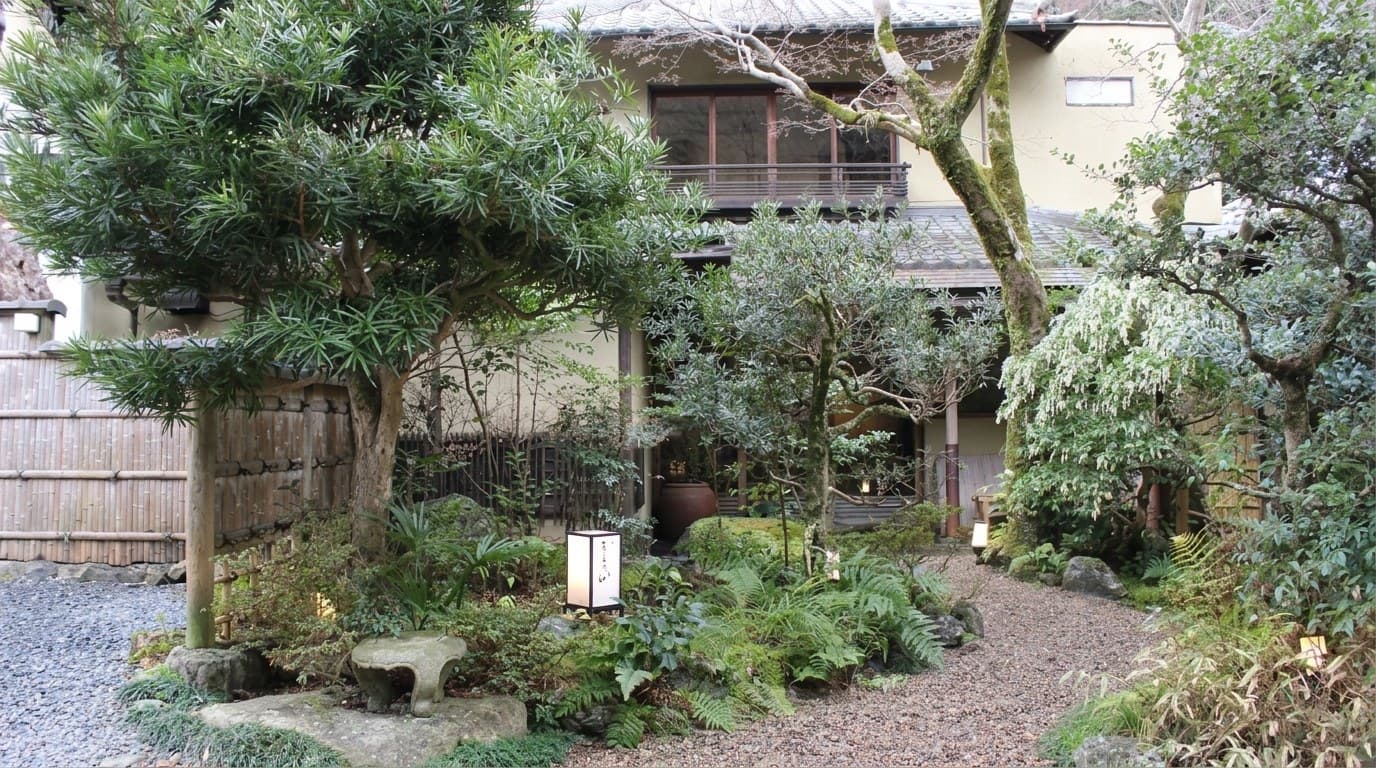
Hyotei began as a roadside teahouse at the main gate of Nanzenji, a rest stop for pilgrims, and became a restaurant in 1837. Some four hundred years of continuity stand behind it, and it held three Michelin stars in the Kyoto‑Osaka guide for many years from 2009. The fifteenth‑generation owner, Yoshihiro Takahashi, cooks kaiseki — Japan’s formal multi‑course cuisine, born from the tea ceremony — in a lineage older than almost everything else on a Kyoto table.
What you eat
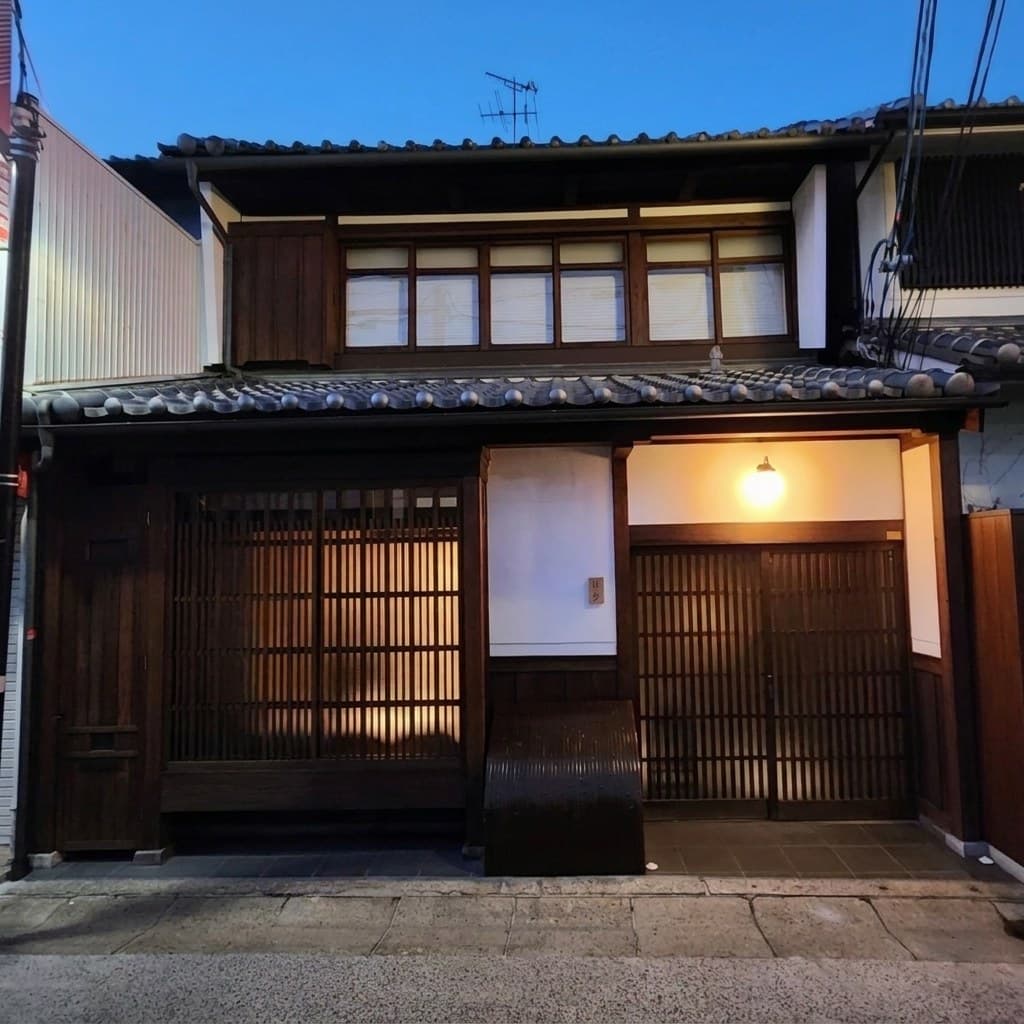
The signature is deliberately humble: the Hyotei tamago, a boiled egg whose yolk is held at one precise softness, served the same way for generations as part of the hassun (the course of small seasonal bites). Around it moves the calendar. The main house serves full kaiseki — lunch from ¥31,625 and dinner from ¥37,950 until 31 October 2026; from 1 November 2026, lunch ¥44,275 and dinner ¥50,600, tax and service included — plus its summer asagayu (morning rice gruel, July–August, ¥7,590) and winter uzuragayu (quail gruel, ¥22,770). The annex next door opens only in the morning (8:00–11:00) and serves its gruel breakfast at ¥5,445 — the same kitchen’s discipline at a fraction of the price, and the realistic first visit for most travelers. Prices are indicative, as listed on TableCheck (October 2026).
The booking reality
Both houses take bookings online through TableCheck, for two to four guests, on separate pages — so choose the right one, because the main house and the annex run different menus, hours and even closing days: the main house rests Wednesdays, the annex Thursdays, with irregular days on top. One phone number, 075‑771‑4116, answered in Japanese, covers both, and parties of six or more must call. The house asks each party to choose a single course, admits children from twelve (served the adult menu), and cannot cater for halal, vegan, or a wheat allergy that rules out soy sauce and miso. There is no release day for kaiseki — one to three months ahead is normal, with spring and autumn filling fastest — but the main house’s July–August asagayu opens in monthly batches: in 2025, August seats opened on 1 April. Where a Japanese‑speaking desk still helps is what a booking form cannot hold — a room request or a dietary question, settled with the house before you land.
You can book it online yourself, or our Tokyo desk can request it for you. Request this table →
Save it for
The traveler who has eaten well across Japan and wants the origin rather than the interpretation — a single deliberate meal by the temple, whether that is the full kaiseki or an 8 a.m. bowl of gruel at the annex.
Free release-date alerts: the day before, on the morning of release day (08:00 JST) and about 30 minutes before when the time is known — or a weekly summary if the house opens a little every day.
Hyotei: common questions
Can you book Hyotei from abroad?
Yes. Online on TableCheck (main house or annex, two to four guests) or by phone in Japanese; two-guest minimum, six or more by phone. You can book online yourself, or our Tokyo desk can request the table for you; our ¥6,000-per-seat fee is charged only if we confirm your table.
Some of these links are referral links: if you book through them we may earn a small commission, at no extra cost to you. Restaurants never pay us to be listed or ranked. Editorial policy
Cite this page
Facts on this page were checked by our Tokyo desk. You are welcome to quote them with a link: