Japan's Crab Season: Kobako, Echizen, Matsuba and Where to Eat Them
By SHOKU NOREN TeamFacts last verified August 2026How we check
In shortJapan's snow-crab (zuwai-gani) fishery on the Sea of Japan opens each year on November 6. Males — sold under regional brands like echizen-gani (Fukui), kano-gani (Kanazawa) and matsuba-gani (San'in) — run through roughly March; the small female kobako-gani, packed with roe, is legal only until late December, making it one of the shortest and most fanatically awaited seasons in Japanese food. The Hokuriku coast between Kanazawa and Fukui is the classic place to eat it, from crab-specialist ryokan to Kanazawa's oden counters.
There is a date circled on every Hokuriku calendar: November 6. At dawn that morning the Sea of Japan snow‑crab fishery opens, and for the next few weeks the coast from Kanazawa to Fukui runs on crab the way Kyoto runs on temples. For a traveler, it is the single best reason to visit Japan in early winter — if you know what the names mean and how short the windows are.
One crab, many names
Nearly everything below is the same species — zuwai‑gani, the snow crab. What changes is sex and landing port:
Echizen‑gani — males landed in Fukui; the oldest brand, historically the only crab presented to the imperial household. Yellow tags certify the port.
Kano‑gani — males landed in Kanazawa.
Matsuba‑gani — males of the San’in coast (Tottori, Shimane, northern Hyogo); taiza‑gani, from one small port in northern Kyoto, is the connoisseur’s rarity.
Kobako‑gani (Fukui says seiko‑gani) — the female: small, inexpensive next to the males, and to locals the true prize — shell packed with orange sotoko, deep‑amber uchiko and sweet leg meat in one lacquered handful.
Hokkaido’s kegani (horsehair crab) and the giant taraba (king crab) are different animals with different rhythms — kegani is landed somewhere in Hokkaido nearly year‑round.
The season windows, exactly
Males (echizen, kano, matsuba): November 6 → roughly March 20.
Females (kobako/seiko): November 6 → late December — under two months, by conservation rule. This is why Japanese food lovers drop everything for kobako in late November: there is no catching up in January.
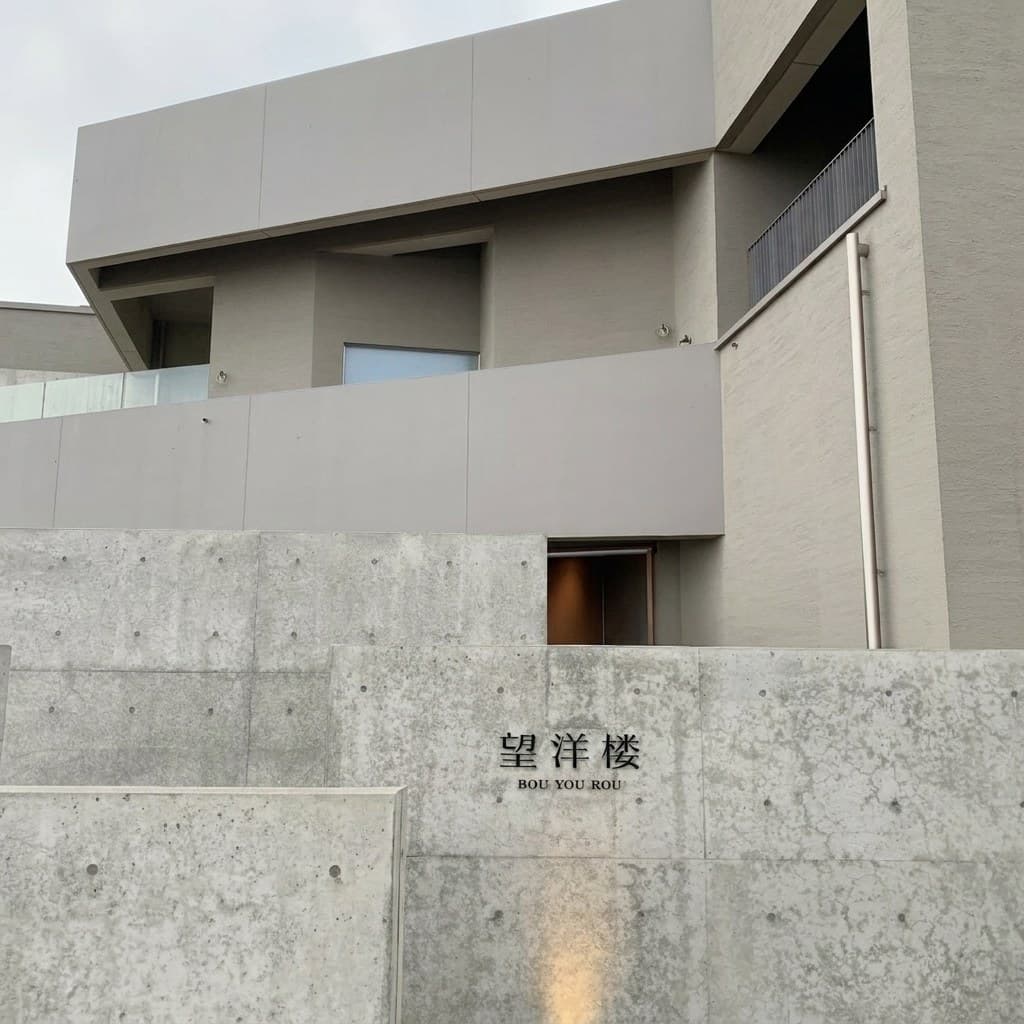
At the source, Fukui: the crab houses of Mikuni port serve echizen‑gani hours from the boat — Bouyourou, the seven‑room crab ryokan over the harbor, is the classic address; stays open on its own site about six months ahead, and the weeks from opening day to New Year go first.
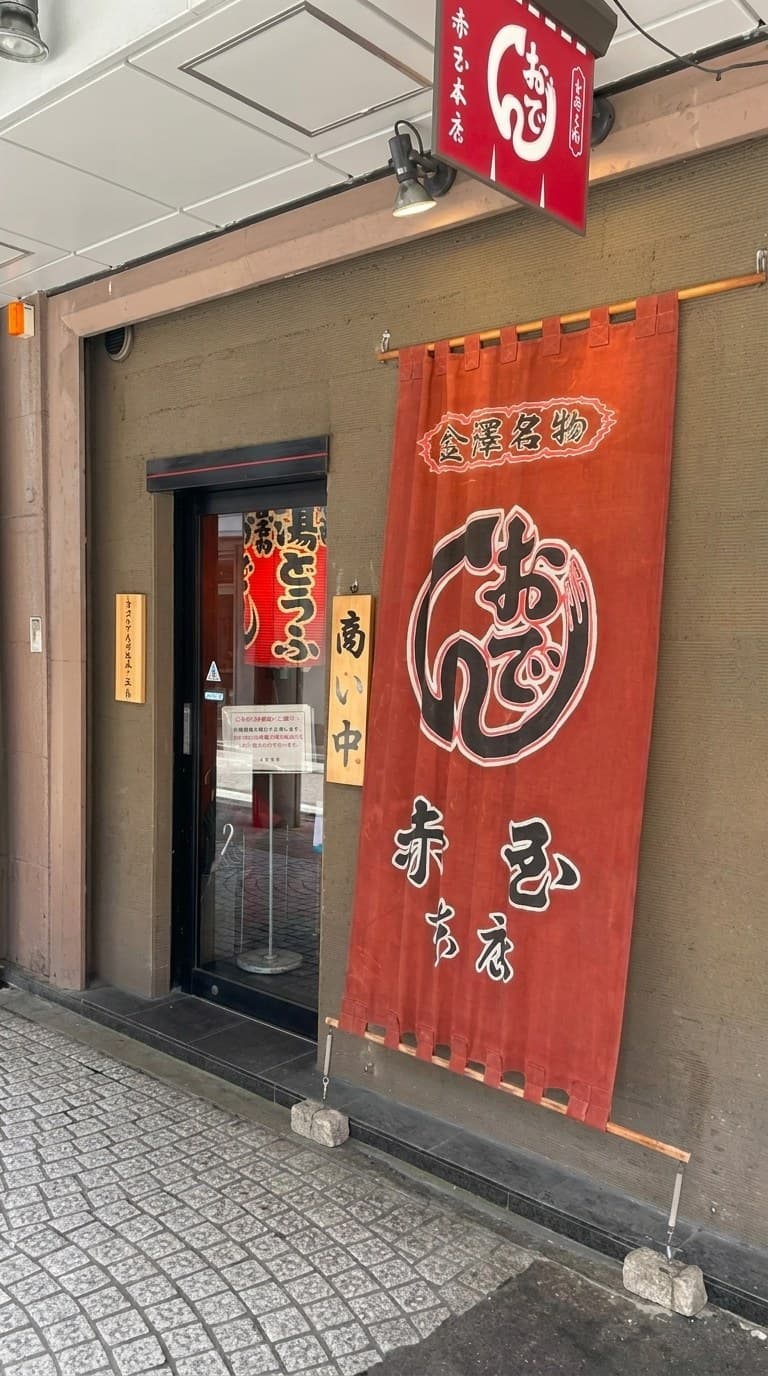
Kanazawa, the kobako ritual: the city’s most beloved winter dish may be kobako crab at an oden counter — Kanazawa Oden Akadama serves the famous crab‑crowned oden that queues form for; evening tables (from 16:00) can be booked online or by phone, and in season the kani‑men is pre‑ordered with the table. Cash only. Build the rest of the eating day with our Kanazawa food guide.
As a journey: crab port, oden counter, sake and the winter coast in one arranged run — that is exactly the shape of our Hokuriku journey.
Booking reality
Once the fishery opens, brand‑crab dinners at the famous houses sell out weeks ahead, and top tables for late November and December go earlier every year. If crab is the point of your trip, fix the dates now and send the request — we go after the season’s tables as soon as they open.
Frequently asked
When is crab season in Japan?
The snow-crab fishery on the Sea of Japan opens on November 6 every year. Male crabs are landed through roughly March 20, while the prized female kobako-gani (also called seiko-gani in Fukui) may only be taken until around the end of December — a window of under two months. Hokkaido's kegani (horsehair crab) is a different species, landed somewhere in Hokkaido almost year-round.
What is kobako-gani?
Kobako-gani is the female snow crab of the Hokuriku coast — a fraction of the male's size, but carrying both the orange outer roe (sotoko) and the richer inner roe (uchiko) plus dense leg meat. Locals prize it above the expensive males. Because the catch is legal only from November 6 to late December, it is a genuine now-or-never seasonal delicacy.
What is the difference between echizen-gani and matsuba-gani?
They are the same species — male zuwai (snow) crab — under regional brand names tied to the landing port. Echizen-gani is landed in Fukui and is the only crab historically presented to the imperial household; kano-gani is Kanazawa's brand; matsuba-gani covers the San'in coast around Tottori and Shimane; taiza-gani, from a single small port in northern Kyoto, is the rarest. Colored tags on the shell certify the port of landing.
Where should travelers eat crab in Japan?
The Hokuriku coast is the classic answer: crab-specialist houses in Fukui's Mikuni port for echizen-gani at the source, and Kanazawa for kobako-gani — including the beloved winter ritual of kobako crab at an oden counter. Book November and December tables early; brand-crab dinners at the famous houses sell out weeks ahead once the season opens.
Free release-date alerts: the day before, on the morning of release day (08:00 JST) and about 30 minutes before when the time is known — or a weekly summary if the house opens a little every day.