Kyoto confuses first‑time sushi travelers, and reasonably so. This is an inland capital that for centuries lay far from fresh fish, yet it has its own sushi tradition — older than most in Tokyo — plus a small set of modern counters working the Seto Inland Sea. The trick is knowing which is which, and which you can actually book.
Kyoto’s own sushi: pressed, not raw
Before refrigeration reached the old capital, sushi here meant preservation. Salted mackerel was carried inland from the Wakasa coast along the Saba Kaido — the “mackerel road” — then pressed with vinegared rice and wrapped in a broad sheet of kelp that seasons and protects it. The result, saba‑zushi, is dense, clean, and unmistakably of Kyoto.
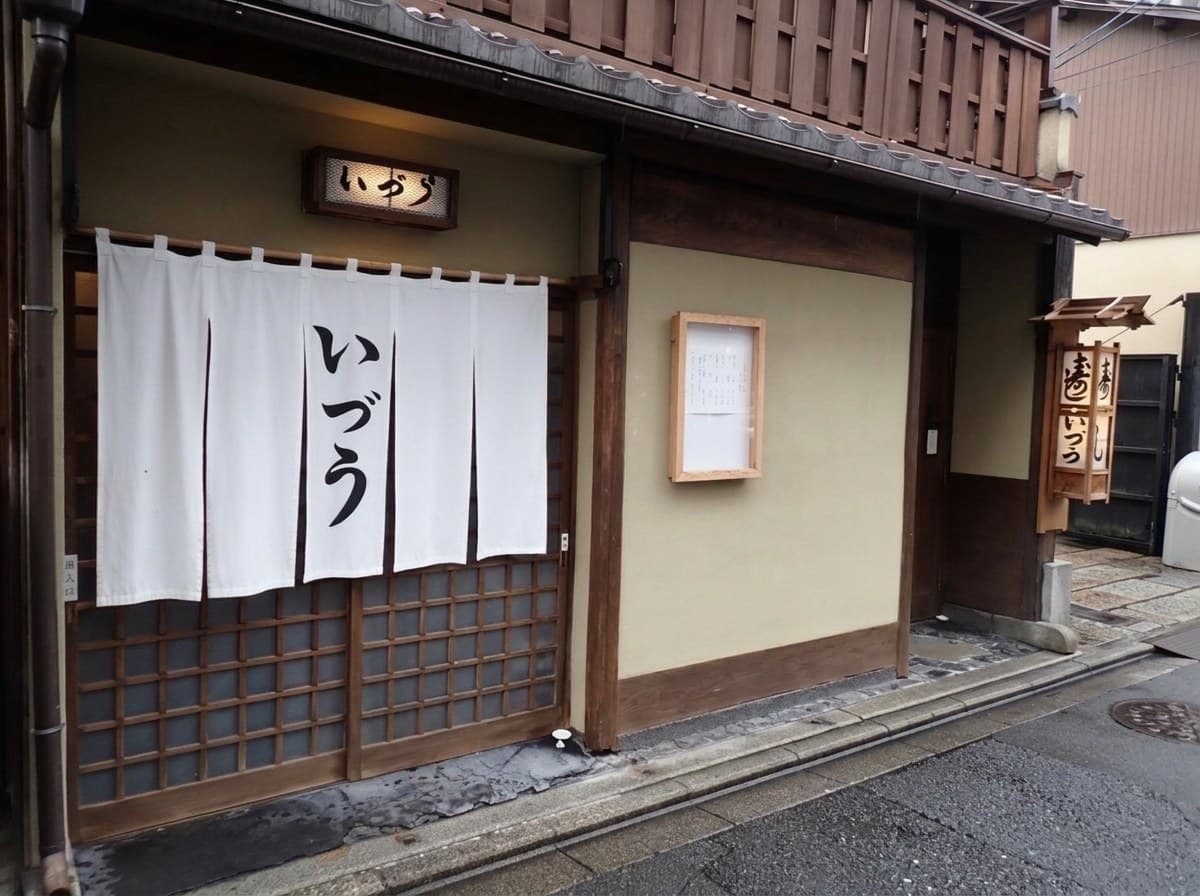
The house that defines it is Izuu in Gion, open since 1781 and credited with originating the style. It sells by the piece or the box, keeps a small tatami room, and offers takeaway — no release‑day race required. Start here to understand what Kyoto means by sushi.
The modern counters, and why they are hard
Kyoto also has a handful of contemporary omakase counters, quiet rooms seating eight to twelve, working the day’s Seto Inland Sea catch in a restrained local register. They are excellent and they are small — which is precisely the problem. Seats vanish quickly, several take no online booking at all, and English is limited.
- Plan roughly one month ahead for the best rooms.
- Expect phone‑first, Japanese‑first booking at the top counters.
- Assume dinner sets the itinerary, not the other way around.
How the seats are actually secured
For overseas visitors, the realistic routes are a luxury hotel concierge or a dedicated booking desk — not an app. The mechanics, platform by platform, are laid out in our guide to booking sushi in Kyoto. If your dates are fixed and your standards high, that is the door to use.
A river night that isn’t sushi
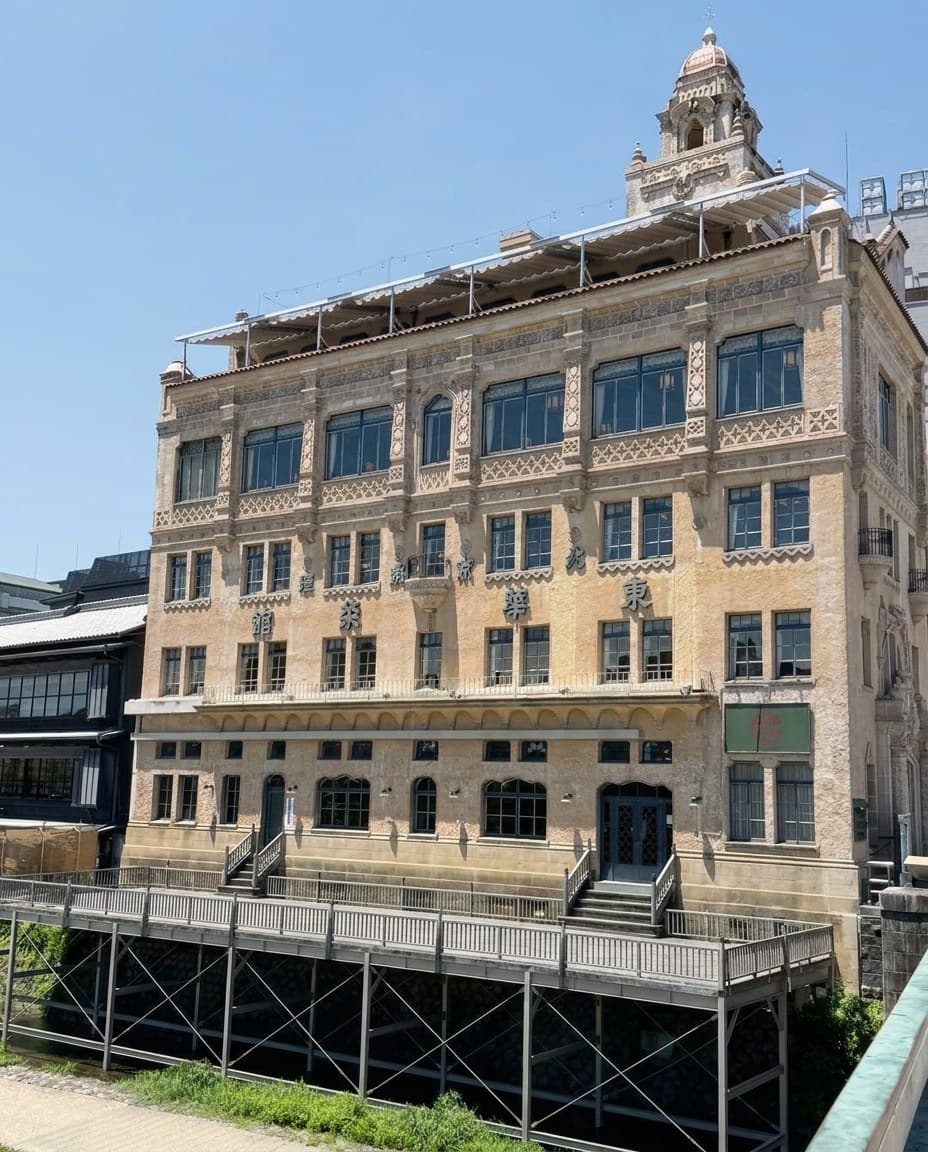
If your sushi night is set, spend another beside the water at Tohka Saikan — a 1926 Vories landmark on the Kamogawa serving Beijing‑style Chinese, its 1924 Otis elevator still climbing to the riverside rooms. It rounds out a Kyoto eating itinerary that sushi alone never quite covers.
Tell us the nights that matter and we will build the counter first — the way a Kyoto food itinerary is best assembled.