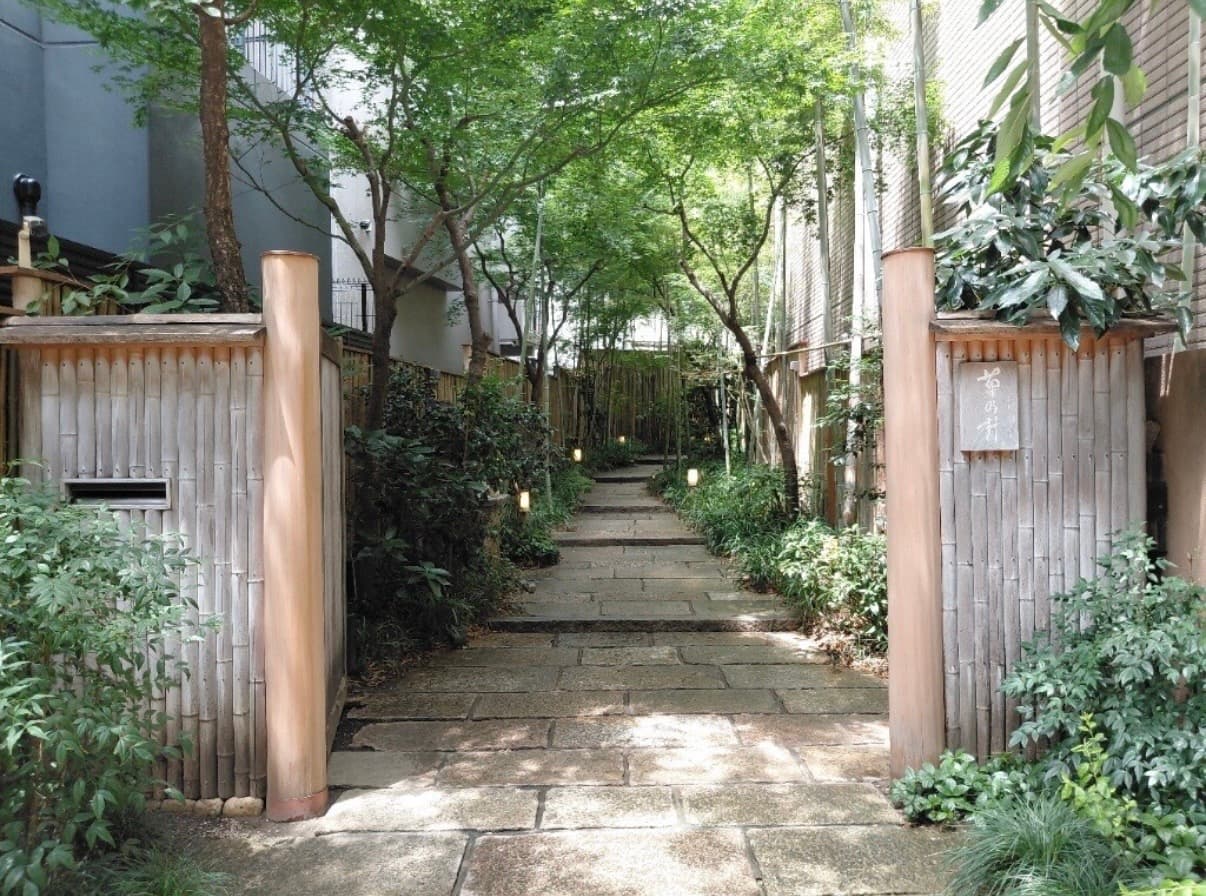
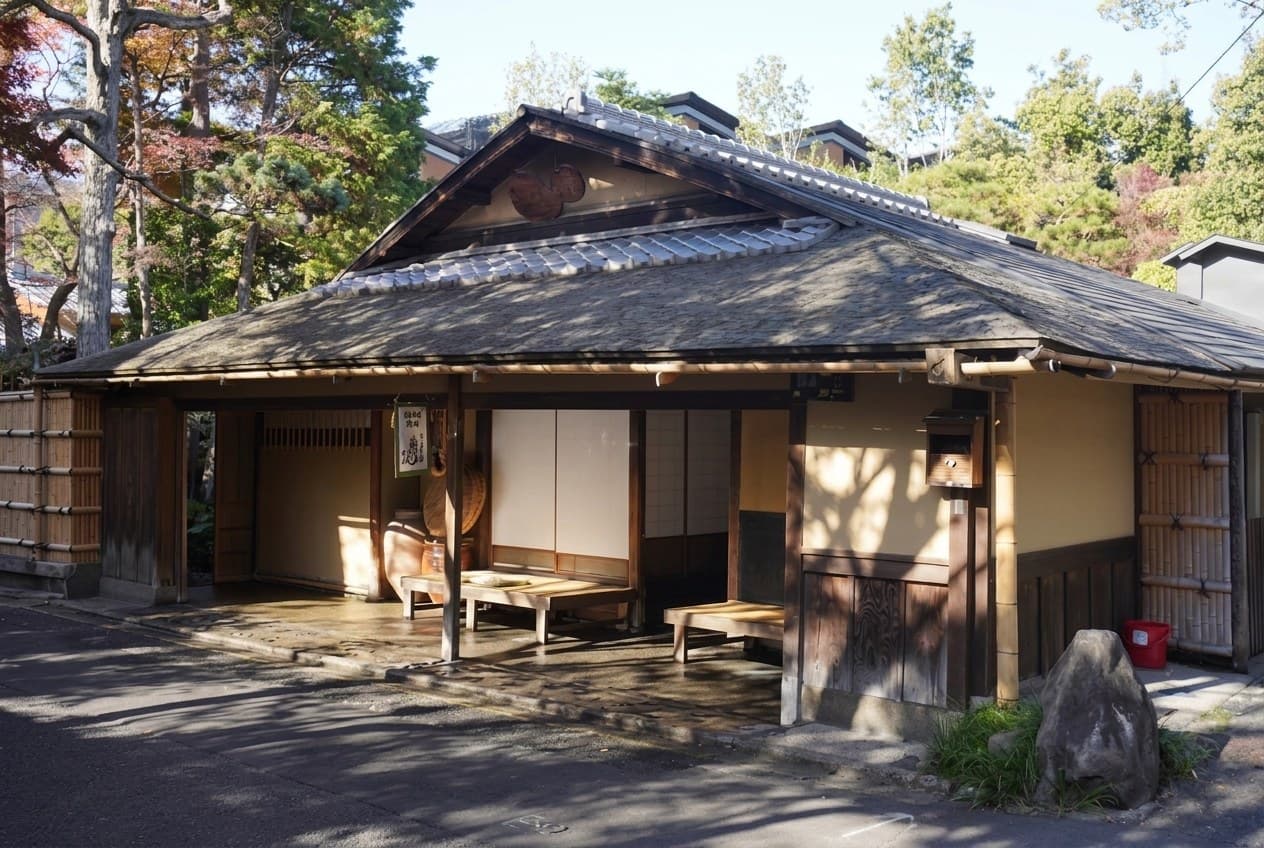
Most of the restaurants at Japanese cuisine’s absolute summit have closed their doors to strangers — a pattern we chart across this whole site. Kikunoi is the great exception: a ryotei with Three MICHELIN Stars (MICHELIN Guide Japan 2026) that still answers its phone and takes new guests. If one grand kaiseki night anchors your Kyoto trip, this is the bookable pinnacle.
What Kikunoi is
Founded in 1912 beside the temple slopes of Higashiyama, Kikunoi Honten is kaiseki‘s living textbook — private tatami rooms, garden light, and the seasonal procession composed by Yoshihiro Murata, third‑generation master and one of washoku’s great ambassadors: central to the campaign that placed Japanese cuisine on UNESCO’s intangible heritage list, teacher to a generation of chefs. The dashi here is the reference version; the autumn matsutake and summer hamo arrive exactly when the calendar says they should.
How to book, practically
Phone: +81‑75‑561‑0015, 10:00–22:00, in Japanese. The Honten closes on the first and third Tuesdays.
Official English (and Chinese) online booking — the house maintains these pages precisely for guests from abroad; this is the smoothest route for most readers.
Lead time: weeks for ordinary dinner dates; months for November foliage and early‑April blossom, Kyoto’s two great crunches — see the booking calendar.
Dietary needs: declared at booking, handled graciously; the mechanics are in our dietary guide.
Kikunoi’s own English booking page, above, is the direct route; we can also request it for you (¥12,000 per seat, charged only if we secure the table and you approve it). Save it in the booking calendar with a free account to keep its dates in view.
Choosing your Kikunoi
- Honten (Higashiyama) — the full ryotei: private rooms, garden, occasion scale.
- Roan Kikunoi (Kiyamachi) — the counter sibling by the canal: nine counter seats and a few private rooms, closed Wednesdays, the same school closer‑up, gentler prices. The connoisseur’s choice for solo travelers.
- Akasaka Kikunoi (Tokyo) — the school in the capital, for trips that never reach Kyoto.
Making the night land
Kaiseki rewards a little preparation: skim what the courses mean so the sequence reads as grammar rather than parade; pair the meal with the house’s sake selection (how to order it); and treat dinner as the evening’s whole architecture — 2.5 to 3 hours, dress a notch up, phone away. Slot it into a Kyoto 48 hours frame and let the rest of the city arrange itself around the table — which is, in Kyoto, the historically correct order of operations.