Ask where fine sushi comes from and most answers stop at one famous name. The real story is a family tree — a chain of masters, apprentices and independent branches stretching back roughly two centuries. Understanding it is the single best way to eat well in Japan, because pedigree, not fame, is what predicts the craft in front of you.
The origin: Hanaya Yohei
Hand‑formed nigiri — fish laid over a small pillow of seasoned rice, eaten fresh — emerged in Edo (old Tokyo) during the Bunsei era, roughly 1818 to 1831. The man most often credited is Hanaya Yohei, whose stall is remembered as Yohei Zushi. It is counted among the “three sushi of Edo,” alongside the houses known for Matsugazushi and the tweezers‑style Kenukizushi.
This was fast food for a busy city, not the ceremony it later became. But Yohei’s method — quick, hand‑shaped, served at a stand — is the direct ancestor of every omakase counter today.
The three founding lines
By the modern era, critics traced today’s counters to three source houses. Think of them as the trunk from which everything branches:
- The Yohei line carried forward through Nihonbashi’s Yoshino Sushi Honten (long credited as the birthplace of toro nigiri, and a different house from the Yoshino below) and the Ningyocho house known as Kizushi.
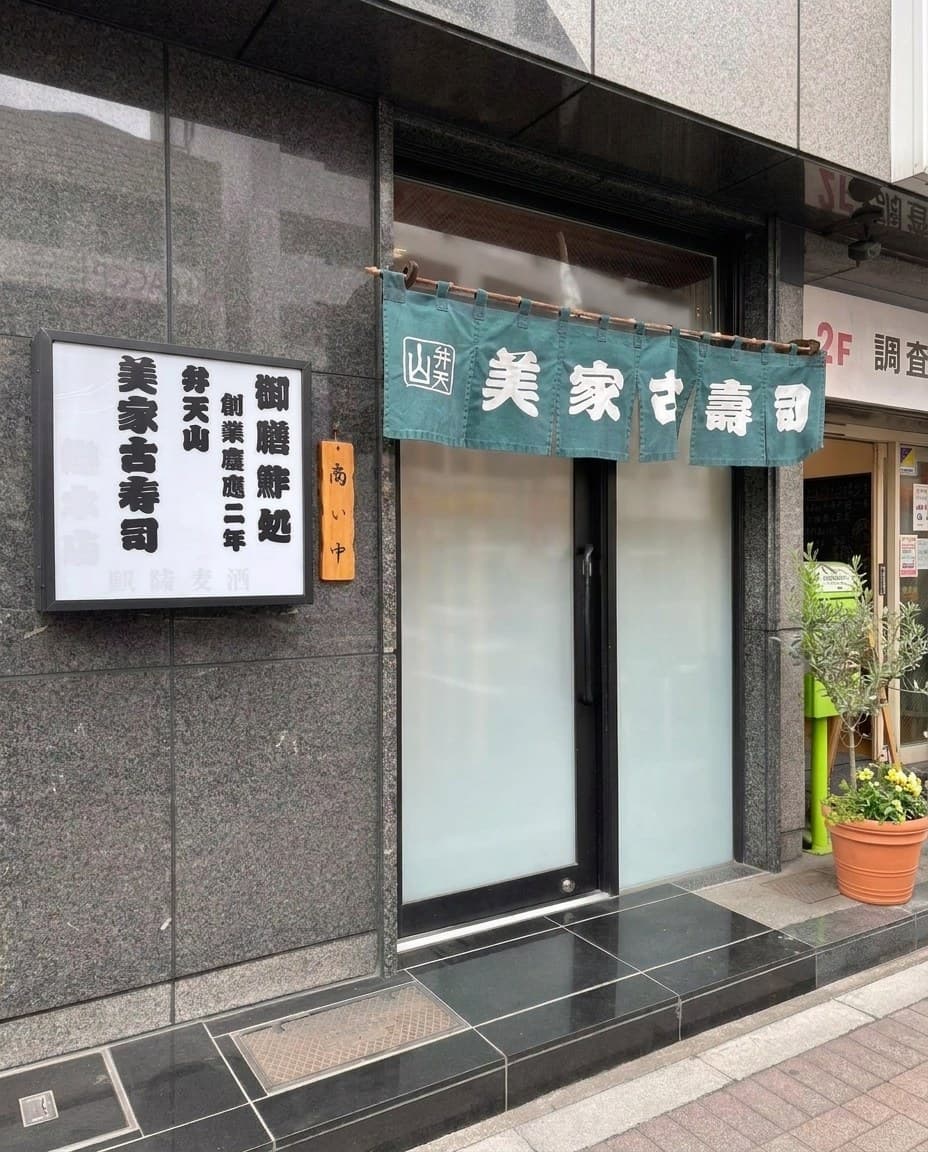
- The Senju Miyako line ran through Asakusa’s Bentenyama Miyakozushi and the Miyako house whose master was called a “god of nigiri,” then onward to the Tsuruhachi and Shimbashi Shimizu names.
- The Futaba line ran a craftsmen’s dispatch guild and produced a celebrated group of masters — including the classic salt‑and‑red‑vinegar school covered in the Kiyota and Futaba lineage.
Ginza’s founding trio
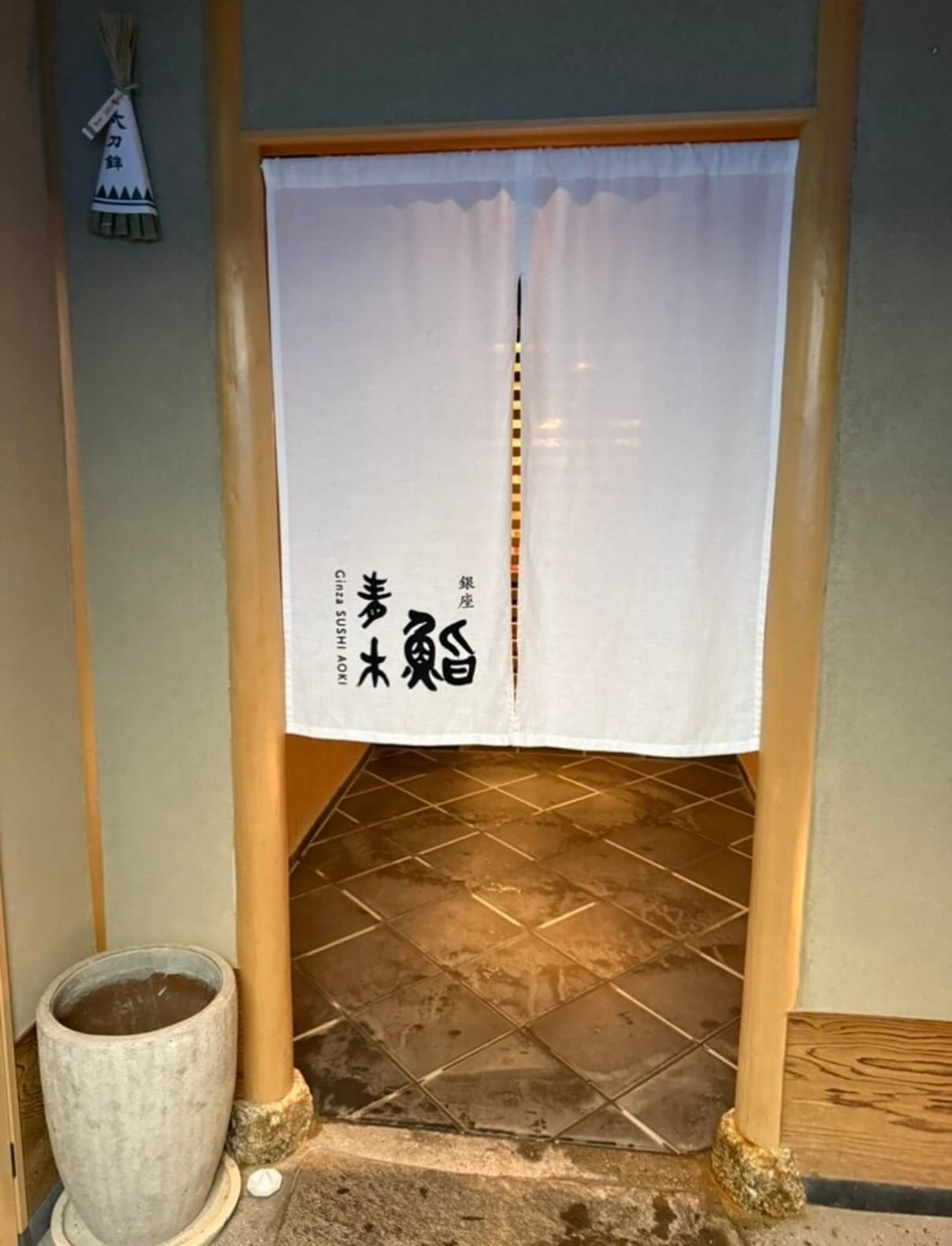
In the Showa era, three counters came to define Ginza and, through them, modern high‑end sushi:
- Kyubey (1935) — the largest talent source of all, remembered as the “academy” of sushi.
- Yoshino (1949) — the house where Ono Jiro trained, the root of the Sukiyabashi Jiro lineage.
- Nakada (1950) — whose students carried edomae as far as Hokkaido.
These are covered in detail in our guide to Ginza’s founding sushi houses. Almost no major modern counter sits outside this map.
How to read a lineage
A sushi genealogy is rarely a clean line. Chefs often train at several houses, and branches cross. What matters for a diner is simpler: a counter’s training tells you what to expect — the rice seasoning, the tempo, the classic “work” on each piece. When a booking is impossible, the family tree points you to a sibling counter of the same school and near‑equal craft.
That is how our desk chooses the counters in our collection: not by fame alone, but by where a chef learned. Tell us the style you want on the request form, and we will try a counter from the collection that fits — ¥6,000 per seat, charged only if we secure the table.