To understand why Japan eats the way it does — the counters, the single‑dish masters, the beautiful speed — you have to meet the city that invented it. Edo, Tokyo’s former self, was by the 1700s among the largest cities on earth, by many estimates the largest: over a million people, and crucially, a city of hungry single men in a hurry.
The demographic engine
Edo’s population skewed wildly male — samurai posted away from families, laborers, apprentices — living in row‑house tenements without kitchens. No one to cook, nowhere to cook, wages to spend. The market answered with the world’s first great fast‑food culture: street stalls, standing service, one perfect thing done fast. The formula McDonald’s found in the 1950s, Edo ran in the 1750s.
The big four
Four stall foods crystallized in the same city, the same century — and became Japan’s classic cuisines:
- Sushi — nigiri, credited to 1820s stalls, as instant food; the bay’s fish cured and vinegared to survive the day, techniques that still define Edomae work.
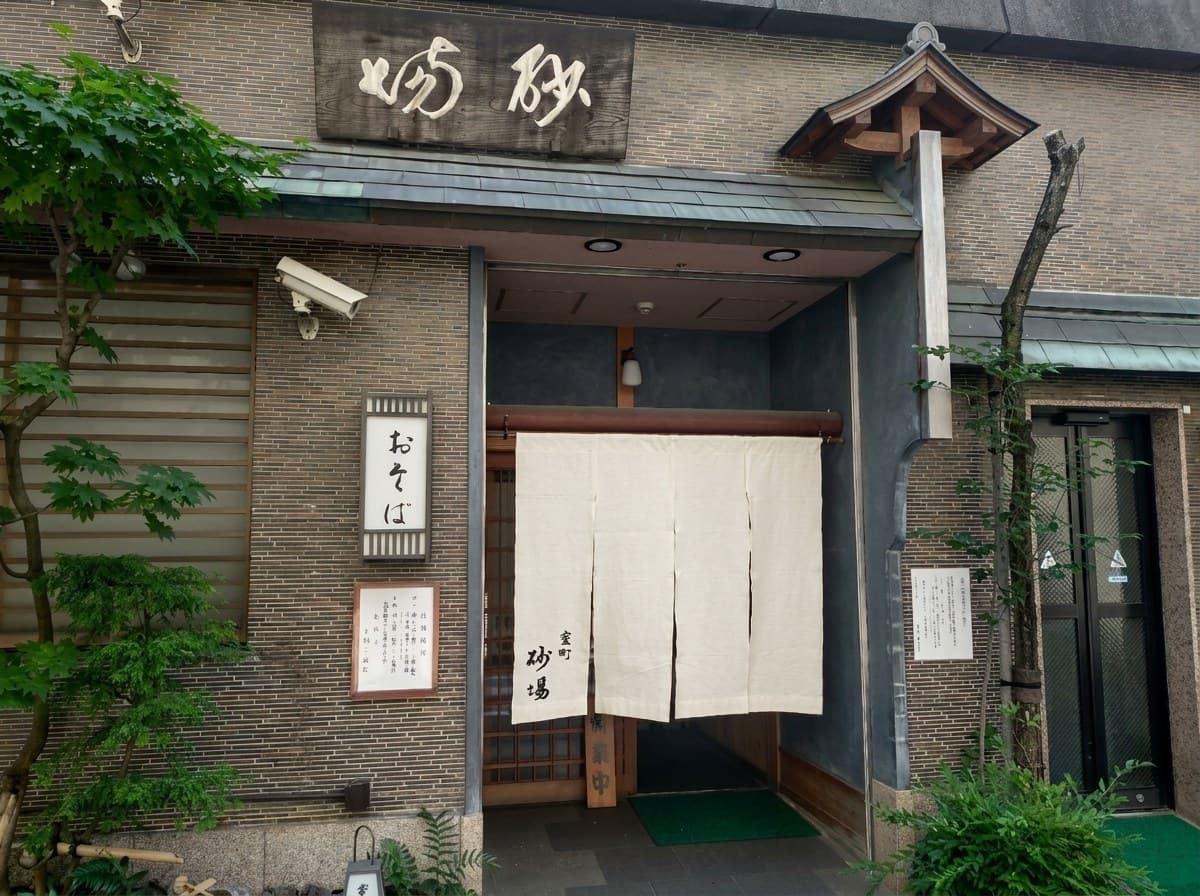
- Soba — the commuter’s noodle, slurped standing in seconds; its aristocratic descendants like Muromachi Sunaba still serve on lacquer.
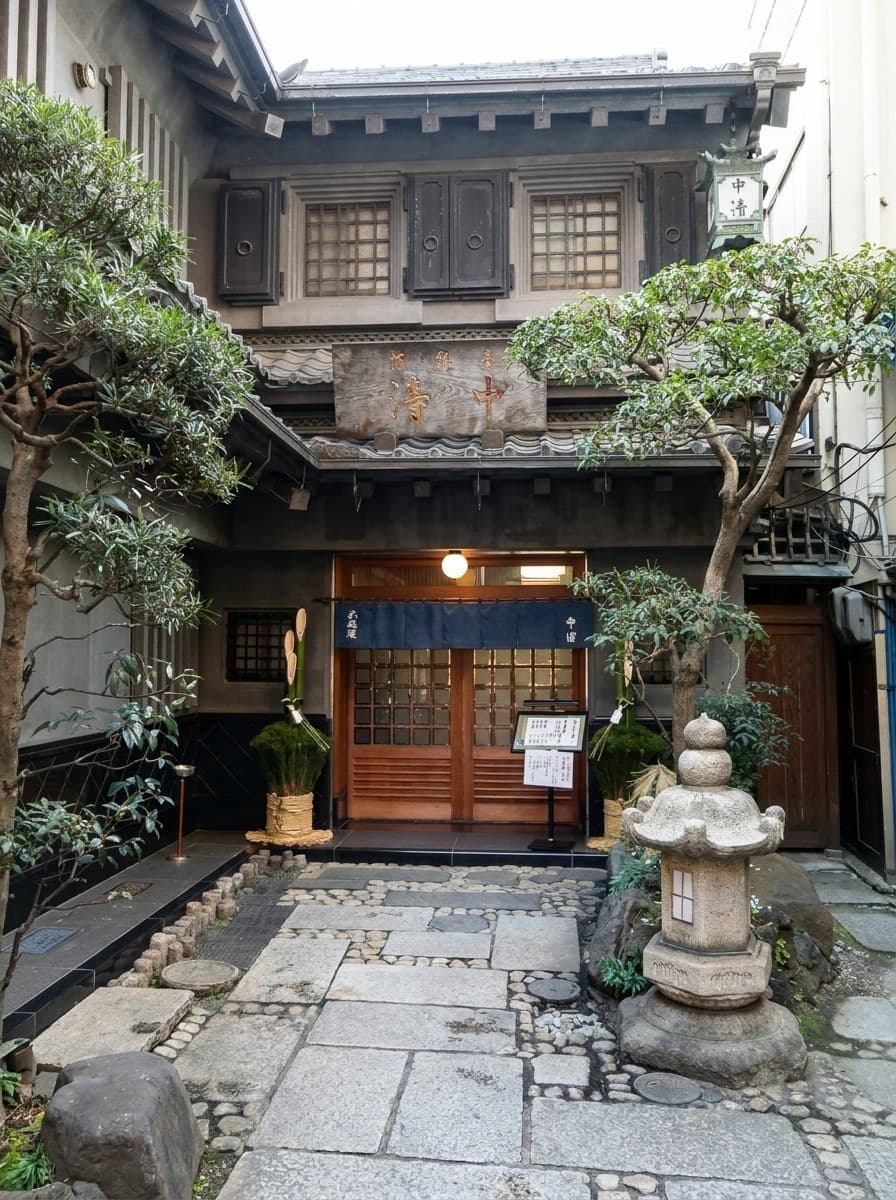
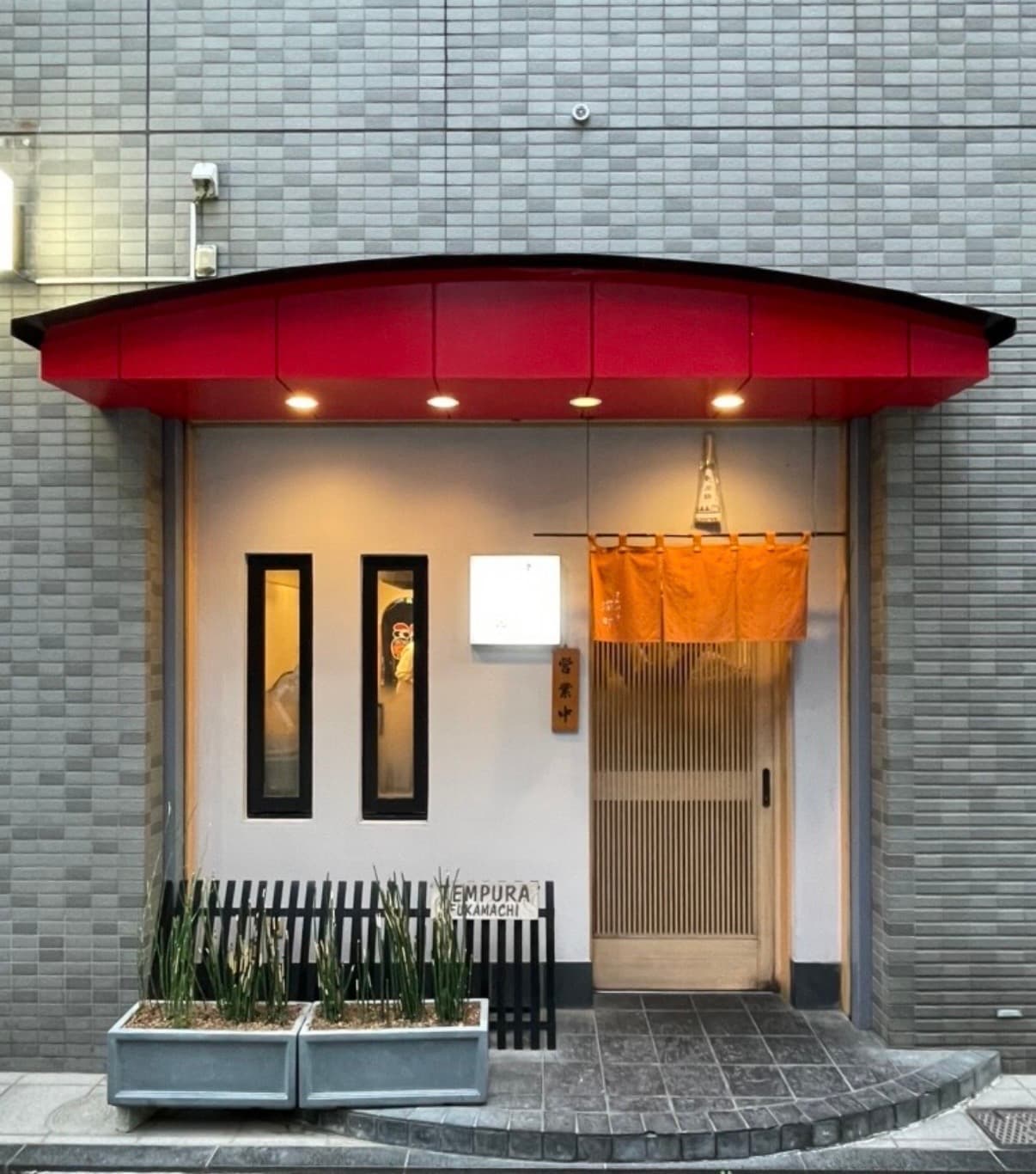
- Tempura — fried on skewers at riverside stalls (fire fears are said to have kept frying out of doors); the dark sesame style lives on at Nakasei, frying since 1870.
- Unagi — eel split, steamed and lacquered with tare over charcoal; the Edo houses guard sauces topped up continuously for a century or more — the culture our Day of the Ox guide explains.
Around them: oden carts, dango grills, and the polished‑white‑rice habit so extravagant the provinces called the resulting vitamin deficiency “the Edo sickness.”
From stall to institution
Edo’s second gift was the climb: stalls became shops, shops became houses, houses became single‑dish specialists polishing one idea for generations — the pattern that still organizes Japanese dining and that our restaurant‑types guide maps today. When you sit at a counter watching one person do one thing supremely well, you are dining inside Edo’s blueprint.
Where Edo still serves dinner
The revolution’s descendants cluster in the shitamachi — the old “low city”: Asakusa and Nihonbashi‑Kanda hold houses founded while the shogun ruled, serving the big four in their old forms at gentle prices. An Edo‑era eating day — soba at noon, tempura or unagi at dusk, a counter that predates the country’s opening — is Tokyo’s best history lesson, and our desk can help set that table.