Every food city has a summit district. Tokyo’s is Ginza — the most decorated square mile of dining on earth, where the big three sushi houses hold court, where Kyubey has trained masters since 1935, and where more starred rooms cluster than in most entire countries. It is also, famously, a district that hides its restaurants — which is why it rewards a little instruction.
The district, decoded
Ginza’s dining is vertical. The great counters occupy sixth floors and second basements of anonymous buildings; street level belongs to the boutiques. The skill to learn is reading the building directory at each entrance — a column of small restaurant names by floor. Once you start seeing those columns, you realize every block is an iceberg.
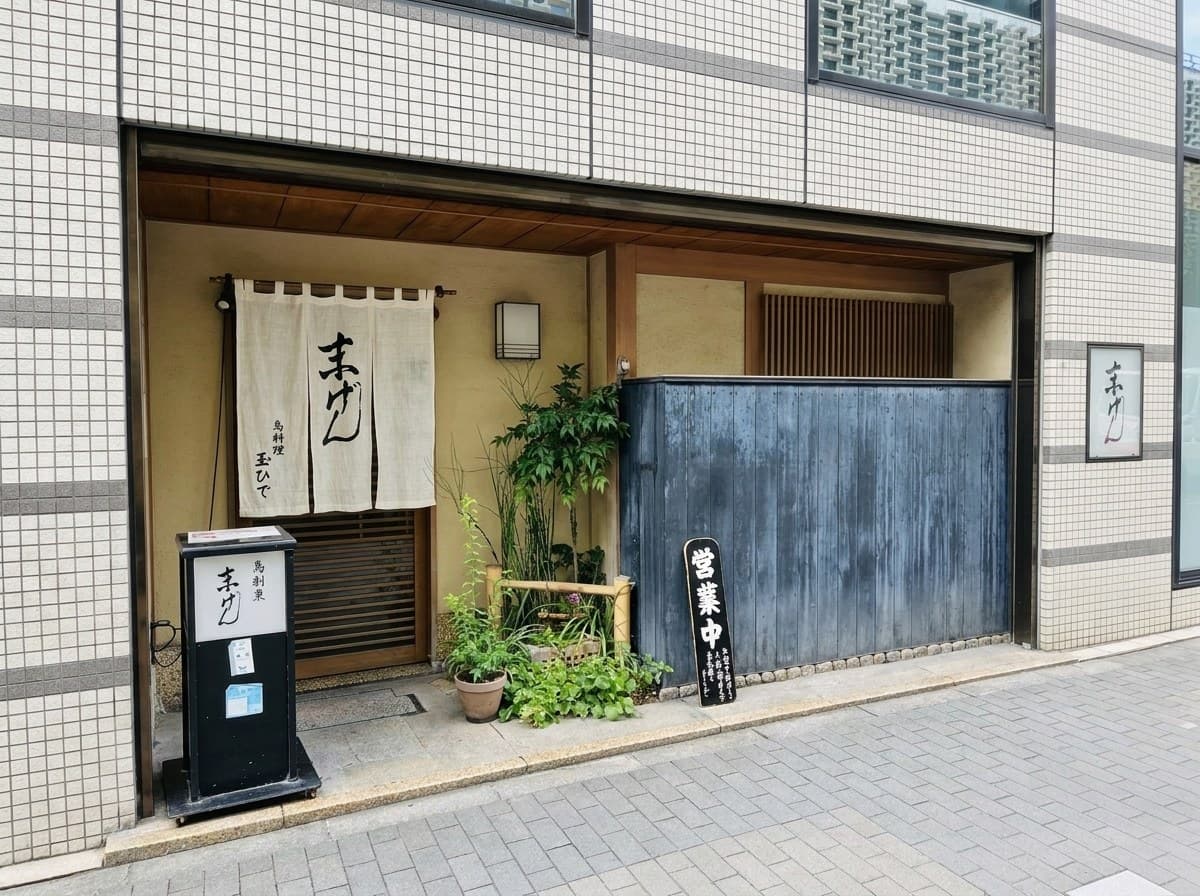
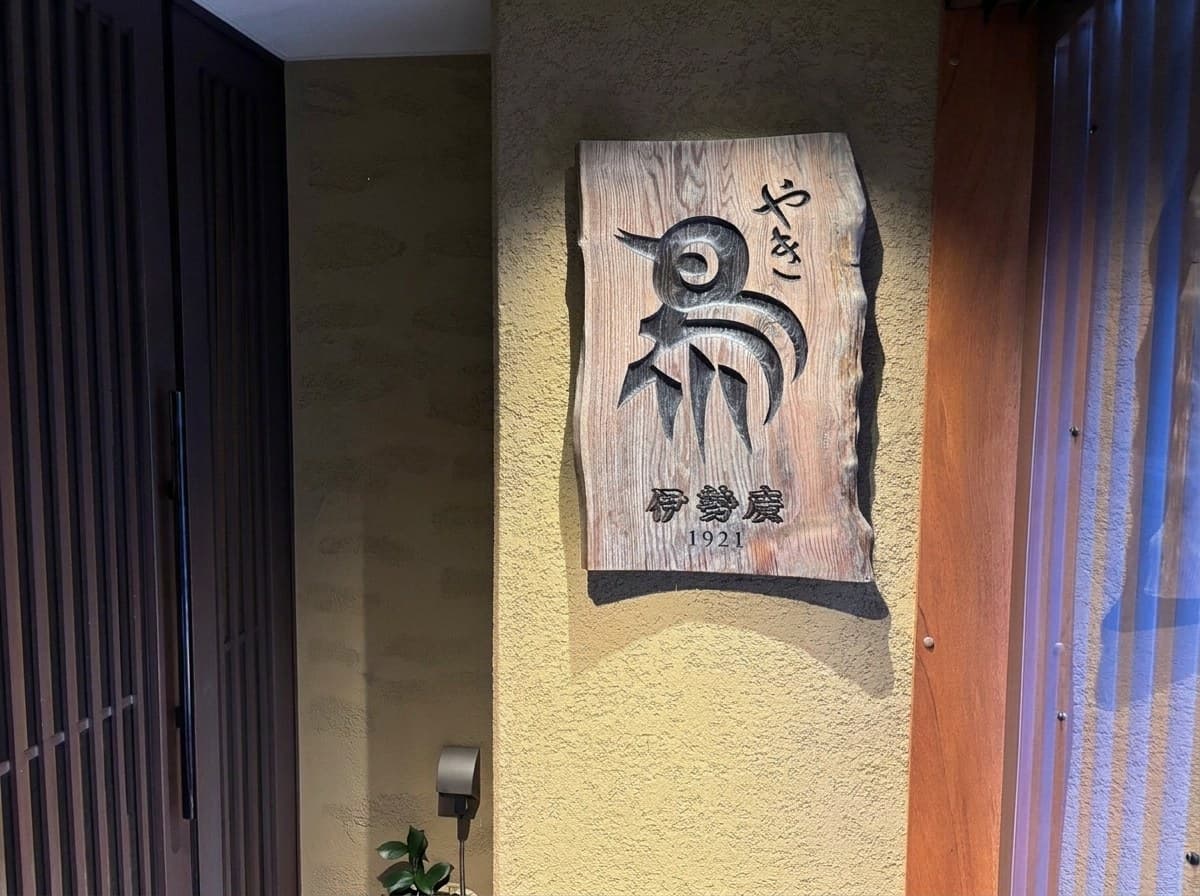
The geography, roughly: the core blocks (4-chome to 8-chome) hold the classic sushi and tempura counters; Namiki and Corridor streets run toward Shinbashi with bars and older houses — the kappo tradition continues at Suegen, whose chicken courses have anchored Shinbashi since 1909; and across the Kyobashi boundary sits yakitori’s aristocrat, Isehiro, grilling over binchotan since 1921.
The lunch strategy
Ginza’s open secret: the same counters, at noon, for a third of the price. Sushi lunches at serious rooms start around a few thousand yen; tempura and unagi houses run midday sets; even famous names open daytime seats that never appear at night — Kyubey’s lunch is the classic example. If your budget caps at one grand dinner, spend the other days eating above your class at lunch. Our guide to omakase pricing shows just how wide the noon‑versus‑night gap runs.
The houses and their doors
Ginza is the one Tokyo district where the calendar matters more than the telephone. A handful of houses open their books on a fixed day each month and are gone within hours; the rest take a normal call or an online form with a few weeks’ notice. Knowing which is which is most of the work.
The fixed‑day releases
- Harutaka — Ikyu or Gnavi online, or phone in Japanese. On the 1st of each month the book opens for dates through the end of the month after next (1 December releases February), and the online seats go first.
- Hakkoku — online (Ikyu, OMAKASE, Tabelog). On the 1st Ikyu opens the dates two months ahead with instant confirmation; Friday and Saturday dinners go within hours, midweek lasts longer. One nigiri course of about 25 pieces; cards only.
- Kiyota — Ikyu (or phone). On the 20th of each month the house releases dates up to two months ahead.
- Ginza Shinohara — OMAKASE (English): on the 25th of each month at 0:00 JST the month three months ahead opens (25 September opens December), one booking per quarter per account; the older phone rules still found online no longer apply. Twelve seats, two seatings at 17:00 and 20:30; closed Sundays; no guests under 16.
- Ginza Kojyu — phone from 10:00; the book runs from today through the end of next month, so each 1st releases a new month. Chef’s course only: lunch ¥33,000, dinner ¥41,800 plus 10 percent service. The house does not take direct bookings from abroad: overseas guests use the routes the house names — Pocket Concierge, My Concierge, OMAKASE or a hotel concierge.
- L’Osier — phone 10:00–20:00 on business days, or the online booking on the official site (English pages; the house warns of imitation booking sites). The book covers the current month through the end of the third month ahead, so each new month opens on the 1st. Jackets for men, no under-13s, 48-hour cancellation charge; Christmas and Valentine’s weekends go on the release morning.
- Esquisse — the French room. On a Tuesday around the 25th of each month (the date is posted on the house site) the month three months ahead opens from about 11:00, by phone — there is an English line — or the online form on the site; Ikyu and Pocket Concierge hold a small allocation. 25 seats, closed Wednesday and Thursday; same‑day cancellation is charged in full.
- Ginza Okuda — on a Tuesday around the 25th of each month (posted on the official site) the month about three months ahead opens: phone on weekdays 10:30–17:30 with an English line, the house’s own online booking, Pocket Concierge or Ikyu. When online shows full, call — the phone often has tables the platforms do not show. Same‑day cancellation 100 percent.
Open books, normal notice
- Kyubey — phone from 10:00, or Ikyu and official English partners; no release trigger. Only the 11:30 lunch seating is reservable; later lunch is first come, first served. Closed Sundays.
- Sushi Kanesaka — eight seats, yet gettable: phone, the official web booking, Pocket Concierge or Ikyu, a month to six weeks ahead. Guests must be 30 or older. Closed Sunday and Monday.
- Tempura Kondo — phone in Japanese about two months ahead; the house publishes no release day (older reports cite the first business day of each month). Overseas guests are directed to the house’s official route for overseas guests, My Concierge Japan (prepaid, plus 15 percent service); Ikyu also lists seats.
- Ginza Ten‑ichi — founded 1930, 41 seats; TableCheck, Tabelog or Ikyu online, or phone 11:00–20:30, a few days to a week ahead.
- Ginza Tenkuni — founded 1885. Closed Sundays.
- Phone in Japanese a week or two ahead; cancellations open up on the day.
- Ginza Ukai‑tei — TableCheck from 90 days before your date until three days prior; solo diners, parties of seven or more and private rooms by phone. Cancellation 50 percent the day before, 100 percent on the day.
- Bird Land — OpenTable via the official site, Ikyu or inline online (parties of two to six), or phone 17:00–21:30; no release day — a week or two ahead usually works, Saturdays earlier. 33 seats; closed Sunday, Monday and holidays.
- Suegen — phone only, in Japanese; all 35 seats are in four private rooms and the course is ordered when you book. Lunch is walk‑in with a queue near noon.
- Isehiro — phone only, in Japanese, on no platform; dinner books within a normal planning window, lunch is a queue that forms before noon.
The walk‑in layer. Ginza Kagari takes no reservations at its 18-seat ramen counter — join the day’s queue on EPARK or at the door; the wait is short outside 12:00–13:30. Check the house’s X account before traveling.
What to fix first, and what to leave flexible
Fix first the fixed‑day houses, because their windows do not reopen: mark the 1st (Harutaka, Hakkoku, Kojyu, L’Osier), the 20th (Kiyota), the 25th (Shinohara) and the Tuesday around the 25th (Esquisse, Okuda) on your own calendar, counting back from your travel dates. Then the weekend dinners at small counters — Kanesaka, Taichi, Ukai‑tei’s chef’s table — which go weeks out even without a release ritual.
Leave flexible the lunches: Kyubey’s later seatings, Tenkuni’s tendon, Kagari’s queue, Ten‑ichi’s tables. Ginza’s lunch bench is deep enough that a free noon is never wasted.
Seasonally, the crab rooms at Ginza Kitafuku book a month or more out on December–February weekends; L’Osier’s Christmas and Valentine’s weekends vanish on release morning; Kyubey closes Sundays and Ten‑ichi opens every day but 1 January. For the wider booking calendar and the city overview, see how to book restaurants in Tokyo.
What we can and cannot do
We handle the houses above that are in our collection — the Japanese‑only lines at Suegen and Isehiro, and Kondo’s phone line. The fee is ¥6,000 per seat, charged only if we secure the table and after you approve it. No seat, no fee. The fixed‑day houses outside it — the 1st-of‑the‑month redials and the 20th on Ikyu — we can request at ¥12,000 per seat on the same terms; save them in the booking calendar with a free account and we will email you before each release.
Some doors in this district we cannot open, and we say so plainly. Sukiyabashi Jiro takes no agencies or proxies; overseas guests book only through their hotel concierge, and ID is checked at the door. Shinbashi Shimizu opens its seven seats exactly one week ahead at 08:00, but the named booker must attend and proxies are refused; we can request it in the name of the guest who attends, and if the house declines a booking arranged on a guest’s behalf, we will tell you and nothing is charged. Iyuki and Kawamura are introduction‑only, with no public channel. Shinbashi Hoshino asks callers for a previous visit date, and Mitaka recycles its eight seats among regulars who rebook at the door. Mitaka is in our collection, and we will make the attempt on request, knowing the odds. We do not take requests for Jiro, which books overseas guests only through their hotel, or for the other houses above. Approach them yourself where a route exists, save them in the booking calendar with a free account for release alerts, or request a comparable counter from our collection — ¥6,000 per seat, charged only if we secure the table. We do not sell a seat we cannot secure. Our guide to introduction‑only houses explains the culture behind them.
Beyond sushi
- Tempura — Ginza’s second art form; see booking tempura in Tokyo.
- The department stores — the basements of the grand houses are depachika at their most polished: bento, wagashi and gifts of restaurant caliber.
- Kissaten and bars — Ginza’s ancient coffee rooms and its bar culture (the birthplace of the Japanese cocktail tradition) bracket the eating day.
Booking reality
The famous dinner counters fill weeks ahead, and the hardest run the release systems we chart in why you can’t book Japan’s best restaurants. Fix the anchor meals early — for the houses in our collection, that is our daily work — then leave one evening free to follow a building directory upstairs and discover your own counter. In Ginza, the second‑best room you stumble into would headline most cities.