Of all the dishes that read as timelessly Japanese, tempura has the most surprising passport: it stepped off a Portuguese ship in the mid-1500s, alongside guns, Christianity and sponge cake — and Japan spent the next four centuries turning a missionary’s fritter into one of the world’s most exacting cuisines.
The Portuguese century (1540s–1630s)
Portuguese missionaries and traders in Nagasaki brought the technique of battering and frying fish — by the most cited account, named for Latin tempora, the ember‑day fasts when Catholics swapped meat for battered fish. When Japan closed to the West, the technique stayed, went native, and began its long refinement.
Edo makes it street food (1700s–1800s)
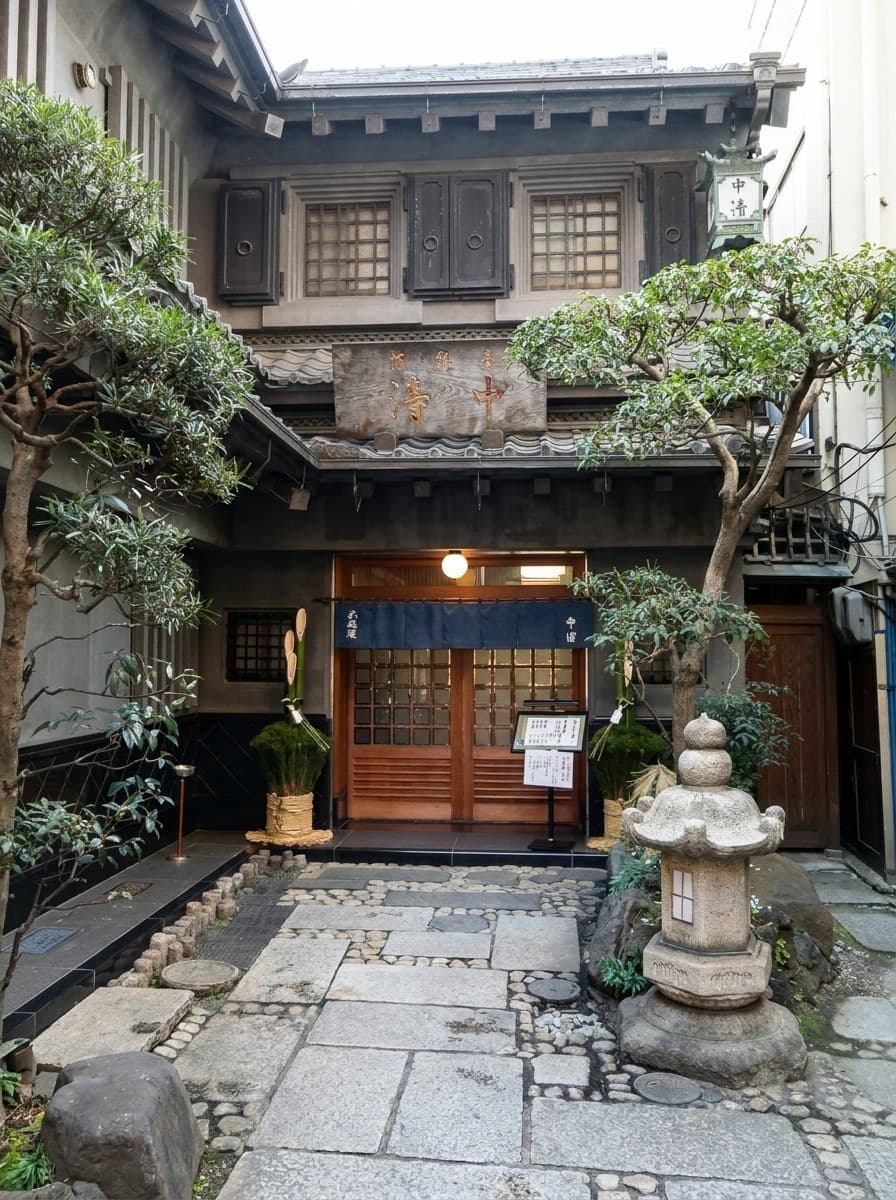
Tempura’s second act belongs to Edo’s fast‑food revolution: riverside stalls frying the bay’s shrimp and fish on skewers in sesame oil, eaten standing — fire codes kept frying out of wooden buildings, which kept tempura gloriously in the street, beside sushi and soba. The dark sesame style of that era survives in shitamachi Tokyo: Nakasei in Asakusa has fried it since 1870, golden‑brown and fragrant, the sound of old Edo in a pan.
The counter century (1900s–now)
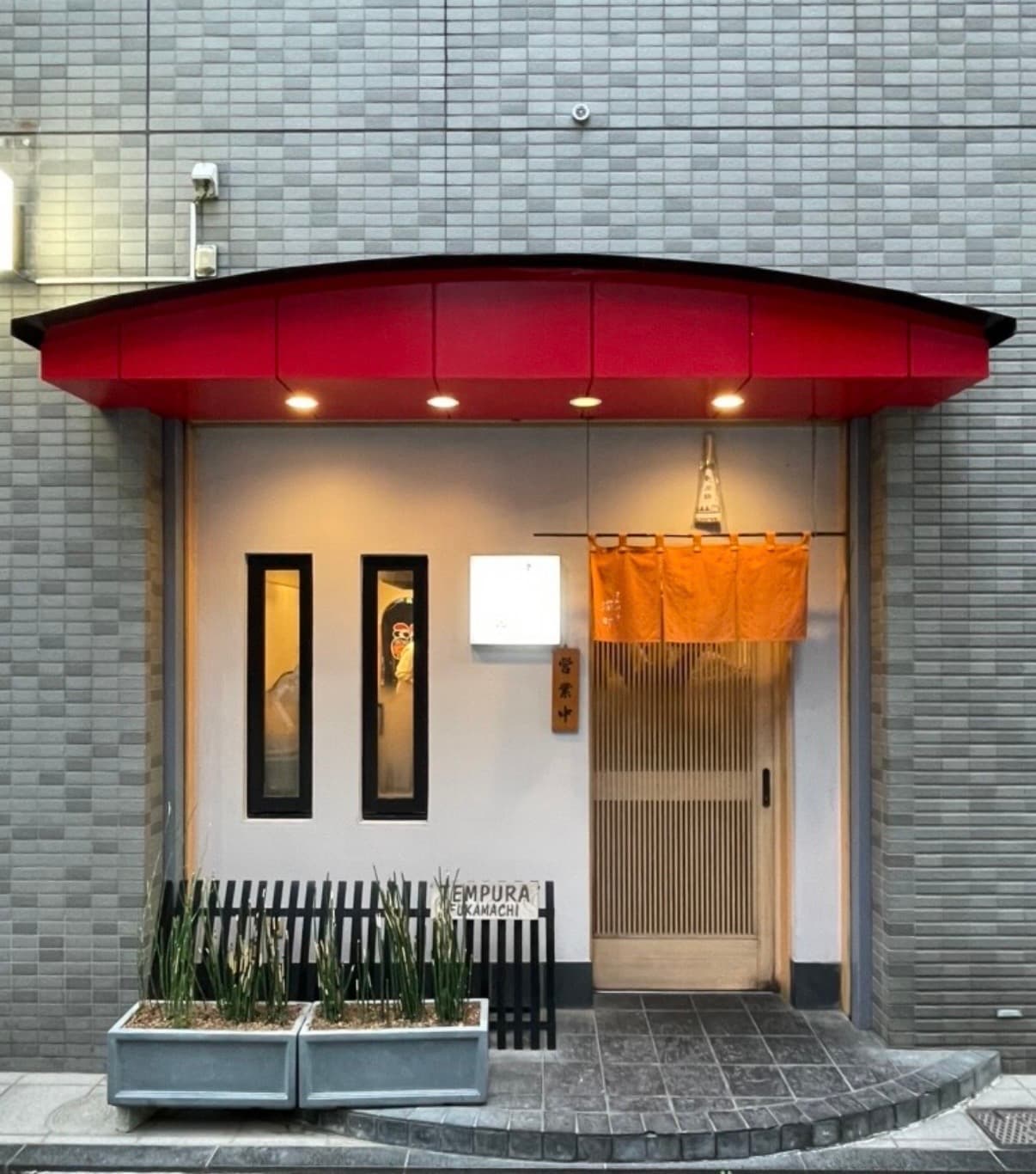
The modern form — the counter, each piece fried and served individually, the chef reading the guest’s pace — is a twentieth‑century creation that carried tempura from snack to ceremony, exactly as the counter did for sushi. Two schools now share the summit:
- Shitamachi: dark roasted sesame oil, robust, deeply aromatic — Tokyo’s old town style.
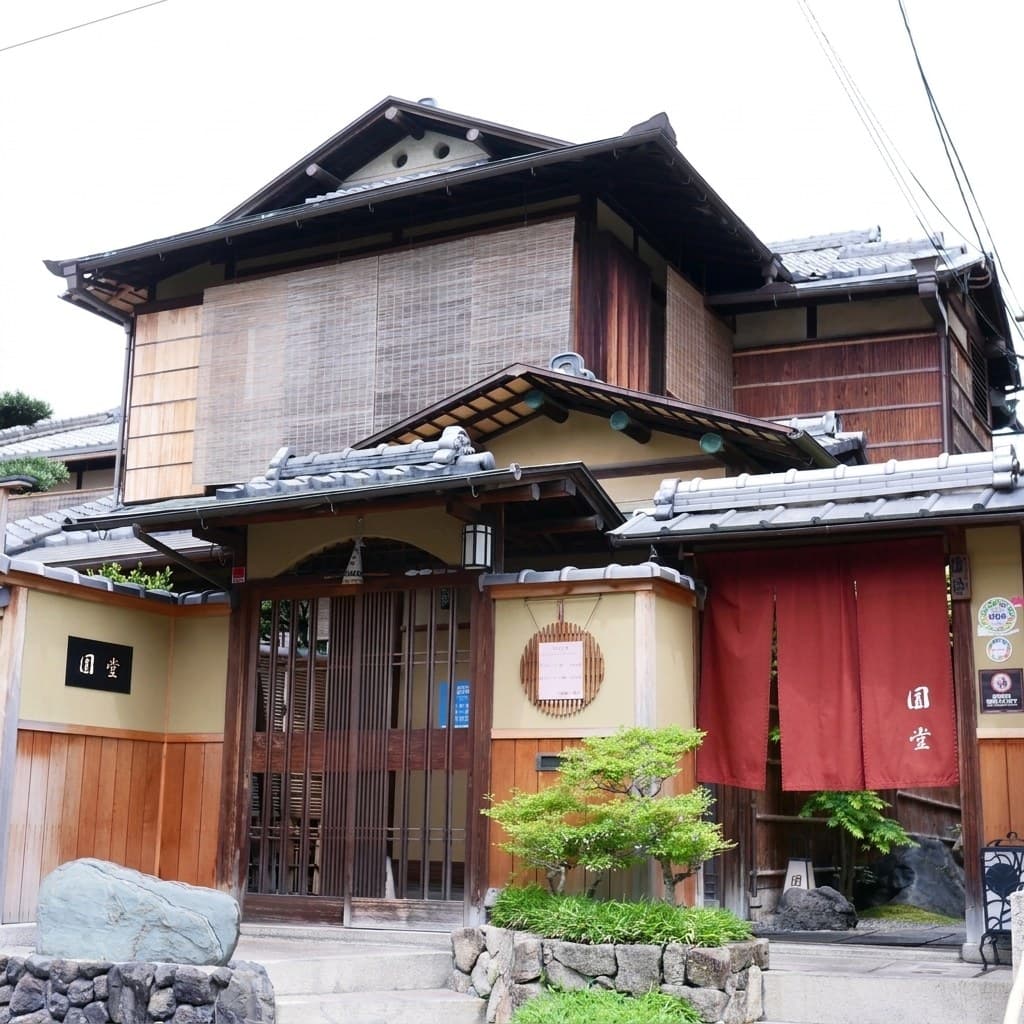
- The pale school: Ginza and Kyoto’s whisper‑light batter and clearer oils, where a single sweet shrimp or a slice of lotus root arrives like porcelain — the style of Yasaka Endo in Kyoto.
Neither is superior; they are tempura’s bass and treble. Booking the great counters of either school is its own craft — our Tokyo tempura guide covers it.
What mastery actually is
Great tempura is steam cooking in disguise: an ice‑cold, barely‑mixed batter forms a shell inside which the ingredient cooks in its own moisture, and the master’s craft is water management — reading each ingredient, adjusting the oil, serving within seconds of readiness. Done right, a full course eats light. That paradox — deep‑fried food that leaves you clear — is the four‑century answer to what Japan did with Portugal’s fritter.
Tasting the timeline
Nagasaki for the port where it landed, Asakusa for the Edo street style, Ginza or Kyoto for the pale summit — tempura’s history is an eminently eatable itinerary, and for the counters in our collection, we can request the seats.