Tempura at the counter has little to do with the greasy image the word carries abroad. At Tokyo’s best rooms it is an omakase — a chef‑led sequence where each piece of seafood and vegetable is fried to its own precise moment and passed to you straight from the oil. And because it is served one piece at a time to a small counter, it books almost exactly like sushi: about a month ahead, by phone first.
Why tempura books like sushi
The two crafts share the same physics of scarcity. A chef stands alone at the oil, cooking for a counter that rarely exceeds a dozen seats, and cannot rush the frying to turn tables faster. So at many counters the reservation behaves the same way the city’s sushi counters do — a monthly release, a phone line, and a small pool of seats.
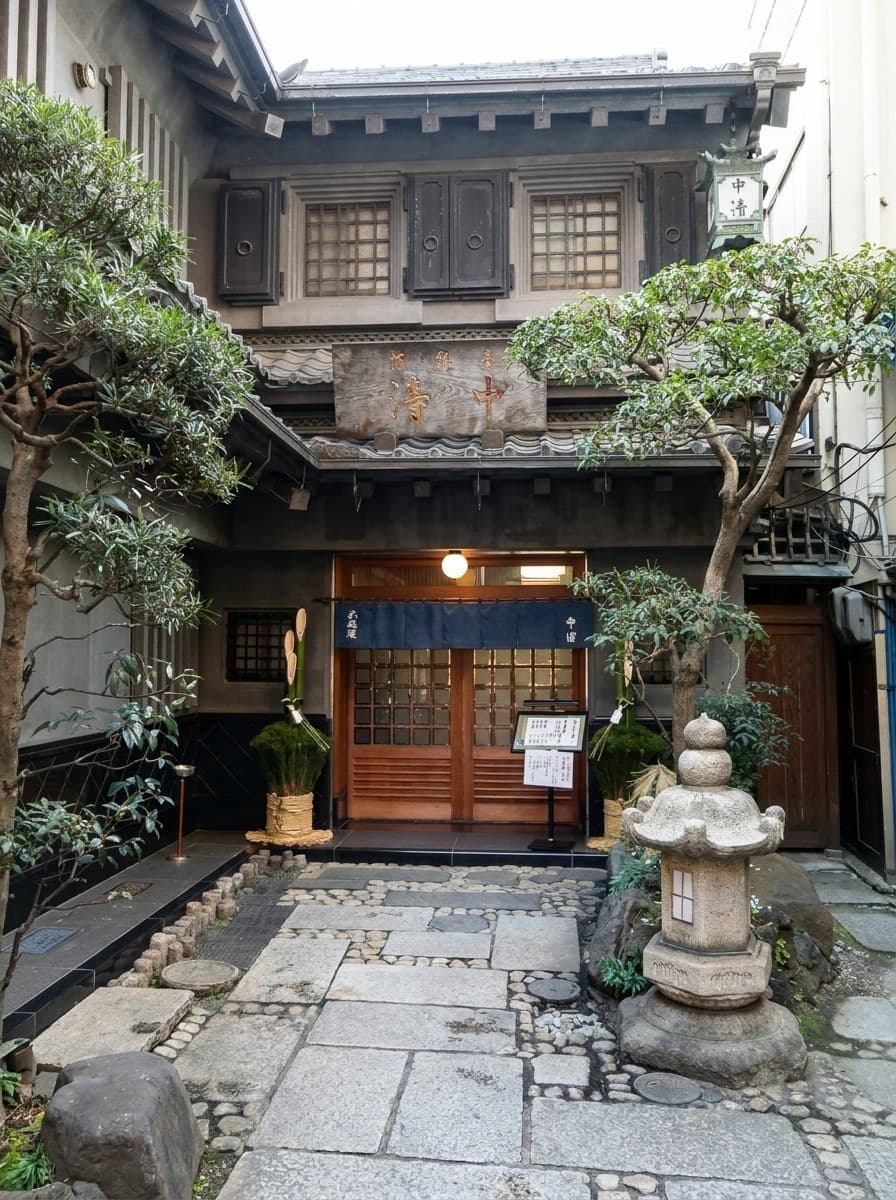
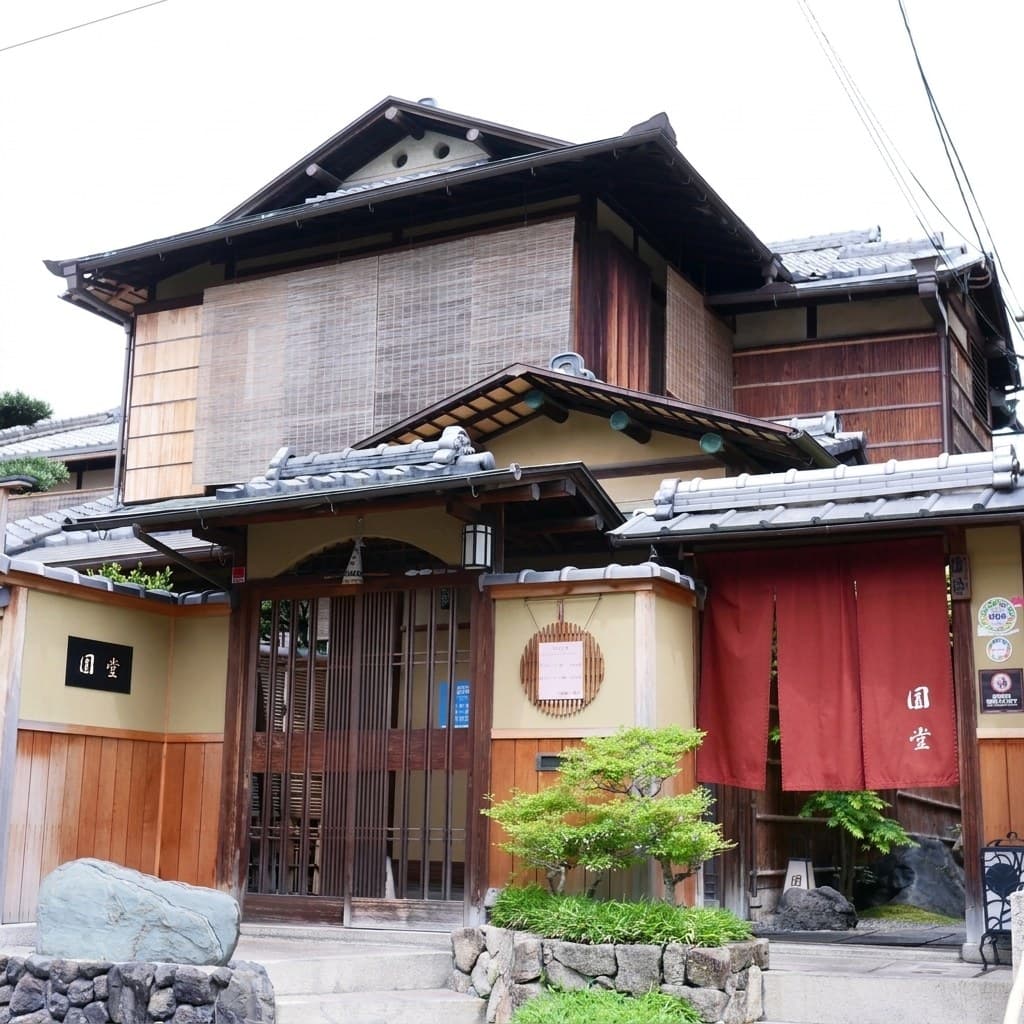
Tokyo’s tempura tradition runs deep at rooms like Tempura Nakasei, a long‑established Asakusa house — though there the hall is walk‑in and only the garden rooms book, course‑only, by phone or on Ikyu and Tabelog. Kyoto’s counters such as Gion Yasaka Tempura Endo work the same one‑piece‑at‑a-time rhythm and book on TableCheck months ahead, but decline bookings made by agencies or on a guest’s behalf. If you already understand the sushi calendar, you understand this one; our Tokyo omakase reservation guide for 2026 lays out that release timing in full.
The seasons that vanish first
Tempura is a seasonal craft, and the shortest seasons sell out at the front of the release:
- Sansai and shirauo — spring’s wild mountain vegetables and tiny ice goby, each in season for just a few weeks.
- Matsutake — the autumn mushroom, fried whole or in slices, that draws its own rush.
- Ayu — sweetfish in high summer.
- Shirako — milt in the cold months.
If a specific delicacy is the whole point of your trip, you want to be calling at the very start of that month’s release, not the middle.
How to book, step by step
- Choose your month by season. Decide which seasonal peak you want and target its release.
- Confirm the exact release day and hour. Counter tempura schedules are not uniform.
- Call from a Japanese line at the opening minute. Phone‑first counters fill fast, and some numbers only ring domestically.
- Speak Japanese for the details. Guest count, timing, allergies, and the no‑show readback happen in Japanese.
- Flag dietary notes early. Shellfish and specific frying oils matter at a tempura counter; raise them when you book.
The counter you can’t dial from abroad
The obstacle for most overseas guests is not the wait list — it is a Japanese‑language phone line opening at a Tokyo hour they can’t reach. That is the gap a native‑speaking desk closes: calling the domestic line at the opening minute, securing the seat if there is one, handling allergy notes in Japanese, and confirming back in English. Get the timing and the language right, and a tempura counter that felt sealed opens on the first evening of the season.