Omakase sushi has a reputation abroad for being both dazzling and mysteriously priced. The dazzle is real; the mystery is not. Here is the 2026 price ladder, in plain numbers, per person and before drinks unless noted.
The 2026 price ladder
- Entry tier, ¥9,000–15,000: genuinely serious counters live here — younger chefs, often in less central neighborhoods (as of August 2026). Some are harder to book than famous names.
- The strong middle, ¥15,000–30,000: where a great many of Tokyo’s celebrated counters now sit. This is the sweet spot for a superb meal without the trophy premium.
- Top tier, ¥30,000–60,000 and up: the marquee counters. At the very peak, the most famous rooms run higher still, and introduction‑only houses may carry no published price at all.
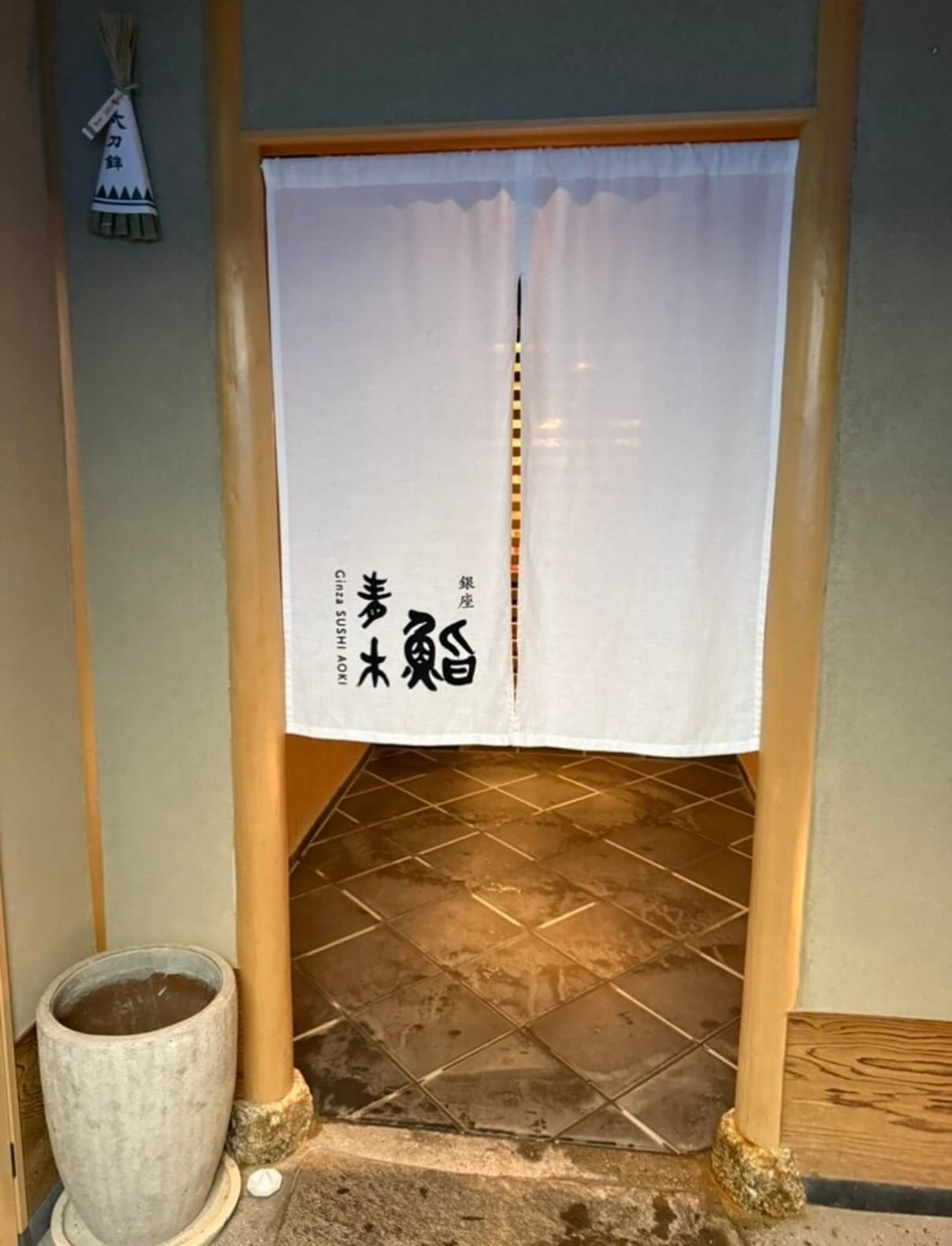
Two named anchors make the ladder concrete.
Understanding what omakase means — a fixed, chef‑led sequence — explains why the price is for an experience rather than a menu you assemble yourself.
The quiet arbitrage inside the ladder is lunch. Many celebrated counters serve a shorter midday omakase at half the evening price or less, from the same fish case and often the same hands — the classic first move for a traveler who wants the room without the full bill.
What is not in the headline number
- Drinks: a sake or wine pairing typically adds ¥5,000–10,000.
- Service charge: 10–15% at high‑end restaurants.
- Tipping: none, ever. It is not part of the culture.
- Cash: a meaningful handful of old‑guard counters remain cash only.
- Deposits and cancellation fees: the newer cost of entry. Online platforms increasingly take full prepayment or a card guarantee, and cancellation inside a few days of the meal commonly forfeits 50 to 100 percent — see our guides to deposits and cancellation policies before you overbook your week.
Confirm whether a quoted figure includes drinks and service before you commit, so the final bill holds no surprises.
Regional value is the insider’s play
Tokyo is not the only, or even the best, value. Counters in cities like Kanazawa, Toyama, Kagoshima, and Karatsu deliver comparable or higher quality for noticeably less, in part because they sit closer to their own fishing grounds. The regions keep their own legends, too — in Kanazawa, Komatsu Yasuke, the daytime‑only counter of a master often called the god of sushi, is a pilgrimage in its own right, though its phone‑only book is a battle of its own. Eating superbly outside the capital for a fraction of the marquee price is one of the smartest moves an informed traveler can make.
Putting it in perspective
Set against the wider landscape of fine dining costs in Japan, even top‑tier omakase is a relative bargain: a world‑class counter dinner in Tokyo often costs less than an equivalent evening in Paris or New York, tip and all. The scarce resource is not money — it is access and timing. Budget for the seat, then work on getting it.