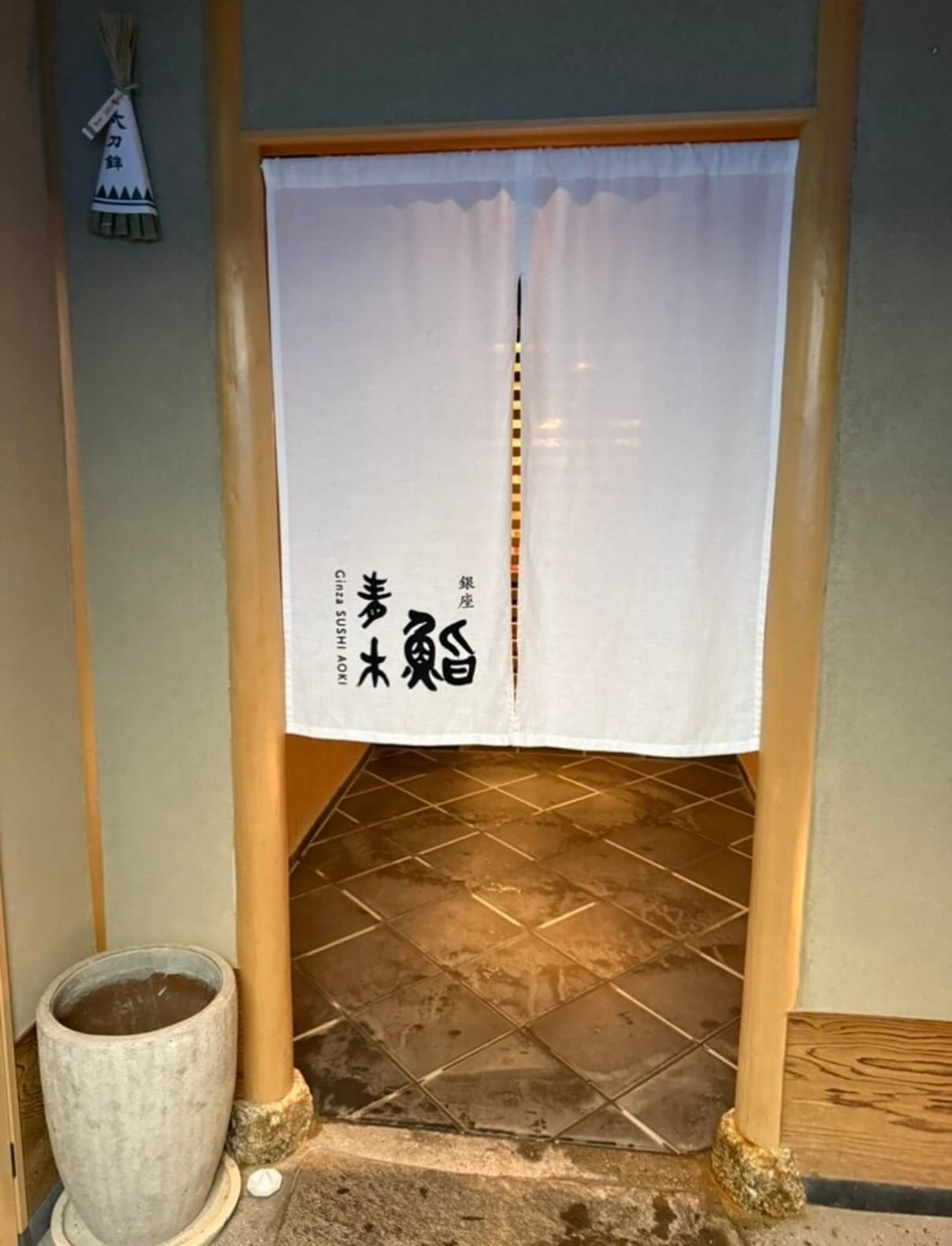
Ask what makes great Tokyo sushi and most people will answer: freshness. It is the wrong answer, or at least an incomplete one. The Edomae tradition is built on the opposite instinct — the conviction that raw, unworked fish is raw material, and that the chef’s job is to transform it. That transformation has a name: shigoto.
The meaning of shigoto
Shigoto (仕事) simply means work. At a sushi counter it refers to everything the chef does to the seafood before it becomes a piece of nigiri — the curing, salting, marinating, simmering, aging, and glazing that happen out of sight, often hours or days before you sit down. Edomae shigoto is that repertoire as it developed in old Edo, and it is the true measure of a sushi master. As we explain in what is Edomae sushi, these techniques arose in a city with no refrigeration, where preservation and flavor were the same problem.
The signature techniques
A few classic pieces of shigoto define the style:
- Kohada (gizzard shad) — salted, then cured in vinegar. The chef’s handling of kohada, a small, tricky, silver fish, is often treated as a benchmark of the whole kitchen’s skill.
- Maguro zuke (marinated tuna) — lean tuna steeped in soy, deepening color and umami. Fattier cuts may instead be gently aged.
- Anago (conger eel) — slow‑simmered until tender, a world apart from grilled unagi.
- Nitsume (tsume) — a glossy glaze reduced from the eel’s own cooking liquid, brushed on so no extra soy is needed.
- Aging and curing more broadly — resting fish to draw out umami that a just‑killed fish has not developed.
Why the work matters more than the freshness
Each step exists to concentrate flavor and even out inconsistency before the fish ever meets the rice. A perfectly fresh slice can be one‑dimensional; the same fish, correctly cured or aged, gains depth, texture, and reliability. This is why a great Edomae counter is judged by its invisible labor rather than by how recently the fish was caught.
Tasting the craft
The best way to appreciate shigoto is a slow omakase at a serious specialist, where the chef can walk each piece from work to plate. The most revered of these rooms are also among the hardest to enter — our guide to booking Sushi Saito shows what that takes.
Freshness gets you in the door. Shigoto is what you actually came for.