Omakase (お任せ) means I leave it to you. At a Japanese restaurant it means you do not order: the chef decides every course from what is best that day, serves it in their own order, and charges one set price per person. It is most famous at sushi counters, but it is a way of ordering, not a dish or a cuisine.
At the Tokyo sushi counters on our release calendar, dinner omakase mostly costs ¥20,000–40,000 per person in 2026, lunch is cheaper, and the top rooms charge ¥50,000 and more (as of October 2026). The details — what is served, how long it takes, what is added to the bill and how to behave — follow below.
What does omakase mean?
The word comes from the verb makaseru, to entrust. Said at a counter, it hands the meal to the chef — the itamae at a sushi counter — who serves what arrived in the best condition that morning, in the order they think it should be eaten.
In practice, most hard‑to‑book counters in Japan serve omakase only. There is no menu to choose from; the price is the course. The opposite is okonomi, ordering piece by piece, which some neighborhood counters still offer.
How does an omakase meal work?
At a sushi counter, the chef stands across from you and serves one piece at a time. A typical dinner runs in this order:
- Tsumami — several small dishes: sashimi, something grilled or steamed, often a seasonal specialty.
- Nigiri — usually from lighter, leaner fish toward richer, fattier and marinated pieces. Roughly 10–15 pieces is common; one counter in our records describes 7–8 small dishes and 12 nigiri, another four or five small dishes and about ten nigiri.
- The close — a rolled piece, tamago (the sweet omelet) and a bowl of miso soup.
Eat each piece within moments of it being set down. The temperature of the rice is part of the design, and the chef is timing the next piece to you.
Many counters start everyone together. A counter with eight or ten seats often runs two fixed seatings a night — 17:00 and 20:00, or 17:30 and 20:30, are common — and serves every guest the same piece at the same moment. That is why a dinner usually takes about two hours, and why arriving late means joining a meal already under way.
How much does omakase cost in Tokyo?
These ranges come from the prices recorded for the restaurants on our release calendar and in our collection, as of October 2026. Prices are per person, for the food only.
| Tier | Lunch | Dinner | Examples from our records |
|---|---|---|---|
| Value counters, mostly outside central Tokyo | — | — | — |
| The middle, where most celebrated counters sit | — | — | Sushi Iwao: lunch ¥6,600–9,900, dinner ¥25,000 plus 10% service · Sushi Saito Azabudai: lunch ¥15,000, dinner ¥30,000 plus tax |
| The top rooms | rarely served | — | — |
| Sukiyabashi Jiro | — | ¥88,000 | Sukiyabashi Jiro (2026 price) |
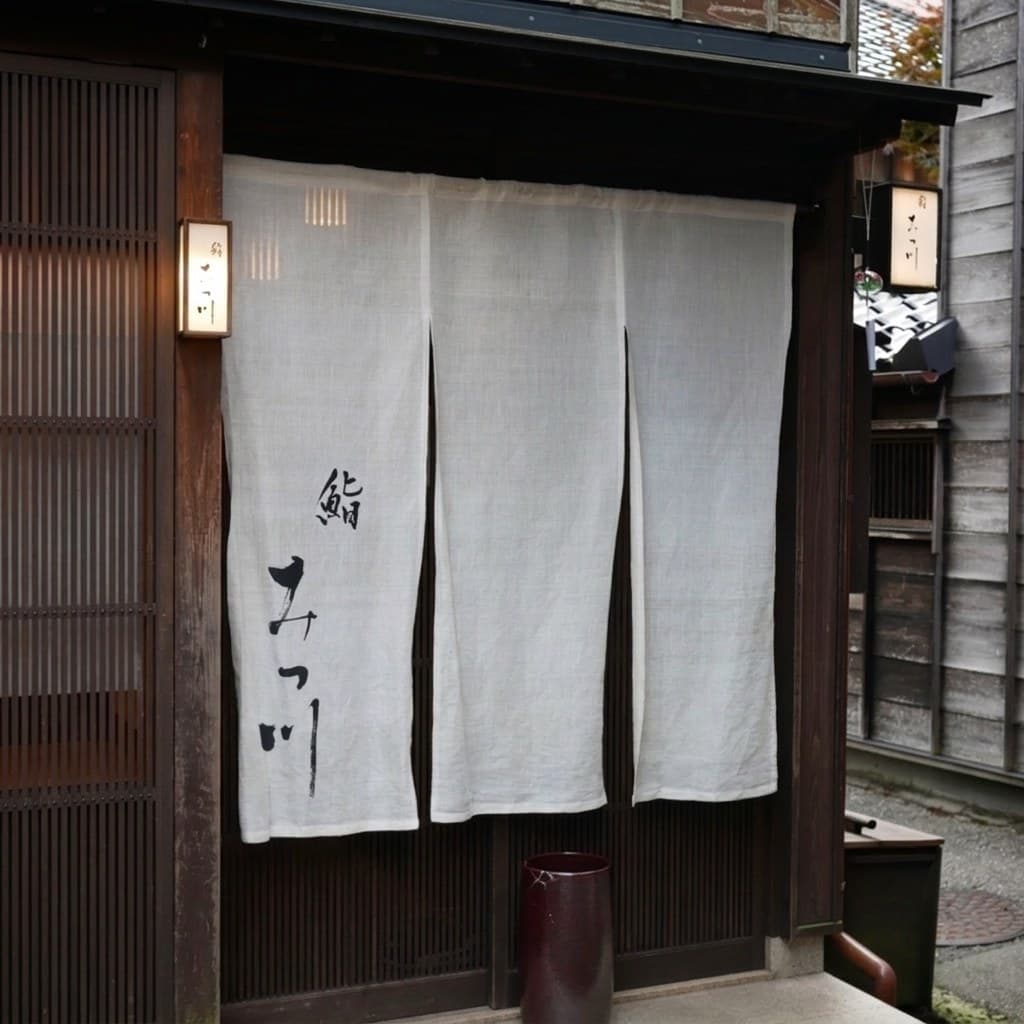
| Outside Tokyo (our collection) | about ¥8,800–16,500 | — | Sushi Mitsukawa in Kanazawa: dinner ¥19,800 · Kurumasushi in Matsuyama: ¥27,500 |
Two things the table hides. First, lunch is not always a smaller meal: a few counters serve the full dinner omakase at lunch for the same price, while others serve a shorter nigiri course. Sushi Ishiyama in Ginza, for example, charges ¥16,500 or ¥22,000 at lunch against ¥38,500 for the head chef’s dinner omakase. Prices are indicative, as listed on TableCheck (October 2026). Second, the same restaurant can price two counters differently — a second chef’s counter can cost far less than the head chef’s.
For the same breakdown across kaiseki, tempura and yakitori, see what fine dining in Japan costs.
What is added to the bill?
Tax. Most counters quote prices with the 10% consumption tax included; some quote before tax, and the menu or booking page says which.
Service charge. Many counters add none; others add 10%. It is set by the house and printed in the terms.
Booking fees. Some reservation sites, such as OMAKASE, add a per‑person fee of a few hundred yen, and some counters take the full price in advance when you book online.
Tipping: none. It is not part of dining in Japan; see do you tip in Japan.
Is omakase only sushi?
No. Omakase describes who decides, not what is served, and almost every Japanese format has a version of it:
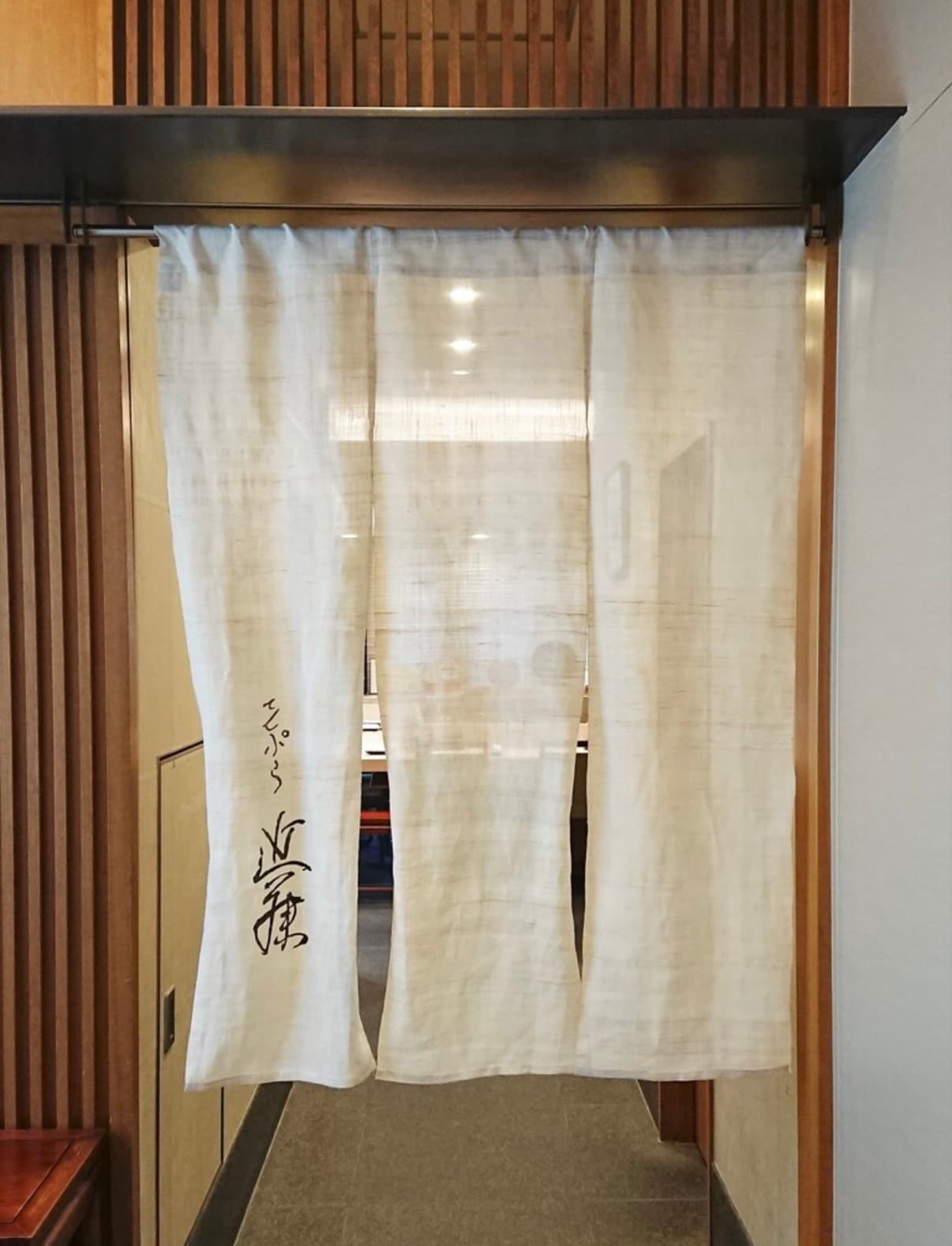
- Tempura counters fry one piece at a time in front of you. At Tempura Kondo in Ginza, Two MICHELIN Stars (MICHELIN Guide Japan 2026), dinner courses are ¥22,000, ¥27,500 or ¥33,000.
- Yakitori houses grill skewer by skewer until you stop.
- Kaiseki and kappo counters serve a seasonal procession of small dishes; see what is kaiseki and kaiseki versus omakase.
Abroad, though, the word has become shorthand for the sushi counter, and a booking for “an omakase in Tokyo” almost always means one.
What is the etiquette at an omakase counter?
- Arrive on time. With a shared start, the first pieces go out whether or not you are seated.
- Say what you cannot eat when you book, not at the counter. The fish is bought and prepared before you arrive.
- Skip the perfume. Many counters ask guests not to wear it; scent travels across eight seats.
- Eat each piece promptly, in one bite if you can. Use your fingers or chopsticks — both are fine.
- Keep photos quick and quiet, and ask if you are unsure; a few counters do not allow them.
- Check the age rule if you bring children. Many counters set one — guests 18 and over at Sushi Miura in Akasaka, 13 and over at Kanda‑Nishikicho Sushi Takaharu.
Requests are not forbidden. Less rice, more wasabi, or a fish you love can usually be asked for — Ginza Sushi Aoki invites exactly that, and also serves the same omakase to everyone in a party. Rewriting the course is what the format does not allow. Our sushi counter etiquette guide covers the details.
Why is omakase priced and booked this way?
Our group runs restaurants in Tokyo, and our desk phones restaurants every day. Seen from behind the counter, most of the rules follow from one fact: a set course is bought before you arrive.
- One price, set in advance, because the chef buys for a known number of guests that morning. A set course is what lets an eight‑seat counter buy the best fish without throwing half of it away.
- Cancellation charges start early for the same reason. At many counters, cancelling the day before costs 50% and cancelling on the day costs the full price; stricter counters start a week out. An empty seat is fish already bought. Our cancellation guide has the common patterns.
- Allergies have to come at booking, because the course is planned and partly prepared before service.
- Shared start times let one chef serve every guest at the right temperature. It is also why counters dislike late arrivals more than almost anything else.
How do you book an omakase in Tokyo?
The hardest counters open their books on a fixed day — monthly, weekly or months ahead to the date — by phone in Japanese or through sites such as OMAKASE, TableCheck, Ikyu and Tabelog. Our release calendar lists the day and time for each restaurant, and the Tokyo omakase reservation guide explains the platforms.
If you would rather not make the call, our desk can request the seat in Japanese: ¥6,000 per seat for restaurants in our collection and ¥12,000 for other restaurants, charged only if we secure the table and you approve it. Counters that accept bookings only in the guest’s own name we request in the name of the guest who attends; if the house declines a booking arranged on a guest’s behalf, we will tell you and nothing is charged. Sukiyabashi Jiro takes overseas guests only through their hotel concierge, so we do not request it.