Newcomers often search for a good Japanese restaurant, as if that were a single category. In Japan it rarely is. The country’s food culture is built on extreme specialization: a chef commits a career to one craft — sushi, or tempura, or eel — and the restaurant is named for that one thing. Knowing the types is therefore the real first step to booking, because you are not choosing a restaurant so much as choosing a discipline — and, as the examples below show, each discipline tends to open its door in its own way.
The single‑craft specialists
These rooms do one thing, all night, for decades. For each we name a house or two from our release‑rules dataset, with the door it actually uses.
- Sushi‑ya — sushi only, usually as an omakase at a counter. The Tokyo tradition is Edomae sushi. At the top tier the door is most often a platform: Hakkoku in Ginza opens Ikyu, OMAKASE and Tabelog on the 1st of each month for dates two months ahead, cards only; Sushi Sawada is OMAKASE‑only with photo ID at the door and two guests maximum. For price bands, Sushi Yuki in Hiroo states lunch nigiri at ¥17,600–19,800 and omakase at ¥28,600–33,000, which is a fair (as of July 2026) picture of a serious Tokyo counter; see omakase sushi cost in Japan.
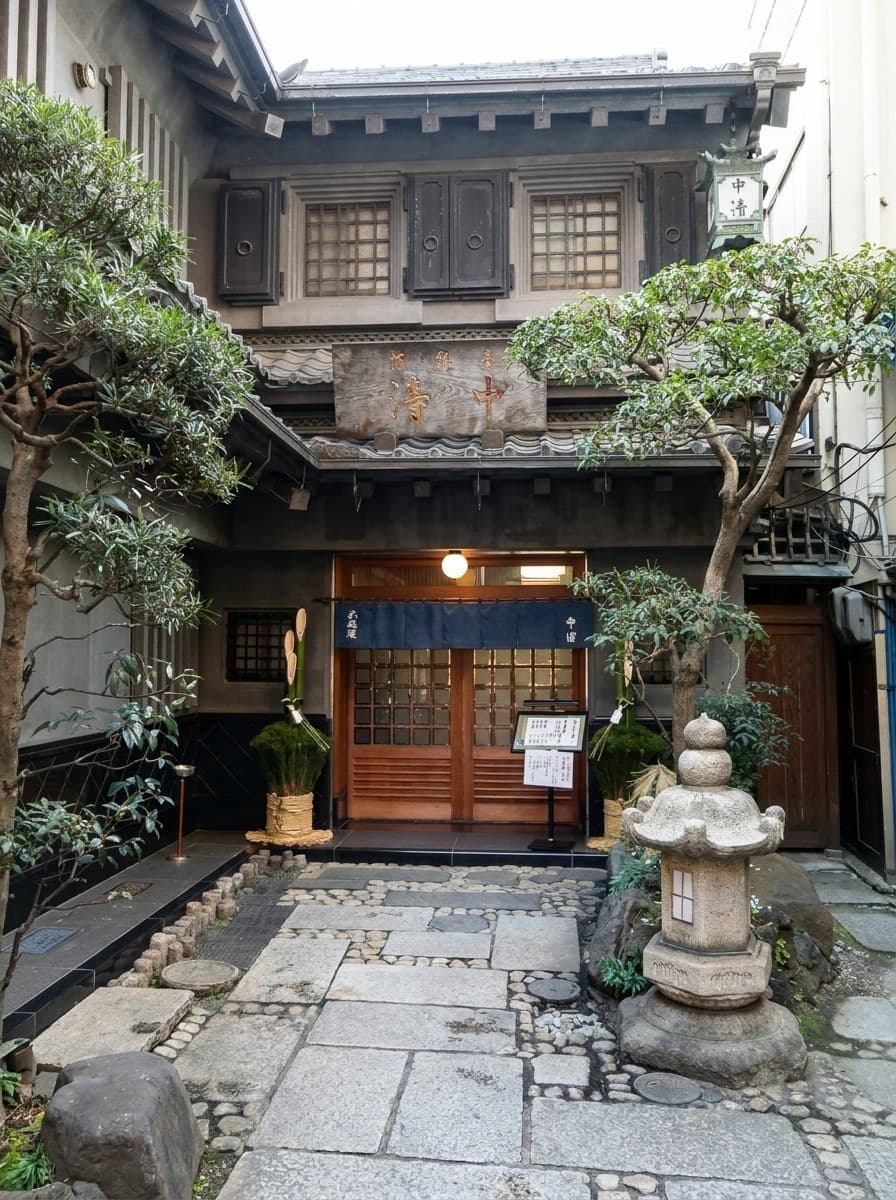
- Tempura‑ya — battered, fried seafood and vegetables, served piece by piece from the fryer. Tempura Kondo in Ginza books by phone in Japanese — reportedly from the first business day of each month for the month two months ahead, though the house publishes no rule — and directs overseas guests to its official partners, with further seats on Ikyu; Tempura Nakasei in Asakusa runs a walk‑in main hall while its garden rooms take course‑only bookings by phone or on Ikyu and Tabelog. Our tempura booking guide covers the rest.
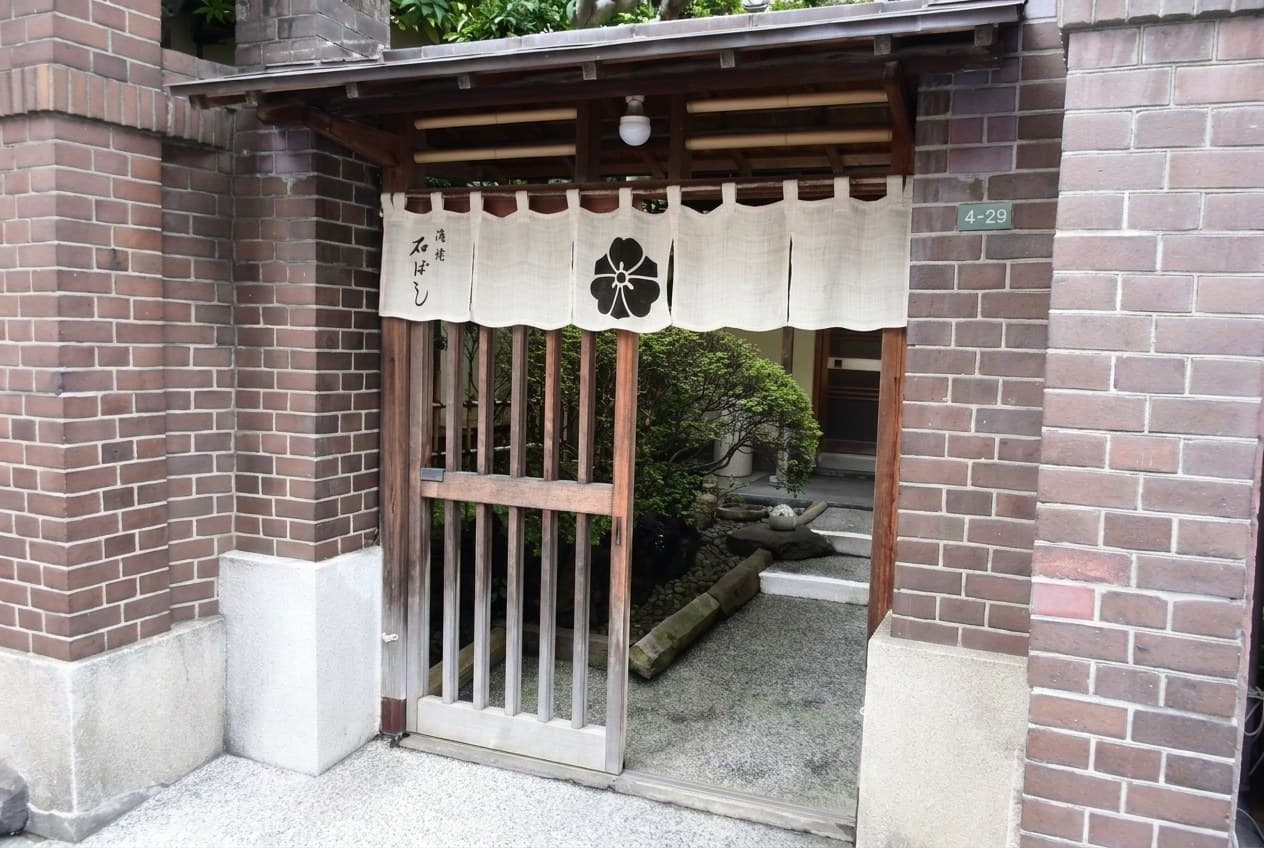
- Unagi‑ya — freshwater eel, grilled and glazed. Nodaiwa in Higashi‑Azabu is phone only and refuses proxy bookings — we can request it only in the name of the guest who attends, and a room needs a week or more. Edogawa Ishibashi is phone in Japanese (or Ikyu for course seats) with a normal lead time; you choose your eel grade when you book, and cancellations inside three days are charged in full.
- Yakitori‑ya — charcoal‑grilled chicken, skewer by skewer, nose to tail. Torishiki in Meguro is the archetype of the phone release: once a month, on a reception day announced on Instagram (recently mid‑month rather than the 1st), the line opens 17:00–19:00 JST for the whole month two months ahead, three guests maximum. Isehiro in Kyobashi is the gentler model — phone in Japanese, no release day, dinner within a normal planning window, lunch on a queue. See the yakitori booking guide.
- Soba‑ya / udon‑ya — buckwheat or wheat noodles, frequently handmade on site. Kanda Matsuya, founded 1884, takes no reservations at all: walk in, share a table, cash only, and the pre‑opening queue clears in twenty to thirty minutes. Muromachi Sunaba splits the difference — the ground floor is walk‑in, the upstairs tatami rooms book by phone for course meals.
- Tonkatsu‑ya — the breaded pork cutlet, fried to order. Tonki in Meguro is walk‑in for parties of one to three, with a queue that runs up the stairs (only groups of four or more can book a private room online); Tonkatsu Sugita in Kuramae runs lunch on a queue and takes dinner bookings by phone in Japanese or on Tabelog.
- Fugu, oden, sukiyaki and more — each its own small world, with the fugu season guide as a starting point for the first.
Kappo and ryotei
For multi‑course cooking, usually kaiseki, Japan offers two registers:
- Ryotei — the formal, traditional high‑end house, often with private rooms and, historically, an exclusive or introduction‑only door. Today several of the great ones take ordinary bookings by phone or online. Fukudaya in Kioicho answers the phone weekdays from noon, in Japanese, and also books on Ikyu and Hitosara, with four private rooms for two to sixteen guests and a 20% service charge; Kikunoi Honten in Kyoto is genuinely bookable by phone 10:00–22:00 or through its official English pages, weeks ahead for ordinary dinners and months for foliage and blossom; Hyotei is booked on TableCheck or by phone in Japanese, with a two‑guest minimum and a one‑to‑three‑month lead.
- Kappo — a more intimate, relaxed counter where you watch the chef work and talk with them directly. Generally the more accessible of the two, and a wonderful way into serious Japanese cuisine. Suegen in Shinbashi is phone only, in Japanese, with courses ordered at the time of booking and lunch as a walk‑in queue. Mitaka shows the other face of kappo: no formal introduction rule, but departing guests rebook at the door, so its eight seats recycle among regulars and the phone is rarely answered.
The distinction between the two is explained further in kaiseki versus omakase.
Izakaya
The izakaya is the casual counterweight to all of the above — a lively pub built around drinks and many small shared plates: skewers, sashimi, fried bites, seasonal dishes. It is where Japan eats and unwinds informally. Expect a small otoshi seat charge with an unordered first dish, a custom we explain in tsukidashi vs otoshi. Most izakaya take a same‑week phone call or a walk‑in; our izakaya guide covers how to order and pay.
Which type books how
The pattern above is not accidental. The scarcer the seats and the higher the price, the more likely the house is to run a formal release; the more everyday the food, the more likely it is a queue.
| Door | Typical types | Examples from the dataset |
|---|---|---|
| Platform release (TableCheck, Ikyu, OMAKASE) | Top‑tier sushi‑ya, some kaiseki and modern rooms | Hakkoku (1st of the month, two months ahead); Sawada (OMAKASE only) |
| Phone release on a set day | Yakitori‑ya, some kaiseki and sushi‑ya | Torishiki (a day announced each month, 17:00–19:00); Ginza Kojyu (from 10:00 JST, the 1st releases a new month; overseas guests go through its partners) |
| Phone (some also online), no release day | Ryotei, kappo, unagi‑ya | Fukudaya, Suegen, Ishibashi, Isehiro |
| Queue / walk‑in | Soba‑ya, tonkatsu‑ya, tempura halls, izakaya | Kanda Matsuya, Tonki, Nakasei’s main hall, Sugita at lunch |
| Introduction or regulars only | A few ryotei, kappo and sushi‑ya | Mitaka (regulars rebook at the door) — we cannot book these and say so |
Every house’s trigger is on the release calendar; the Tokyo mechanics are laid out in how to book restaurants in Tokyo.
Why the type comes first
Because each format masters a single craft, the first real decision is which specialty tonight — not simply where. That choice then shapes everything else: the price band, the booking difficulty, and the etiquette. Once you know you want a tempura counter rather than a kappo, or a sushi‑ya rather than an izakaya, the rest of the plan falls into place — and the door you need to knock on becomes obvious. A sushi‑ya means an alarm set for a platform at Japan hours; a yakitori counter means a phone line that opens for two hours a month; a soba house means arriving before eleven.
Tell us the discipline you are after, and we will find you the right counter for it — and tell you plainly which door it uses, and whether we can open it. Requests for houses in our collection carry a fee of ¥6,000 per seat, charged only if we secure the table and after you approve it.