Take the Chuo Line out of Shinjuku and the city gives way first to the vineyards of the Kofu basin, then to the red pines and buckwheat fields of the Yatsugatake foothills, and finally to the castle town of Matsumoto under the Northern Alps. The food follows the altitude. This is soba country, eel country and mushroom country, with a century‑old winery at one end and a sushi counter that has no business being this good at the other.
What makes it worth the trip is scale. Almost every serious table here is small — six seats, ten, thirteen — and most of them cook what the mountain supplied that week. Very few of them are hard to get into in the Tokyo sense. The difficulty is different: a Japanese phone call at the right hour, a booking deadline measured in hours, and a road that assumes you have a car.
Kofu: wine country’s easy door
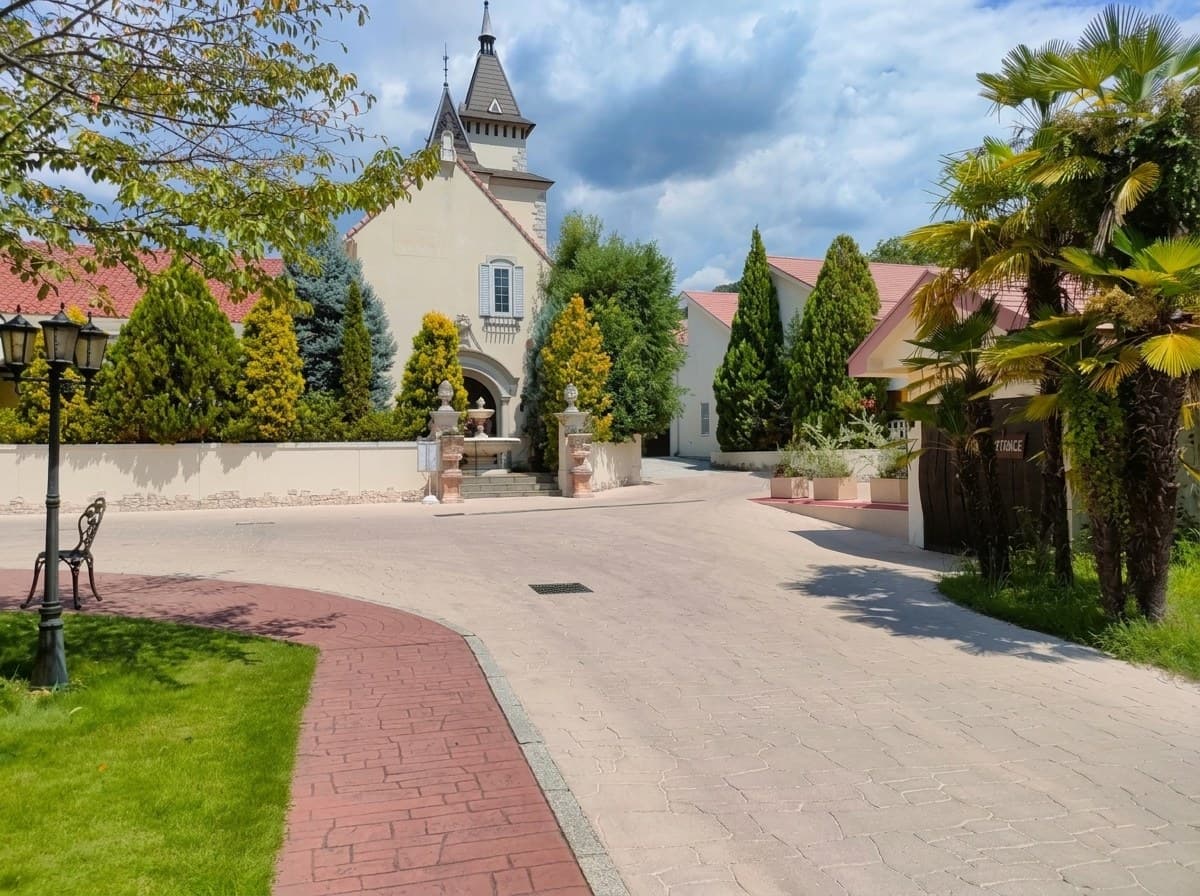
Five minutes on foot from the north exit of Kofu station, Sadoya Restaurant Real d’Or sits inside the grounds of Sadoya, which has made wine in Kofu since 1917. The dining room cooks for the winery’s own bottles — around eighty labels, fifteen by the glass — with Yamanashi produce, under a head chef whose stated preoccupation is temperature. Lunch runs from ¥3,630 to ¥6,600 and dinner from ¥6,600 to ¥15,400, tax included, and there are forty seats. It is the easiest good table in the region: bookable online, children welcome. The one rule that trips people up is that dinner is reservation‑only and closes at 20:00 the day before (two days before for Sundays and holidays), with the course chosen at booking.
Kobuchizawa: soba as a course
Kobuchizawa is where the Chuo Line meets the mountains, and it has more good soba than a town its size should. Two houses in the woods above the station have turned the noodle into the centre of a set menu rather than the whole meal.
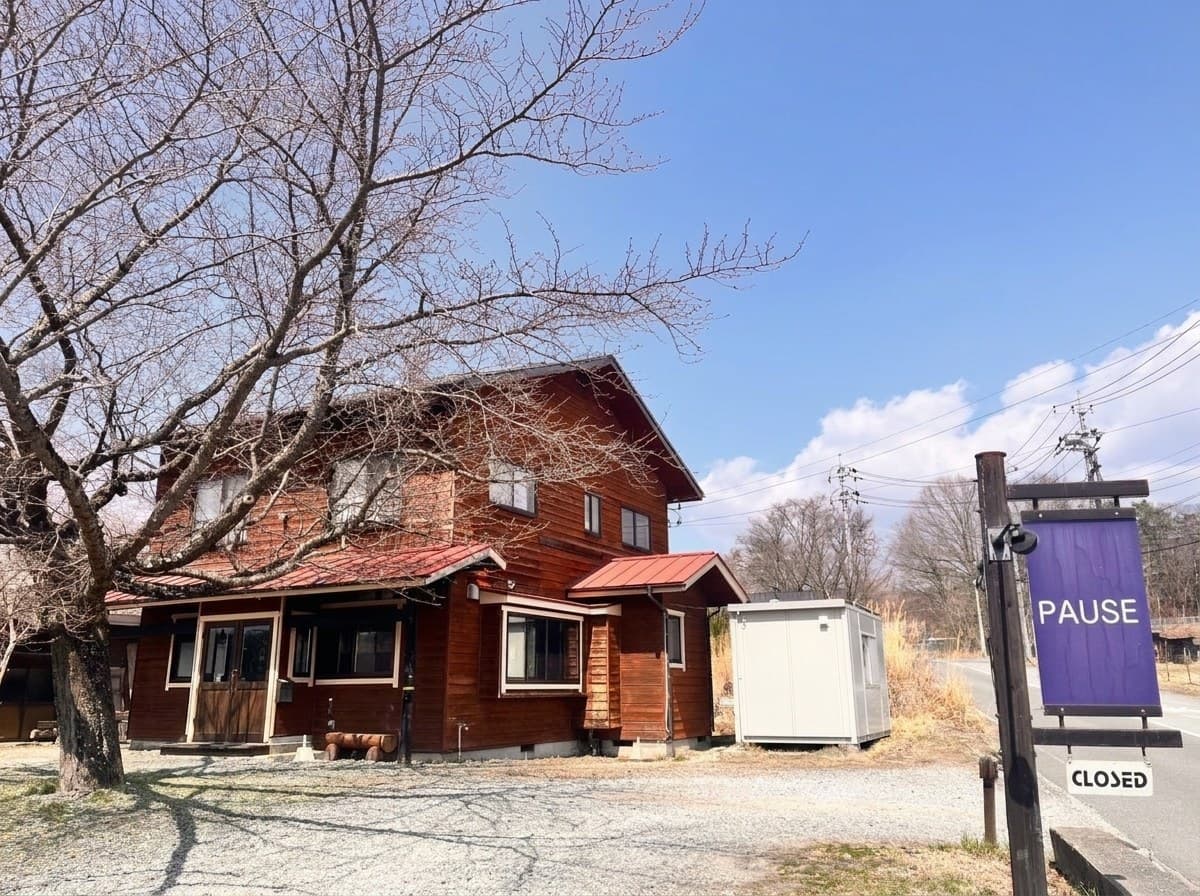
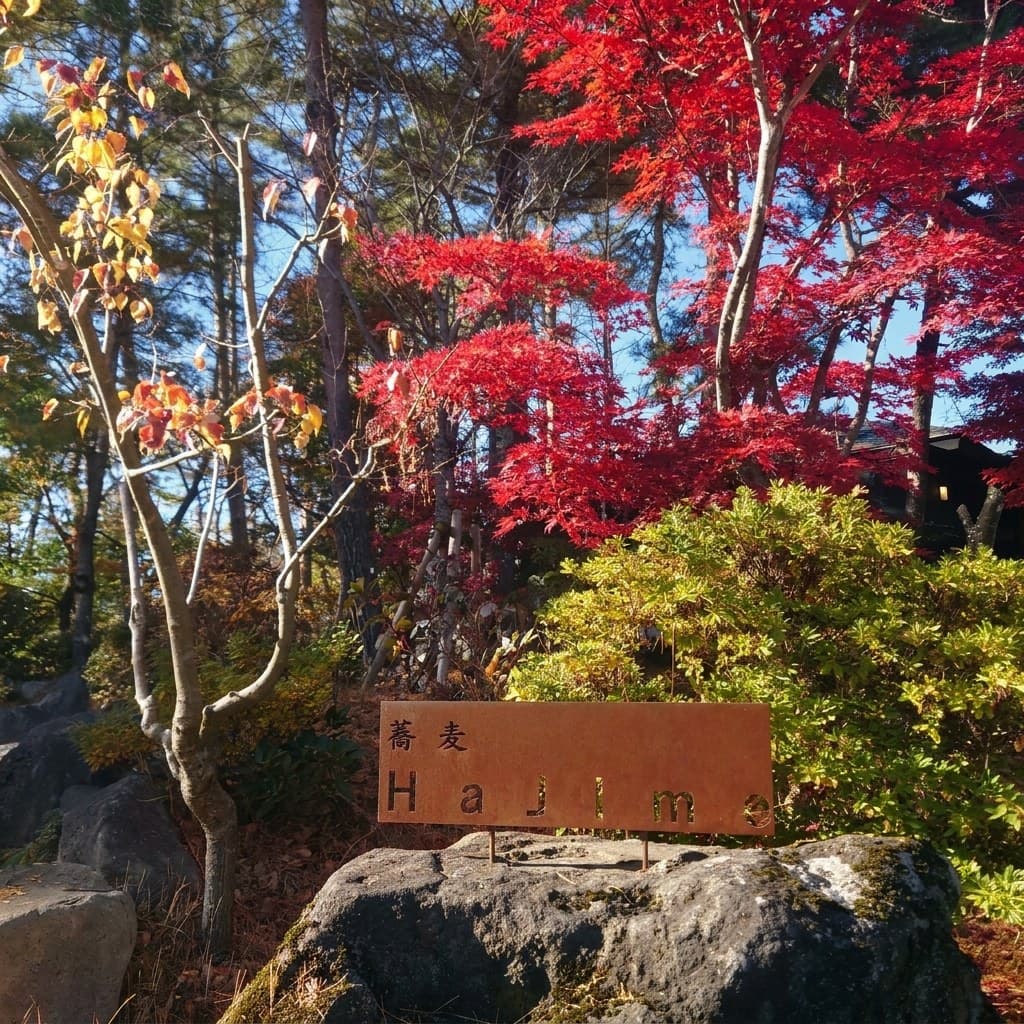
Pause seats ten. Lunch is a ¥4,500 soba course in two seatings, at 11:30 and 13:15; dinner is ¥12,000 and must be booked by the previous day. Starters, a fish or vegetable plate, meat, then the soba, then a dessert regulars mention before the noodles. Soba Hajime, opened in 2018 by a French‑trained chef, works the same shape with more French in it: lunch at ¥4,800 or ¥8,000, a ¥14,000 dinner that the guests who know it recommend over lunch, thin‑cut 100% buckwheat at the centre, and a tarte Tatin rather than sweet beans at the end.
A useful detail for planning: Pause closes Wednesday to Friday, and Hajime closes Monday and Tuesday, so on any day of the week at least one of them is open. Both take bookings by telephone in Japanese. Hajime is listed as cash only on Tabelog; see our note on cash and cards in Japanese restaurants.
Eel, two schools
Three minutes from Kobuchizawa’s platform, in a 1927 farmhouse, Izutsuya Kobuchizawa rests its eel in Yatsugatake groundwater, steams it in the Kanto manner and finishes it over binchotan. The signature is eel and rice served in a length of bamboo and eaten in three stages, like hitsumabushi (¥6,050); the evening AGED EEL course starts at ¥15,000. Its calendar opens 30 days ahead on TableCheck, in English as well as Japanese; dinner courses must be booked by 22:00 two days before.
Further up the line in Matsumoto, Yamasei takes the other side of the argument. The eel is kept in well water and grilled without steaming, so the skin turns fragrant and the flesh stays plump. Lunch is an unaju at ¥5,800; dinner is an eel course (¥15,000) or an eel‑and‑suppon course (¥22,000), plus 10% service, at a five‑seat beech counter with a wine list focused on Burgundy. It holds a Tabelog Bronze for 2025 and 2026. For the difference between the two methods, see our guide to unagi and the Day of the Ox.
Mushrooms off a one‑track line
The Koumi Line climbs out of Kobuchizawa through larch and birch, and a minute from the platform at Kai‑Koizumi is Restaurant Ashihana, a six‑seat French room. The chef forages wild mushrooms himself, and the calendar is written by the mountain: spring vegetables from March to June, wild mushrooms from July to November, and old‑school French cooking between. A short course is ¥6,600 and a full course ¥11,000 at lunch or dinner. The booking is a phone call in Japanese, and dinner closes at 17:00 on the day — but with six seats and a kitchen that forages to the booking, mushroom‑season weekends go early, and a same‑day cancellation is charged in full.
Wood fire at 1,000 metres
Above Chino, among the holiday villas of Toyohira, Caenne cooks everything over a single wood fire. Noriyuki Usui trained in Italy, including an apprenticeship in culatello in Emilia‑Romagna, and his house ham is made that way but fermented with koji from Masumi, the Suwa sake brewery — our koji guide explains why that matters. One twelve‑course menu, ¥19,800 plus 10% service, at lunch for one party of up to three, and at dinner for three parties who all start together at 18:00. Eight seats in all. The online calendar is reported to open two months ahead, and popular dates go as they appear.
Matsumoto: sushi far from the sea
Matsumoto is about as far from the coast as a Japanese city gets, which makes Sushi Inukai the surprise of the trip. Masafumi Inukai brings his fish over the mountains from the Joetsu coast of Niigata and serves it at a nine‑seat Kiso cypress counter over Koshihikari grown in Shimauchi, the district the shop stands in. Lunch on Ikyu starts at ¥5,500; guests put a full dinner at ¥20,000–30,000. Cash only, and children are not accepted as a rule. Recent guests booked a few weeks ahead by phone. Plan on a taxi from Matsumoto station, about ten minutes; the nearby Oito Line stop has few trains.
Further into Nagano
Two of Nagano’s harder tables sit off this line, and both are worth knowing about before you plan. Soba Fujioka, in a log house in the forest of Iizuna Kogen about thirty minutes by car from Nagano city, serves one seating a day at 11:30, Friday to Monday, to eighteen guests; the phone opens exactly one month ahead, the minimum is two guests, and it is cash only. In the Ina Valley, Yukimoto in Iida serves bear hot pot and, from September to November, matsutake by the hundreds of grams; those seasons sell out months ahead, and the kitchen composes a different menu for each private room, so bear must be requested when you book. See our matsutake season guide.
The booking reality
The pattern here is the opposite of Tokyo’s. Almost none of these houses has a release day to fight over. Sadoya, Izutsuya, Caenne and Yamasei book online; Sushi Inukai is on Ikyu, a Japanese platform, and also answers its phone. Pause, Soba Hajime and Ashihana are telephone only, in Japanese — Pause even tells you to ring between 10:00 and 11:00 or 16:00 and 18:00. What catches visitors out is the short deadline and the firm cancellation terms that come with small kitchens buying to the booking: dinner by the previous day at Pause, by 17:00 on the day at Ashihana, and 100% charges on the day at several houses. A few numbers are 050 lines that some foreign mobile plans cannot dial. Our guide to phone‑only restaurants beyond Tokyo covers the general problem.
Building the trip
Azusa limited expresses from Shinjuku serve Kofu, Kobuchizawa, Chino and Matsumoto, which makes the Chuo Line the spine of the trip. From the stations, though, the car matters: Pause and Hajime are a taxi ride from Kobuchizawa, and Caenne is about 25 minutes by car from Chino with no taxi rank in the woods, though the house can arrange a designated driver after dinner. A sensible shape is three nights: one in Kofu for Sadoya, one around Kobuchizawa for soba and eel, one in Matsumoto for Yamasei or Inukai before Kamikochi or the Alps. Add a day for Caenne if you are driving. Keep winter in mind — Ashihana takes a winter break, and snow decides whether Fujioka opens.
If you would like the phone calls made and the days put in order, our concierge desk can arrange it.
From Matsumoto, the road west over the Northern Alps leads to Hida; the next chapter is our guide to Takayama and Gifu.