Everyone knows Tokyo hides its best counters behind a telephone. Fewer visitors realize the same wall runs the length of the country. In Kyoto, Kanazawa, Osaka and Fukuoka, and in small towns from Kushiro to Ishigaki, many of the finest rooms take reservations one way only: a Japanese‑language phone call, often with no booking site and no English at all. Below is how the pattern works — and then a region‑by‑region list of the phone‑first houses in our collection outside Tokyo.
The pattern is national, not Tokyo’s alone
If anything, the phone‑only rule is stricter outside the capital. A famous Tokyo counter at least expects the occasional overseas guest; a revered kaiseki house in a regional castle town may never have fielded a foreign call. There is simply no English page, no booking widget, and no reason for the owner to build one.
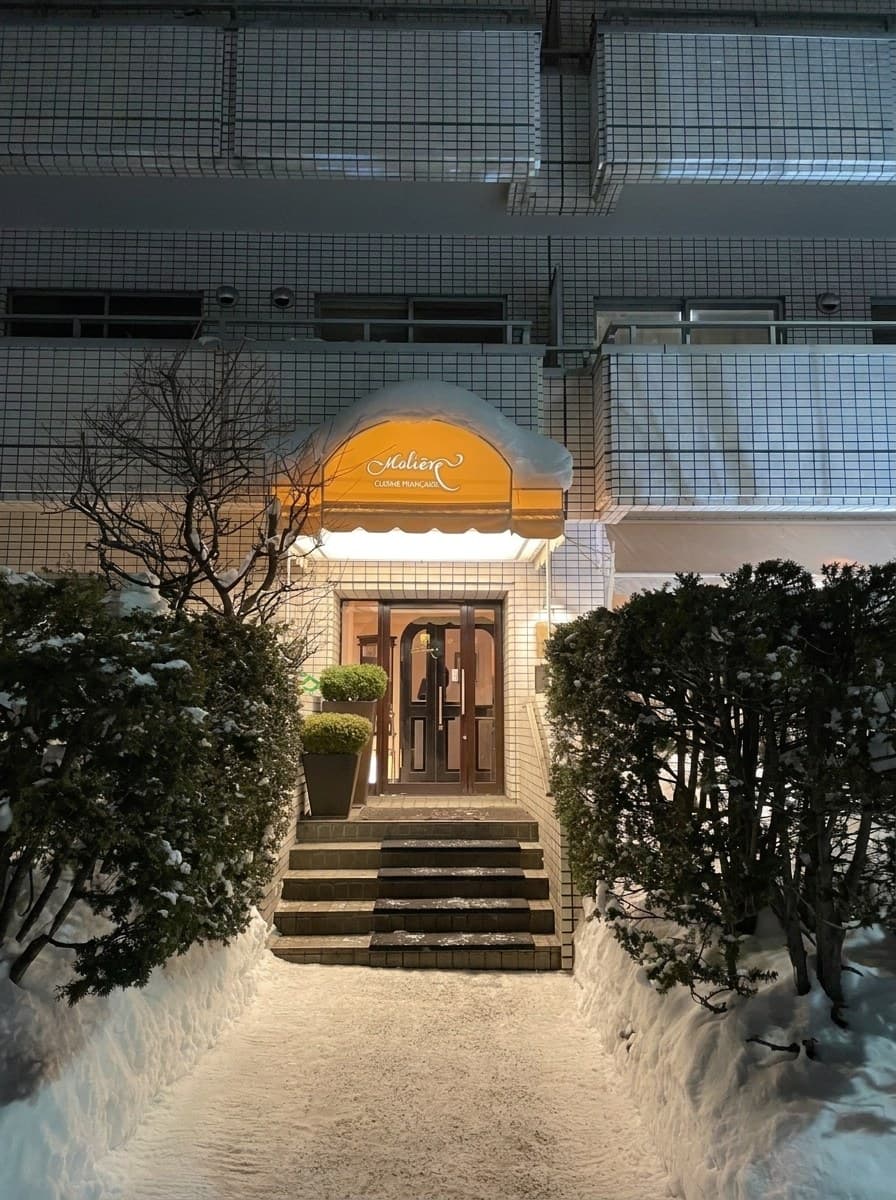
You find it at Restaurant Moliere in Sapporo, which keeps no online channel at all and opens its book by the month, three months ahead; and at Komatsu Yasuke, the Kanazawa sushi counter whose phone is answered only from 14:30 to 18:00, and whose book opens on the 1st of each month for dates three months ahead. Both reputations travel far further than their reachability.
Why the phone, and only the phone
The logic is the same everywhere small counters cook:
- No front office. A chef and one apprentice cannot run a reservation dashboard or answer email abroad.
- The chef wants to hear you. A voice lets them ask about allergies, party size, and explain that the day’s fish decides the menu.
- Known voices lower risk. For an eight‑seat room, two no‑shows is a quarter of the night; a conversation screens better than a click.
- Deposits and local numbers. Some houses ask for a deposit or a Japanese contact number to hold the seat.
The three walls a foreign guest hits
- Language. The call, the confirmation, the guest count, and the no‑show policy readback are all in Japanese.
- Timing. Where a house has a release day, it is a fixed morning in Japan — “the first business day of the month, from 09:00, for all of next month” at Ajidocoro in Hokkaido, “the 1st at 10:00, for three months ahead” at Shunsaiten Tsuchiya near Osaka — the middle of the night in much of the world.
- Telephony. Some numbers only connect from domestic lines, so an international call may never even ring.
None of these walls is about money or fame. They are about a phone line and a shared language — which is exactly why they are solvable. Our companion guide to phone‑only restaurants in Tokyo walks the same problem inside the capital.
Phone‑first houses outside Tokyo, region by region
The list below covers every house in our collection outside Tokyo where the telephone, in Japanese, is the only way to reserve or the main one; where a share of seats also appears online, the line says so. Walk‑in‑only houses and those that book fully online are left out. Each line gives the rule that matters most — the full details are on each house page.
Hokkaido and Tohoku
- Hokkaido, Sapporo — Restaurant Moliere: French; no online channel; the book opens by the month, three months ahead (January’s dates from October).
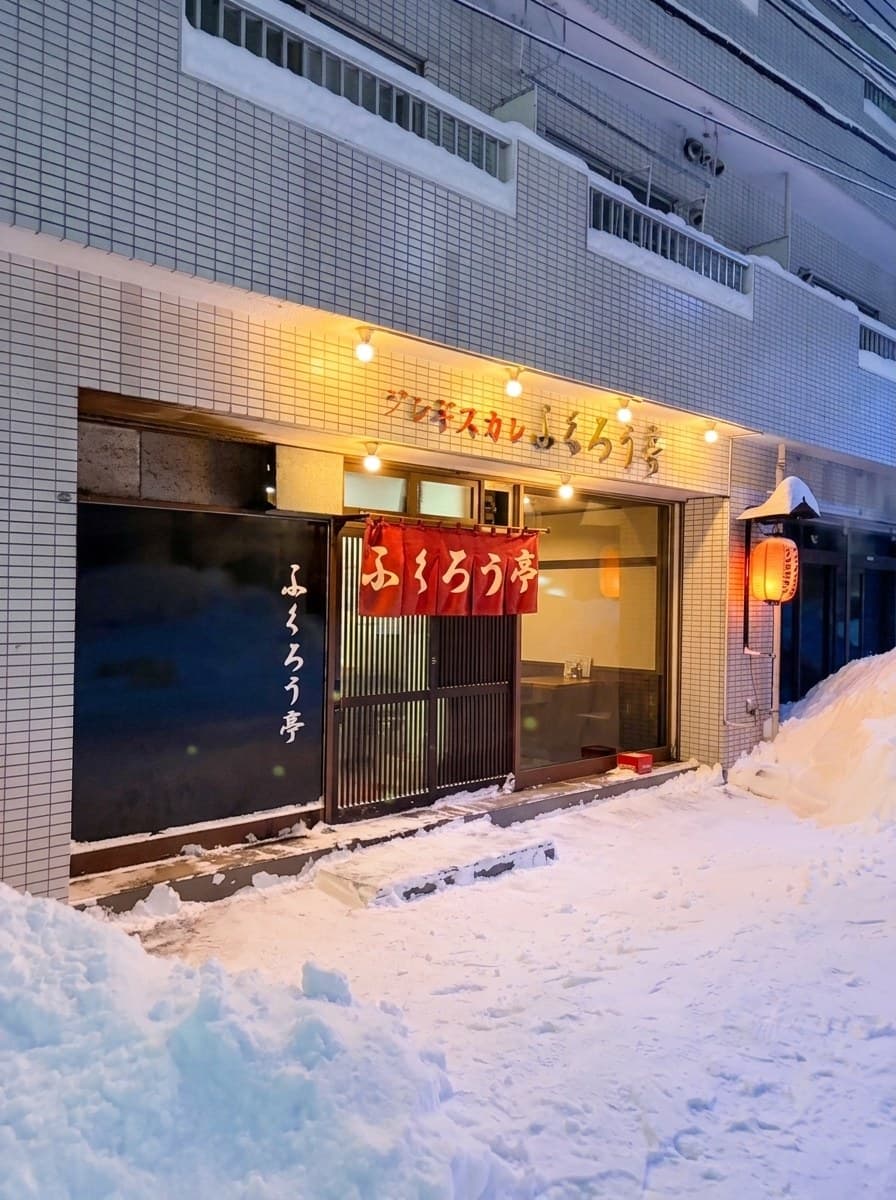
- Hokkaido, Sapporo — Fukurou‑tei: fresh‑lamb jingisukan; no release day, but the line is busy and weekends fill two months out; the slots after 20:30 are the fallback.
- Hokkaido, Kuriyama — Ajidocoro: country kaiseki; the whole next month opens on the first business day at 09:00; guests who cannot understand Japanese need an interpreter at the table.
- Hokkaido, Kushiro — Robata: seafood robatayaki since 1951; cash only; in the August–October rush, call a month ahead.
- Akita, Akita City — Nihonryori Takamura: members and referrals only; the phone is answered 9:00–12:00 and 17:00–21:30, and a member number is part of the call (how it works).
- Iwate, Tōno — Tonoya Yo: one party a night, dinner for staying guests only; each date opens exactly two months ahead and goes at once.
- Aomori, Aomori City — Ippachi Sushi: the counter is first come; tables and the second‑floor rooms book by phone, and the Nebuta festival in early August is full.
Sapporo’s Sushi Tanabe is the useful contrast: its phone is answered in English. More in the region: Sapporo food guide · How to book in Hokkaido · Tohoku.
Kanto, outside Tokyo
- Chiba, Chiba City — Sushiei: the book opens at 12:00 on the first business day of each month, for dates through the end of the month three ahead; some seats go through regulars.
- Chiba, Kashiwa — Takeyabu Kashiwa Honten: lunchtime soba is walk‑in; the courses (¥7,000 at lunch and ¥15,000 at dinner before tax; ¥7,800 and ¥16,500 with tax) book by phone only; cash only.
- Kanagawa, Yokohama — Ohta Nawanoren: gyunabe; calls taken 11:00–21:00, and the house states there is no web booking.
- Kanagawa, Yokohama — Tempura Uemura: phone or Instagram message, with a few dates on Foodies Reserve; the book runs about two months full.
- Kanagawa, Odawara — Unagitei Tomoei: call up to two months ahead to reserve the eel itself; seating is in arrival order, with the whole party present; a separate turtle‑and‑eel course books on OMAKASE.
More in the region: Kamakura and Yokohama day trips · Chiba and Narita.
Chubu and Hokuriku
- Aichi, Nagoya — Sekine: kaiseki; calls 16:00–21:00 only; the first business day of each month opens dates through the end of the month three ahead.
- Aichi, Nagoya — Tempura Yokoi: the phone is answered only 9:30–11:00 and 14:00–17:00; weeks to six weeks ahead; cash only.
- Aichi, Nagoya — Kyoaji Motoi: phone, with a share of seats on Ikyu and OMAKASE; the private rooms are easier about two months out.
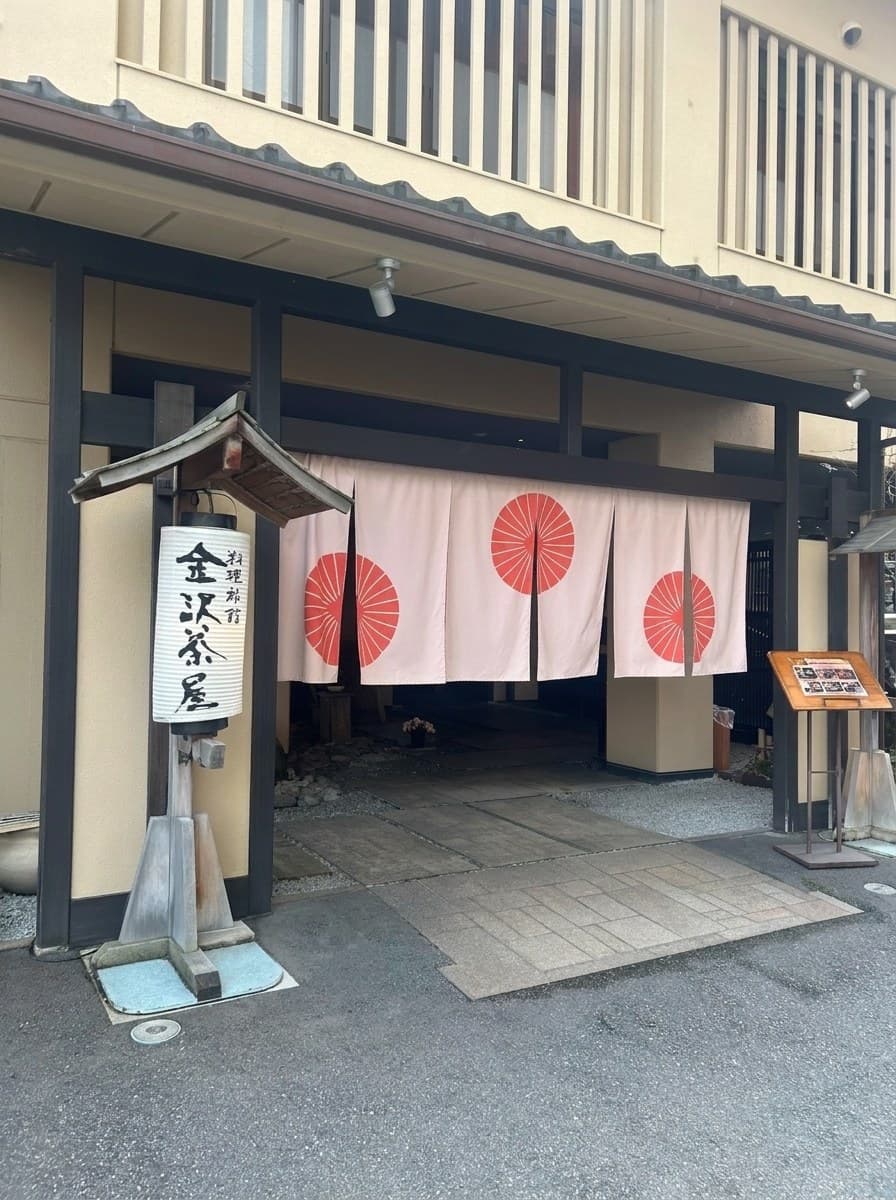
- Ishikawa, Kanazawa — Komatsu Yasuke: calls 14:30–18:00; the 1st of each month opens dates three months ahead (how the call works).
- Mie, Kuwana — Hinode: clams; phone the rest of the year, but the April–mid‑August peak is applied for on the website in November, by lottery.
- Nagano, Iizuna Kogen — Soba Fujioka: four parties a day; the book opens one month ahead, two guests minimum, and weekends go on the opening day.
- Yamanashi, Hokuto — Restaurant Ashihana: French with wild mushrooms from July to November; dinner is reservation‑only, taken until 17:00 on the day.
- Yamanashi, Kobuchizawa — Pause: soba courses; the line is easiest 10:00–11:00 and 16:00–18:00; dinner by the day before.
- Yamanashi, Kobuchizawa — Soba Hajime: lunch in two seatings with priority to bookings, dinner reservation‑only; no cards.
- Gifu, Takayama — Ryotei Susaki: a ryotei founded in 1794, with rooms for two to thirty; usually obtainable with normal lead time.
- Shizuoka, Ito — Ichiunagi: eel at a nine‑seat counter; a month ahead for weekends, a few days for weekdays; cash only.
- Shizuoka, Shimizu — Suehirozushi: seats by phone, sometimes the day before, with a few slots on Ikyu and PayPay Gourmet; ask early for the eleven‑seat counter.
More in the region: Kanazawa · How to book in Nagoya · Yatsugatake and Matsumoto · Takayama and Gifu · Shizuoka and Izu.
Kansai
- Kyoto, Saga Toriimoto — Hiranoya: ayu from June to October; every room is private and every meal needs a booking.
- Kyoto, Murasakino — Daitokuji Ikkyu: shojin ryori; phone or the site’s fax form; closing days follow Daitokuji’s temple calendar.
- Osaka, Suita — Shunsaiten Tsuchiya: tempura; the 1st of each month at 10:00 opens dates up to three months ahead, and weekend lunches go that morning.
- Osaka, Dotonbori — Takoume: oden; calls after 15:00, one week ahead; the booking is cancelled if someone other than the booker arrives, so it must be in your own name.
- Shiga, Otsu — Hira Sanso: the book opens at 10:00, three months ahead to the day; winter bear is a redial race, and bookings cannot be cancelled; OMAKASE occasionally opens a period.
- Shiga, Makino — Korian: eight seats at 12:00 and 17:00; seats go about two months ahead.
- Shiga, Yogo — Tokuyamazushi: fermented funazushi cuisine; calls 10:00–17:00; first‑time guests report waits of around five months.
- Nara, Naramachi — Gen: soba; up to two months ahead, and lunch is reserved by the portion; cash only.
- Nara, Naramachi — Tsukumo: calls 10:00–21:00, up to two months ahead to the day; no email or booking sites; two guests minimum.
- Nara, Naramachi — Hoshino: the call is followed by an SMS or Instagram message to confirm, and the course is prepaid by link.
More in the region: How to book in Kyoto · How to book in Osaka · Nara · Kobe, Ashiya and Himeji.
Chugoku and Shikoku
- Hiroshima, Hiroshima City — Kisetsu Ryōri Nakashima: kaiseki; phone, or a waiting‑list request on Pocket Concierge in English; one 18:30 seating, closed Sundays and holidays.
- Hiroshima, Nobori‑cho — Eizan: charcoal‑grill kaiseki; no release day, two to three months ahead for the counter; the private room is the fallback.
- Yamaguchi, Shimonoseki — Kogushiya: fugu in eleven private rooms; same‑day is sometimes possible, but book ahead; wild torafugu from mid‑September to early May.
More in the region: 48 hours in Hiroshima.
Kyushu and Okinawa
- Fukuoka, Noma — Funakoshi: sushi; no booking site; a single guest is fine, and a week’s notice worked in summer 2026.
- Fukuoka, Hirao — Hakata Suigetsu: mizutaki; calls only from the guest in person — agencies and intermediaries are declined.
- Nagasaki, Nagasaki City — Itamae Ryori Doyama: ten seats, about a month ahead; cash only.
- Nagasaki, Nagasaki City — Ryotei Ichiriki: shippoku; phone or email, no booking sites; two weeks’ notice is usually enough.
- Kumamoto, Suizenji — Iroha: horse‑meat izakaya; full most nights, so call weeks ahead; cash only.
- Kumamoto, Sakuramachi — Murakami: sushi; the first business day of each month opens dates through the end of the month after next, with a few seats on Pocket Concierge and Ikyu.
- Kumamoto, Fujisakigu‑mae — Sushi Nakamura: dinner by phone only (lunch also online); each date opens 90 days ahead.
- Kumamoto, Yamaga — Robatayaki Sanroku: chicken over the hearth; phone bookings on weekdays only, for the 11:30 seating only; weekends are first come.
- Kumamoto, Amakusa — Sushi Taito: five counter seats; call as soon as your dates are set; cash only.
- Oita, Saiki — Yakiniku Ito: from the 1st of each month, dates through the end of the next month; Ikyu lists request bookings.
- Kagoshima, Kagoshima City — Sushisho Nomura: no online booking anywhere; the start time is agreed on the call; cash only. Overseas guests are accepted only through a hotel concierge, so we do not request it.
- Okinawa, Naha — Mie: Ryukyu cuisine; ordinary notice, and even a single guest is given a room.
- Okinawa, Naha (Shuri) — Akatafu: Ryukyu courses; name your course when you call; no same‑day bookings; cash only.
- Okinawa, Naha — Shabu‑shabu Kin Honten: course only; on busy dates only the 17:00 seating is left even two months out.
- Okinawa, Ishigaki — Sumibi Yakiniku Yamamoto: the book opens two months ahead; the line is easiest 16:00–17:00, weekdays easier than weekends.
More in the region: How to book in Fukuoka · Kumamoto and Oita · Okinawa.
The houses that break the pattern
Three kinds of exception are worth knowing before you plan around a phone line.
Some famous tables have moved to platforms. Kataori in Kanazawa, Tokiwa Sushi in Niigata, Kurumasushi in Matsuyama, Nihonryori Beppu Hirokado and Kesennuma KUROMORI now release their seats mainly or only through online platforms such as OMAKASE and TableCheck — a different race, run in seconds on a set date rather than on a busy line. In Kyoto, Hyotei now takes bookings for both the main house and the annex on TableCheck as well as by phone, two guests minimum.
A few houses speak English. Sushi Tanabe answers its phone in English, and Shunsaiten Tsuchiya accepts overseas guests through an English site, prepaid, up to three days before.
A few houses with rules of their own. Hakata Suigetsu declines every intermediary, and Takoume holds a table only for the person named on it; we request both in the name of the guest who attends, and if the house declines a booking arranged on a guest’s behalf, we tell you and nothing is charged. And Ajidocoro will book you, but seats no one who cannot follow Japanese without an interpreter. We say so before we call.
How a native‑speaking concierge clears it
The fix is unglamorous: someone in Japan who dials the domestic line, speaks the language, guarantees the booking under their own name, takes responsibility for no‑shows, and sends you an English confirmation with the address, the timing, the house rules, and how the counter prefers to handle dietary notes. The restaurant’s risk drops sharply, and the walls of language, timing and telephony come down at once. For almost every house on the list above, that is the whole job — tell our concierge desk your dates and the region, and we make the calls.
For the broader etiquette that follows once you’re seated — from oshibori to the pace of the counter — see Japanese restaurant etiquette. The reservation is only the first door; knowing how to sit at the counter is the second.