In shortMountain kaiseki — bear, matsutake, river fish. Reservations run in Japanese and are hard to place from abroad, so our Tokyo desk requests the table for you, by phone and in Japanese.
Price
Matsutake course ¥29,700 (tax and service included) Prices are indicative, as listed on Ikyu (October 2026). · omakase course ¥44,000 (tax included) Prices are indicative, as listed on Tabelog (October 2026).
Hours
Lunch from 11:30 · Dinner from 17:30 — everyone starts at the booked time
Closed
Mondays
Seats
20, across four private rooms
Private rooms
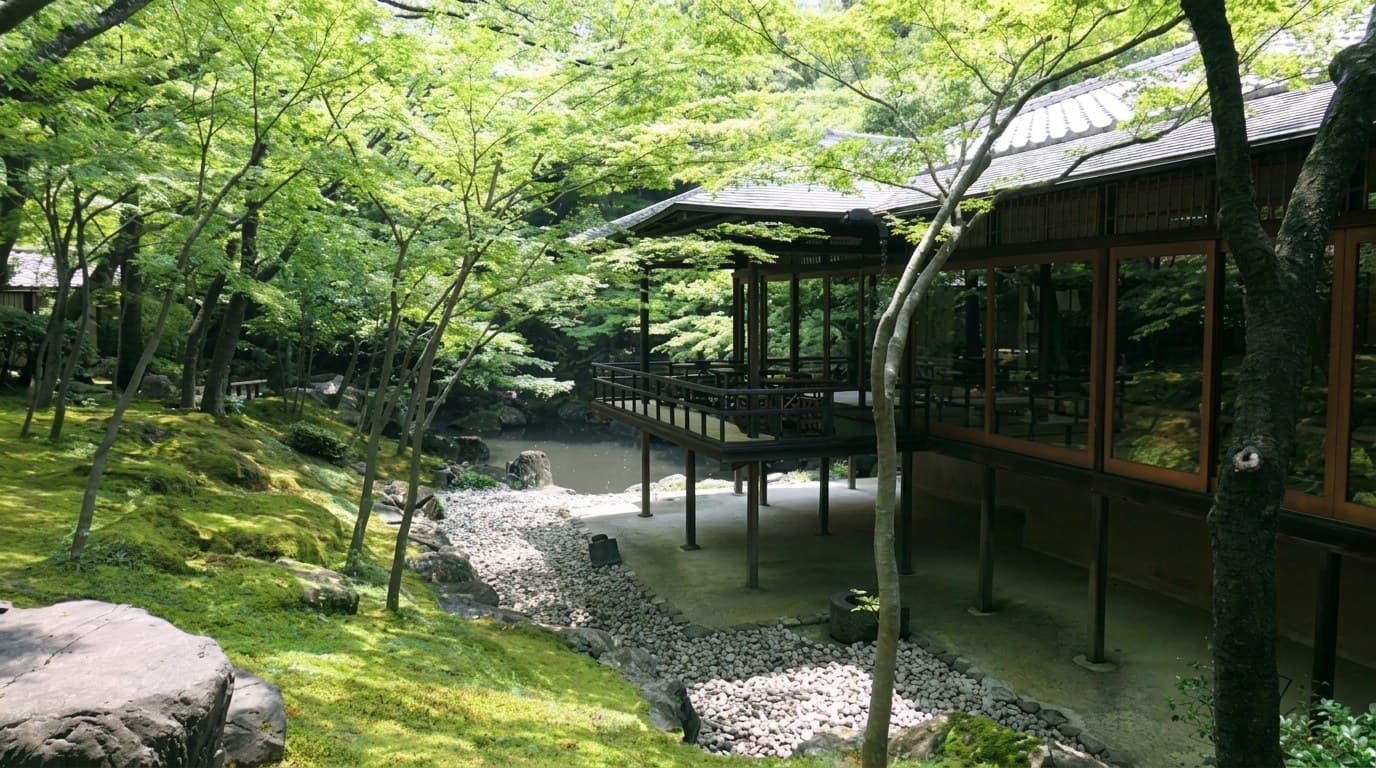
Every seat is a private room — for 2, 4, 10–20 or 30+; a hall takes 50
Payment
Cards accepted (no e-money or QR codes) · +10% service
Getting there
Iida Stn, 3 min walk — ~2 hrs by highway bus from Nagoya; the valley the maglev will one day reach in 45 min from Tokyo
Dress code
No dress code
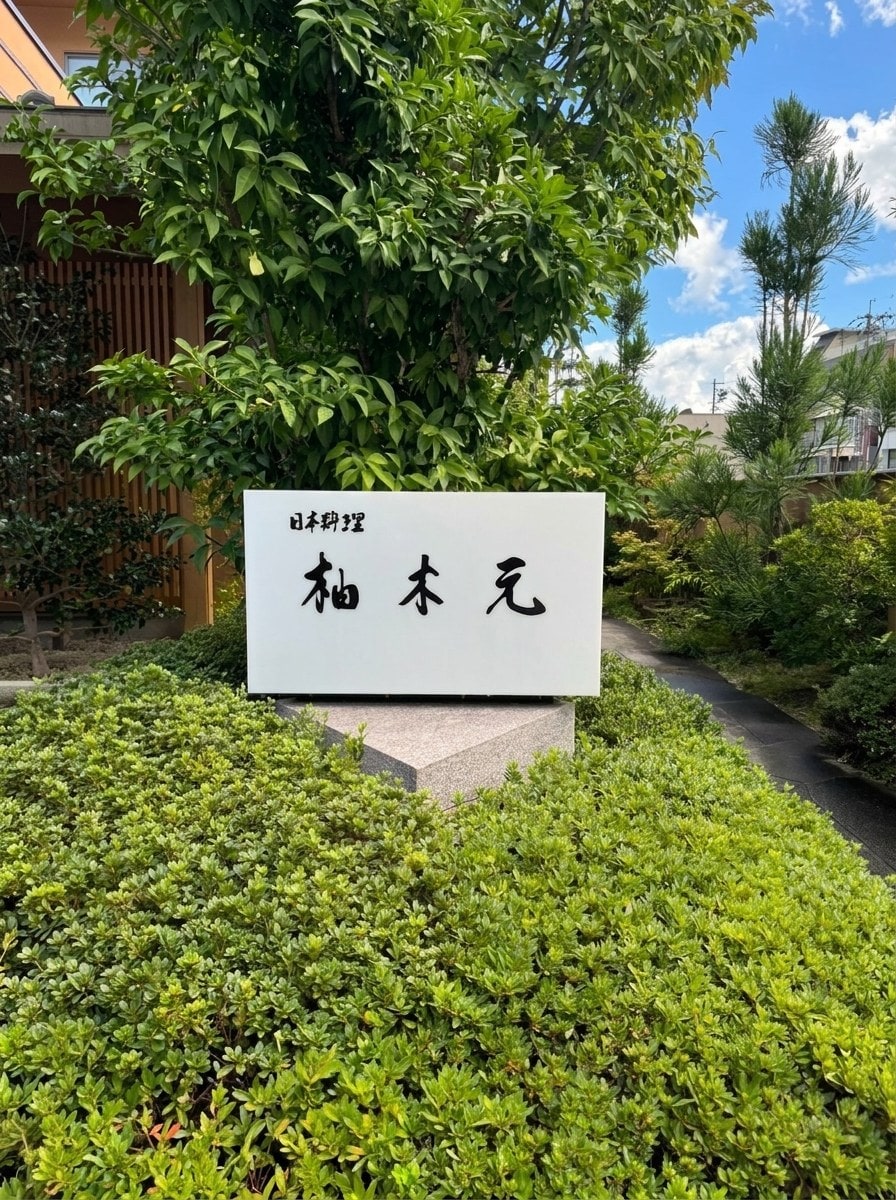
The Tabelog Award’s Gold — the top tier of the crowdsourced ranking Japanese gourmets trust most — goes overwhelmingly to Tokyo and Kyoto. In 2024 it went to a family‑run house three minutes from a rural station in the Ina Valley, and stayed there: Yukimoto, rated 4.59 at the time, ranked among the top ten restaurants in the country by OAD. Second‑generation master Takayuki Hagiwara trained at Shofukuro, a revered kaiseki house — kaiseki being Japan’s formal multi‑course cuisine — before coming home, because, as he puts it, the point of this cooking is temperature: you have to see the valley, meet its people, eat what its hunters and foragers carry in that morning.
What you eat
The house signature is four‑season bear: black bear hot pot served year‑round and recomposed by season, culminating in winter with a broth simmered for 72 hours. Autumn belongs to matsutake, Japan’s prized pine mushroom: some courses work through hundreds of grams per guest — grilled, miso‑cured, steamed in a clay pot — from the surrounding hills. Spring brings sansai, wild‑foraged mountain vegetables; summer, ayu — a small sweet river fish — from the Tenryū River. Every party dines in its own private room, with its own menu.
The week decides everything
Online booking exists, unusually for this tier: OMAKASE releases the following month on the 1st at 15:00 JST (one booking per account per month, and some months are not released), while Ikyu, Pocket Concierge and the phone take bookings at any time — but a slot is not the meal. The kitchen composes a different menu for each room, and bear must be requested when you book: it depends on the hunt, and ask in the wrong week and the mountain simply has not given it. Bear seats in deep winter and matsutake seats in autumn sell out months ahead; lunch and shoulder seasons are the realistic openings. The conversation that decides what reaches your table — which week, which requests, what the hunters are bringing in — happens in Japanese, by phone, which is where a desk that can hold that conversation earns its keep.
The land around it
This is the remotest great restaurant in Japan today, which is the point. Pair dinner with Hirugami Onsen’s hot springs and the night‑sky tours of Achi village, officially measured as Japan’s starriest sky; the Tenryū gorge boat run; and the apple‑tree avenue local schoolchildren planted after the great fire of 1947. When the maglev line opens, this valley will be 45 minutes from Tokyo. Eat here before that.
Go if you
Are ready to go where the rankings actually point — and, rarely for this tier of dining, travel as a family: every room is private, and children are genuinely welcome.
The house's cancellation charge
From 00:00 JST, 130 days before5%
From 00:00 JST, 7 days before50%
From 00:00 JST, 3 days before100%
Same day, with notice100%
Same day, no notice (no-show)100%
Charged by the house, not by us. A plan's own policy takes precedence.
Free release-date alerts: the day before, on the morning of release day (08:00 JST) and about 30 minutes before when the time is known — or a weekly summary if the house opens a little every day.
Yukimoto: common questions
Can you book Yukimoto from abroad?
Yes, through our Tokyo desk. Online on OMAKASE (the next month opens on the 1st at 15:00 JST, one booking per account per month), or any time on Ikyu, Pocket Concierge or by phone in Japanese — but the real game is the season. Bear (Dec–Feb) and matsutake (Sep–Nov) seats go months out, and the kitchen composes a different menu per room, so how you book matters as much as when. We call the restaurant for you, in Japanese, and the ¥6,000-per-seat fee is charged only if we confirm your table — no seat, no fee.
Some of these links are referral links: if you book through them we may earn a small commission, at no extra cost to you. Restaurants never pay us to be listed or ranked. Editorial policy
Cite this page
Facts on this page were checked by our Tokyo desk. You are welcome to quote them with a link: