Shinjuku is Tokyo with the volume turned all the way up: the world’s busiest station, three million passengers a day, and a feeding apparatus to match — from postwar alleys where smoke does the advertising to counters where a pork skewer is treated like a tea ceremony.
The alleys
- Omoide Yokocho — the lantern‑lit lane by the west exit, a surviving fragment of the postwar market: sixty tiny grills, charcoal smoke, beer, elbows. Go early (it fills by seven), take any open seat, and understand it as Tokyo’s most atmospheric quick eat rather than its best food.
- Golden Gai — six alleys, some 280 matchbox bars, each an owner’s universe. It is for drinking after dinner; a lit sign and open door generally welcome visitors.
The connoisseur’s address
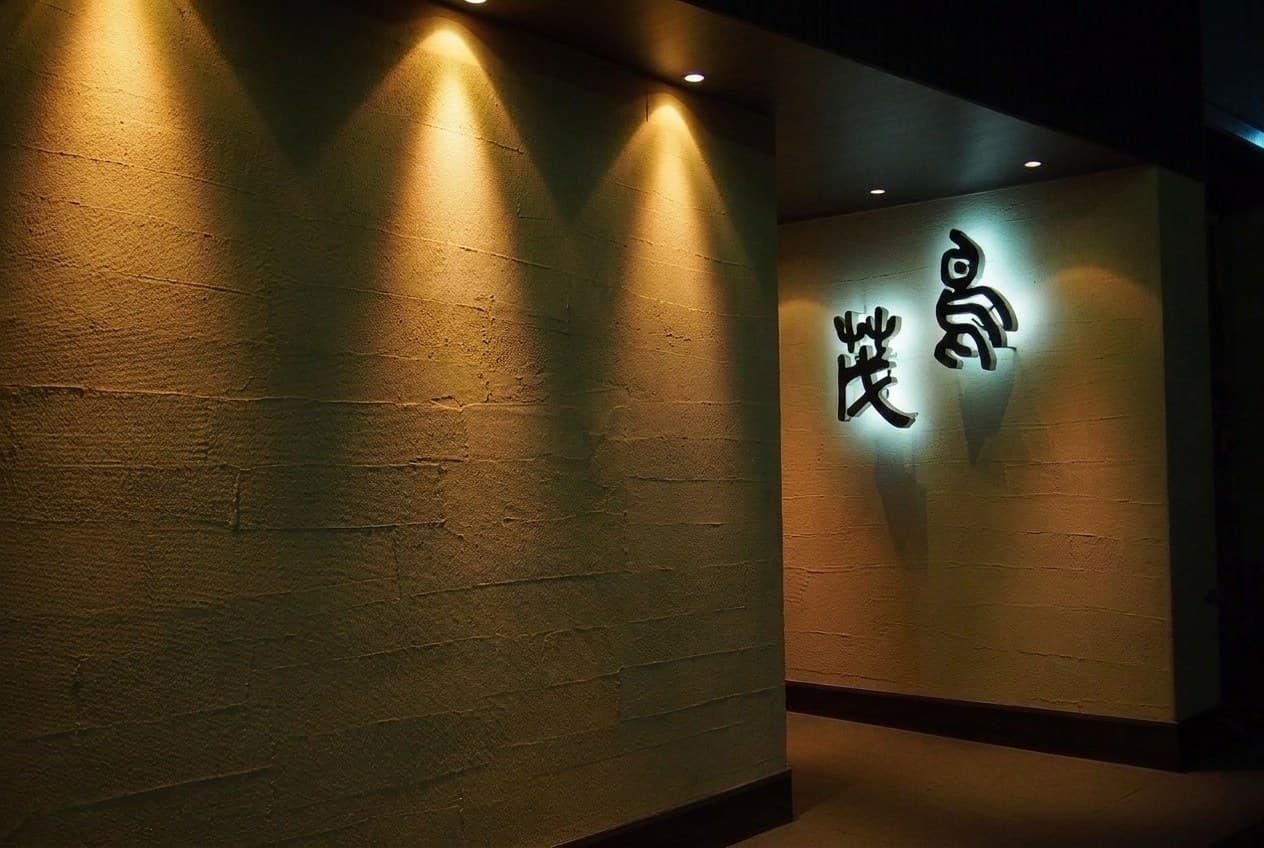
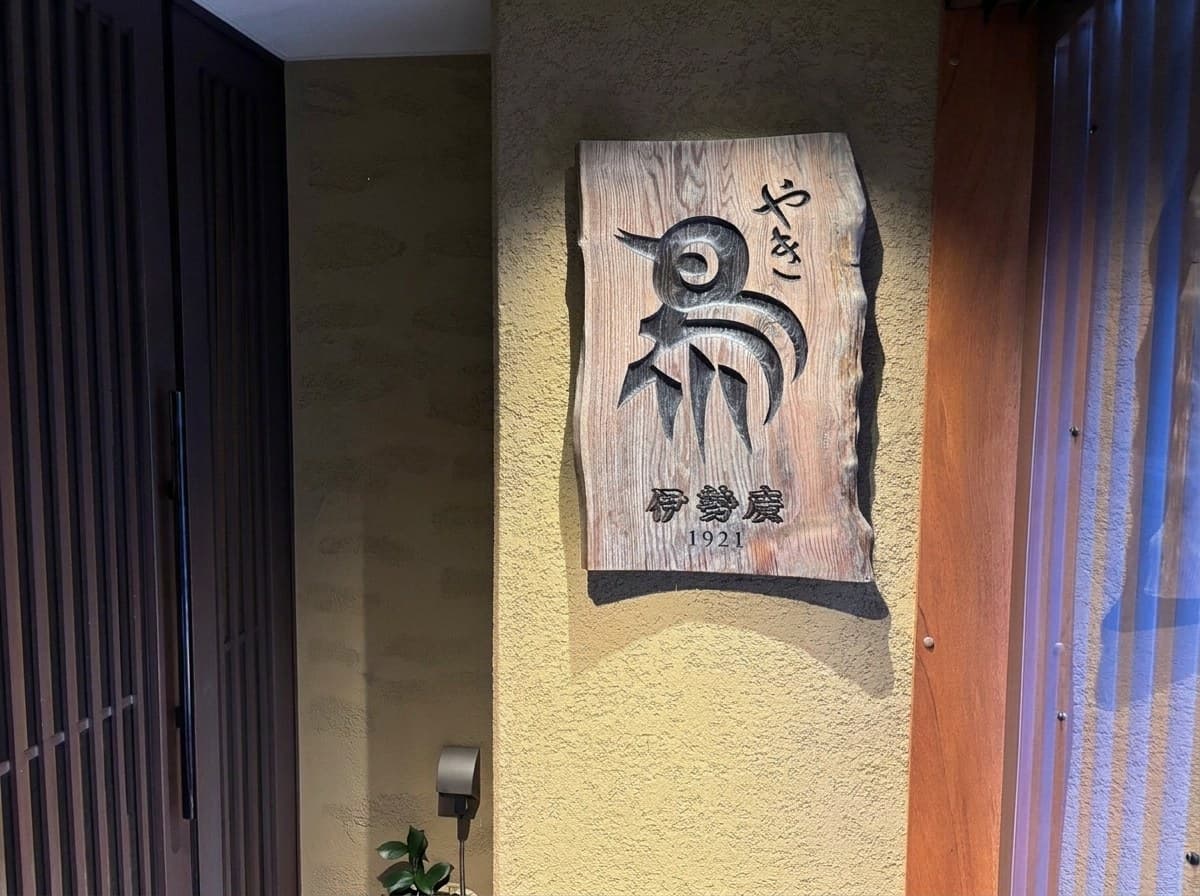
Shinjuku’s serious claim on Japanese food history is yakiton — pork skewers, offal included, over charcoal — and its summit is Torishige, where a family lineage has spent generations proving that tail, cheek and liver deserve the same reverence as tuna. It is one of Tokyo’s great conversion experiences: diners arrive curious and leave reordering their entire hierarchy of luxury. (The chicken original, yakitori, has its own booking guide.)
The vertical city
Shinjuku’s best rooms are almost never at street level. Izakaya stack six floors high in Sanchome and Kabukicho; ramen counters — several among the city’s most decorated — hide in basements; and the station’s department‑store food halls are depachika at full power, the daytime pantry for bento, fruit and gifts. As in Ginza, the skill is reading building directories — the neon is a table of contents, not a menu.
Building the Shinjuku evening
The classic sequence: alley first, counter second, bar third. Skewers and a beer in Omoide Yokocho at six; the booked counter — Torishige, a ramen pilgrimage, or an izakaya found via our izakaya guide — at eight; Golden Gai for the late hours. Solo diners thrive here more than anywhere — see dining alone in Japan — because half of Shinjuku’s seats were built for one.
Practical notes
Torishige and the famous counters book out days to weeks ahead; Torishige takes bookings by phone in Japanese only, and our desk can make that call. The alleys are cash‑friendly and card‑shy (carry yen); cover charges in Golden Gai are normal, not a scam; and the whole district runs latest of any in Tokyo — Shinjuku is where the city’s food culture goes after midnight.