Central Kyushu is two prefectures and one volcano. Kumamoto faces west, onto the Ariake Sea and the Amakusa islands; Oita faces east, onto the Bungo Channel; between them lies the Aso caldera, and beyond it the hot‑spring towns of Yufuin and Beppu. Kumamoto’s meat is horse, and its sushi is built on Amakusa fish. Oita keeps three dishes that Tokyo and Kyoto also serve, far from the water they come from: tiger fugu, soft‑shell turtle and pike conger. The Michelin Guide’s special Kumamoto–Oita edition of 2018 starred several of the houses below, and nearly all of them can still be booked with a phone call rather than a lottery.
Kumamoto: horse, the way the city eats it
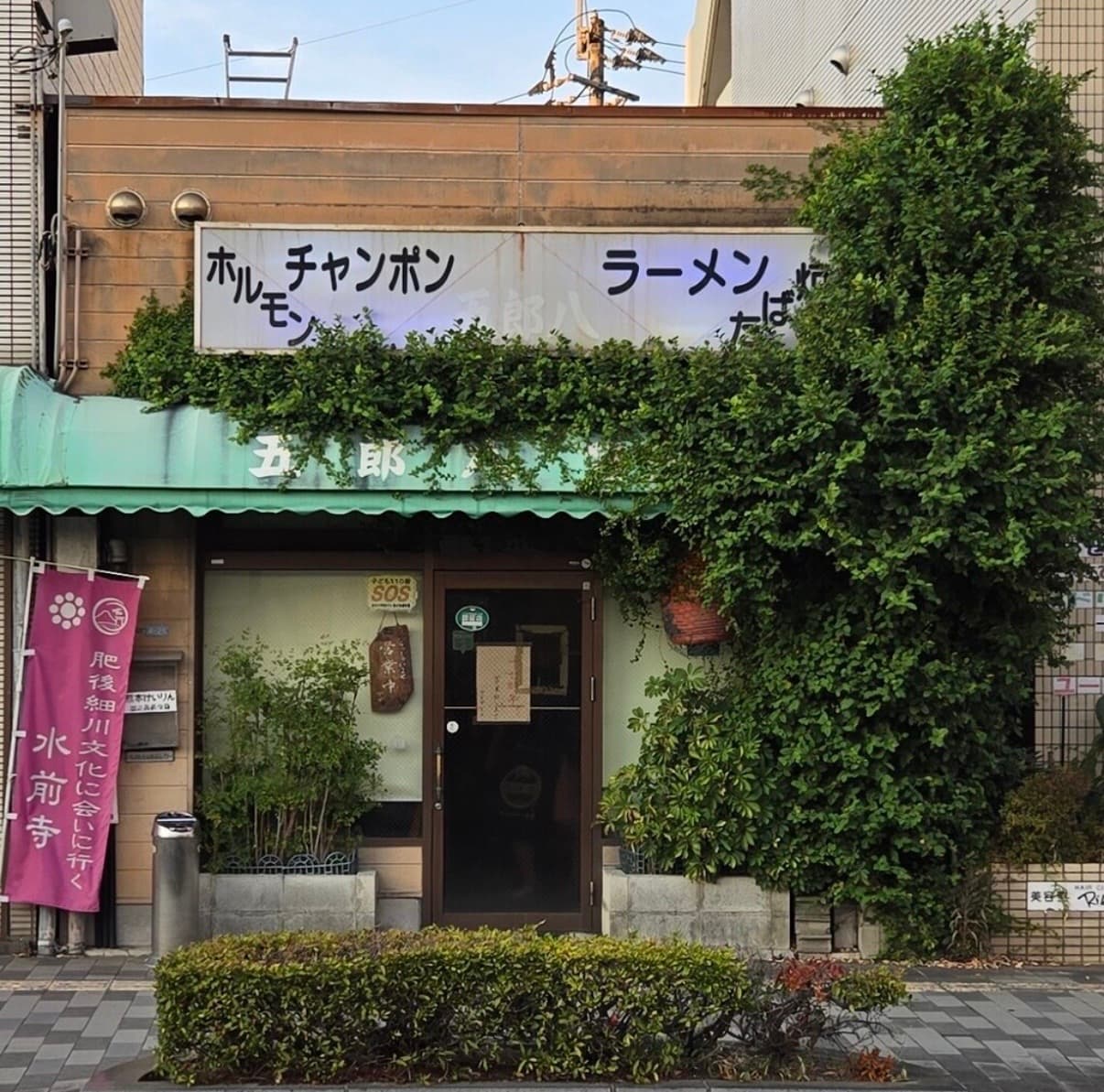
Basashi — raw horse with sweet soy, garlic and onion — is on half the menus in Kumamoto’s arcades. Locals eat it at Iroha, a red lantern directly in front of the Suizenji‑kōen tram stop that has been serving horse for more than half a century. The sign reads 五郎八, and even Kumamoto people need telling how to say it. Everything is à la carte: basashi at ¥1,680 in early 2026, grilled horse offal at ¥1,000 on a sizzling plate, and a ¥450 mountain of bean‑sprout stir‑fry that regulars order as often as the horse. Most guests spend ¥4,000–5,000. Cash only, closed Sundays and booked out most nights: call a few weeks ahead, by phone.
Amakusa fish, three counters
The Amakusa islands, off Kumamoto’s west coast, sit where the Ariake, the Shiranui and the East China Sea meet, and their fish fill the region’s best counters.
Sushi Nakamura is a husband and wife at a ten‑seat hinoki counter by the river in Tsuboi, starred in the 2018 edition. Lunch omakase is ¥15,400 on Sundays, Tuesdays and Wednesdays; dinner, at ¥22,000, is served only on Fridays and Saturdays. Each date opens exactly 90 days ahead, parties are capped at four, and dinner is booked by phone in Japanese only; lunch can also be booked on the house’s own website.
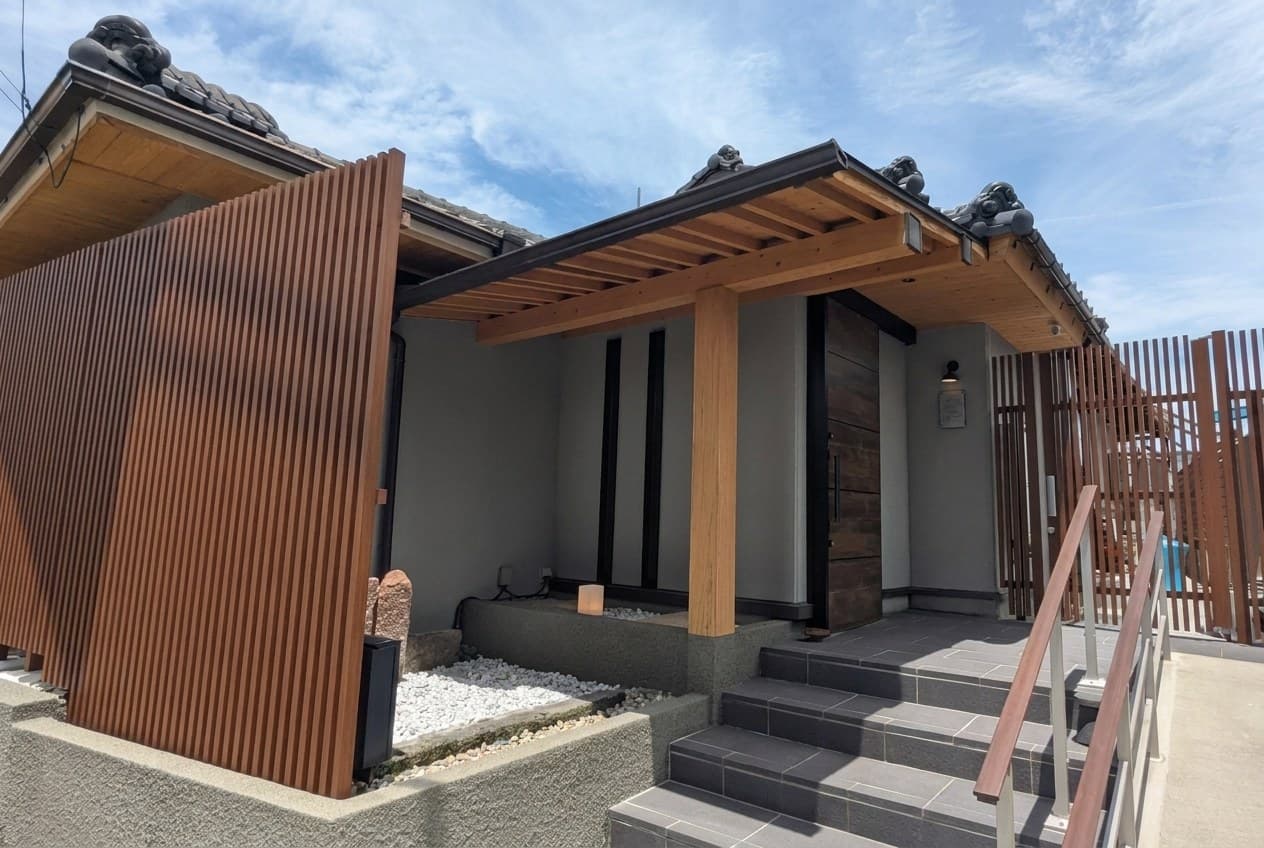
Murakami belongs to the sons of Yakko Sushi in Amakusa: two brothers at a ten‑seat counter on the second floor of a building beside the Sakuramachi bus terminal, shaping a lighter white‑vinegar rice and serving six to eight cooked dishes before the nigiri. The phone book opens on the first business day of each month for dates through the end of the month after next, and Pocket Concierge and Ikyu hold a few more seats. Lunch, a single 12:00 start, is the softer target.
Sushi Taito stayed on the islands: five counter seats in Hondo, one star in 2018, and a chef who ages some of the catch and serves the rest the day it lands. Lunch starts together at 12:30; bring cash. The phone is easy — a few weeks’ notice is enough. The hard part is the 1.5 to 2 hours by car from Kumamoto, which is why we suggest sleeping on the islands.
Yamaga: chicken from that morning
Ninety minutes’ drive north of the city, in the hills above Yamaga, Robatayaki Sanroku seats thirteen on tatami around charcoal grills sunk into the floor. The birds, a local jidori from neighbouring Kikuchi, were killed that morning; you grill thigh, skin, liver and heart yourself, at around ¥1,000–1,200 a plate. Bookings are by phone on weekdays only, for the 11:30 seating only; weekends are a queue from about 09:30. No solo diners, and cash only.
Usuki: fugu at the source
On the Oita side, the fish of record is tora‑fugu from the Bungo Channel, and Ryotei Yamadaya is the house that made Usuki a fugu town. Founded in 1905 and rebuilt around fugu in the early Showa years, it stands six minutes’ walk from JR Usuki, about an hour from Oita by train. It serves the fish year‑round: six dishes at ¥14,520 up to eight at ¥19,360, with grilled shirako on the top course from December to March. Every price includes tax and the 10% service charge. Courses are for two or more, Tuesday is the closing day, and booking is by phone or an Ikyu plan; only winter weekends need a few weeks’ notice. Our fugu season guide covers the fish itself.
Ajimu: soft‑shell turtle
Suppon, the soft‑shell turtle, is prized in Japanese cooking for a clear, deep broth. In the Ajimu basin of northern Oita, Ryotei Yamasa Ryokan has served it since 1920 and raises its own turtles in spring‑fed ponds for at least two years. The full course, ¥15,730, runs from the raw blood through sashimi and charcoal‑grilled turtle to a plain mizutaki-style nabe; the weekday‑lunch suppon set is ¥3,800. You need a car — the house is five minutes from the Ajimu interchange and 55 minutes from Oita Airport — but not much notice: reviewers call ten days out, the house takes same‑day tables by phone, and its own booking page (which works in English) and Ikyu take reservations online.
Nakatsu: hamo on the northern coast
Chikushitei, founded in 1901, is the last ryotei standing in Nakatsu, in 1914 buildings registered as national cultural properties. The house took a star in 2018. The fish is hamo, the pike conger of the Buzen Sea, bone‑cut and served as shabu‑shabu with a house ponzu. The lunch set with hamo shabu is ¥8,000 all in, paid in cash; kaiseki runs ¥14,000, ¥19,000 and ¥25,000 plus tax and service. It is reservation‑only but has no release day, and a few days’ notice often works. If you know hamo from Kyoto, our hamo primer explains what Nakatsu is arguing with.
Beppu and Saiki: the steam and the grill
Beppu, which produces more hot‑spring water than anywhere in Japan, holds the region’s one genuinely hard table: Hirokado — eight seats, a chef who was second‑in‑command at Ginza’s Shinohara, and fish carried from the harbour still alive. The ¥33,000 omakase opens online only, all at once, on the 1st of each month at 10:00 JST, three months out.
Down the coast in the port town of Saiki, Yakiniku Ito grills hand‑cut wagyu in the tradition of Tokyo’s Stamina‑en, where the owner trained for eight years. Omakase courses are ¥8,800, ¥15,400 and ¥22,000, tax included. The phone opens on the 1st of each month for dates through the end of the following month. Book a table before 20:00, or the tongue and skirt will be gone.
The booking reality
Central Kyushu still books mostly by telephone, in Japanese — Hirokado is the exception, online only, and Yamasa Ryokan, Yamadaya, Chikushitei and Murakami also take online bookings. Four houses run fixed windows — Sushi Nakamura at 90 days, Murakami on the first business day of the month, Yakiniku Ito and Hirokado on the 1st — and the rest have none: Iroha and Sushi Taito want a few weeks, Chikushitei and Yamasa Ryokan a few days, Yamadaya a normal lead time except on winter weekends. Carry cash for Iroha, Sanroku, Sushi Taito and Chikushitei’s lunch set. Watch the head counts, too: Yamadaya’s courses start at two guests, Sanroku seats no solo diners, and Sushi Nakamura takes four at most. For why so much of Japan still works this way, see phone‑only restaurants in Japan.
Building the route
Kumamoto is about 40 minutes from Hakata on the Kyushu Shinkansen, and Beppu about two hours from Hakata on the Sonic limited express, so the region works as a loop out of Fukuoka. Give it four or five nights:
- Kumamoto, two nights. Iroha one evening, Sushi Nakamura or Murakami the other; Sanroku as a weekday lunch by car, or a night on Amakusa for Sushi Taito.
- Across Aso. Drive east over the caldera to Yufuin and on to Beppu — the classic crossing of the island, and the reason to hire a car for this leg.
- Beppu, two nights. Hirokado if the release works; a lunch drive to Ajimu for suppon.
- The way out. North to Nakatsu, on the Sonic line back to Fukuoka, for Chikushitei; or south to Usuki (about an hour from Oita by train) and Saiki (1–1.5 hours on the Nichirin limited express), and on toward Miyazaki.
Plan the week around the tightest calendars: Sushi Nakamura serves dinner only on Fridays and Saturdays, Sanroku books weekdays only, Hirokado closes Sundays and Mondays, and Yamadaya and Yakiniku Ito close on Tuesdays. For the wider island — Fukuoka, Karatsu, Nagasaki, Kagoshima — see our Kyushu food road trip. And if you would rather someone else made the Japanese phone calls and lined up the dates, that is what our desk does.