For its size, no city in Japan eats better — an intact Edo capital 2.5 hours from Tokyo by shinkansen, home to the restaurant OAD ranked No.1 in the country for 2025, a 300-year‑old market, and the crab that empties Tokyo’s best counters every winter. Here is the itinerary we actually build for guests, hour by hour.
Day 1 — the old city
Morning. Kenrokuen, one of Japan’s three great gardens, opens its gates free of charge at dawn (from 4 a.m. in high summer, before the paid hours begin) — free, and the emptiest the garden ever is. Do the garden early, walk into Kanazawa Castle park next door, then descend to Ōmichō Market: 300 years old, 170 stalls, where breakfast means a seafood bowl stacked with the morning’s catch. Note the rhythms — many stalls rest on Wednesdays and start closing mid‑afternoon.
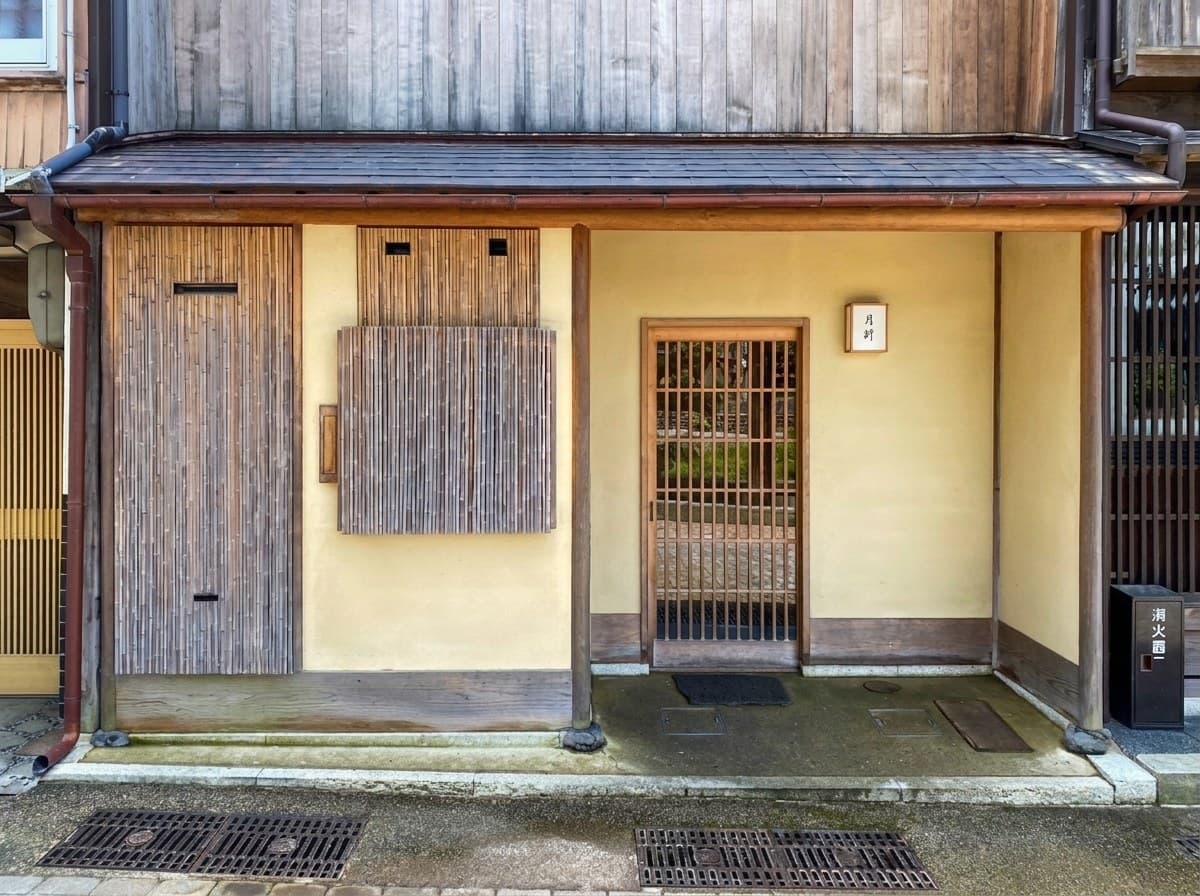
Afternoon. The Higashi Chaya geisha district: step inside Shima, the 1820 teahouse preserved as a National Important Cultural Property (¥500), take matcha in its garden room, then — if you want to understand what “ichigen‑san okotowari” (no first‑time guests) actually protects — peek at Kaikarō, whose gold‑leaf tatami room is public by day while its evening banquets remain introduction‑only (as of July 2026). The evening version, with geisha, is not something we can request. Gold leaf is Kanazawa’s other craft: 99% of Japan’s supply is beaten here, and a 45-minute workshop leaves you with your own gilded chopsticks.
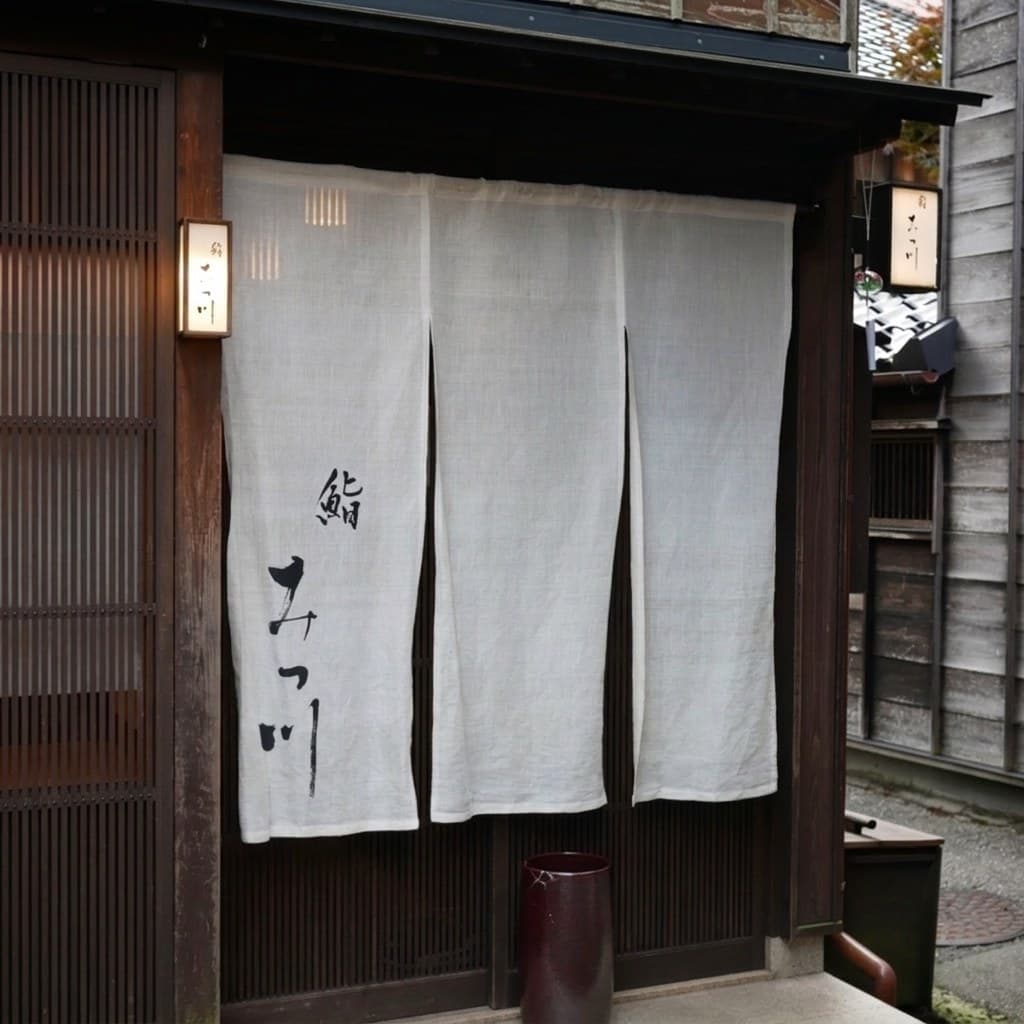
Evening. The main event. Kanazawa’s counters are, per seat, among the hardest bookings in western Japan — Kataori (OAD’s No.1 in Japan for 2025, No.2 for 2026) seats mostly regulars and introductions, and the few seats that surface online vanish in seconds; Komatsu Yasuke, the 90-something legend of hand‑pressed sushi, opens its book by phone on the 1st of each month for three months ahead and asks first‑timers for the name of someone who has dined there. This is precisely what our desk is for. For self‑bookers, Sushi Mitsukawa in the teahouse district takes online reservations through TableCheck, which works in English, from one month ahead — and is genuinely excellent.
Day 2 — sake, clay, and the sea
Morning. Start at Fukumitsuya, Kanazawa’s oldest brewery (1625), for the premium tasting course — or drive south to book the four‑and‑a‑half-tatami tasting room of the Noguchi Naohiko Sake Institute in Komatsu, the brewery built around the veteran toji known as the “god of sake brewing”; its sessions (three a day, eight seats) are bookable online through TableCheck or by phone.
Afternoon. Kutani porcelain — the over‑glaze five‑color ware you’ll have eaten off the night before. Paint your own at the Kōsen kiln in town, or drive to CERABO KUTANI, the Kengo Kuma‑designed clay works in Nomi. Finish at the 21st Century Museum of Contemporary Art, back beside Kenrokuen.
Evening. Second counter, or the road: Kaga Onsen’s great ryokan — Beniya Mukayu (Relais & Châteaux, every room with its own open‑air bath) or the art‑filled Araya Tōtōan — are 25 minutes away by shinkansen and turn the trip into a proper Hokuriku circuit. (Wakura Onsen’s famous Kagaya, up on the Noto Peninsula, has been closed since the January 2024 earthquake; as of September 2026 its rebuilt main building is not expected to open before the end of fiscal 2028 — plan Kaga instead.)
When to come
November 6 to December 29 — and book everything months out. That is kōbako season: the brief window for the beloved female snow crab, served whole, roe and all, when Kanazawa dining is at its absolute peak. The male kanō crab runs until March. Otherwise: spring for firefly squid and cherry blossoms along the castle moats, autumn for Suzu matsutake.
Getting there, realistically
Tokyo→Kanazawa is one shinkansen, ~2.5 hours; Osaka is ~2.3 hours with one easy transfer. In town, the loop bus covers everything for ¥800 a day. The counters are the only hard part — release‑day races, Japanese‑only phones, regulars‑first rooms. Tell us your dates and which night matters most; we build the rest around it, dinner first — the way a food itinerary should be built.