Fukuoka is the easiest food gateway in Japan — its airport sits five kilometers from downtown — and most visitors never leave it. That is a mistake. Kyushu strings together some of the country’s best classical sushi, its own hot‑spring cuisine, and specialties you find nowhere else, almost all of it reachable by train. Here is a week that goes further.
Days 1–2 — Fukuoka, the gateway
Land, drop your bags, and eat that night. Fukuoka’s yatai — open‑air food stalls — light up around 6 p.m. along the Nakasu riverside and Tenjin’s corners: tonkotsu ramen, yakitori, and more. The city also hides serious sushi for those who plan ahead — including a counter from the Aoyama Umi school, a story we tell in the Umi lineage. Yatai are turn‑up‑and‑sit: no reservations, eight or so stools, cash, and a budget of ¥2,000–3,000 a head (as of July 2026). The full first‑leg plan, stall rules and all, is in our Fukuoka gateway to Kyushu’s food route; the reservation mechanics are in how to book restaurants in Fukuoka.
Day 3 — Karatsu, the classical counter
A direct local train runs from the Fukuoka airport line to Karatsu in about 80 minutes, no transfers — a castle town on the Genkai Sea famous for its pottery. Book well ahead: there is no published release day, and dinner books two to three months out through Japanese‑only channels — a phone line that often goes unanswered during service, an Ikyu request booking, or the house’s LINE account. If the counter eludes you, Karatsu still earns its day: the morning squid boats of nearby Yobuko land ika served as translucent live sashimi, and the town’s pottery kilns fill the afternoon.
Days 4–5 — south to Kumamoto
Backtrack through Hakata and take the Kyushu Shinkansen south — about 40 minutes to Kumamoto. There the specialty is basashi — horse sashimi, sliced thin and eaten with garlic, ginger, and soy — a genuine local point of pride found across the city’s izakaya, where a mixed plate starts around ¥1,500–3,000. Kumamoto Castle, whose main keep reopened in 2021 after the 2016 earthquake (repairs to the rest of the grounds continue), anchors the daytime.
Kumamoto is also where Amakusa’s fish meets the region’s best sushi counters, and the start of the road east over Aso to Yufuin, Beppu and Oita’s fugu and soft‑shell turtle houses. That half of Kyushu has its own guide: our Kumamoto and Oita food guide.
Days 6–7 — your choice of finish
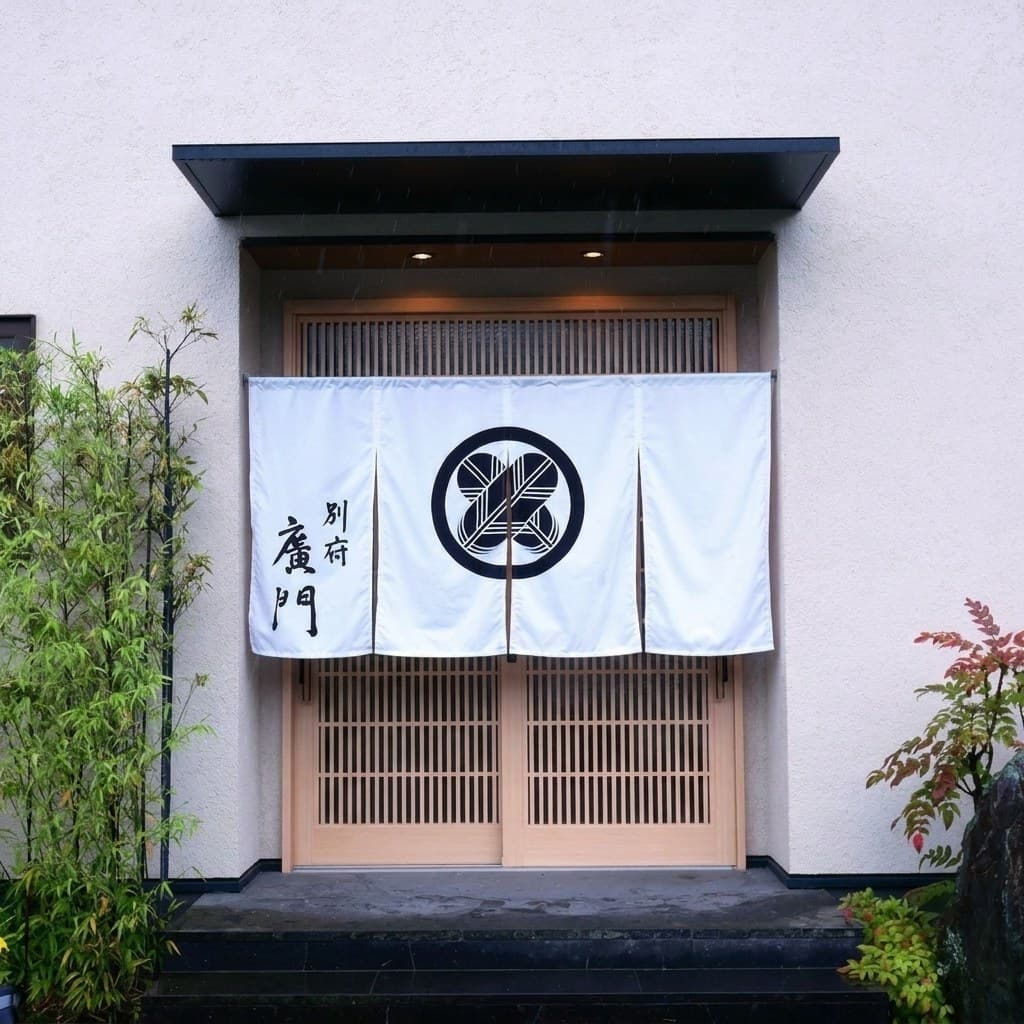
- East to Beppu for hot springs and kappo dining in the steam — the Sonic limited express runs Hakata to Beppu in about two hours, and Hirokado shows how refined onsen‑town Japanese cooking can be. The rest of Oita’s table — fugu, soft‑shell turtle, hamo — is in our Kumamoto and Oita guide.
- Further south to Kagoshima, another 45 minutes by shinkansen, for edomae craft on bay fish under an active volcano at Sushisho Nomura.
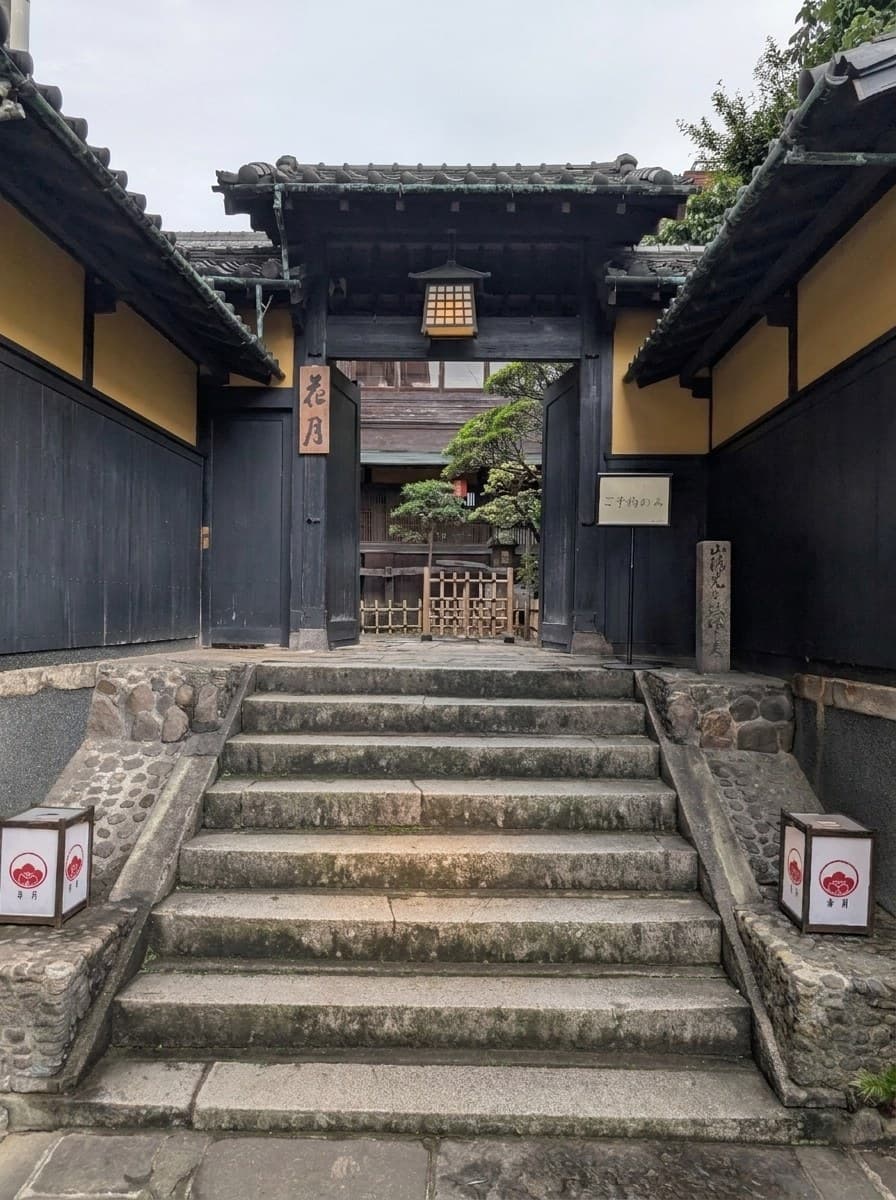
- West to Nagasaki for shippoku — the city’s Japanese‑Chinese‑Dutch banquet cuisine, shared from great platters at the landmark ryotei Kagetsu, on the grounds of a pleasure‑quarter teahouse opened in 1642. Nagasaki repays two nights of its own — see below.
- Back to Fukuoka to fly out, having eaten the width of the island.
Two more days — Nagasaki and the Shimabara peninsula
Nagasaki is about an hour and a half from Hakata, changing at Takeo‑Onsen onto the Nishi‑Kyushu Shinkansen, and it repays two nights rather than one.
Beside Kagetsu, the city’s other great shippoku room is Ryotei Ichiriki, serving it on Teramachi street since 1813 — the oldest ryotei in Nagasaki by its own account, and the room where Sakamoto Ryoma and his contemporaries argued over the table in the last years of the shogunate. It is all private rooms, every course is for two or more, and a phone call or email a couple of weeks out is usually enough. Lunch courses start at ¥13,200, and the lunch‑only himeju shippoku — the essentials packed into a lacquered box — is ¥6,050; lunch is cash only.
For the other night, Doyama is the two‑star counter the Michelin Guide found on its first visit to Nagasaki, in 2019: ten seats in Kajiyamachi, a chef who cooks alone while his wife runs the room, and a single course of Nagasaki fish and beef that ends with Tsushima conger eel over rice. 2025. Booking is by phone in Japanese, about a month ahead with two or three candidate dates, and payment is cash only.
With a car, the Shimabara peninsula east of the city adds Unzen’s hot springs and villa del nido, an eight‑seat Italian in Kunimi whose chef trained in Piedmont and cooks from the town around him. Lunch is Thursday and Friday, dinner Saturday to Monday, one seating each. The book opens on the first business day of each month for dates through the end of the month after next, with a Pocket Concierge waiting list beyond that. Ferries cross the Ariake Sea from the peninsula to Kumamoto, which makes Shimabara a natural bridge between Nagasaki and the south.
Getting there, realistically
The genuinely hard bookings are Tsukuta’s seven seats two to three months out, Fukuoka’s trophy sushi and Hirokado’s monthly online release in Beppu — add villa del nido’s monthly release if you take the Shimabara detour. Doyama wants about a month and a phone call in Japanese, the ryotei a week or two of notice, and the rest is turn‑up dining. Tell us your dates and we will time the counters and thread the trains — the eating between them takes care of itself.