Kanagawa is the prefecture Tokyo visitors pass through without noticing: the train to Kamakura’s temples, the hop to Yokohama’s harbor, the Shinkansen past Odawara on the way to Hakone. Each of those trips has a meal at its center that is better than most of what is available in central Tokyo at the same price — and, because Kanagawa sits outside the current Michelin Guide, most of them are bookable on a normal calendar.
The trick is to plan by route, not by restaurant. Kamakura is a lunch town, because its temples close in the late afternoon. Yokohama is an evening city, and its best tables serve dinner. Odawara is a stop on the way somewhere else. Below are three days built on that logic, and the booking realities that come with each.
Route one: Kita‑Kamakura temples and lunch
Kita‑Kamakura is the quiet station one stop before Kamakura on the JR Yokosuka line, a little under an hour from Tokyo Station. Engaku‑ji sits beside the platform; Kencho‑ji is a short walk down the valley road. Both are Zen temples of the Kamakura period, and both are at their best in the morning, before the day‑trip crowds arrive from the main station.
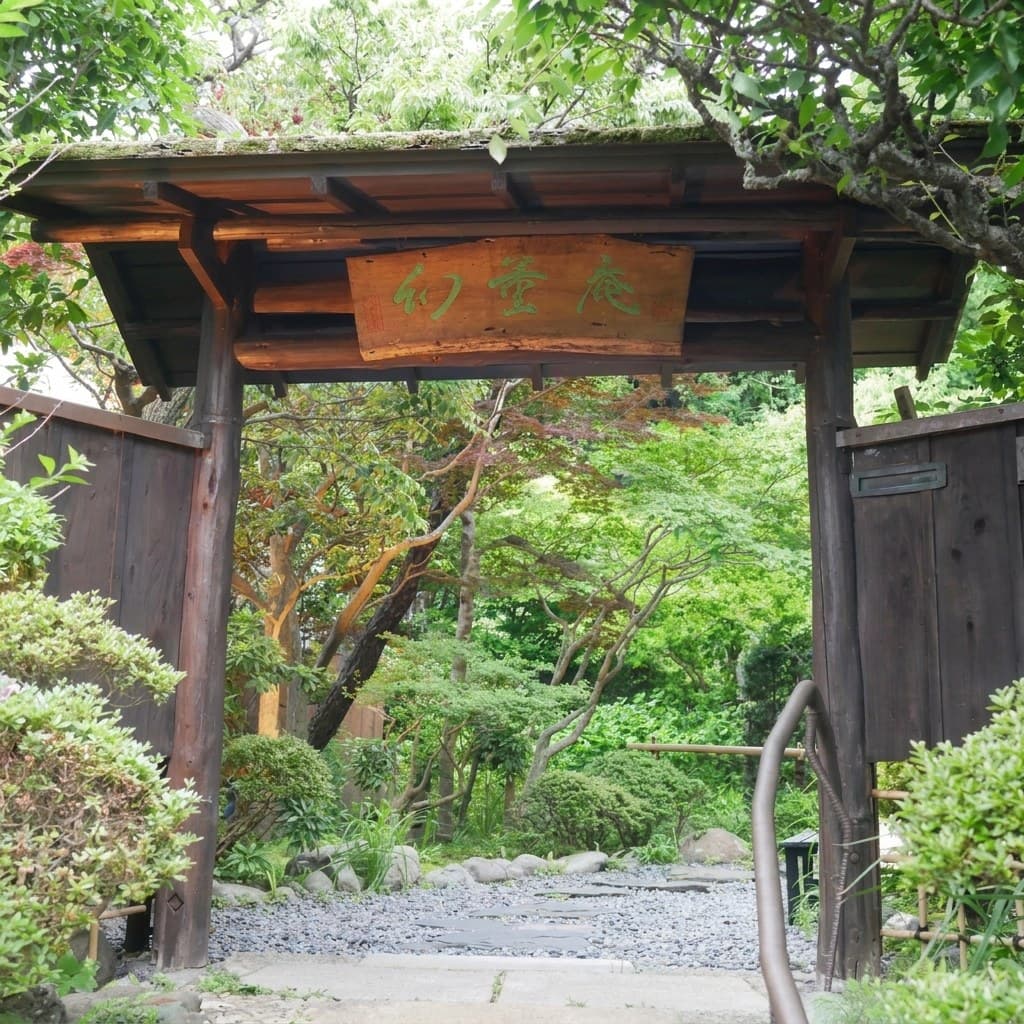
Eight minutes from the station, up a lane too narrow for cars, is Gentoan — an early‑Showa house that began as an antique shop and became a kaiseki restaurant, where the food still arrives on the okami’s collection of old pottery and lacquer. Lunch is a single seating: guests are seated from 11:30 and every table starts together at 12:00, with two courses at ¥6,600 and ¥9,900, tax included. The number of dishes is the same at both prices; what changes is the ingredients. The house asks for one drink per person, and a meal runs two to two and a half hours.
That schedule makes the day almost self‑planning: temples from opening until about 11:15, lunch at noon, then an afternoon walk from Kencho‑ji down toward Tsurugaoka Hachimangu and Kamakura’s main streets. Gentoan also serves dinner, but only two parties a night, each with a floor of the house to itself — a different kind of evening, and the slot that fills first. Note that Gentoan closes on Mondays (it opens when Monday is a national holiday). Expect steps and shoes off at the door. For what a kaiseki meal involves, see our guide to what kaiseki is.
Route two: a Yokohama evening
Yokohama is about half an hour from Tokyo by JR, and it is where you should be at dinnertime. The city was Japan’s first treaty port, and its restaurant history is in large part the history of Japan meeting the outside world.
Ohta Nawanoren is the most direct expression of that. In 1868 the founder began simmering thick‑cut beef in a shallow iron pan with miso, and gyunabe — the dish that predates sukiyaki — has been cooked tableside here ever since, by an attendant who tends each room’s pot. It is ten minutes on foot from Hinodecho station. Mind the calendar: weekday service is dinner only, lunch happens only on weekends and holidays, and the house closes on Mondays and the third Sunday of the month (except in January and December). Our guide to Japan’s regional hot pots places it in context.
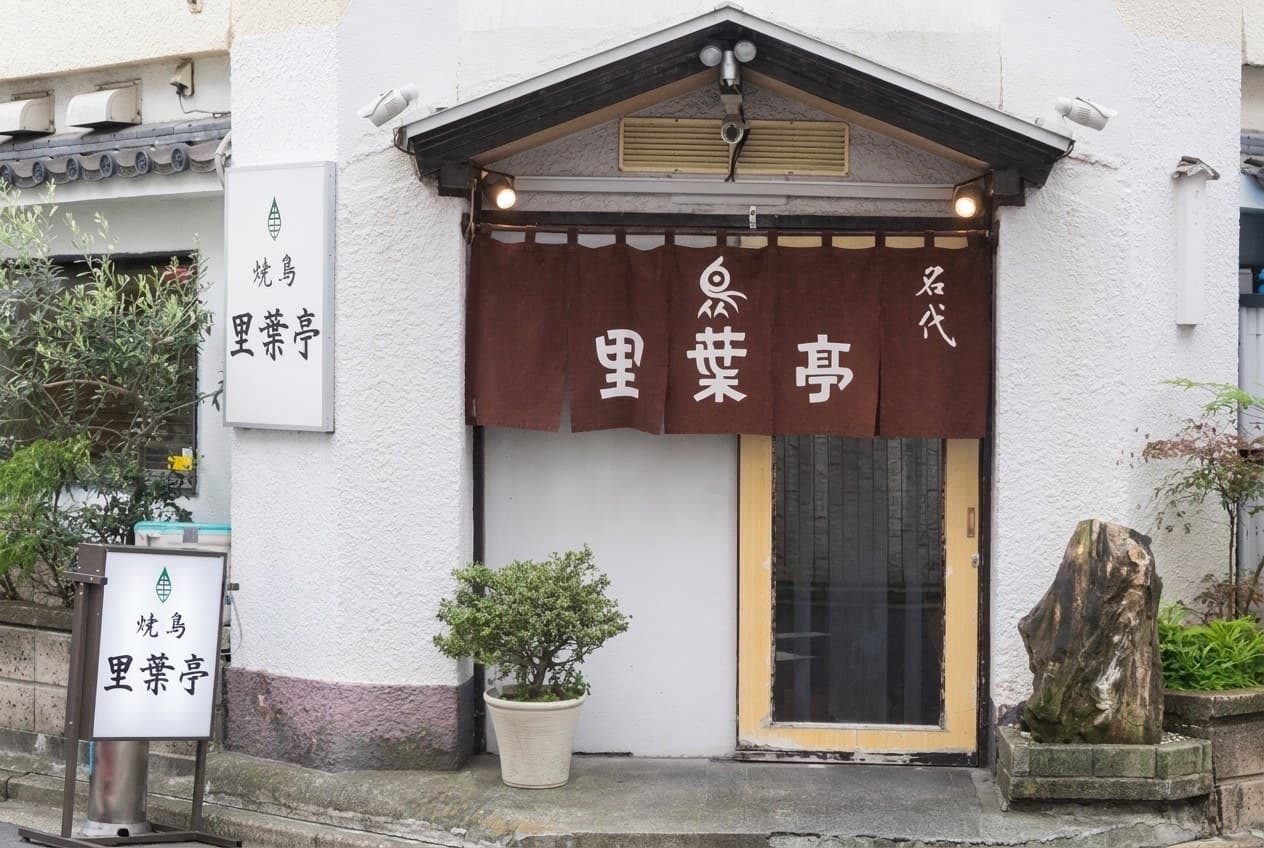
A few minutes away in Kannai’s back lanes, Ribatei is the yakitori house Yokohama measures itself by. It began in the mid-1950s as a bar called Liberty; the third‑generation master now runs an omakase from ¥11,000 that ends with the house’s curry‑scented fried rice, a relic of the bar years. Recent diners report about ¥17,000 a head with drinks. The evening runs in four timed seatings from 17:00, and punctuality is expected. It closes on Wednesdays and does not admit guests below middle‑school age.
Two subway stops south of Kannai, at Bandobashi, Tempura Uemura is the city’s most talked‑about young tempura counter: ten seats, about twelve pieces fried at low temperature in untoasted sesame oil, and an omakase from ¥20,000 including tax plus 10% service. It opened under its chef’s own name in October 2024, in the room that had been a branch of the Minato Mirai tempura house Fukunishi. For the wider tempura picture, see the best tempura you can book in Japan.
For a formal evening, Tanakaya stands on the old Tokaido road seven minutes from Yokohama station’s west exit — a teahouse depicted in Hiroshige’s Kanagawa print, rebuilt as a ryotei in 1863 and run by the same family since. Dinner is kaiseki in a private tatami room from ¥20,000; a weekday lunch set at ¥7,600 is the quiet way in, and with notice the house arranges Yokohama geisha.
Route three: Odawara, eel on the way to Hakone
Odawara is roughly 35 minutes from Tokyo on the Tokaido Shinkansen, and the Odakyu Romancecar runs there from Shinjuku. It is the start of the climb into Hakone, and a few minutes up the Hakone Tozan line, at Kazamatsuri, is Unagitei Tomoei, the eel house more than 140,000 Tabelog users have saved.
Tomoei serves “ao” eel, the grade the trade prizes most, as una‑ju or shirayaki, with a side menu unusual for an eel house — and the freshly cut liver, which sells out. Expect ¥8,000–10,000 a head. The house holds Tabelog Award Silver for 2026 and has no branches; its own site explains that the sauce never leaves the building. It is open 10:00–16:00 (last order), closed Thursdays and Fridays, and takes a summer break from 28 September to 2 October 2026. Our guide to unagi and the Day of the Ox explains why eel regions differ.
Plan it as a late breakfast or early lunch on the way up the mountain, then continue to Hakone‑Yumoto. Families do well here: the house seats 69, welcomes children and has parking.
The booking reality
Kanagawa’s tables are more obtainable than Tokyo’s, but almost all of them run in Japanese.
- Gentoan books by phone or a Japanese online form; the house’s Instagram says reservations open two months before the date. Lunch for one or two is realistic a few weeks out; dinner goes first. Cancellation costs 50% from three days before and 100% on the day.
- Ribatei is listed on Ikyu and takes phone bookings in Japanese; there is no release day, weekends fill, and weekday seatings can open a few days out. A same‑day cancellation is charged in full. Our Ikyu guide covers the platform.
- Tempura Uemura books by phone or Instagram message in Japanese, with a few dates on Foodies Reserve. The book fills about two months ahead; on 11 September 2026 its online calendar showed nothing before November.
- Ohta Nawanoren is phone‑only, in Japanese, with no web booking at all; Tanakaya takes the phone or Ikyu, needs two guests minimum and takes nothing same‑day.
- Tomoei books no tables: you reserve the eel by phone from two months ahead, arrive with the whole party, and wait your turn — roughly 40 minutes on a weekday afternoon to an hour and a half on a weekend late morning.
Building the day
Each route fits into a single day from Tokyo without a hotel. The fullest version joins the first two: Kita‑Kamakura’s temples in the morning, Gentoan at noon, Kamakura in the afternoon, and Yokohama for dinner before the train back. Odawara pairs naturally with a night in Hakone — Tomoei on the way in, the mountain after. If you have two days, do Kamakura‑and‑Yokohama on one and Odawara on the way to Hakone on the other.
Tell us which route you want and which meal matters most, and our reservation desk will place the Japanese calls — including the one that reserves the eel.
On the other side of Tokyo Bay, the tables near Narita are in our Chiba guide.