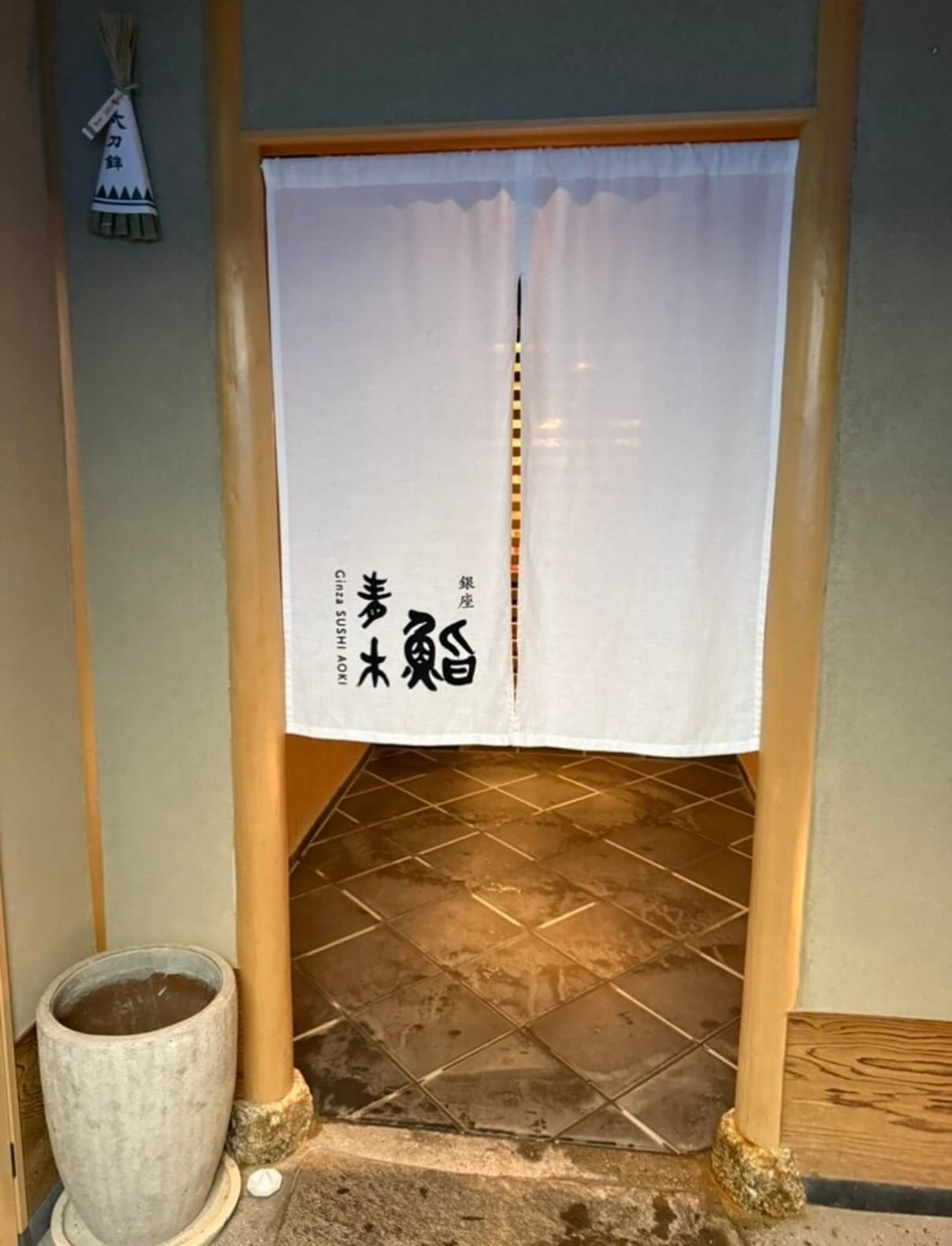
Every map of modern sushi points back to a few blocks of Ginza. In the decades after the war, three counters concentrated the patrons, the fish and the ambitious young chefs — and from them almost the entire family tree of high‑end edomae grows. Knowing these three houses is knowing where nearly every great counter comes from.
The three that defined postwar Ginza
The founding trio, by opening year:
- Kyubey — 1935
- Yoshino — 1949
- Nakada — 1950
Each trained a generation of masters who then opened their own places. Follow any famous Tokyo counter back far enough and you usually arrive here. For the full picture, see our family tree of edomae sushi.
Kyubey and its vast line
Kyubey opened in 1935 under Imada Hisaji, who had trained at the older Kobiki‑cho house Misuji. He is widely credited with inventing gunkan‑maki — the “battleship” roll that wraps loose toppings like sea urchin in a nori collar — and was famously patronized by the artist and gourmand Rosanjin.
More than any other house, Kyubey became a talent factory, sometimes called the “academy” of sushi. Its students founded a whole constellation of counters, most prominently the Kanesaka lineage, which in turn produced some of today’s most sought‑after names.
Yoshino and the Jiro line
Yoshino (与志乃), opened in 1949 by Yoshino Suekichi — remembered as a “master of nigiri” — in Kyobashi, on Ginza’s northern edge, is the root of the most famous branch of all. It was here that Ono Jiro trained; he ran the house’s Ginza branch before going independent in 1965, seeding the Sukiyabashi Jiro lineage and its many independent disciples.
Nakada and the road north
Nakada, opened in 1950 by Nakada Kazuo, is the quietest of the three names abroad but a crucial one. Among his students was the chef who carried edomae all the way to Sapporo and founded Sushizen — the story told in how edomae sushi reached Hokkaido. Through Sushizen and its students, Nakada’s line has since traveled well beyond Hokkaido.
Why the founding houses still matter
You do not need to eat at the original shops to benefit from them. Their value to a diner today is as a compass: when you know a counter descends from Kyubey, Yoshino or Nakada, you know a great deal about the rice, the tempo and the classic work you will be served.
That is how our desk reads a city of countless sushi counters — lineage first. Most of those branches sit outside our collection; the ones listed in the booking calendar can be requested at ¥12,000 per seat, charged only if we secure the table, except where the house does not accept requests through us, and a free account saves them for release alerts. Tell us which school appeals on the request form, and we will try a counter from our collection — ¥6,000 per seat, charged only if we secure the table.