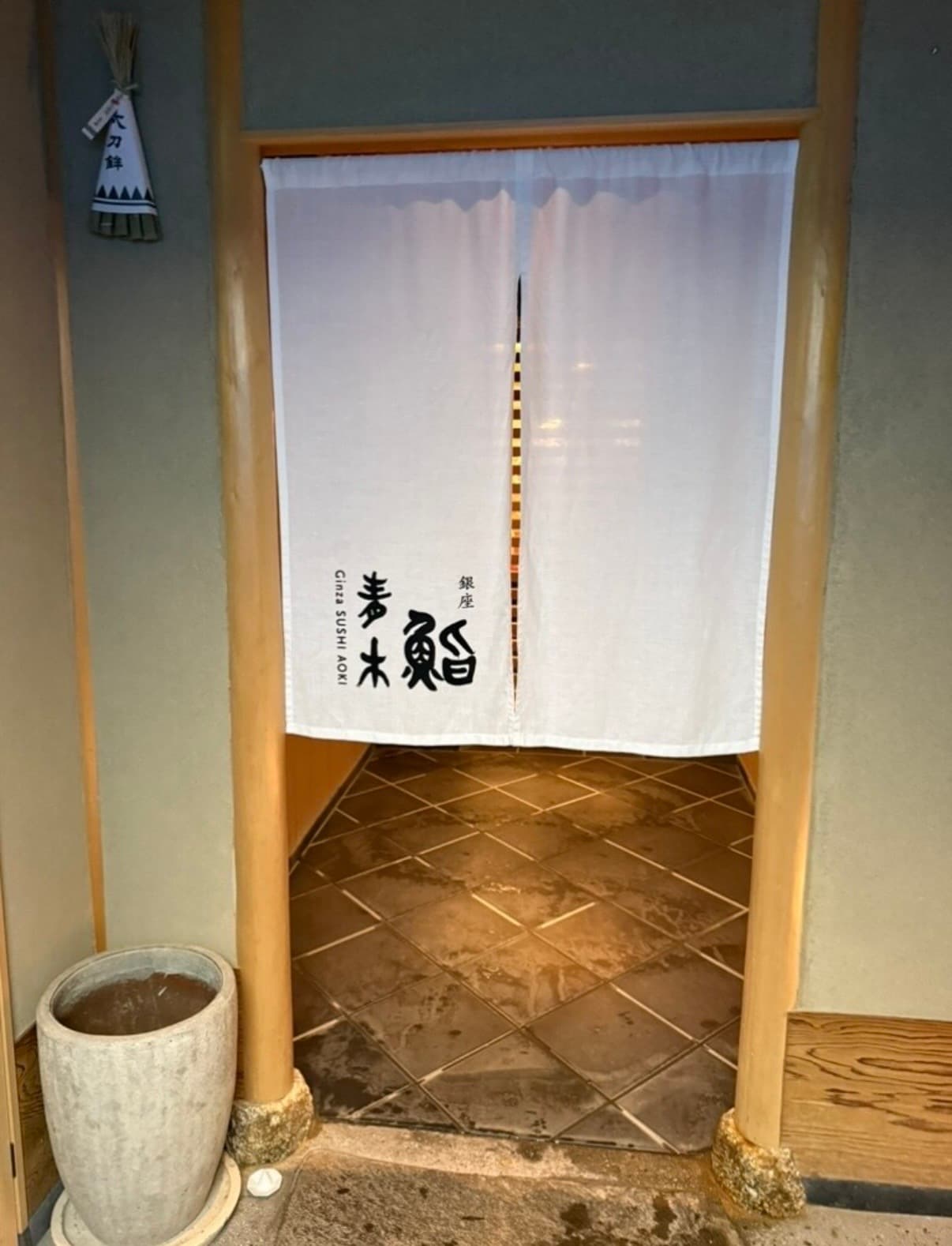
Hakkoku is the exception that proves Ginza’s rule. Chef Hiroyuki Sato opened it in 2018 with two quiet heresies: an omakase of about 25 nigiri, skipping the long tsumami overture entirely, and a reservation book that ordinary humans can actually open. In a neighborhood where the greatest counters answer only a phone that never stops ringing, Hakkoku’s seats sit on real online platforms with instant confirmation.
The exact system
- Online reservations through Ikyu, OMAKASE and Tabelog. The phone (03‑6280‑6555) is for questions rather than bookings, and there is no introduction requirement.
- On Ikyu the book opens on the 1st of each month, for dates two months ahead — a September 1st release covers November. OMAKASE and Tabelog also take bookings up to two months out; OMAKASE releases irregularly and allows one booking a week per account.
- Confirmation is instant when a slot is open; no callback, no waitlist letter.
- Cashless — cards only, and platform bookings may carry prepayment or deposit terms stated at checkout.
- Dinner is the main event: one nigiri course of about 25 pieces, Monday to Saturday; closed Sundays and holidays. Tabelog also lists a Saturday lunch seating at 12:00, but lunch has been suspended at times, so confirm it on the booking page before planning around it.
- Three small counters, each with its own itamae — Sato‑san himself leads one, and which chef you draw shapes the evening. Every counter receives the same progression.
“Bookable” does not mean “empty.” Release‑day demand takes the prime Friday and Saturday dinners within hours; what survives into the following weeks is midweek and the earlier seatings. But compared with the release‑day phone wars elsewhere in Ginza, this is a door that opens to a well‑set alarm.
Release‑day playbook
The house does not publish a clock time for the 1st. Platform calendars in Japan commonly turn over at midnight, and diners report the earliest seats disappearing in the small hours, so the safe assumption is that the book can open from 00:00 JST on the 1st. Japan is UTC+9 and does not observe daylight saving, which means your local alarm shifts twice a year even though Tokyo’s does not.
| Your city | 00:00 JST on the 1st, winter | 00:00 JST on the 1st, summer |
|---|---|---|
| New York | 10:00 on the last day of the previous month (EST) | 11:00 on the last day of the previous month (EDT) |
| Los Angeles | 07:00, previous day (PST) | 08:00, previous day (PDT) |
| London | 15:00, previous day (GMT) | 16:00, previous day (BST) |
| Paris / Berlin | 16:00, previous day (CET) | 17:00, previous day (CEST) |
| Singapore / Hong Kong | 23:00, previous day (no DST) | 23:00, previous day |
| Sydney | 01:00 on the 1st (AEST) | 02:00 on the 1st (AEDT) |
Then work the day in this order:
- The week before: create accounts on Ikyu and OMAKASE, add a card, and save the Hakkoku listing on each. Read the Ikyu guide for foreigners and our note on how the OMAKASE platform works if either platform is new to you.
- Ten minutes before the conversion above: log in on two devices, open the target month, and keep the party size and time fixed in your mind. Decide in advance that a Tuesday is acceptable.
- On release: refresh the calendar, take the first seat in your window, and complete checkout without reading the terms twice — the deposit and cancellation conditions are shown again on the confirmation, and you can review them then.
- If nothing shows by the morning: check again at 10:00 JST, when Japanese offices open and some platform inventory is released by staff rather than by the clock. That is 20:00 or 21:00 the previous evening in New York, 01:00 or 02:00 in London.
- Check all three platforms. Inventory is split; a date gone on Ikyu can be alive on OMAKASE or Tabelog for another hour.
How Hakkoku compares with the rest of Ginza
The point of Hakkoku is not that it is easy; it is that its door is public and its rules are published. The neighbouring counters make that clear.
| House | Door | When the book opens |
|---|---|---|
| Hakkoku | Ikyu, OMAKASE, Tabelog | 1st of the month on Ikyu, two months ahead |
| Harutaka | Ikyu or Gnavi online, or phone in Japanese | 1st of the month, through the end of the month after next |
| Sushi Kanesaka | Phone, official web booking, Pocket Concierge, Ikyu | No release day; a month to six weeks ahead usually works; guests 30 and over only |
| Sushi Sawada | OMAKASE only, no phone or walk‑in | No monthly release; only near‑term dates are released, at irregular times, one booking every two months per account; photo ID must match the booking name |
| Sushi Arai | OMAKASE, Ikyu, Pocket Concierge; phone for cancellations | OMAKASE releases in batches announced on the platform, one booking a month per account; the named guest must attend |
| Kyubey | Phone from 10:00, Ikyu, official English partners | No release trigger; only the 11:30 lunch seating is reservable |
| Sushi Yoshitake | OMAKASE, or phone in Japanese | OMAKASE releases in batches announced on the platform, one booking a month per account; the named guest must attend with ID |
| Ginza Kojyu (kaiseki) | Phone from 10:00 JST | The book covers today through the end of next month, so the 1st releases a new month; the house takes no direct bookings from abroad — overseas guests use the routes the house names: Pocket Concierge, My Concierge, OMAKASE or a hotel concierge |
Read across the table and Hakkoku’s advantage is obvious: it is one of the few houses here that confirm instantly online, with no release‑day phone call and no ID rule. For the lineage behind these rooms, see Ginza’s founding sushi houses; for the city‑wide picture, the Tokyo booking guide.
The cancellation window
Cancellations cluster close to the date as travel plans firm up, and platform seats reappear silently — there is no notification unless the platform offers a waitlist alert for that listing. Two habits matter:
- Watch the last two weeks. Most freed seats surface inside fourteen days, and the largest single wave tends to arrive at the edge of the house’s own cancellation deadline, when a booker decides whether to pay to release the seat. Check the platform each morning at Japan hours.
- Know your own deadline. Terms are stated at checkout and vary by platform. Read them once, put the cut‑off in your calendar, and if a plan wobbles, release the seat before the deadline rather than after — it costs you nothing and puts the seat back for someone else. Our note on cancellation policy in Japan explains the conventions.
What we can and cannot do
Hakkoku is a public platform house: platform accounts are personal, and Hakkoku sits outside our collection, so we do not book from your account or watch its platforms for you, but our desk can phone the house and ask; if no seat can be secured, nothing is charged. Save it in the booking calendar with a free account and we will email you the day before, on the morning of release day (08:00 JST) and about 30 minutes before when the opening time is known, in your own time zone, so you are at the page when it opens.
What we cannot do is conjure a Saturday that the platform does not show. Nobody can; any desk that promises a guaranteed weekend at Hakkoku is selling something other than a reservation.
Where Hakkoku fits in a Tokyo plan
For a traveler assembling a Tokyo itinerary around one or two genuinely unbookable counters, Hakkoku is the rational anchor: top‑tier edomae you can actually confirm months out, leaving your desk free to fight the lotteries. Take the midweek seat without agonizing. Every counter serves the same course of about 25 pieces, and a Wednesday at Hakkoku is the same dinner as a Saturday.
If the calendar still defeats you
Time zones make even release days miss‑able, and the best dates go to whoever wakes first in Japan. A free account handles the alarm‑clock work: the release alert reaches you in your own time zone, and the cancellation habits above do the rest. If the calendar still will not open for your dates, the collection holds counters beyond the platforms’ reach; put your dates on the request form and we will request a comparable one — ¥6,000 per seat, charged only if we secure the table.