Nara is the city most visitors see between two trains. It was Japan’s capital in the eighth century, it keeps the Great Buddha of Todai‑ji and a park full of deer, and it sits roughly 35 to 45 minutes from both Kyoto and Osaka’s Namba on the Kintetsu line — close enough that most people treat it as a day trip and are gone by dusk. They eat a set lunch near the temples and miss the reason serious eaters come.
That reason is a small cluster of kitchens, most of them in Naramachi, the old merchants’ quarter south of the deer park. Two of the five restaurants below hold MICHELIN stars (MICHELIN Guide Japan 2026), one carries a 2026 Tabelog Award, and one is the soba house Nara’s own connoisseurs plan their mornings around. None requires an introduction. What they require is a Japanese phone call, some lead time and, ideally, a hotel bed.
Naramachi: four doors within walking distance
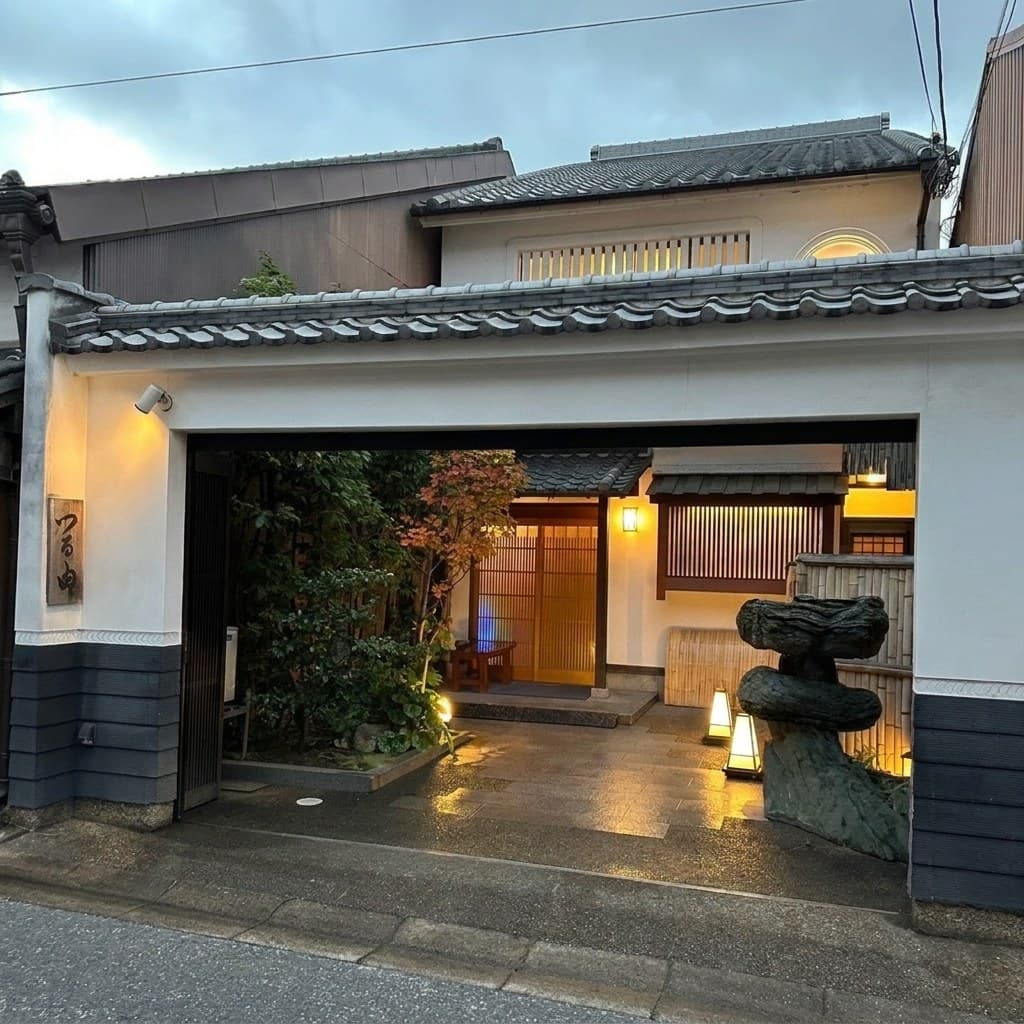
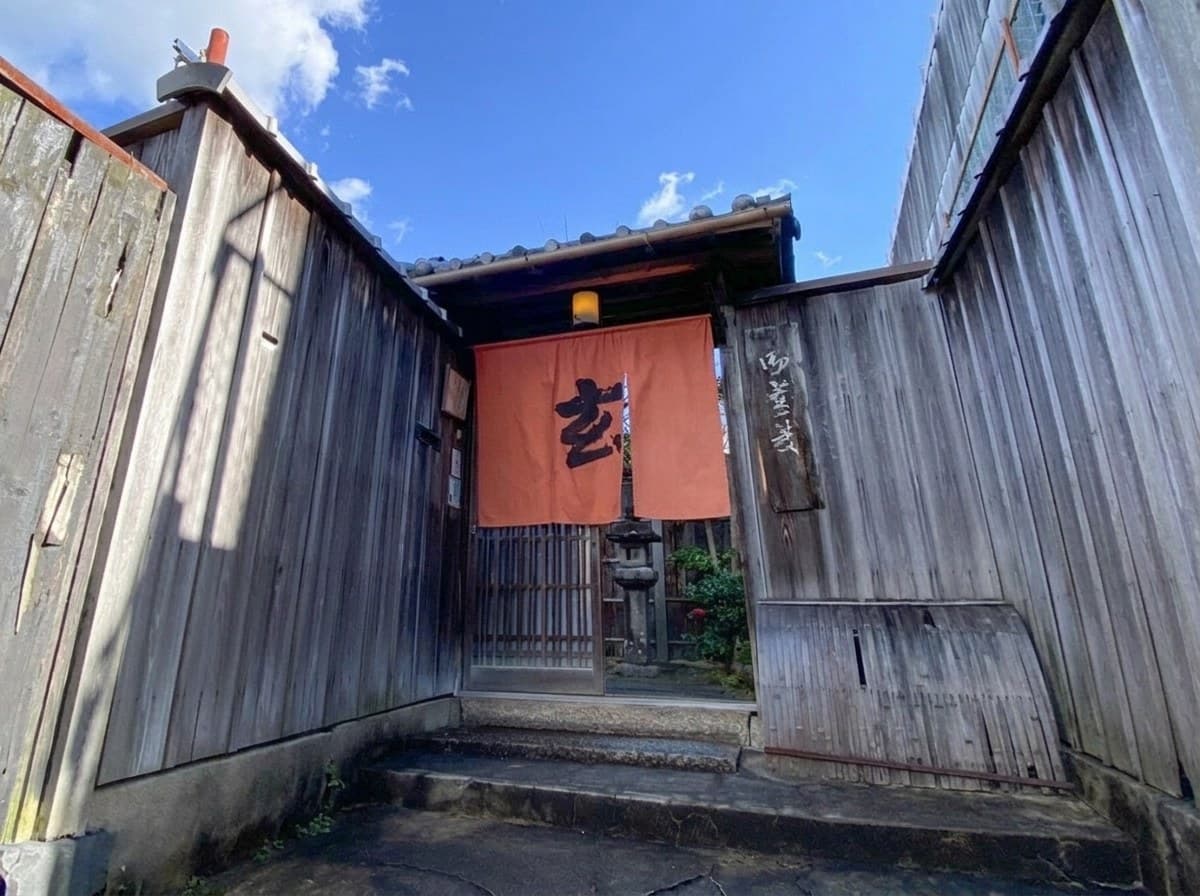
Naramachi begins where the Shimomikado shopping arcade runs out, and that is exactly where you find Tsuruyoshi, about eight minutes on foot from Kintetsu Nara. Further south the lanes thin out. Gen, about 15 minutes’ walk from the station, occupies an early‑Showa villa of the Imanishi family, who brew Harushika sake. Tsukumo moved into a Naramachi machiya in June 2021, some 18 minutes from the station. And Hoshino, open since 1 September 2025, sits in a hundred‑year‑old machiya in Fukuchiin‑cho, on the quarter’s southern edge; a taxi from the station takes five to ten minutes.
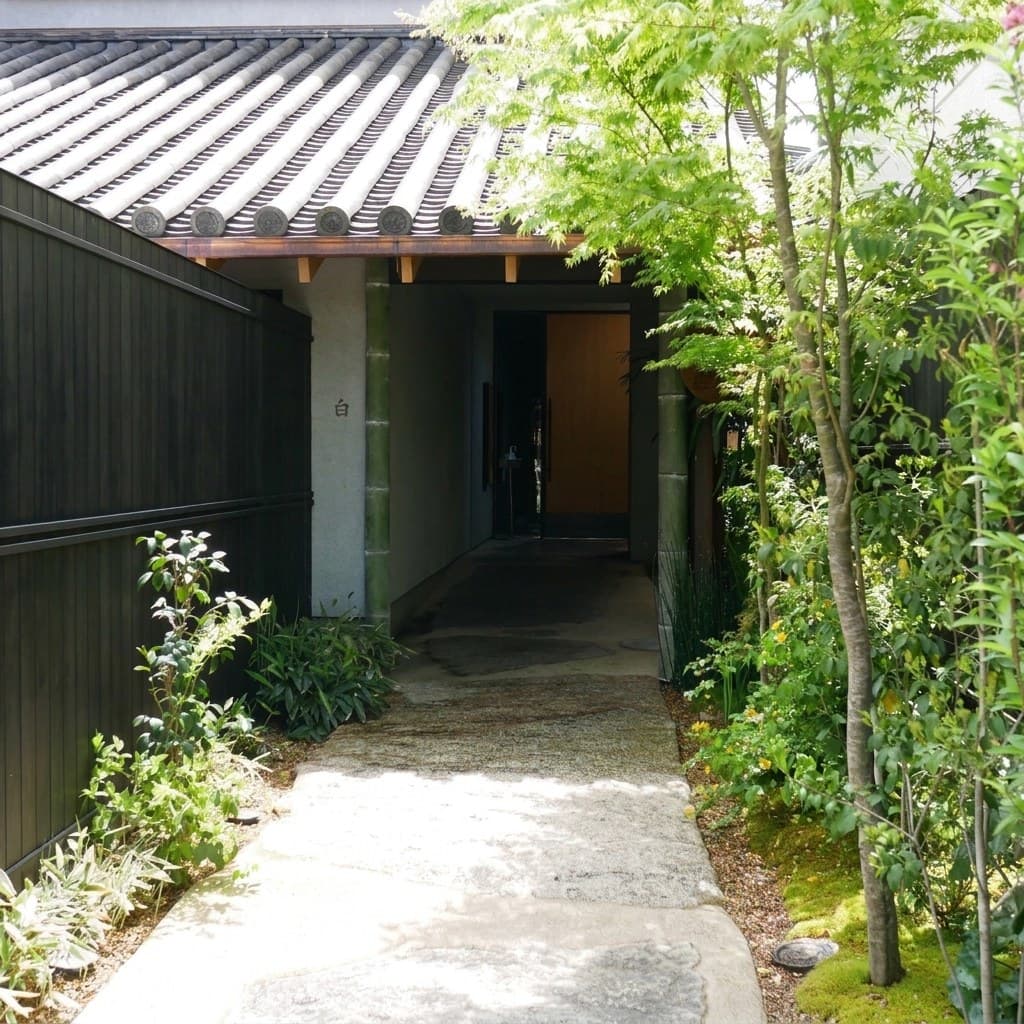
The fifth house is outside the quarter: Wa Yamamura, two or three minutes from Shin‑Omiya, a commuter station one stop west of Kintetsu Nara.
How Nara kaiseki reads the landscape
Nara has no coastline, and its best kitchens do not pretend otherwise. The cooking tends to look inland — to hills, orchards and the prefecture’s own beef — and to treat the tableware as part of the view.
At Tsukumo, chef Masato Nishihara serves one omakase kaiseki, ¥27,500–40,000 depending on the market, built on tea‑kaiseki discipline with Nara laid on top. He walks the Tsukigase plum groves in February to compose a dish around them, and pulls the closing strawberries from a grower’s field himself. It holds Two MICHELIN Stars (MICHELIN Guide Japan 2026).
Hoshino states its theme plainly: "cuisine that reflects the climate and seasons of Nara." Keisuke Hoshino, a cook of thirty‑two years, serves one monthly course at ¥22,000 for ten counter seats: Uda and Haibara beef from the hills to the east, flowering sansho in spring, matsutake in autumn — the season our matsutake guide maps. Eight months after opening it took One MICHELIN Star (MICHELIN Guide Japan 2026).
Wa Yamamura reads the landscape through its vessels. Chef Nobuhiro Yamamura cooks at a counter of about nine, on a collection that now runs past a thousand pieces, much of it made for the house by a local potter — in summer, sashimi and the hassun arrive on vessels of ice.
Tsuruyoshi is the counterpoint, and a welcome one. Its master trained at a well‑known house in Kanazawa, and the cooking stays loyal to fish: a spring lunch has run from bamboo shoot with sansho leaf to black cod grilled Rikyu‑style, ending — as it always does — with kuzumochi and matcha. Dinner reaches for nodoguro. Tabelog’s reviewers gave it the Tabelog Award 2026 Bronze.
Soba, booked by the portion
Gen is the one address here that costs under ¥2,000 at lunch and still takes planning. Owner Hiroyuki Shimasaki grinds the day’s buckwheat by hand on a stone mill each morning and cuts it into ten‑wari soba — no wheat binder — of a fineness few kitchens attempt. There are two noodles: seiro, pale and fine‑milled, and inaka, ground with the husk.
The rule that surprises visitors: at lunch you reserve a number of portions, not a table. The kitchen makes around forty a day, and most days they are gone by reservation before the door opens. Dinner is a single soba kaiseki at ¥18,150, service included, in two private rooms from 18:00, Tuesday to Friday. Cash only, and no children below elementary‑school age.
Why staying the night changes what you eat
Here is the honest part. A day trip gets you lunch — Tsuruyoshi’s lunch is markedly gentler than its dinner and an easy way into the city’s kaiseki, and a weekday soba at Gen is realistic a few days out. What a day trip mostly does not get you is dinner, and in Nara dinner is where the kitchens are at full stretch.
The timings make the point. Tsukumo’s last dinner entry is 19:00; Hoshino seats everyone together at 18:00 and finishes around 21:00; Wa Yamamura takes its last guests at 19:00; Gen’s dinner rooms open at 18:00 on four nights a week. You can eat and ride back to Kyoto or Osaka afterwards, but then the evening runs to the train timetable rather than the counter. Stay, and the day changes shape: kaiseki at night, and the next morning a walk through Naramachi that ends at Gen’s door for an 11:30 lunch booked by the portion.
Being in town also opens doors day‑trippers rarely use. Tsukumo occasionally releases a same‑day dinner to anyone who calls by 16:00, and Wa Yamamura once seated a caller who rang before noon at 18:30 the same evening.
The booking reality
Nara’s houses divide cleanly.
- Phone only, two months out. Tsukumo takes calls in Japanese from 10:00 to 21:00 and opens exactly two months ahead to the day; two guests is the minimum, email is refused, and a same‑day cancellation costs the full course. Gen’s book also runs up to two months ahead, by phone only. Both lines are often unanswered during service.
- Phone, then text, then prepay. Hoshino has no website and no platform. You call in Japanese, the house confirms by SMS or Instagram direct message, and the course is paid in advance through a Square link — which means you need a Japanese‑reachable mobile number or an Instagram account, and a card. No release day is published, but its One MICHELIN Star (MICHELIN Guide Japan 2026) is tightening ten seats. Our note on deposits and prepayment explains why houses work this way.
- An online door. Wa Yamamura is listed on Ikyu and Hitosara, two Japanese reservation sites (our Ikyu guide walks through it), and a month ahead is comfortable. Tsuruyoshi takes calls in Japanese, with no release day; reviewers in 2026 booked it on the day itself.
Two patterns hold across all five. Weekend dinners fill first, because Nara fills with day‑trippers — a Saturday private room at Tsuruyoshi is the one thing to request early. And children are handled house by house: Wa Yamamura does not admit them, Tsukumo seats under‑thirteens only for the full adult course, and Gen asks for elementary‑school age and up. For more houses that still run on the telephone, see phone‑only restaurants beyond Tokyo.
Building it into a trip
Kintetsu Nara is roughly 35 to 45 minutes from Kyoto and from Osaka‑Namba. One night changes everything; two let you eat at three houses without hurrying.
- One night. Arrive mid‑morning for an 11:30 soba lunch at Gen (Tuesday to Saturday), the temples in the afternoon, kaiseki at Tsukumo or Hoshino at night, and lunch at Tsuruyoshi the next day before the train out.
- Two nights. Add Wa Yamamura, one stop out at Shin‑Omiya, for the early dinner its 19:00 last entry demands.
- Watch the calendar. On Mondays Tsukumo, Tsuruyoshi, Wa Yamamura and Gen are all closed; Hoshino is open, but closes on Wednesdays and Thursdays instead. Gen is shut on Sundays, and Wa Yamamura on the last Sunday of each month; Tsukumo also skips lunch on Tuesdays and on the 1st, and closes on the last day of each month.
Nara pairs naturally with either neighbour: our bookable kaiseki in Kyoto and 48 hours in Kyoto cover one side, the best restaurants in Osaka you can book the other. If a Nara night is the one you want to get right, tell us the date and our reservation desk will place the calls — the two‑month one, the same‑day one and the one that ends in an SMS.