For most visitors, Chiba is an airport. Narita is where the long‑haul flight lands, and the first hour in Japan is spent leaving the prefecture as fast as the train allows. On the way home the pattern repeats in reverse — an early night in an airport hotel, a convenience‑store dinner, a morning check‑in.
That is a missed meal. Chiba is a peninsula with ocean on three sides — Tokyo Bay, the Pacific at Kujukuri and the Boso coast — and some of the most decorated restaurants in the Kanto region outside Tokyo. It lies outside the Michelin Guide’s coverage, so their reputations are domestic and mostly invisible to foreign diners. The practical upshot: several of them can be booked in a normal planning window, and one sits about 40 minutes by car from the airport.
Chiba City: two sushi counters on the way in
Chiba City sits between Narita and Tokyo — roughly an hour from the airport by JR, and about 40 minutes from Tokyo Station. That makes it a natural first or last night: close enough to the airport for an early flight, close enough to Tokyo that the rest of the trip is not disrupted.
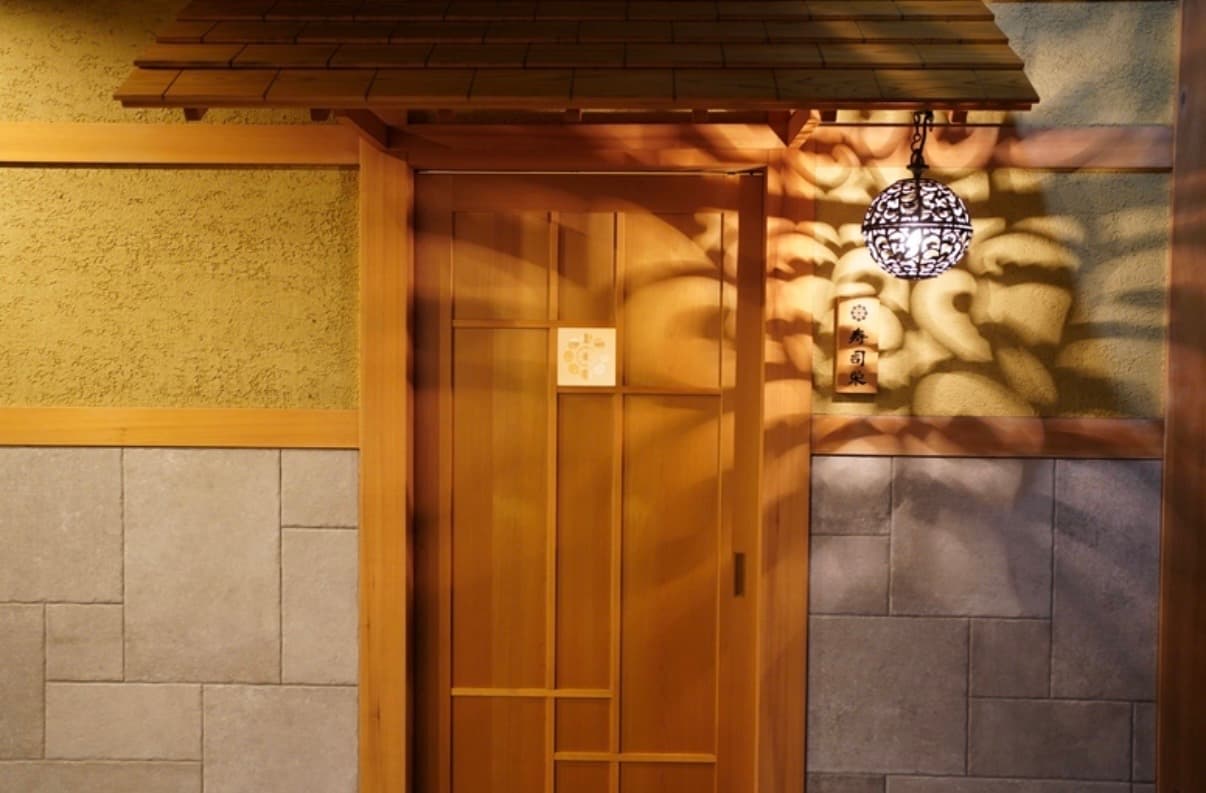
Sushiei is the prefecture’s standard‑bearer, three minutes on foot from JR Nishi‑Chiba station. The Sato family has run it since 1967, and the second‑generation master works in a style that owes little to the Edomae canon: fish bought through his own channels around Japan rather than at Toyosu, a long run of small plates built for sake before the nigiri, and a wall of several hundred bottles behind the counter. The single omakase runs roughly ¥33,000–40,000 per person with a 10% service charge. Tabelog gave it Award Silver in 2026. It serves dinner only, Monday to Saturday.
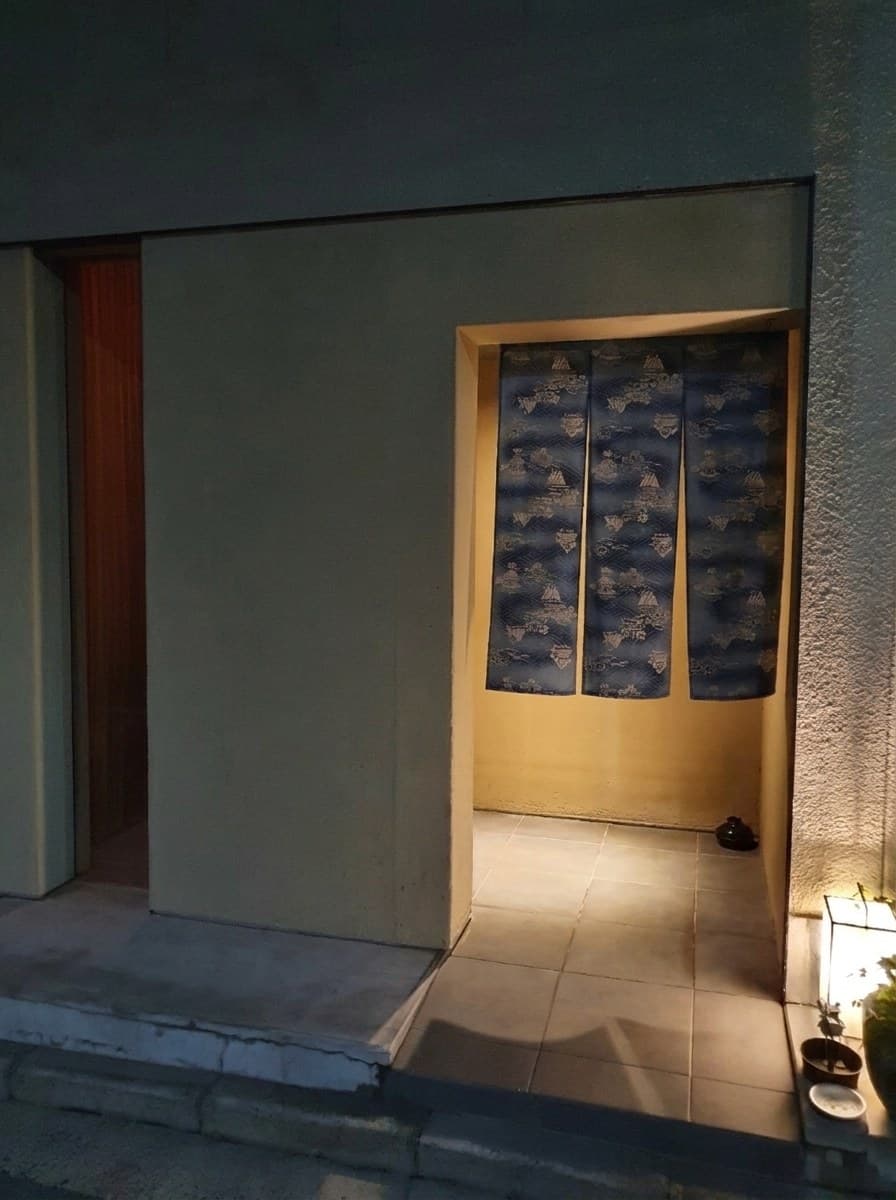
Takaoka takes the opposite approach, and it is just as serious. Chiharu Takaoka, a Chiba native who trained for eight years in Ginza, builds almost the entire counter from his home prefecture: fish direct from fishermen at Futtsu, Choshi and Funabashi, rice from contracted Chiba paddies, Chiba sake — the one exception being sea urchin from Akkeshi in Hokkaido. After a spell at Tokyo Midtown Yaesu, he brought the counter back to Chiba City in spring 2025. The omakase is ¥30,000 including tax, with no service charge, across six seats, three minutes from Keisei Shin‑Chiba station and eight from JR Chiba. Children are not admitted, and it closes on Mondays and Thursdays.
Between the two, you have a choice of registers: Sushiei for a master with his own grammar and a sake cellar to match; Takaoka for a single prefecture’s sea and fields on one counter.
Ushimaru: the farmhouse near the airport
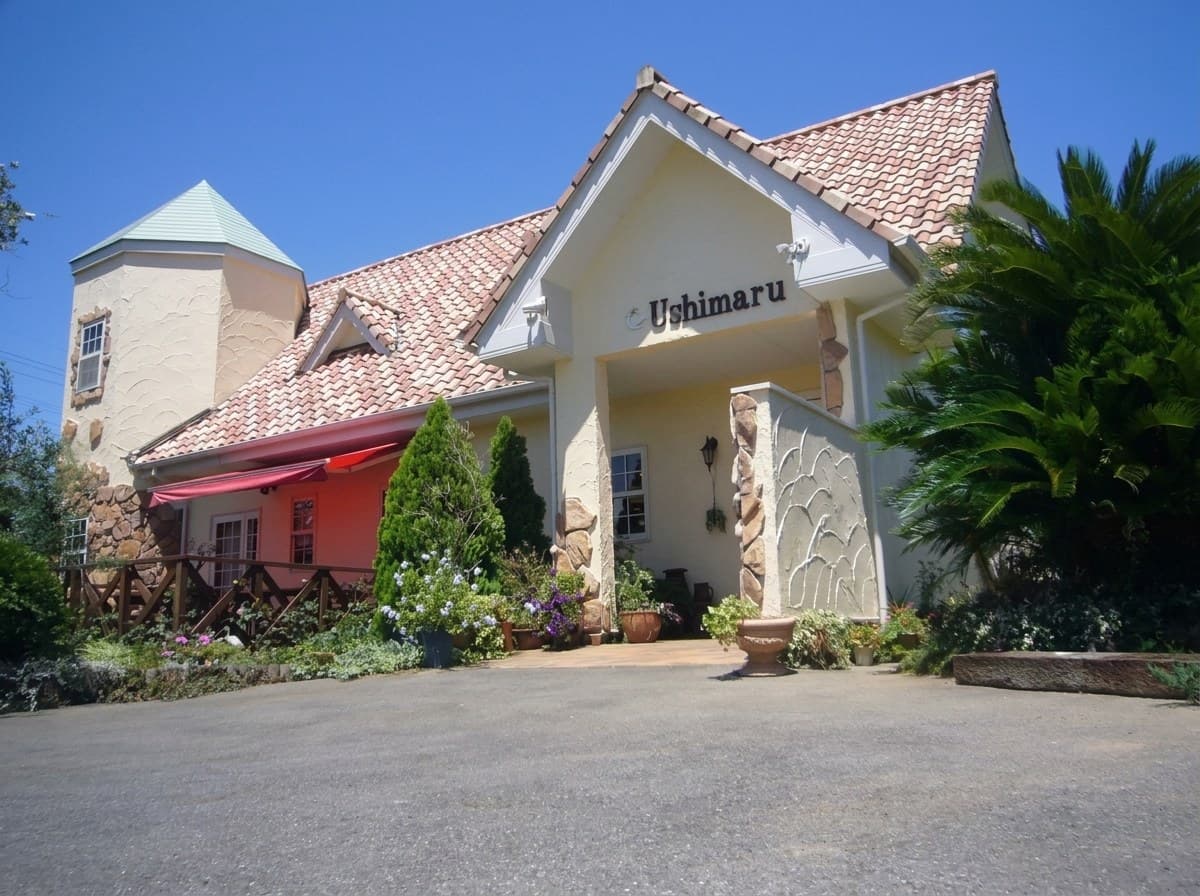
The closest serious table to Narita is not sushi at all. Ushimaru is an Italian restaurant standing alone among paddies and vegetable fields in Sammu, half an hour inland from the Kujukuri surf and about 40 minutes from the airport by car. On Tabelog it ranks among Chiba’s highest‑rated restaurants of any genre, with Award Silver in 2024, 2025 and 2026.
Chef Ken Uchiya deals directly with farmers, fishermen and hunters, and the single course changes daily with what arrives — wild duck, local goby, Kujukuri eel, aged Jersey veal, foraged mushrooms, and a house salt boiled down from Kujukuri seawater. The course is ¥19,800 including tax plus 10% service, with the first drink included. Lunch starts together at 12:00 and dinner at 18:00 (19:00 on Fridays). Vegan and seafood‑free meals are not offered.
The hard part is getting there. The nearest stations are JR Naruto (about 15 minutes by taxi) and Matsuo (about 10), and from Tokyo it is roughly two hours by car. For a traveler with a car, or with a taxi booked from the station, it makes the ideal bookend: lunch on arrival day, or dinner the night before an afternoon flight.
Kashiwa and Kamogawa: the day trips
Two more Chiba tables are not airport stops but destinations.
Takeyabu Kashiwa Honten is the soba house generations of Japanese soba obsessives measure others against: founded in 1967 by Takao Abe, trained at Ikenohata Yabu in Tokyo, and moved in the early 1980s to a small hill above the Tega‑numa marsh, where he built a garden of stone steps, old roof tiles and paths studded with broken plates. The buckwheat comes from a single family’s fields on the Kurohime plateau and is milled by hand on a stone quern. A tray of seiro soba is ¥1,320; the ¥4,180 soba‑zanmai course is the house’s suggestion for a first visit. Kashiwa lies in Chiba’s northwest, on the Tokyo side of the prefecture; the house is a bus ride or a 15–25 minute walk from JR Kashiwa station.
Sushi Sasamoto sits at the far end of the Boso peninsula, about five minutes’ walk from Awa‑Kamogawa station and roughly two hours from Tokyo. Since 1977 it has served sushi from the boats working the coast outside, and its signature is grilled sushi: the skin of a local fish seared over charcoal before it becomes nigiri. Prices are the most modest in this guide — a ¥5,000 omakase, local‑fish sets from ¥3,800. It is a full day out, best combined with the Boso coast itself.
The booking reality
Chiba splits cleanly into online and telephone houses.
- Takaoka and Ushimaru are the easy doors. Takaoka’s omakase is listed on Ikyu and TableCheck; Ushimaru books through its official Toreta page or Tabelog. Neither has a release day, and diners in 2026 booked both one to two months ahead. Takaoka charges 100% from two days before; Ushimaru 50% the day before and 100% on the day.
- Sushiei is telephone‑only, in Japanese, on a fixed monthly release: from 12:00 on the first business day of each month, for dates through the end of the month three ahead. Some seats go through regulars, though a 2026 diner secured a weekday table with a month’s notice. Our booking calendar guide explains how release days work.
- Takeyabu needs no booking for lunch soba; its courses, including the only evening booking, are reserved by phone in Japanese. It is cash only and closes on Tuesdays — and on 24 and 25 September 2026.
- Sasamoto takes table and tatami‑room bookings by phone in Japanese or online through Tabelog or Ikyu, but its counter cannot be reserved at all — arrive early if the counter is the point.
Building it into the trip
Arriving at Narita in the afternoon? Take the JR into Chiba City, check in, and eat at Takaoka or Sushiei before continuing to Tokyo the next morning. Leaving from Narita? Reverse it — a last dinner in Chiba City, or a car out to Ushimaru for lunch before an evening flight. Takeyabu and Sasamoto belong to a separate day from Tokyo: Kashiwa is an easy half‑day for soba, Kamogawa a full day by the sea. For the wider picture of what is bookable across the country, see the best restaurants you can book in Japan.
If you want your first or last night in Japan to end at a counter rather than an airport hotel, tell us your flight times and our concierge desk will build the evening around them.
If your trip has a spare day on the other side of Tokyo, see our day trips to Kamakura and Yokohama.