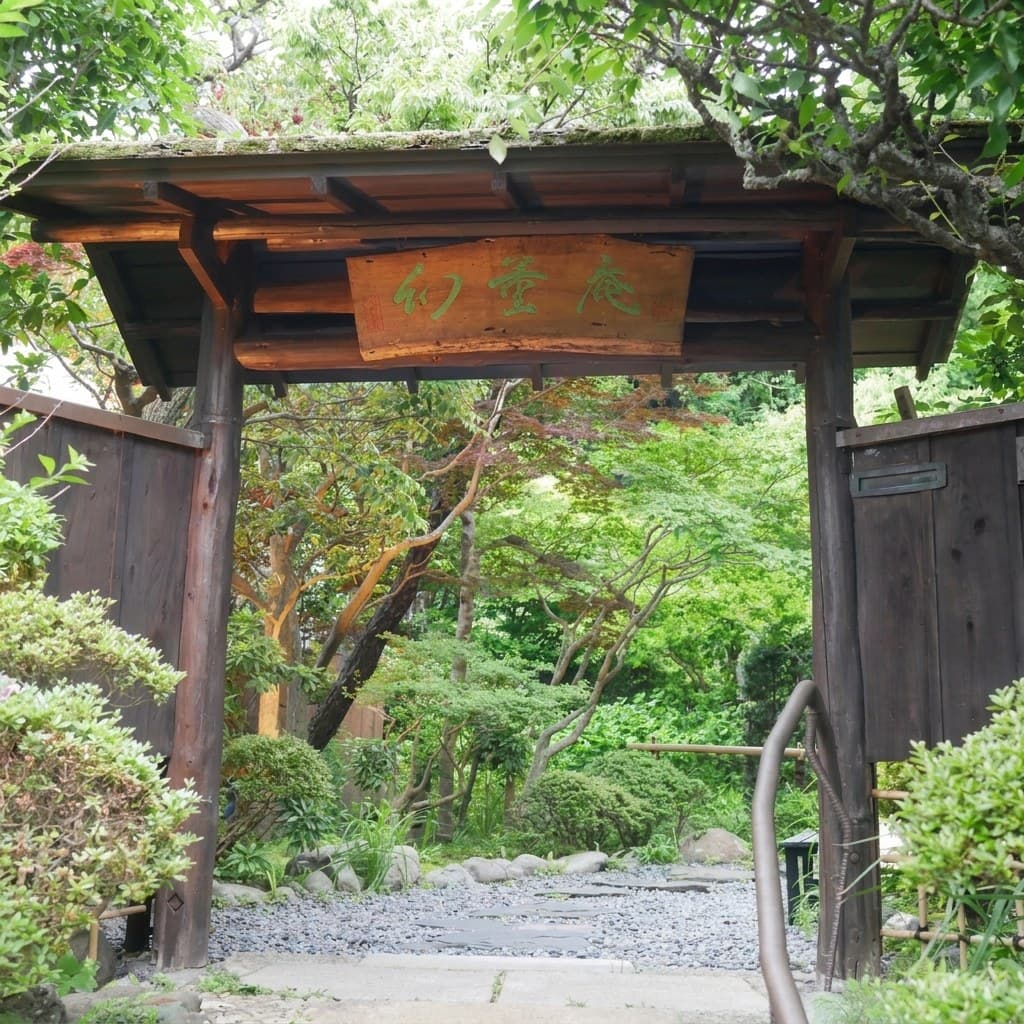
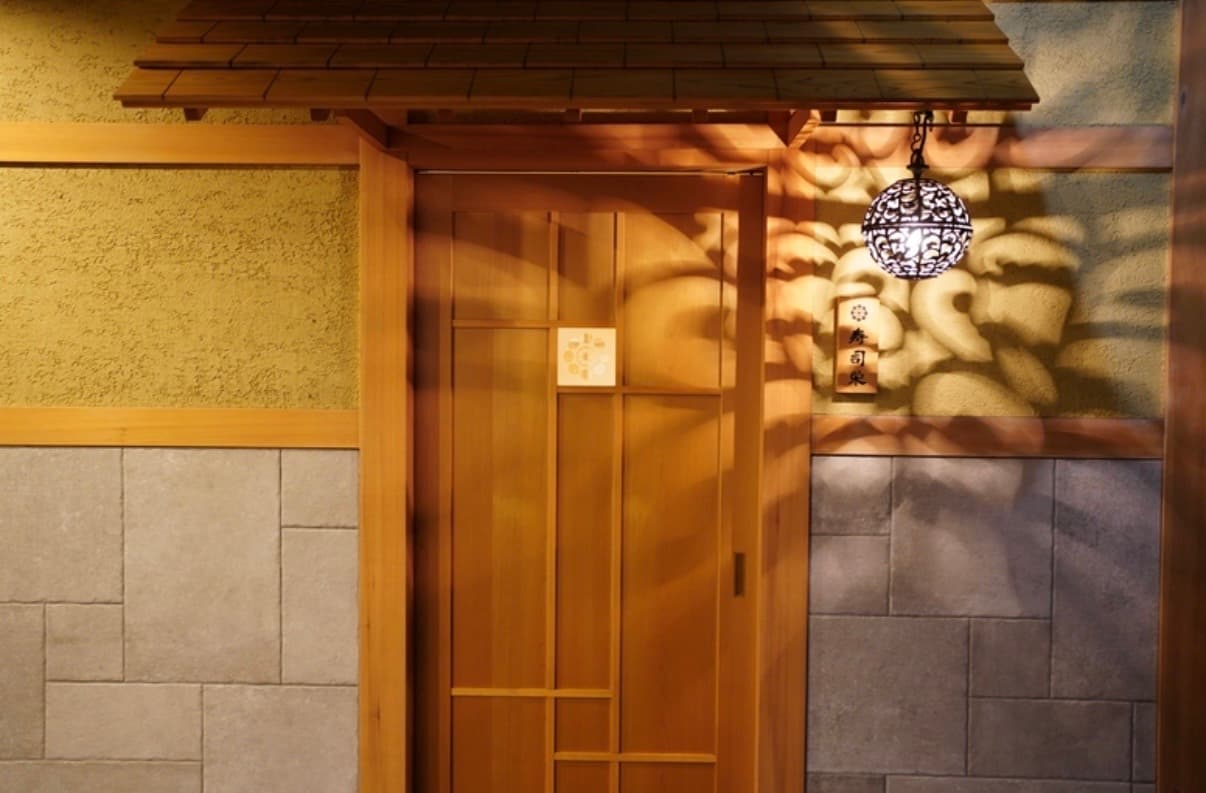
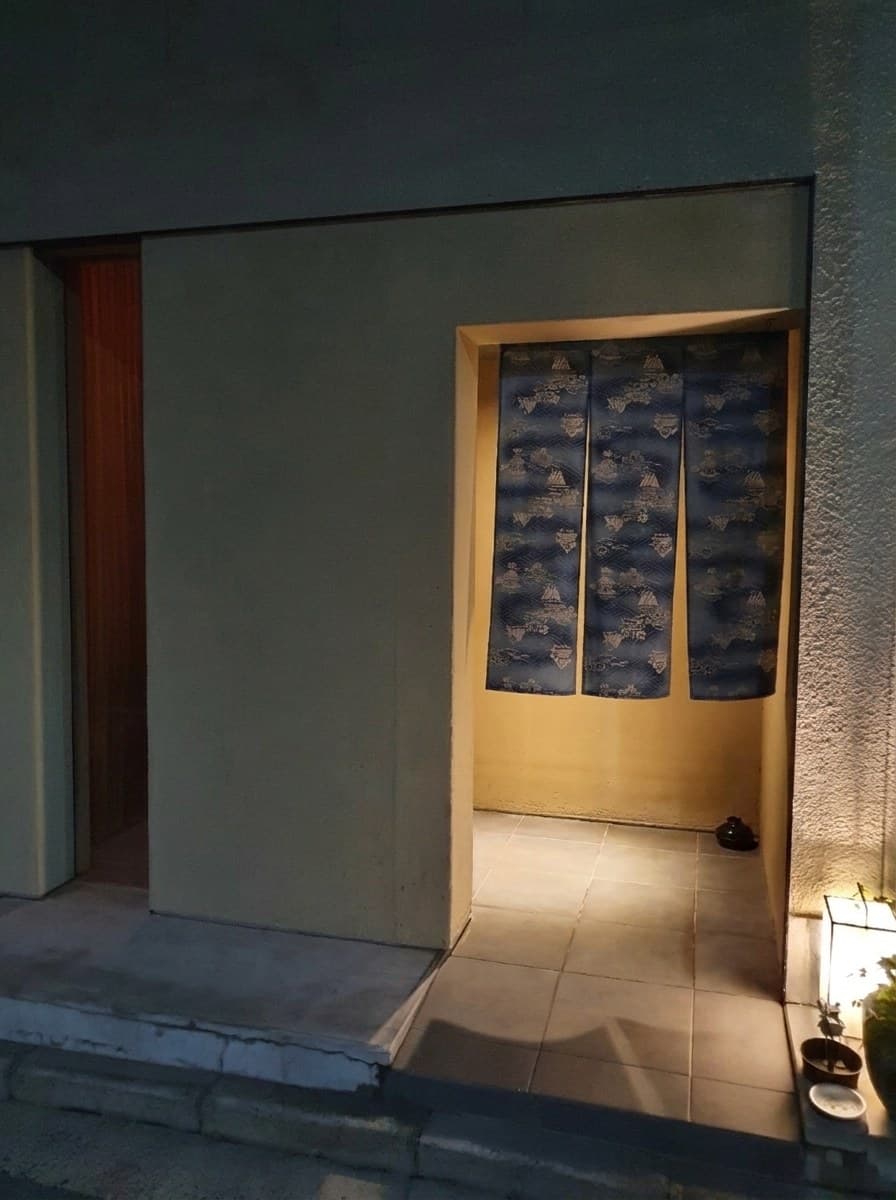
In shortGyunabe (beef hot pot). Reservations run in Japanese and are hard to place from abroad, so our Tokyo desk requests the table for you, by phone and in Japanese.
Price
Courses ¥14,300–20,000 per person, tax included, plus 10% service
Hours
Tue–Fri dinner 17:00–22:00 · Sat, Sun & holidays lunch 12:00–15:00 and dinner 17:00–21:00
Closed
Mondays and the third Sunday (except in January and December)
Seats
About 40 — private rooms plus shared seating for pairs (sources vary)
Private rooms
Yes — rooms for 4 to 16; pairs may be seated in a shared room
Payment
Cards accepted (no e-money or QR codes) · +10% service
Getting there
10 min walk from Hinodecho Stn; 30 min from Yokohama Stn
When Japan opened its ports in the 1850s, its kitchens followed, and
Yokohama — the treaty port — is where beef entered the Japanese
diet. In 1868, the first year of the Meiji era, founder Otokichi
Takahashi set thick‑cut beef simmering in a shallow iron pan with
miso, and gyunabe — beef hot pot — was born here, the dish that
predates and begat sukiyaki. Ohta Nawanoren is not a restaurant
serving history as a theme; it is the history, still in business,
still cooked tableside in tatami rooms.
What you eat
Beef cut in thick cubes, not the paper‑thin slices sukiyaki
conditioned you to expect, simmered at the table in a dark, sweet
miso warishita — the seasoned cooking base — by a nakai, the
kimono‑clad attendant who tends each room’s pot herself. The thick
cut is the point: it survives the long simmer that miso demands,
where a thin slice would toughen, and it eats like braised meat, not
seared meat. Courses build from sashimi and seasonal small plates
toward the pot, finished the traditional way over rice.
The booking reality
The restaurant is explicit: no web booking exists, and the phone —
answered in Japanese, between 11:00 and 21:00 — is the only door.
Note the calendar’s odd rhythm before you plan: closed Mondays and
the third Sunday (except in January and December), with weekday
service at dinner only; lunch happens only on weekends and holidays. Pairs may be
seated in a shared room, while parties of four or more get a private
tatami room, some overlooking the garden — a distinction worth
sorting out on that phone call rather than at the door. One
Japanese call settles the date, the room, and the course; our desk
makes it.
You are building a day around Yokohama — the classic port‑city walk,
the harbor at dusk — and want to end it with two hours in a tatami
room eating the dish that taught Japan to eat beef, in the house
where that happened. It pairs beautifully with a Tokyo trip’s "one
day outside the city."
Free release-date alerts: the day before, on the morning of release day (08:00 JST) and about 30 minutes before when the time is known — or a weekly summary if the house opens a little every day.
Ohta Nawanoren: common questions
Can you book Ohta Nawanoren from abroad?
Yes, through our Tokyo desk. Phone only, in Japanese, taken 11:00–21:00 — the restaurant states there is no web booking. No English page. We call the restaurant for you, in Japanese, and the ¥6,000-per-seat fee is charged only if we confirm your table — no seat, no fee.
Some of these links are referral links: if you book through them we may earn a small commission, at no extra cost to you. Restaurants never pay us to be listed or ranked. Editorial policy
Cite this page
Facts on this page were checked by our Tokyo desk. You are welcome to quote them with a link: