Japan’s best tempura and Japan’s most bookable tempura are two different lists, and the gap is wider here than in sushi. The summit of the craft is built from eight- and ten‑seat counters where one chef works alone at the oil and cannot hurry it — so the houses that rank highest release almost nothing to a stranger. This page sorts the serious tempura by cooking, then says which doors open.
The house at the top, and why it is nearly sealed
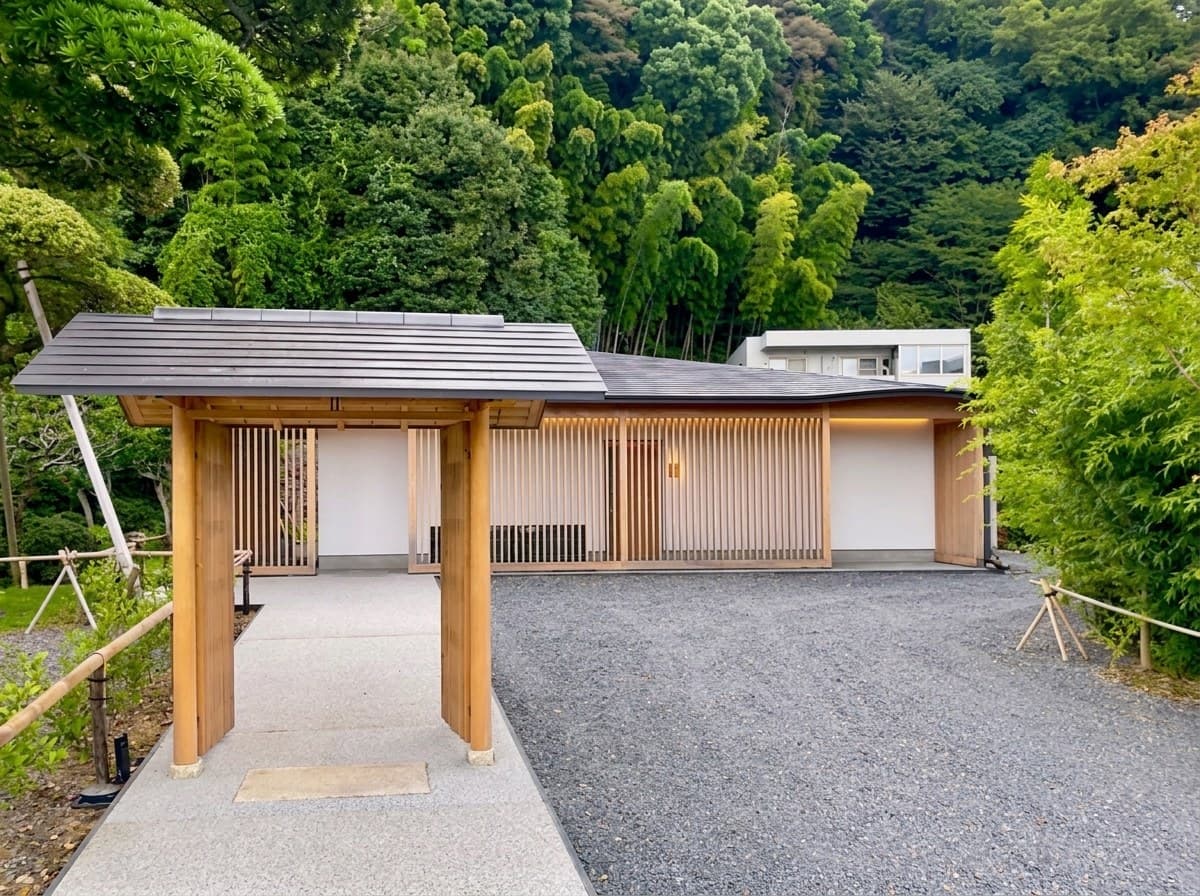
Naruse is in Shizuoka rather than Tokyo, and it is the domestic consensus. When we checked Tabelog’s national tempura ranking on 7 September 2026, Naruse stood first with a score of 4.62 across 436 reviews, Tabelog Gold Awards in 2023, 2024, 2025 and 2026, and selection to the Tempura Hyakumeiten list for 2025 — the shortlist system we unpack in what Hyakumeiten actually means.
No star belongs in that sentence. Shizuoka Prefecture has no regular MICHELIN Guide selection, so treat any page asserting a Naruse star with suspicion.
Chef Takeo Shimura builds the course from the Sasue Maeda fish shop in Yaizu and the depths of Suruga Bay, treating each item on its own terms — dried to concentrate it, nearly steamed inside a whisper of batter, or closer to seared — rather than laying one batter over everything. The counter seats eight, there is one omakase per service, and the price is ¥47,300 including tax with service on top. Regulars rebook before they leave; the public door is OMAKASE, which opens the month two months ahead on the 1st at 11:00 JST (one booking per account per quarter), and a few more seats move through invitation‑based services and the Shoku‑Oku auction. Our full guide to booking Naruse sets out each of those channels and the honest odds attached to them.
Tokyo’s top counters
Michelin’s tempura verdict is narrow. Tempura Kondo in Ginza holds Two MICHELIN Stars (MICHELIN Guide Japan 2026), the guide’s top tempura tier in the city it covers most heavily.
Fumio Kondo opened his Ginza room in 1991 and is credited by the guide with bringing seasonal vegetables into a genre built on Edo Bay seafood, and with arguing for thin batter when thick was the fashion; the MICHELIN Guide Tokyo named him its Mentor Chef for the 2024 edition. Kazuhito Motoyoshi sits at the opposite temperament — the guide’s own entry describes a batter made with two kinds of water and liquid nitrogen. A flight below, Kyobashi Tempura Fukamachi holds One MICHELIN Star (MICHELIN Guide Japan 2026): a father and two sons, frying in cold‑pressed sesame oil across two pots kept at different temperatures.
None of these houses is in our collection, so we do not link them. All three sit between Naruse and a Kyoto counter in difficulty. Kondo opens the month two months ahead by Japanese phone on the first business day of each month, and directs overseas guests to its official route for overseas guests, My Concierge Japan, with Ikyu also listing seats. Motoyoshi’s phone line opens the same date one month ahead each day at 11:00 JST, and OMAKASE and Pocket Concierge list some seats in English. Fukamachi takes requests on its official site or by phone, opening the following month on the first business day.
What the Japanese rankings say instead
The two systems disagree, which is why you read both — the difference is laid out in Michelin versus Tabelog. On the same national ranking we checked in September 2026, second place went to Takiya in Azabu‑Juban at 4.52, and third to Nihonbashi Sobanoji in Ningyocho at 4.47, a nine‑seat counter that fries a long sequence and then finishes with soba. Sobanoji is the interesting case for a visitor: it lists on Japanese reservation platforms, including an English‑facing one, which makes it unusually reachable for its altitude.
Further down the same list, fifteenth at 4.13, sits Mikawa Zezankyo in Monzen‑Nakacho, where Tetsuya Saotome has spent a career on the Edo school of frying — a placement well below his standing among Japanese writers, and a reminder that a Tabelog score is a weighted average, not a verdict on craft.
The two houses that will actually take your booking
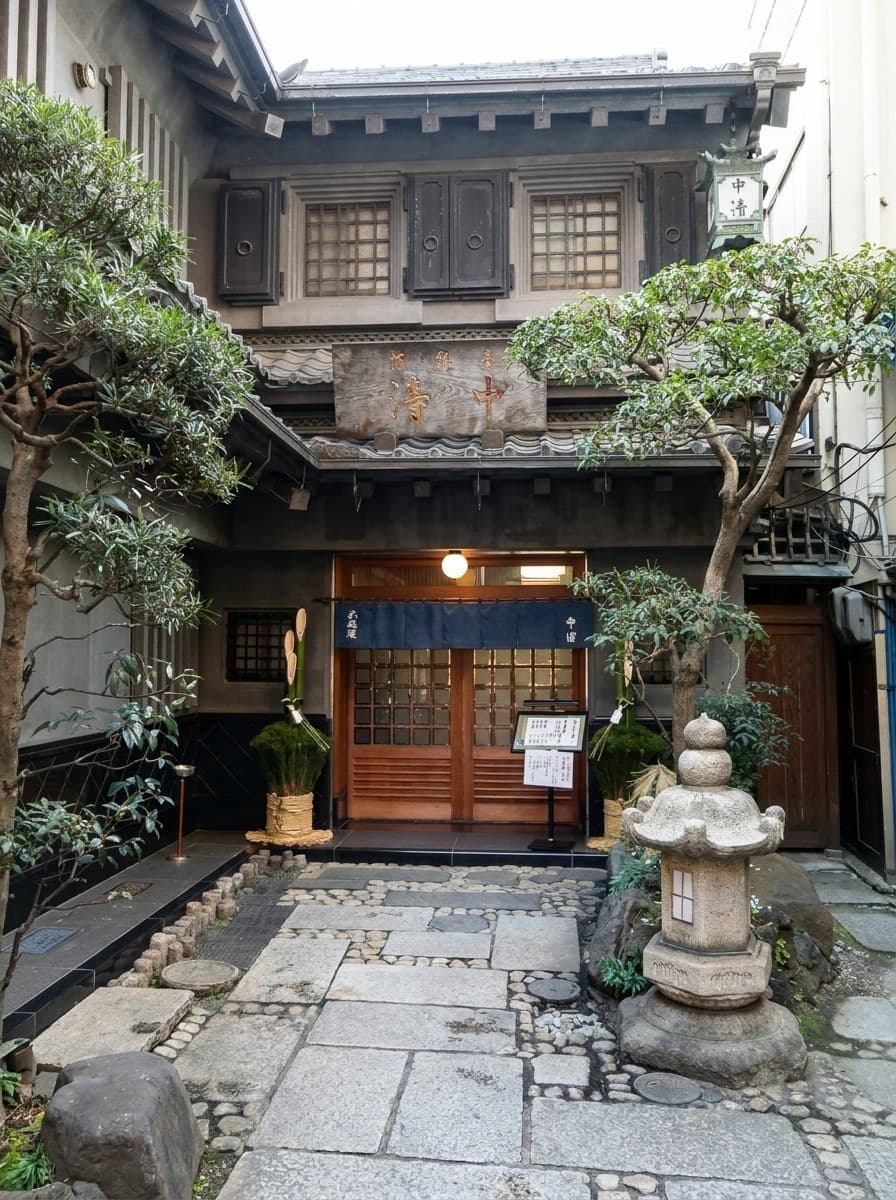
Tempura Nakasei has fried in Asakusa since 1870 — a Suruga samurai’s street stall that became a shophouse, burned down twice and rebuilt twice, five generations in. Behind the storefront is a courtyard koi pond ringed by sukiya‑style rooms. The house runs two systems at once: a sixty‑seat hall that takes no reservations of any kind, where you queue like a local, and garden rooms taking course‑only bookings at ¥8,800 to ¥22,000 plus ten percent service, by phone in Japanese or online on Ikyu and Tabelog. Set meals start at ¥3,850. The signature is the Raijin‑age, a kakiage dome of shiba shrimp and scallop whose technique passes to one heir per generation and has never been written down. Tuesday and Wednesday are dark.
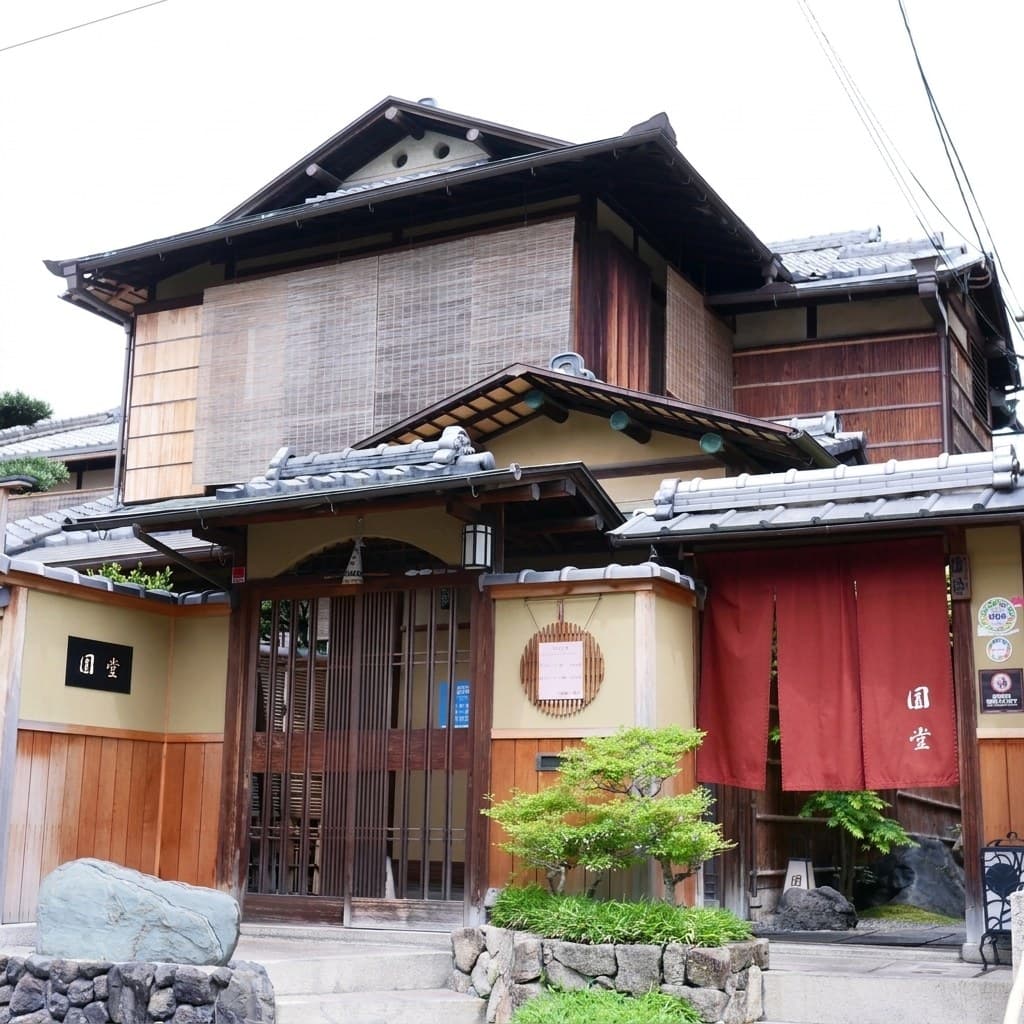
Gion Yasaka Tempura Endo began in 1885 as an ochaya, one of Gion’s teahouses, and now spreads across three linked sukiya residences on the stone lane climbing past Kenninji. The frying answers the rooms: Kyoto’s heirloom vegetables and near‑sea fish from Wakasa Bay and the Seto Inland Sea, under batter thin enough to keep each piece legible. It is open year‑round and takes reservations online through TableCheck, in English, with parties of ten or more booking by phone, which makes it the most accessible serious tempura in either capital. Lunch courses run ¥7,700 to ¥11,000 and dinner ¥16,000 to ¥33,000, tax included, with service at thirteen percent at the counter and eighteen percent in a private room. The scarcity is not the table — it is the fourteen‑seat counter at a workable hour. It accepts no bookings made on a guest’s behalf; we can request it in the name of the guest who attends, at ¥6,000 per seat, charged only if we secure the table and you approve it. If the house declines a booking arranged on a guest’s behalf, we will tell you and nothing is charged.
What a tempura omakase costs in 2026
The band is wider than the reputation suggests. A set meal at Nakasei starts at ¥3,850; a counter lunch at Endo runs ¥7,700 to ¥11,000, its dinner courses to ¥33,000; Nihonbashi Sobanoji’s Tabelog listing showed a dinner budget band of ¥30,000 to ¥39,999 in September 2026; and Naruse’s omakase is ¥47,300 including tax. Service of ten to eighteen percent sits outside all of those, as do platform fees and auction bids — which is why quoted all‑in figures vary so wildly online.
Two oils, and why the choice affects your booking
Tempura runs on two schools. The old shitamachi style fries in dark roasted sesame oil, golden‑brown and deeply fragrant, and survives in the larger, older houses of east Tokyo — Nakasei among them. The pale school of Ginza and Kyoto uses clearer oils and a thinner batter, letting a single vegetable arrive like porcelain; the MICHELIN Guide’s note on Fukamachi specifies cold‑pressed sesame, the untoasted form. Neither is superior — but they have different architecture, and architecture is access. The shitamachi houses grew up with halls and banquet rooms and hold real inventory; the pale school lives at a counter of a dozen seats where nothing scales.
How to plan it
Work backwards from the seat, not the star. If you want the country’s best tempura, treat Naruse as a release to be ready for — OMAKASE opens the month two months ahead on the 1st at 11:00 JST, and the seats go within minutes — and hold a strong alternative for the same evening. If you want excellent tempura on a fixed itinerary, book Endo and specify the counter, or take Nakasei’s queue at Asakusa lunch. For Tokyo’s top counters the constraint is mostly a Japanese phone line with a fixed release — monthly at Kondo and Fukamachi, daily at Motoyoshi — which our Tokyo tempura booking guide sets out in full.
Tell us your dates and which of these rooms you are aiming at, and our reservation desk will work the Japanese channels for the rooms in our collection and say plainly what is realistic before anyone books a flight. In our collection, Tempura Uemura in Yokohama, Tempura Yokoi in Nagoya and Nakasei’s garden rooms are tempura tables we can request for you, and Naruse and Endo can be requested in the name of the guest who attends.