The short answer
To book Naruse you have to be ready when its one public door opens. That door is OMAKASE, the Japanese fine‑dining platform: on the 1st of each month at 11:00 JST it releases the month two months ahead. Regulars rebook at the counter before they leave, and a handful of seats surface through invitation‑based services and a cancellation auction — never in quantity. There is no English booking form, no walk‑in, and no hotel desk anywhere that can promise this room. Eight seats, one omakase, one seating per service — that is the whole difficulty in a line. Mark the release date two months before your trip, keep several dates open, and understand that what you are making is a request. Our reservation desk will place it in Japanese and tell you plainly what the odds look like.
Why the seats disappear
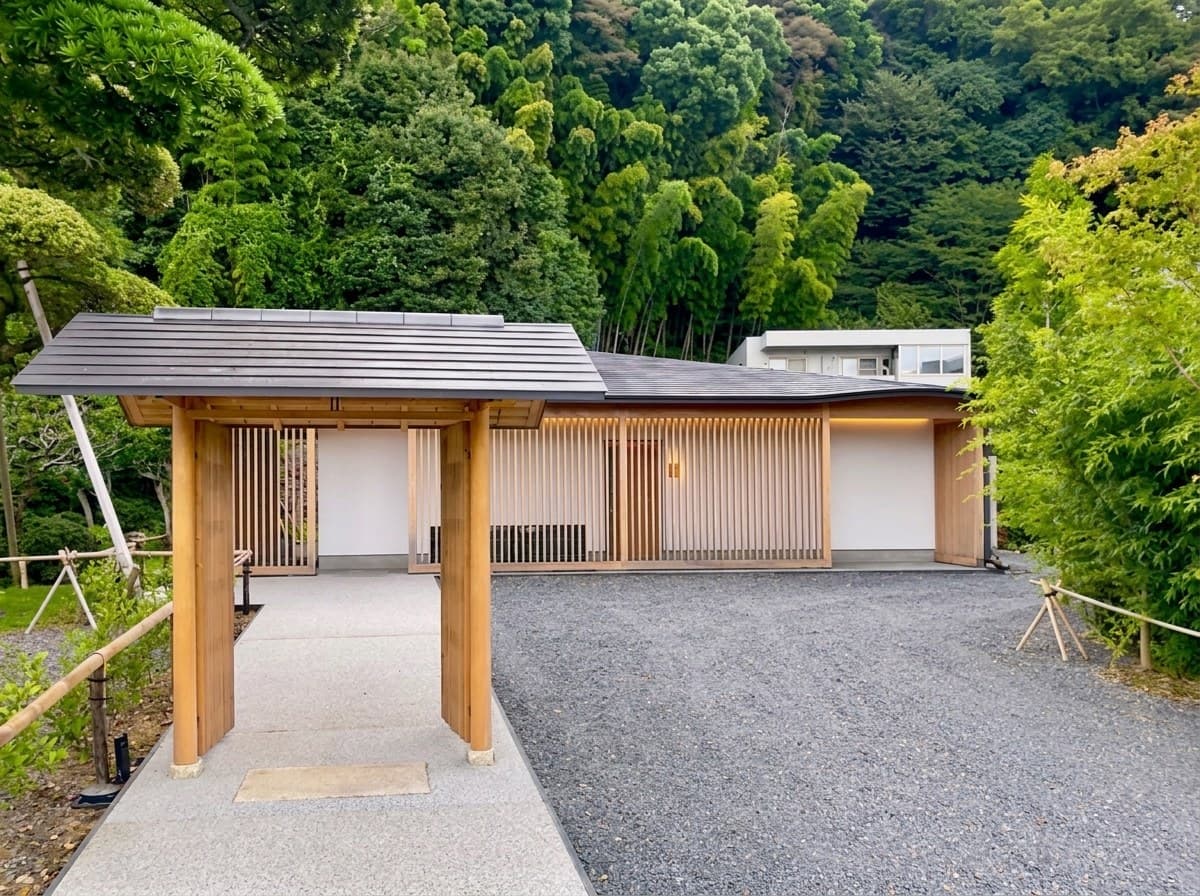
The arithmetic is unforgiving. Takeo Shimura, born in Kawasaki in 1975, opened Naruse near Shin‑Shizuoka Station in September 2007 — hedging at first with sushi and soba alongside the tempura, until demand settled the question for him. In March 2021 he moved the restaurant to Maruyama‑cho, a single‑storey wooden building set against a garden long attributed to the late‑Muromachi warrior Ota Dokan. The counter that came with it seats eight.
Against those eight seats sits demand from the whole of Japan and, increasingly, from abroad. Japanese food writers routinely name Naruse one of the two hardest tempura counters in the country to reach, and regulars who secure a date tend to hold it. Nothing about the format scales: one chef at the oil, one piece leaving it at a time.
What the rankings actually say
It is worth being precise here, because loose claims circulate freely. As of August 2026, Naruse’s Tabelog listing showed a score of 4.61, with Tabelog Gold Awards in 2023, 2024, 2025 and 2026, a Silver Award in 2022, and selection to the Tabelog Hyakumeiten tempura list in 2022, 2023 and 2025. That is an unusually consistent domestic record, and it is what our own file means in calling the house the finest tempura room in Japan.
Michelin is a different matter. Shizuoka Prefecture has no regular MICHELIN Guide restaurant selection — the guide’s Japan coverage runs through Tokyo, Kyoto, Osaka and a rotating set of regional editions — so there is no star to cite, and pages asserting one should be treated with suspicion. If the difference between those two verdicts is unfamiliar, our note on Michelin versus Tabelog is the shortcut, and what a Tabelog score actually means explains why 4.61 is a far rarer number than it looks.
How booking actually works
Four channels, in roughly descending order of how much of the book each one carries.
Regulars at the counter. Guests who have eaten here book their next visit before they leave, and those they bring join the same cycle. Eight seats leave very little margin once the regulars have chosen their dates, and this is the quiet reason the calendar looks so full from outside.
The OMAKASE release. What the regulars leave is opened on OMAKASE, the Japanese fine‑dining platform, on a published schedule: the 1st of each month at 11:00 JST, for the month two months ahead (1 October opens December). An account and a card are required, each account may book at most once per quarter, the booker must attend in person, and the house telephones to confirm. The batches are small and go within minutes. As of September 2026 the platform listed cancellation charges of 5% at booking, 30% from seven days, 50% from three days and 100% from the day before, plus a small per‑seat fee.
Invitation services and returned seats. A few invitation‑based services list the restaurant, each with its own handling fees and eligibility conditions, and cancelled seats occasionally reappear on a members‑only auction site where guests bid for the right to reserve. Both routes are intermittent rather than dependable, and both add cost: a winning bid and its transaction fee are commonly non‑refundable if you later cancel, a pattern our cancellation policy guide sets out across this whole tier.
The telephone. The house has a Japanese‑language number, but it is not the route for a first booking — OMAKASE is. The phone matters for the confirmation call and for changes, which is the same obstacle described in our guide to phone‑only restaurants if you do not speak Japanese.
The shape of the problem, then, is not a locked door. It is that most of the room is spoken for by regulars, and the remainder opens once a month and closes within minutes. What a Japanese‑speaking desk adds is readiness at the release, Japanese handling of the confirmation call, and a watch on the other channels. It does not add certainty, and any service selling a guaranteed Naruse seat is selling something it does not control.
What you eat
One omakase, rebuilt daily around the morning’s landing. Shimura works closely with Naoki Maeda of the Sasue Maeda fish shop in Yaizu, the supplier several of Tokyo’s most serious kitchens also trust, drawing on Suruga Bay — among the deepest and most varied fishing grounds in Japan. The two test unfamiliar fish together after service, frying experimentally and keeping notes, so that nothing untried reaches a guest.
The meal typically opens with sashimi before moving through roughly fifteen pieces of tempura, then a rice dish and something sweet. Live seafood is broken down only once guests are seated; vegetables are not peeled until the moment before they meet the oil. Each ingredient is treated on its own terms — dehydrated, steamed, fried or seared — with the technique bent to the material rather than the reverse. If the craft’s background interests you, our history of tempura traces how a street food became this.
Cost, payment and the counter itself
The omakase is ¥47,300 including tax, with a service charge on top and pricing that moves with the season. Prices are indicative, as listed on Tabelog (October 2026). Cards are accepted, VISA and AMEX, and electronic money and QR codes are not — worth noting if you have built your trip around a single wallet app, as our guide to cash or card in Japan explains. Platform fees, handling charges or an auction bid sit outside that figure entirely, which is why quoted all‑in totals for Naruse vary so wildly online. For context on where this sits in the wider market, see what fine dining in Japan actually costs.
The room is a hinoki counter for eight, with no private room and no second space. Service runs lunch 12:30 to 15:30 and dinner 18:00 to 21:00, closed Sundays plus an alternating Tuesday or Saturday each week.
Getting there, and what else to plan
Shizuoka sits on the Tokaido Shinkansen — roughly an hour from Tokyo by Hikari, about ninety minutes by Kodama, and about two hours from Kyoto. Nozomi services do not stop at Shizuoka, so confirm the train type rather than the destination when you book. From the station the counter is a short taxi ride, roughly 1.5 km from Shin‑Shizuoka. Arrive early: this is not a room that holds a seat.
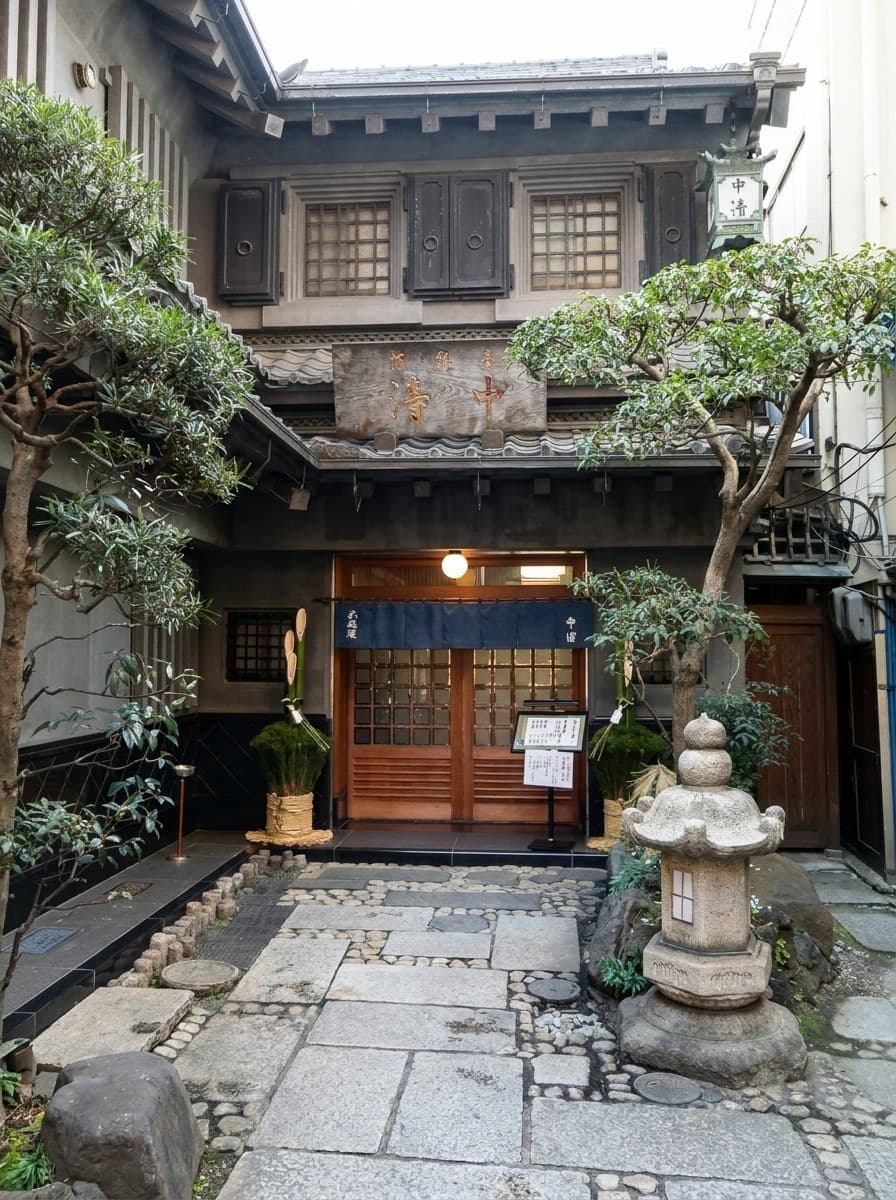
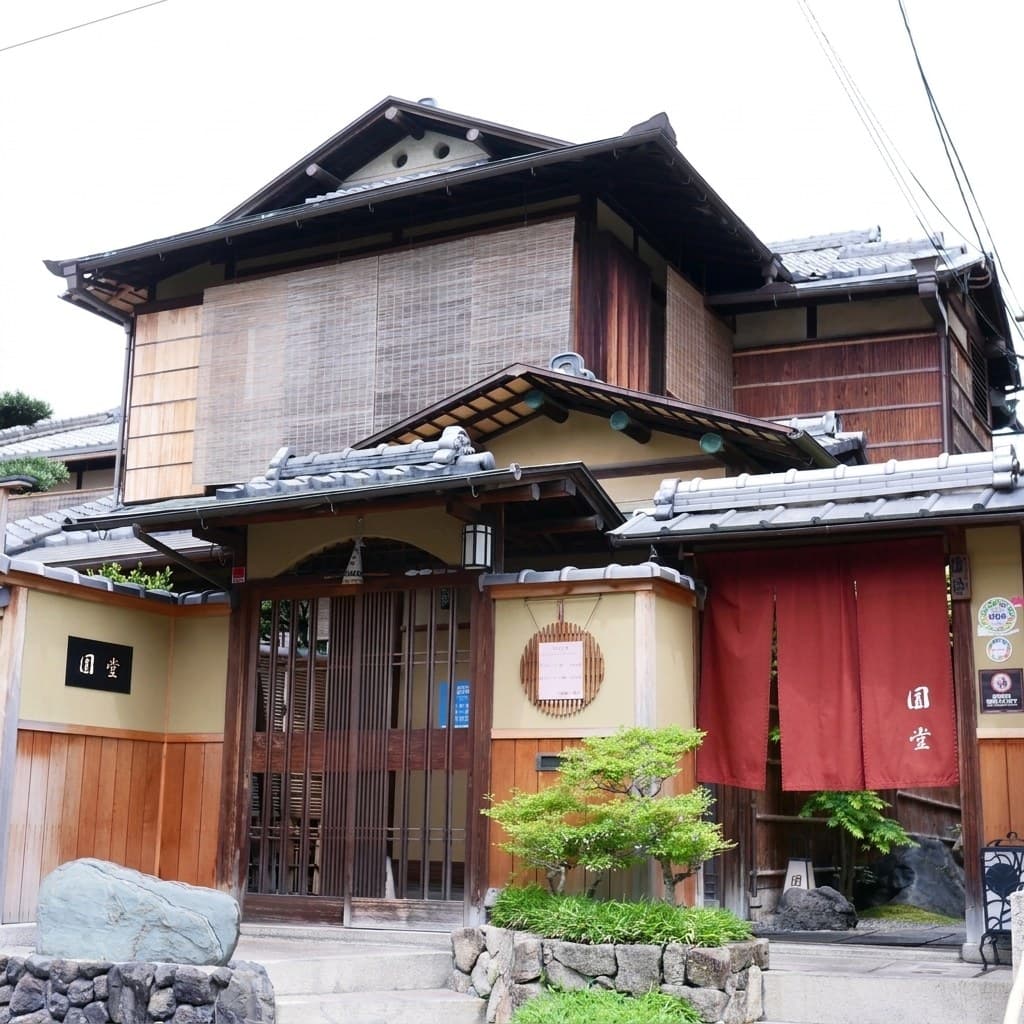
If the answer comes back no, the craft is reachable elsewhere. Tempura Nakasei in Asakusa and Gion Yasaka Tempura Endo in Kyoto both work the same one‑piece‑at‑a-time rhythm on far more attainable terms, and our guide to booking tempura omakase in Tokyo sets out that calendar.
Honest expectations
We would rather state this plainly than sell it. Naruse is a request, and requests fail — most often because eight seats and a fixed set of travel dates simply do not meet. What improves the odds is unglamorous: more lead time, more candidate dates, willingness to take lunch or dinner, and a party of two rather than four. Tell us your Shizuoka window and how much latitude you have around it, and we will work the channels in Japanese and line up a strong alternative for the same day, so that the journey is worth taking either way.