At the restaurants on our release calendar, dinner omakase at a Tokyo sushi counter mostly costs ¥20,000–40,000 per person in 2026, and kaiseki in Kyoto about the same (as of October 2026). Lunch at the same restaurants often costs half as much or less. Add drinks and, at some houses, a service charge; never a tip.
The numbers below are taken from the prices we record for each restaurant on our release calendar and in our collection, as of October 2026. Where we quote a range, it is the range most restaurants in that group fall into, not the extremes.
How much does fine dining in Japan cost?
Per person, food only, before drinks and any service charge:
| Cuisine | Lunch | Dinner, most restaurants | The most expensive |
|---|---|---|---|
| Sushi omakase, Tokyo | ¥5,000–22,000 | ¥20,000–40,000 | ¥50,000–80,000; Sukiyabashi Jiro ¥88,000 |
| Sushi omakase, outside Tokyo | ¥8,800–16,500 | ¥15,000–30,000 | about ¥42,000 |
| Kaiseki, Kyoto | ¥8,000–25,000 | ¥20,000–40,000 | ¥60,000–80,000+ |
| Kaiseki and kappo, Tokyo | ¥8,000–33,000 | ¥25,000–50,000 | ¥60,000–100,000+ |
| Kaiseki, other cities (our collection) | ¥5,500–20,000 | ¥13,000–35,000 | ¥80,000–90,000 |
| Tempura counter, Tokyo | ¥13,200–17,600 at the top counters | ¥16,500–35,000 | ¥55,000–60,500 |
| Yakitori omakase, Tokyo | rarely served | ¥7,700–16,000 | ¥20,000–30,000 |
| Unagi (eel) | about ¥3,000–7,800 for an eel box | courses ¥15,000–25,000 | — |
A few examples behind each row:
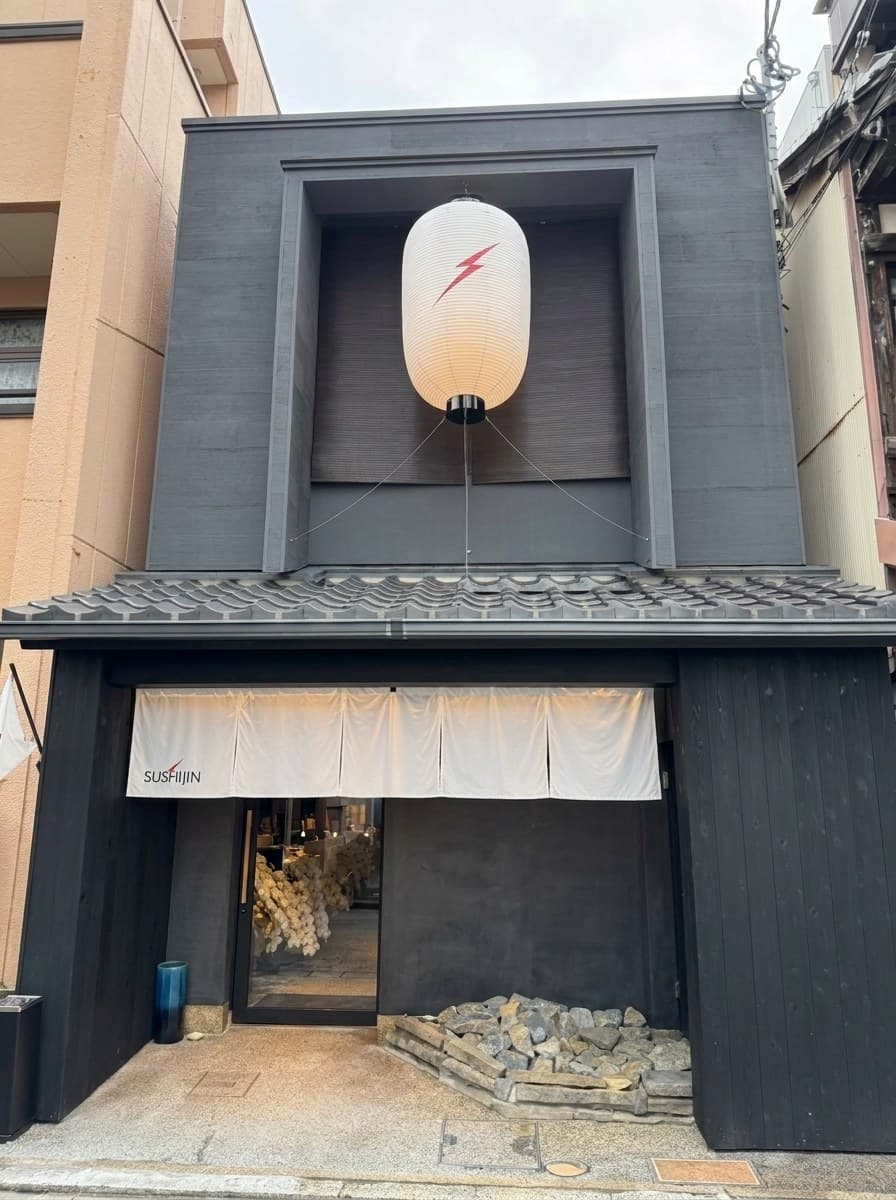
Sushi outside Tokyo: Sushi Ryogetsu in Hiroshima ¥15,400; Kurumasushi in Matsuyama ¥27,500; Daikumachi Sushijin Hanare in Kanazawa ¥42,350 including tax and service. Prices are indicative, as listed on Tabelog and OMAKASE (October 2026).
Set meals at Nakasei in Asakusa start at ¥3,850.
The price is rarely the barrier at a yakitori house; getting a seat is.
How much is sushi omakase in Tokyo?
Most of Tokyo’s celebrated sushi counters now charge ¥20,000–40,000 for dinner omakase. Below that sit genuinely good counters, often outside the center, at ¥15,000–20,000 — some harder to book than famous names. Above it sit a small number of rooms at ¥50,000–80,000, and Sukiyabashi Jiro at ¥88,000.
Our guide to omakase explains what the course includes, how long it takes and how to behave at the counter.
How much does kaiseki cost?
In Kyoto, dinner at most kaiseki houses costs ¥20,000–40,000 and lunch ¥8,000–25,000. The great houses — Hyotei, Isshisoden Nakamura and their peers — charge ¥33,000–80,000 at dinner. Tokyo runs higher, with most counters at ¥25,000–50,000.
Season moves kaiseki prices more than anything else: Higashiyama Ogata in Kyoto lists ¥38,500 for its seasonal course, ¥58,300 for matsutake and ¥70,000 for crab. Prices are indicative, as listed on OMAKASE (September 2026). Our guide to kaiseki has the order of courses and the full price table.
Is lunch cheaper than dinner?
Usually, and often by half or more. Lunch is normally a shorter course with fewer luxury ingredients from the same kitchen.
| Restaurant | Lunch | Dinner |
|---|---|---|
| Sushi Iwao, Akasaka (sushi) | ¥6,600–9,900 | ¥25,000 plus 10% |
| Sushi Saito Azabudai, Tokyo (sushi) | ¥15,000 | ¥30,000, plus tax |
| Tempura Kondo, Ginza (tempura) | ¥13,200–16,500 | ¥22,000–33,000 |
| Akasaka Kikunoi, Tokyo (kaiseki) | ¥14,300–22,000 plus 10% | ¥33,000–77,000 plus 15% |
| Godan Miyazawa, Kyoto (kaiseki) | — | — |
| Isshisoden Nakamura, Kyoto (kaiseki) | — | — |
| Hyotei, Kyoto (kaiseki) | from ¥31,625; annex morning rice porridge ¥5,445 | from ¥37,950 |
Not every counter discounts lunch. A few sushi counters serve the full dinner omakase at lunch for the same price, so check what the lunch course includes before you choose it to save money.
What gets added to the bill?
| Charge | What to expect | Examples from our records |
|---|---|---|
| Consumption tax | 10%; most restaurants quote prices with it included | Some quote before tax — Sushi Saito Azabudai’s ¥30,000 is plus tax |
| Service charge | None to 15%; 10% is the most common | Many sushi and tempura counters charge none; Akasaka Kikunoi 15% at dinner and 20% in private rooms |
| Seat charge | — | — |
| Room fee | At some kaiseki houses with private rooms | Ginza Okuda ¥15,000 at dinner; Kanda ¥33,000 for its room for two |
| Drinks | — | — |
| Corkage | Where bringing a bottle is allowed, about ¥3,500–8,000 a bottle | — |
| Booking fee | A few hundred yen per person on some sites, such as OMAKASE | Some sites take the full course price when you book |
| Tip | None | See do you tip in Japan |
Izakaya are different again: many add otōshi, a small appetizer you did not order, as a per‑person seat charge. It is customary, not a scam.
What does a dinner for two actually cost?
An illustration, not a quote. Two people at a Tokyo sushi counter with a ¥30,000 tax‑included omakase, ¥10,000 each in sake, and a 10% service charge on the bill:
- Omakase: ¥30,000 × 2 = ¥60,000
- Sake: ¥10,000 × 2 = ¥20,000
- Service, 10%: ¥8,000
- Total: ¥88,000 — about 1.5 times the course price. At a counter with no service charge, ¥80,000.
What does it cost to cancel?
More than most visitors expect, and earlier. Among the restaurants on our release calendar that publish a cancellation scale, a common pattern is 50% of the course the day before and 100% on the day. Stricter houses start sooner: Myojaku in Tokyo charges 50% from seven days out and 100% from two; some houses charge a small percentage from the moment you book.
Our group runs restaurants in Tokyo, and the reason is simple from our side of the counter: a set course is bought that morning for the guests booked, and at an eight‑seat counter one empty seat is a large share of the night. A 2018 study for Japan’s Ministry of Economy, Trade and Industry estimated that no‑shows cost the country’s restaurants about ¥200 billion a year. Our cancellation guide lists the common terms.
How do you pay?
- Cards are accepted at most restaurants at this level, but not all. A meaningful handful are cash only; our profiles and release calendar flag them.
- Prepayment is spreading: some restaurants take the full course price when you book online — Hoshino in Nara, for one, prepays its course.
- Card guarantees are common on booking sites even when you pay at the table, so that a late cancellation can be charged.
Why do prices keep changing?
Because ingredients and staff cost more each year, and because the best restaurants have more demand than seats. Several restaurants on our release calendar revised their prices in 2026 — Tempura Fukamachi in October, Myojaku in April — so treat any price more than a year old as a floor. We record the date we last checked each restaurant on its page.
The scarce resource at this level is rarely money; it is a seat on the right night. For how the hardest restaurants release their seats, see why you can’t book Japan’s best restaurants.
If you would like a seat at one of these restaurants without making the call in Japanese, our desk can request it: ¥6,000 per seat for restaurants in our collection and ¥12,000 for other restaurants, charged only if we secure the table and you approve it.